
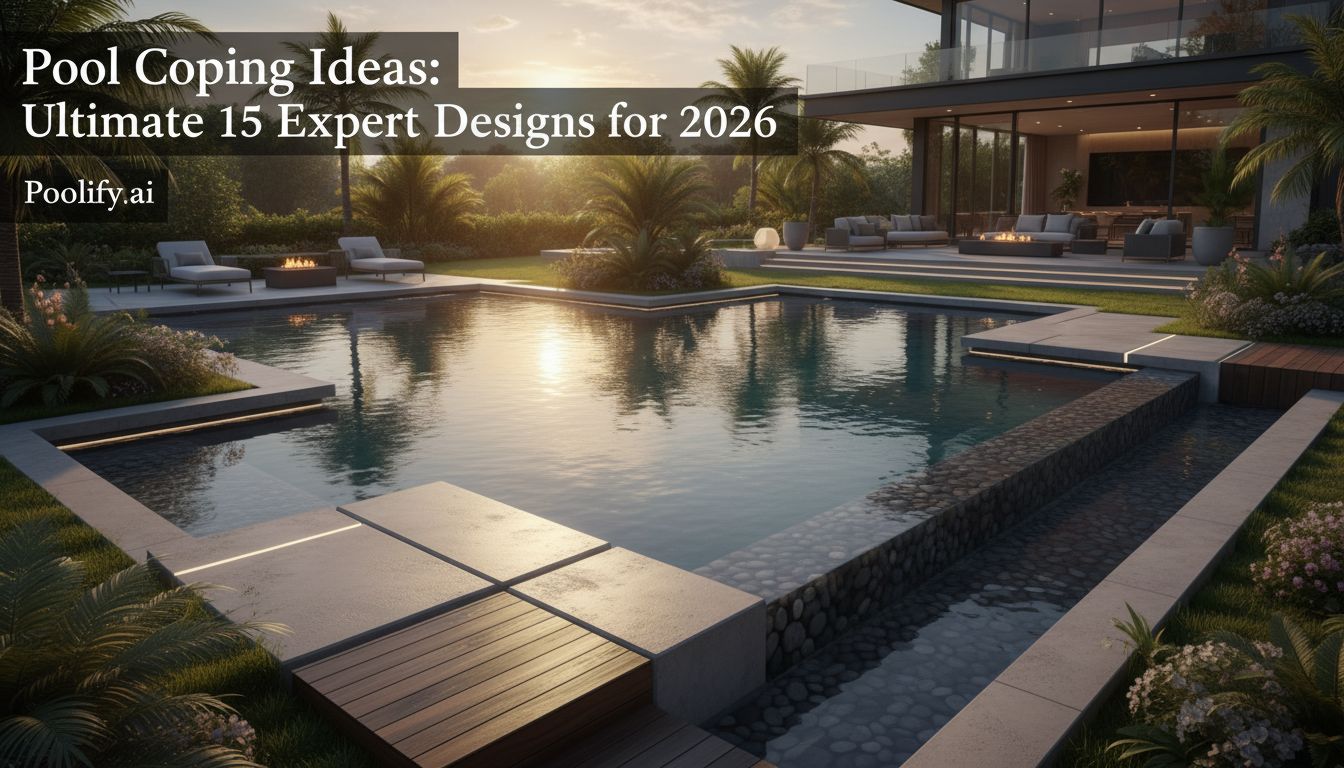
Introduction to Pool Coping Ideas for 2026
When designing or renovating your swimming pool, the coping deserves just as much attention as the water itself. Pool coping ideas have evolved dramatically in recent years, offering homeowners an impressive range of materials, styles, and finishes that blend safety with stunning aesthetics. The coping—that finished edge around your pool’s perimeter—serves multiple critical functions: it protects the pool structure, provides a safe gripping surface, and creates a visual transition between your pool and surrounding deck. In 2026, homeowners are prioritizing both durability and design, seeking pool coping ideas that reflect their personal style while standing up to years of exposure to water, chemicals, and weather.
Whether you’re building a new pool or updating an existing one, selecting the right coping material and style can transform your entire backyard aesthetic. This comprehensive guide explores fifteen expert-approved pool coping ideas that combine functionality with visual appeal, helping you make an informed decision for your outdoor oasis.
Understanding Pool Coping: Function Meets Design
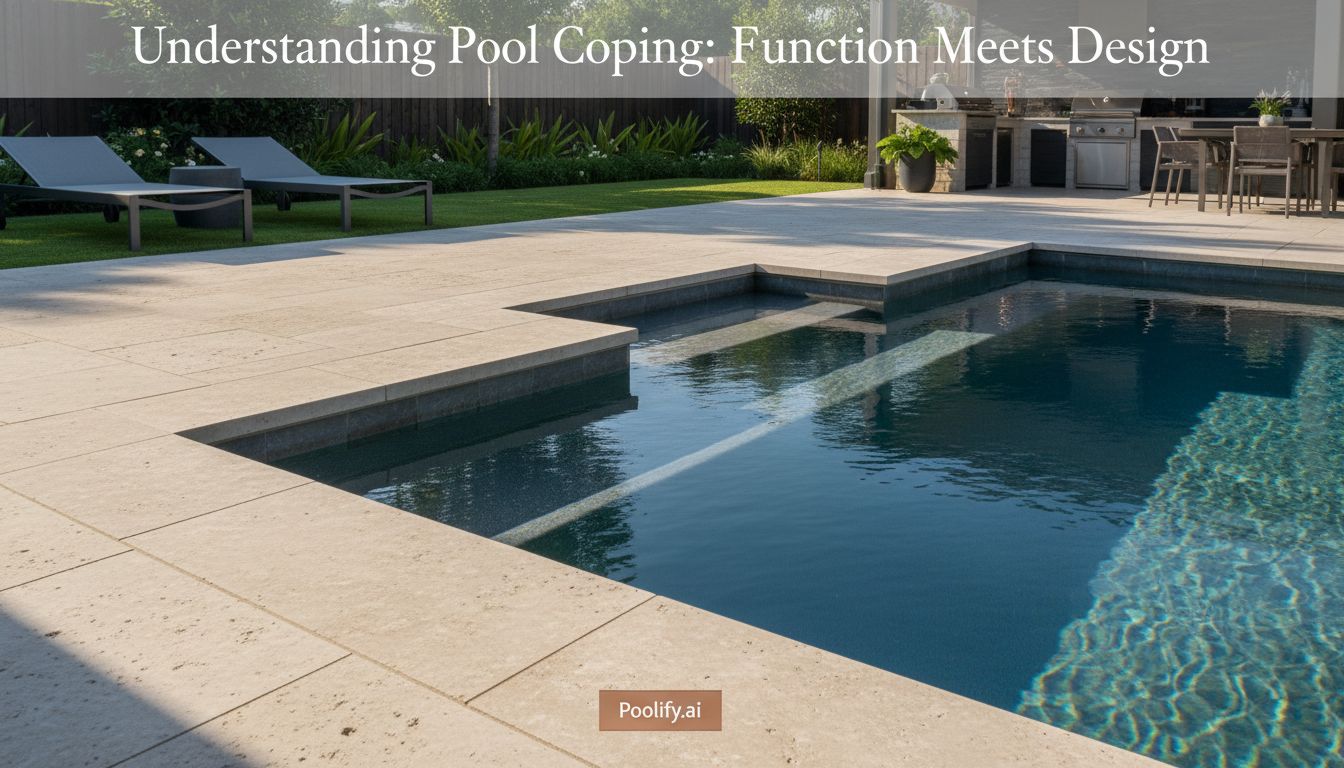
Before diving into specific pool coping ideas, it’s essential to understand what makes coping so important. Pool coping serves as the cap or edge treatment that sits atop your pool wall, creating a finished border between the pool shell and the surrounding deck area. This architectural element performs several vital functions that impact both safety and longevity.
Functionally, coping prevents water from seeping behind the pool shell, which could cause structural damage over time. It also provides a non-slip surface for swimmers to grip when entering or exiting the pool. According to the Consumer Product Safety Commission’s Pool Safely campaign, proper pool edge design contributes significantly to overall pool safety, particularly for children and elderly swimmers.
From a design perspective, coping creates a visual frame for your pool, much like a picture frame enhances artwork. The right pool coping ideas can complement your home’s architecture, coordinate with your landscaping, and establish the overall aesthetic tone of your outdoor living space. In 2026, designers are increasingly treating coping as a statement element rather than an afterthought.
Key Considerations When Choosing Pool Coping
When evaluating different pool coping ideas, several factors should guide your decision. Climate plays a crucial role—materials that perform beautifully in warm, dry regions may crack or deteriorate in areas with freeze-thaw cycles. Your budget will naturally influence material choices, as options range from affordable poured concrete to premium natural stone. Maintenance requirements vary significantly, with some materials demanding regular sealing while others remain virtually maintenance-free.
Safety considerations include slip resistance and heat absorption, particularly important in sunny climates where dark materials can become uncomfortably hot. Finally, aesthetic compatibility with your home’s architecture and existing hardscaping ensures a cohesive outdoor design. For more guidance on creating a unified pool area design, explore our pool deck design ideas that complement various coping styles.
Natural Stone Pool Coping Ideas
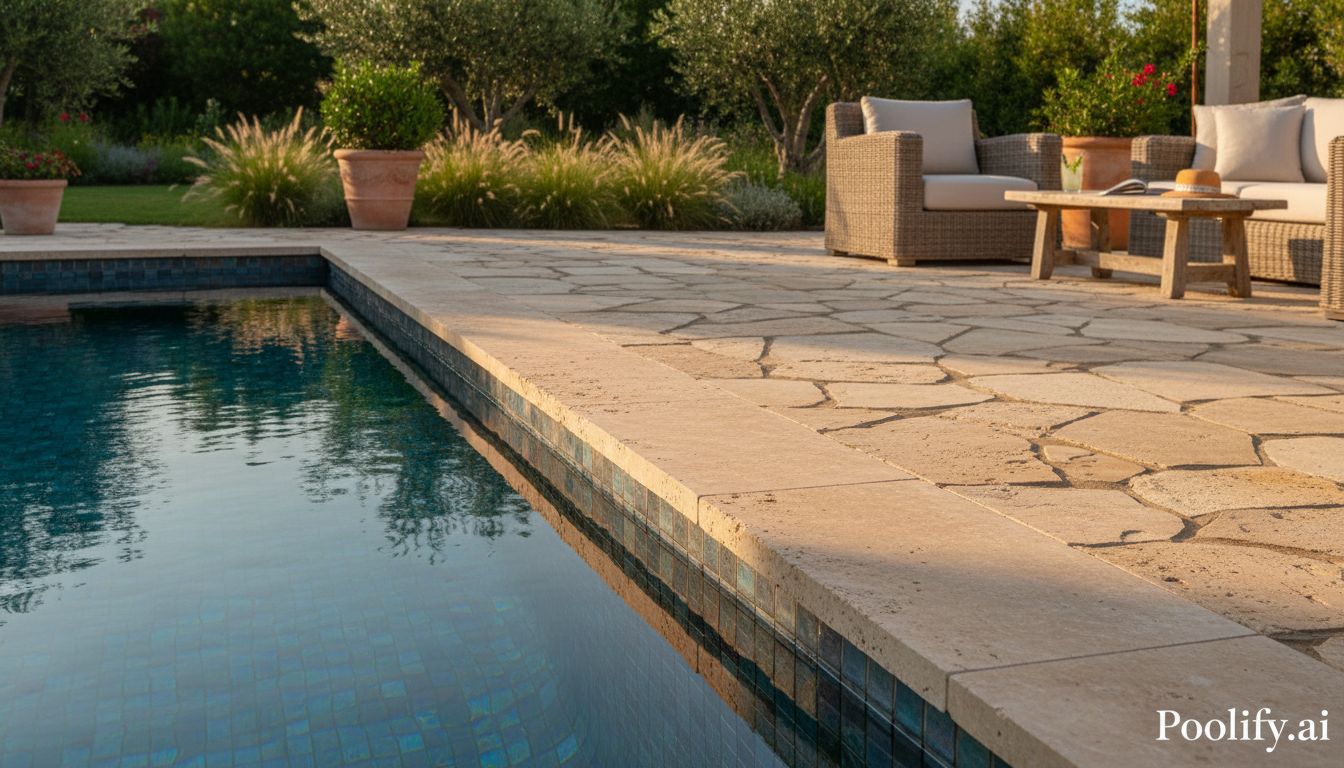
Natural stone remains one of the most popular and timeless pool coping ideas for homeowners seeking elegance and durability. Stone coping brings organic beauty, unique character, and exceptional longevity to pool designs. Each stone type offers distinct visual qualities and performance characteristics that suit different design preferences and climates.
Travertine Coping
Travertine has emerged as a leading choice among pool coping ideas in 2026, particularly for Mediterranean, Spanish, and contemporary designs. This limestone-based stone features a porous surface with natural pits and troughs that create texture and visual interest. The material’s light color palette—ranging from ivory to walnut—reflects sunlight rather than absorbing it, keeping the surface cooler underfoot even in intense heat.
Travertine’s non-slip texture makes it exceptionally safe for pool areas, while its natural variation ensures no two installations look identical. The stone requires periodic sealing to prevent water absorption and staining, but many homeowners find this minimal maintenance worthwhile given the material’s stunning appearance. Tumbled travertine edges offer a softer, more casual look, while honed or filled travertine presents a sleeker, more refined aesthetic.
Bluestone Coping
For traditional and colonial-style homes, bluestone represents one of the most sophisticated pool coping ideas available. This dense, durable stone features blue-gray tones with subtle color variations that add depth and character. Bluestone’s thermal properties keep it relatively cool, and its natural cleft surface provides excellent traction.
Available in both irregular flagstone pieces and precisely cut rectangular units, bluestone adapts to various design styles. The thermal finish—a slightly textured surface created through heat treatment—enhances slip resistance while maintaining the stone’s elegant appearance. Bluestone pairs beautifully with brick, traditional pavers, and natural landscaping, creating a classic poolscape that ages gracefully.
Granite Coping
Among premium pool coping ideas, granite stands out for its exceptional hardness, scratch resistance, and color consistency. Available in dozens of colors from jet black to soft pink, granite allows for precise color coordination with your home’s exterior and landscaping palette. The stone’s dense composition makes it highly resistant to freeze-thaw damage, ideal for northern climates.
Granite coping typically features a thermal or flamed finish that creates texture without compromising the stone’s polished appearance. Bullnose edges are particularly popular, providing a smooth, rounded profile that’s comfortable to grip and visually refined. While granite represents a significant investment, its durability and timeless appeal make it one of the most cost-effective pool coping ideas over the long term.
Concrete Pool Coping Ideas for Modern Designs
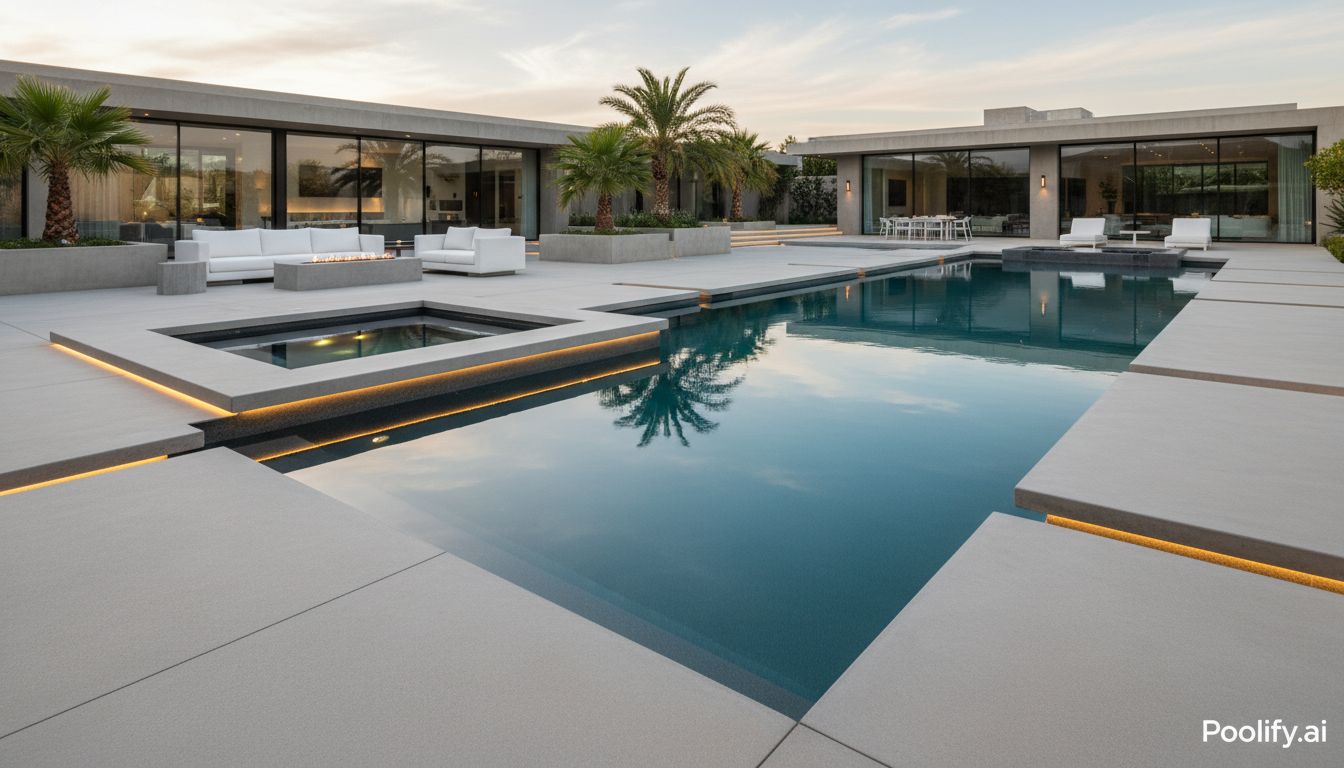
Concrete offers unparalleled versatility among pool coping ideas, allowing for custom shapes, colors, and finishes that match virtually any design vision. Modern concrete techniques have elevated this affordable material into a premium design element that rivals natural stone in appearance while offering unique customization possibilities.
Poured Concrete Coping
Poured or cast-in-place concrete remains one of the most budget-friendly pool coping ideas, but contemporary finishing techniques have transformed it into a design powerhouse. This method involves forming and pouring concrete directly around the pool perimeter, creating a seamless, continuous edge without visible joints. The concrete can be colored, stamped, or textured to mimic natural stone, wood, or custom patterns.
Modern concrete additives improve durability and reduce cracking, while integral color ensures the hue penetrates throughout the material rather than just coating the surface. Exposed aggregate finishes reveal decorative stones within the concrete matrix, creating texture and visual interest. Smooth-troweled finishes offer a clean, minimalist aesthetic perfect for contemporary designs. When properly sealed and maintained, poured concrete coping provides decades of service at a fraction of natural stone’s cost.
Precast Concrete Coping
Precast concrete units represent a middle ground among pool coping ideas, offering more design options than poured concrete while remaining more affordable than natural stone. These factory-manufactured pieces come in standard sizes and shapes, ensuring consistent quality and appearance. The controlled manufacturing environment allows for precise color matching and detailed edge profiles.
Bullnose, beveled, and square-edge profiles accommodate different aesthetic preferences, while textured surfaces improve traction. Some manufacturers offer precast units that convincingly replicate the appearance of natural stone, complete with realistic color variation and surface texture. Installation proceeds more quickly than poured concrete since the pieces arrive ready to set, reducing labor costs and project timelines.
Cantilevered Concrete Coping
Among the most modern pool coping ideas, cantilevered concrete creates a dramatic floating appearance where the coping extends beyond the pool wall without visible support. This technique produces clean, contemporary lines that emphasize horizontal planes and minimize visual clutter. The extended overhang provides a comfortable grip for swimmers while concealing the pool’s waterline tile.
Cantilevered designs work particularly well with vanishing edge or infinity pools, reinforcing the minimalist aesthetic. The technique requires careful engineering to ensure structural integrity, but the resulting appearance justifies the additional complexity. Smooth finishes and sharp edges characterize this style, making it ideal for modern architecture and urban settings.
Brick and Pavers: Classic Pool Coping Ideas
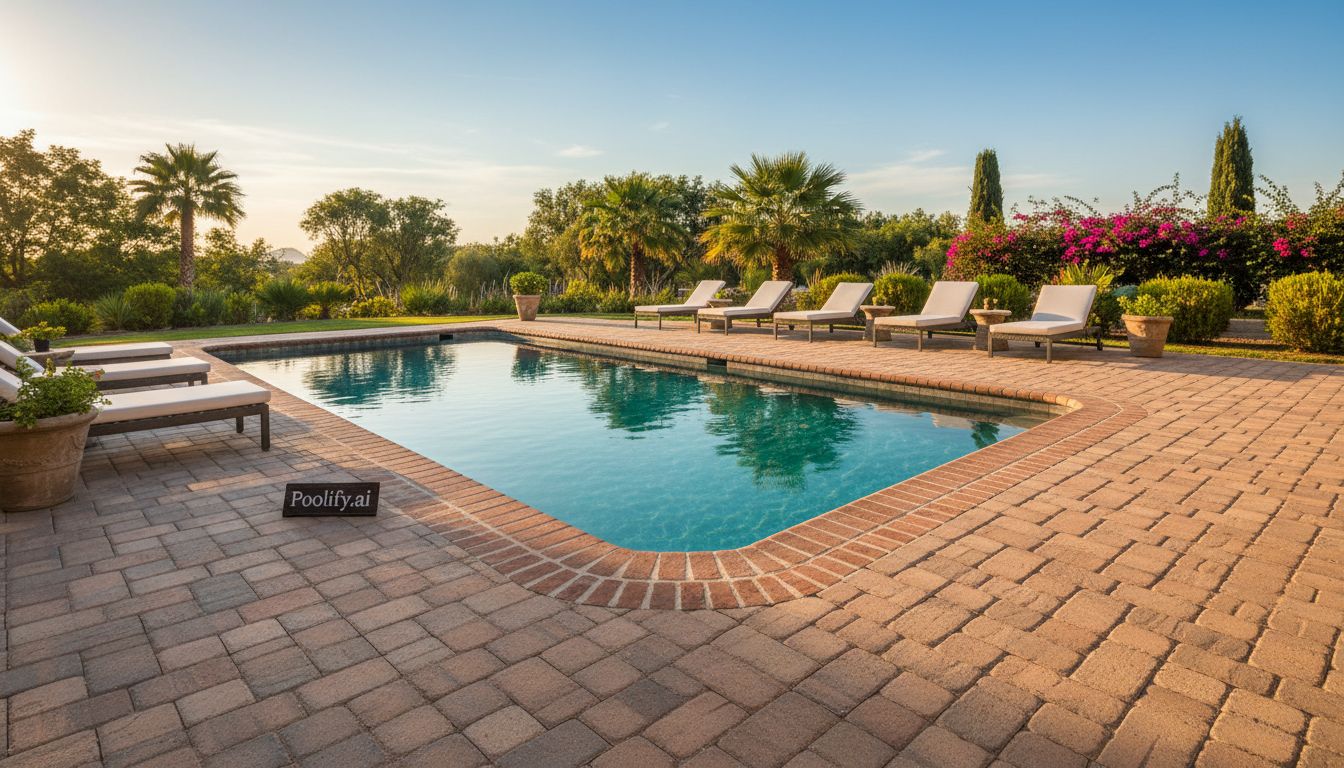
Brick and concrete pavers offer traditional charm and proven performance among pool coping ideas, particularly for homes with historical architecture or established landscaping. These modular units provide excellent flexibility for curved pool designs while maintaining classic appeal that never goes out of style.
Clay Brick Coping
Traditional clay brick represents one of the most enduring pool coping ideas, especially for colonial, Georgian, and traditional home styles. The warm, earthy tones of brick create inviting poolscapes that complement natural surroundings and traditional architecture. Brick’s modular nature allows it to follow curved pool edges smoothly, and its rough texture provides reliable traction.
Running bond, stack bond, and herringbone patterns offer visual variety, while bullnose brick units provide comfortable rounded edges. Modern brick manufacturing produces highly durable units that resist water absorption and freeze-thaw damage better than historical brick. When selecting brick for pool coping, specify SW-grade (severe weathering) units designed for exterior applications in wet environments. Maintaining your brick coping becomes easier when you follow proper pool maintenance tips that protect both water quality and surrounding materials.
Concrete Paver Coping
Concrete pavers have evolved into sophisticated pool coping ideas that rival natural materials in appearance while offering superior consistency and affordability. Modern manufacturing techniques produce pavers with realistic stone textures, varied color blends, and precise dimensions that simplify installation. Tumbled pavers mimic aged stone, while smooth-faced units suit contemporary designs.
The modular nature of pavers allows for creative patterns and easy replacement of individual units if damage occurs. Permeable pavers address drainage concerns, allowing water to filter through joints rather than pooling on the surface. Many manufacturers offer coordinating paver systems where coping units match deck pavers perfectly, creating seamless visual flow throughout the pool area.
Tile Pool Coping Ideas for Luxury Aesthetics
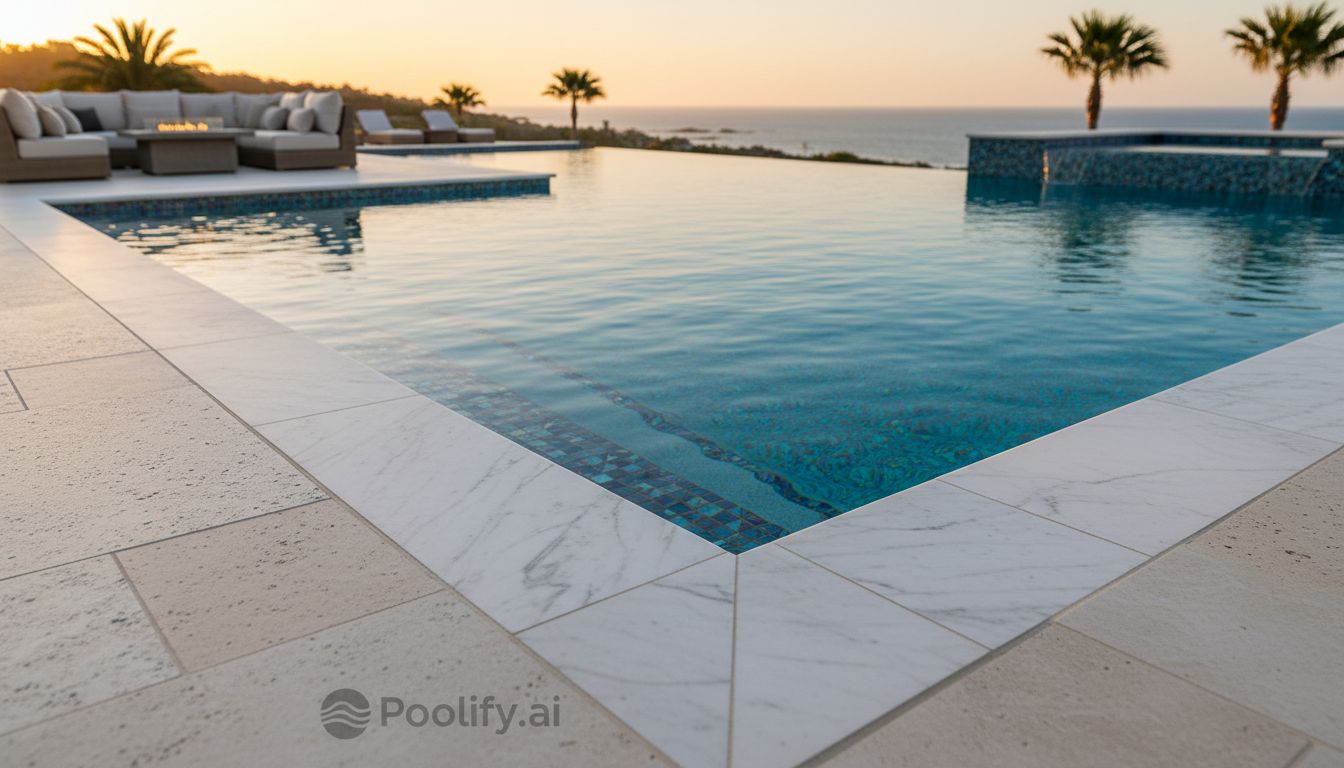
Tile coping brings resort-style luxury and unlimited design possibilities to residential pools. While requiring higher investment and specialized installation, tile pool coping ideas deliver unmatched visual impact and customization potential that transforms ordinary pools into extraordinary focal points.
Porcelain Tile Coping
Porcelain tile has emerged as one of the most versatile pool coping ideas in 2026, offering exceptional durability, stain resistance, and design flexibility. Modern porcelain tiles convincingly replicate natural stone, wood, and concrete appearances while providing superior performance characteristics. The material’s low porosity makes it highly resistant to water absorption, freeze-thaw damage, and chemical staining.
Large-format porcelain tiles minimize grout joints, creating cleaner lines and reducing maintenance. Textured surfaces provide slip resistance without compromising the tile’s refined appearance. Color consistency across production runs ensures perfect matching if future repairs or expansions become necessary. Porcelain’s hardness makes it scratch-resistant and capable of maintaining its appearance for decades with minimal maintenance.
Natural Stone Tile Coping
For homeowners seeking authentic natural beauty, stone tile represents premium pool coping ideas that showcase geological artistry. Slate, quartzite, and marble tiles bring unique color variations, natural texture, and organic elegance to pool edges. Each tile displays distinctive veining, mineral deposits, and color shifts that create one-of-a-kind installations.
Stone tiles require careful selection for pool applications, as some varieties are too porous or soft for wet environments. Slate’s natural cleft surface provides excellent traction, while its layered structure creates interesting shadow play. Quartzite combines marble’s beauty with granite’s durability, offering stunning aesthetics without excessive maintenance. Proper sealing protects stone tiles from staining and water damage while enhancing their natural colors.
Glass Tile Coping
Among the most luxurious pool coping ideas, glass tile creates luminous, jewel-like edges that capture and reflect light beautifully. Available in countless colors, sizes, and finishes, glass tile allows for creative mosaics, gradient effects, and custom artwork. The material’s non-porous surface resists staining, algae growth, and chemical damage while remaining easy to clean.
Glass tile’s reflective qualities enhance perceived water color and create visual depth. Iridescent and metallic finishes add glamour and sophistication, while frosted glass provides subtle elegance. The material works particularly well for accent bands, decorative borders, and contemporary designs where visual impact takes priority. While glass tile requires professional installation and careful handling, the stunning results justify the investment for luxury pool projects.
Alternative and Innovative Pool Coping Ideas
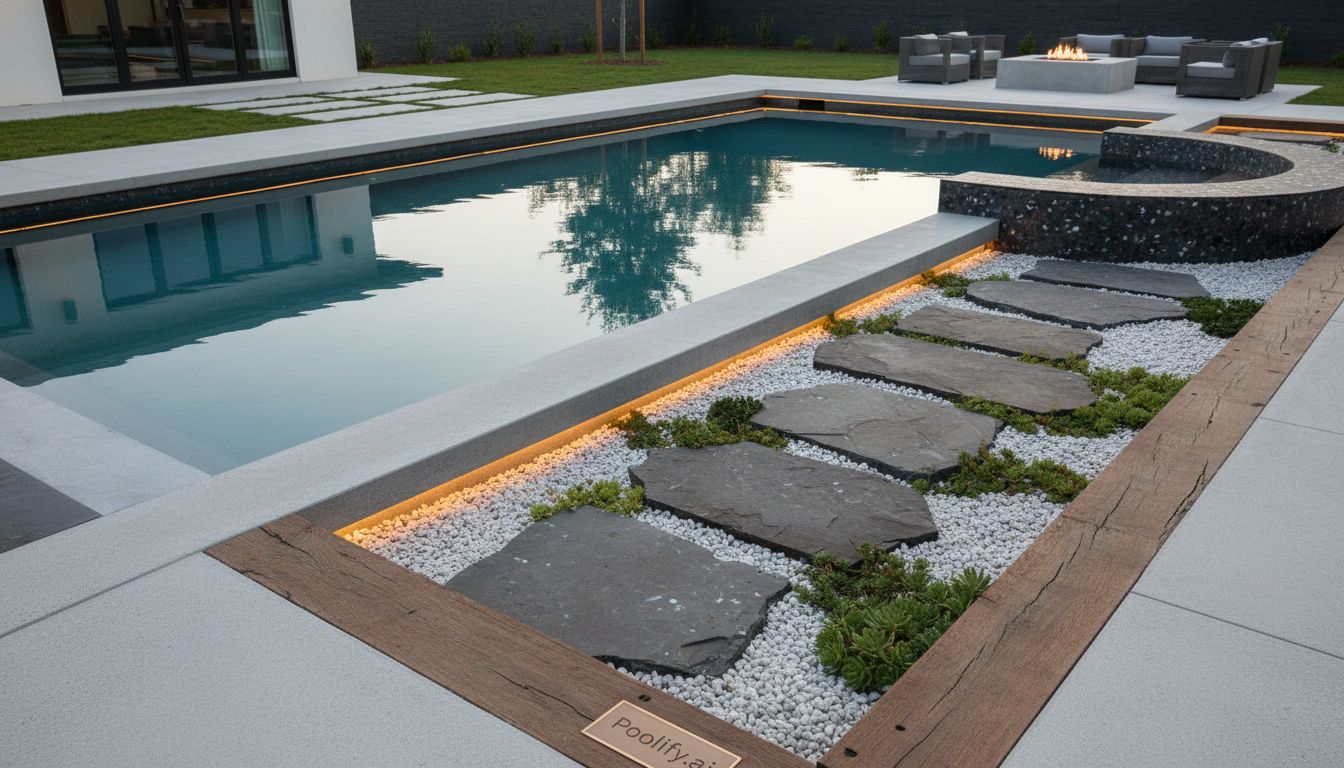
Beyond traditional materials, innovative pool coping ideas are emerging in 2026 that address specific performance requirements, sustainability goals, and unique aesthetic preferences. These alternatives expand design possibilities while solving common poolside challenges.
Composite and Engineered Materials
Engineered stone and composite materials represent cutting-edge pool coping ideas that combine natural minerals with advanced polymers. These products offer natural stone’s appearance with enhanced performance characteristics, including improved freeze-thaw resistance, reduced maintenance, and consistent quality. Composite materials resist staining, fading, and chemical damage while remaining cooler underfoot than many natural stones.
Some composite coping products incorporate recycled materials, appealing to environmentally conscious homeowners. The manufacturing process allows for precise color control and uniform dimensions that simplify installation. While relatively new to the market, these materials are gaining acceptance as their long-term performance becomes proven.
Wood and Wood-Alternative Coping
For pools integrated into natural settings or modern designs emphasizing organic materials, wood and wood-alternative pool coping ideas create warm, inviting edges. Tropical hardwoods like ipe and cumaru offer natural rot resistance and beautiful grain patterns, though they require regular maintenance to prevent weathering. Wood-plastic composites and modified wood products provide wood’s aesthetic appeal with reduced maintenance requirements.
These materials work particularly well for above-ground pools, rooftop pools, and designs where visual warmth takes priority. Proper installation with adequate drainage and ventilation prevents moisture damage and extends service life. Wood coping pairs beautifully with contemporary architecture and natural landscaping, creating seamless transitions between built and natural elements.
Pool Coping Installation and Maintenance Considerations
Even the best pool coping ideas require proper installation and ongoing maintenance to perform optimally and maintain their appearance. Understanding installation requirements and maintenance commitments helps ensure your investment delivers lasting value and beauty.
Professional Installation Essentials
Quality installation forms the foundation of successful pool coping performance. Professional installers ensure proper substrate preparation, adequate drainage, and correct mortar or adhesive selection for your specific coping material. The bond beam—the reinforced concrete structure that supports coping—must be level, properly cured, and free from defects before coping installation begins.
Expansion joints accommodate thermal movement and prevent cracking, particularly important for concrete and stone coping in regions with temperature extremes. Proper overhang dimensions ensure water drips into the pool rather than running down the pool face, preventing staining and deterioration. According to Portland Cement Association guidelines, concrete coping requires specific curing procedures to achieve optimal strength and durability.
Ongoing Maintenance Requirements
Different pool coping ideas demand varying maintenance levels to preserve their appearance and performance. Natural stone typically requires periodic sealing—every one to three years depending on the stone type and climate—to prevent water absorption and staining. Concrete coping benefits from sealing as well, which also enhances color and protects against chemical damage from pool water and cleaning products.
Regular cleaning with pH-neutral cleaners prevents buildup of minerals, algae, and dirt that can stain or deteriorate coping materials. Pressure washing effectively removes surface contamination but should be done carefully to avoid damaging grout joints or surface finishes. Inspect coping regularly for cracks, loose units, or deteriorating joints, addressing issues promptly before they worsen. Winter preparation in cold climates includes ensuring proper drainage to prevent freeze-thaw damage.
Cost Considerations for Pool Coping Ideas
Budget significantly influences which pool coping ideas are practical for your project. Understanding the cost spectrum helps set realistic expectations and guides material selection based on your financial parameters and long-term value priorities.
Poured concrete represents the most economical option, typically ranging from fifteen to thirty dollars per linear foot installed, depending on finish complexity. Precast concrete coping costs slightly more, generally twenty-five to forty dollars per linear foot. Brick and concrete pavers fall in the middle range at thirty to fifty dollars per linear foot, varying with pattern complexity and unit quality.
Natural stone pool coping ideas command premium prices reflecting the material’s inherent value and installation complexity. Travertine typically costs forty to seventy dollars per linear foot, while bluestone ranges from fifty to eighty dollars. Granite represents the upper end at sixty to one hundred dollars per linear foot or more for exotic colors and custom edge profiles.
Tile coping spans a wide price range depending on material type and design complexity. Porcelain tile coping starts around forty dollars per linear foot for basic installations, while natural stone tile ranges from sixty to one hundred dollars. Glass tile represents luxury pricing at eighty to one hundred fifty dollars per linear foot or higher for custom mosaics and intricate patterns.
When evaluating costs, consider long-term value rather than just initial investment. Durable materials requiring minimal maintenance may prove more economical over twenty or thirty years than cheaper options demanding frequent repairs or replacement. Factor in maintenance costs, expected lifespan, and how the coping affects overall property value when making your decision.
Frequently Asked Questions About Pool Coping Ideas
What is the most durable pool coping material?
Granite and porcelain tile rank among the most durable pool coping ideas, offering exceptional resistance to weathering, chemicals, and physical wear. Granite’s natural hardness and low porosity make it virtually indestructible, while porcelain’s manufacturing process creates a dense, non-porous material that withstands freeze-thaw cycles and chemical exposure. Both materials can last fifty years or more with minimal maintenance, making them excellent long-term investments despite higher initial costs.
Can I install pool coping myself, or should I hire a professional?
While experienced DIYers can successfully install some pool coping ideas like precast concrete units or pavers, professional installation is recommended for most materials and situations. Proper installation requires specialized knowledge of substrate preparation, mortar selection, expansion joint placement, and material-specific techniques. Incorrect installation can lead to premature failure, water damage, and safety hazards. Professional installers also carry insurance protecting you from liability. For complex materials like natural stone or tile, professional installation is essential to achieve proper results and protect your investment.
How do I choose pool coping that stays cool in hot climates?
For hot, sunny climates, select pool coping ideas featuring light colors and materials with low thermal mass. Travertine, light-colored concrete, and cream or white porcelain tile reflect sunlight rather than absorbing it, remaining significantly cooler than dark materials. Some manufacturers offer specialized “cool” pavers with reflective properties that reduce surface temperatures. Textured surfaces feel cooler than smooth ones because less skin surface contacts the material. Avoid dark granite, slate, and black or dark gray materials that can become uncomfortably hot in direct sunlight.
What pool coping works best with saltwater pools?
Saltwater pools require pool coping ideas that resist salt exposure and potential corrosion. Porcelain tile, granite, and properly sealed travertine perform excellently in saltwater environments. Avoid metals and materials with iron content that may stain or corrode. Ensure any mortar or grout used is specifically formulated for saltwater applications. Natural limestone and certain sandstones may be too porous for saltwater pools unless treated with high-quality sealers. Concrete coping works well if properly sealed and maintained, as salt can accelerate concrete deterioration if left unprotected.
How often should pool coping be replaced?
Well-installed, properly maintained pool coping can last twenty to fifty years or more depending on material quality and climate conditions. Concrete and natural stone pool coping ideas typically provide thirty to fifty years of service, while tile can last even longer. Brick coping may need repointing every fifteen to twenty years but the brick itself can last indefinitely. Signs that replacement is needed include extensive cracking, loose or shifting units, significant surface deterioration, or safety concerns from uneven surfaces. Regular maintenance and prompt repairs extend coping lifespan significantly, often delaying or eliminating the need for complete replacement.
Key Takeaways: Selecting the Perfect Pool Coping
- Function and safety come first: Pool coping ideas must prioritize structural integrity, water management, and slip resistance before aesthetic considerations, ensuring your pool edge performs reliably for decades.
- Material selection impacts long-term costs: While premium materials like granite and porcelain tile require higher initial investment, their durability and minimal maintenance often make them more economical than cheaper alternatives over the pool’s lifetime.
- Climate dictates appropriate materials: Your local weather patterns, particularly freeze-thaw cycles and temperature extremes, should guide material selection to ensure long-term performance and prevent premature deterioration.
- Professional installation protects your investment: Proper substrate preparation, mortar selection, and installation techniques significantly impact coping performance, making professional installation worthwhile for most pool coping ideas.
- Coordinate coping with overall design: The most successful pool coping ideas complement your home’s architecture, coordinate with deck materials, and create visual harmony throughout your outdoor living space rather than existing as isolated elements.
Conclusion: Creating Your Perfect Pool Edge in 2026
Selecting from the diverse array of pool coping ideas available in 2026 requires balancing aesthetic preferences, functional requirements, budget constraints, and long-term maintenance considerations. Whether you choose the timeless elegance of natural stone, the versatility of concrete, the traditional charm of brick, or the luxury of tile, your coping selection profoundly impacts your pool’s appearance, safety, and longevity.
The best pool coping ideas align with your home’s architectural style, complement your outdoor design vision, suit your local climate, and fit within your budget while meeting safety standards. Take time to view installed examples, request samples of materials you’re considering, and consult with experienced pool professionals who can guide you toward options that will perform beautifully for decades.
Remember that pool coping represents both a functional necessity and a design opportunity. This relatively small element frames your entire pool, influences the overall aesthetic of your backyard, and affects your daily pool experience. By carefully evaluating your options and prioritizing quality materials and professional installation, you’ll create a stunning pool edge that enhances your property value and provides enjoyment for years to come.
References
- Consumer Product Safety Commission – Pool Safely Campaign: https://www.cpsc.gov/Safety-Education/Safety-Education-Centers/Pool-Safely
- Portland Cement Association – Concrete Design and Production: https://www.cement.org/cement-concrete/concrete-design-production