

Introduction: Why You Need a Pool Cost Calculator in 2026
Installing a swimming pool represents one of the most significant investments you’ll make in your property. With construction costs continuing to fluctuate in 2026, using a pool cost calculator has become essential for homeowners planning this major project. A reliable pool cost calculator helps you estimate expenses accurately, compare different pool types, and make informed decisions before breaking ground. Whether you’re dreaming of an inground oasis or considering an above-ground option, understanding the true costs upfront prevents budget overruns and ensures your project stays on track from concept to completion.
The pool industry has evolved considerably, with material costs, labor rates, and equipment prices shifting based on market conditions. A comprehensive pool cost calculator accounts for these variables while helping you navigate the complex pricing landscape. This guide will walk you through everything you need to know about using these calculators effectively, understanding what factors influence your final price, and planning a realistic budget for your 2026 pool project.
Understanding How a Pool Cost Calculator Works
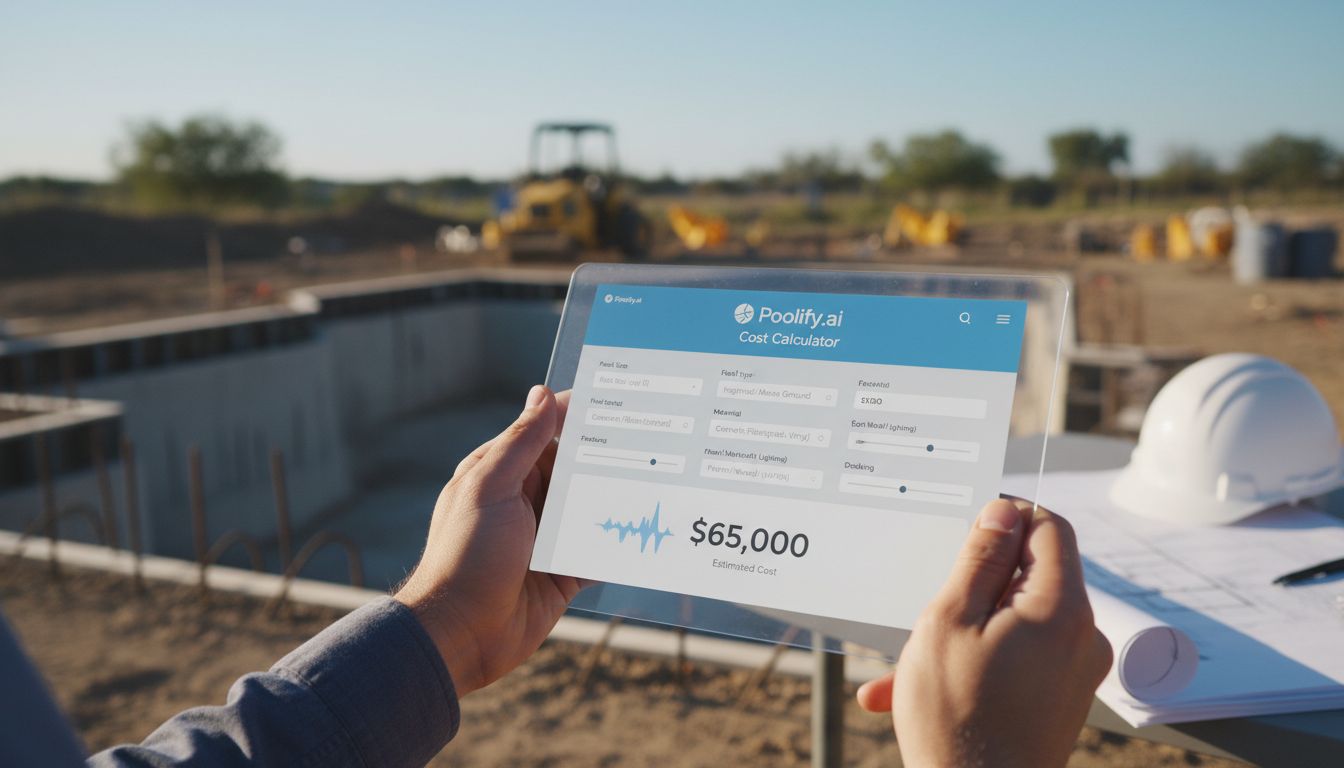
A pool cost calculator functions as a sophisticated estimating tool that considers multiple variables to provide accurate pricing projections. These digital tools have become increasingly refined, incorporating real-time data about material costs, regional labor rates, and current market conditions. When you input your project specifications, the calculator processes this information against established pricing algorithms to generate a comprehensive cost estimate.
Most quality pool cost calculators require you to specify fundamental details like pool type, size dimensions, depth preferences, and desired features. The calculator then breaks down expenses into categories including excavation, materials, labor, equipment, and finishing touches. Advanced calculators even factor in your geographic location, as construction costs vary significantly across different regions. According to the U.S. Census Bureau’s construction data, regional price variations can affect total project costs by 20-40 percent.
The accuracy of your pool cost calculator results depends heavily on the quality of information you provide. Vague inputs produce general estimates, while detailed specifications yield precise projections. Understanding this relationship helps you maximize the calculator’s value and develop a realistic financial plan for your swimming pool installation.
Key Variables That Influence Calculator Results
Several critical factors affect what your pool cost calculator will estimate. Pool type ranks as the primary determinant—inground pools typically cost $35,000 to $100,000 or more, while above-ground options range from $2,500 to $15,000. Material selection matters significantly, with concrete pools commanding premium prices compared to fiberglass or vinyl liner alternatives.
Size and shape complexity also drive costs substantially. A simple rectangular pool requires less excavation and fewer materials than a freeform design with multiple depth levels. Custom features like waterfalls, slides, integrated spas, and lighting systems add considerable expense. Your pool cost calculator should account for each enhancement individually to provide accurate totals.
Site conditions represent another crucial variable. Properties with challenging terrain, poor soil quality, or limited access for equipment require additional labor and specialized techniques. Smart homeowners use their pool cost calculator to model different scenarios, comparing basic installations against feature-rich designs to find their ideal balance between dreams and budget.
Types of Pools and Their Cost Implications
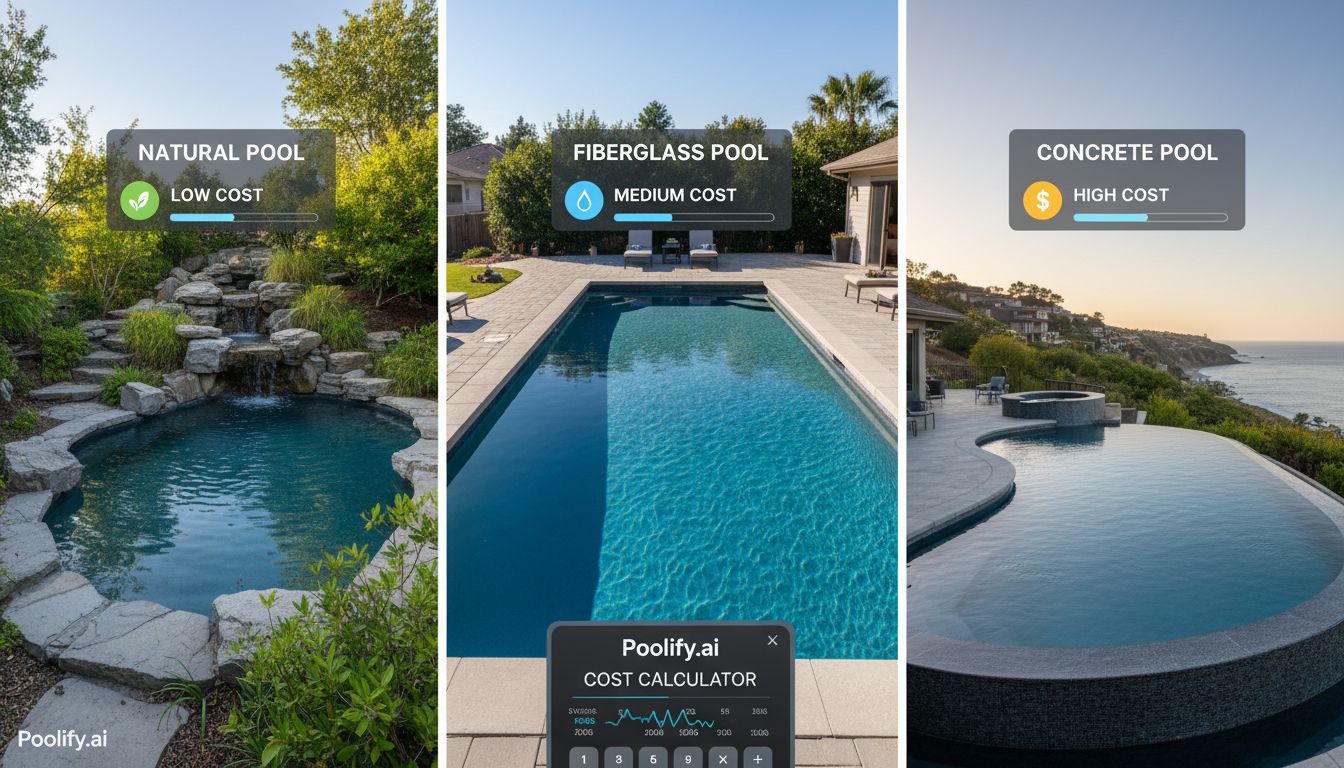
When using a pool cost calculator, understanding the fundamental differences between pool types helps you make informed selections. Each category carries distinct advantages, limitations, and price points that significantly impact your overall investment. The three primary pool types—concrete, fiberglass, and vinyl liner—each occupy different positions on the cost spectrum.
Concrete Pools: Premium Customization
Concrete pools, including gunite and shotcrete varieties, represent the high end of pool construction. Your pool cost calculator will typically show estimates ranging from $50,000 to $150,000 for concrete installations. These pools offer unlimited customization potential, allowing you to create any shape, size, or depth configuration imaginable. The construction process takes longer, usually 8-12 weeks, but delivers exceptional durability and longevity.
The higher initial investment in concrete pools often proves worthwhile for homeowners seeking distinctive designs or unique features. These pools handle custom depths exceptionally well, making them ideal for diving areas or beach entries. However, concrete requires more intensive maintenance, including regular resurfacing every 10-15 years, which your pool cost calculator should factor into long-term ownership expenses.
Fiberglass Pools: Quick Installation
Fiberglass pools occupy the middle ground in most pool cost calculator estimates, typically ranging from $40,000 to $85,000. These pre-manufactured shells arrive at your property ready for installation, dramatically reducing construction time to just 2-4 weeks. The smooth, non-porous surface resists algae growth naturally, reducing chemical needs and maintenance time.
While fiberglass pools limit your shape and size options to available molds, manufacturers now offer extensive catalogs with dozens of designs. The lower lifetime maintenance costs make fiberglass an economically smart choice for many homeowners. When comparing options in your pool cost calculator, remember to include the long-term savings from reduced chemical usage and eliminated resurfacing needs.
Vinyl Liner Pools: Budget-Friendly Option
Vinyl liner pools consistently show the lowest initial costs in any pool cost calculator, ranging from $25,000 to $50,000 for inground versions. These pools use a flexible liner installed over a structural frame, offering reasonable customization at accessible prices. Installation typically takes 4-6 weeks, positioning vinyl as a middle option for construction speed.
The trade-off comes in liner longevity—you’ll need replacement every 7-10 years at costs of $3,000 to $5,000. Your pool cost calculator should account for this recurring expense when projecting total ownership costs. Despite this limitation, vinyl liner pools remain popular among budget-conscious homeowners who want inground quality without premium pricing.
Essential Features That Affect Pool Cost Calculator Estimates
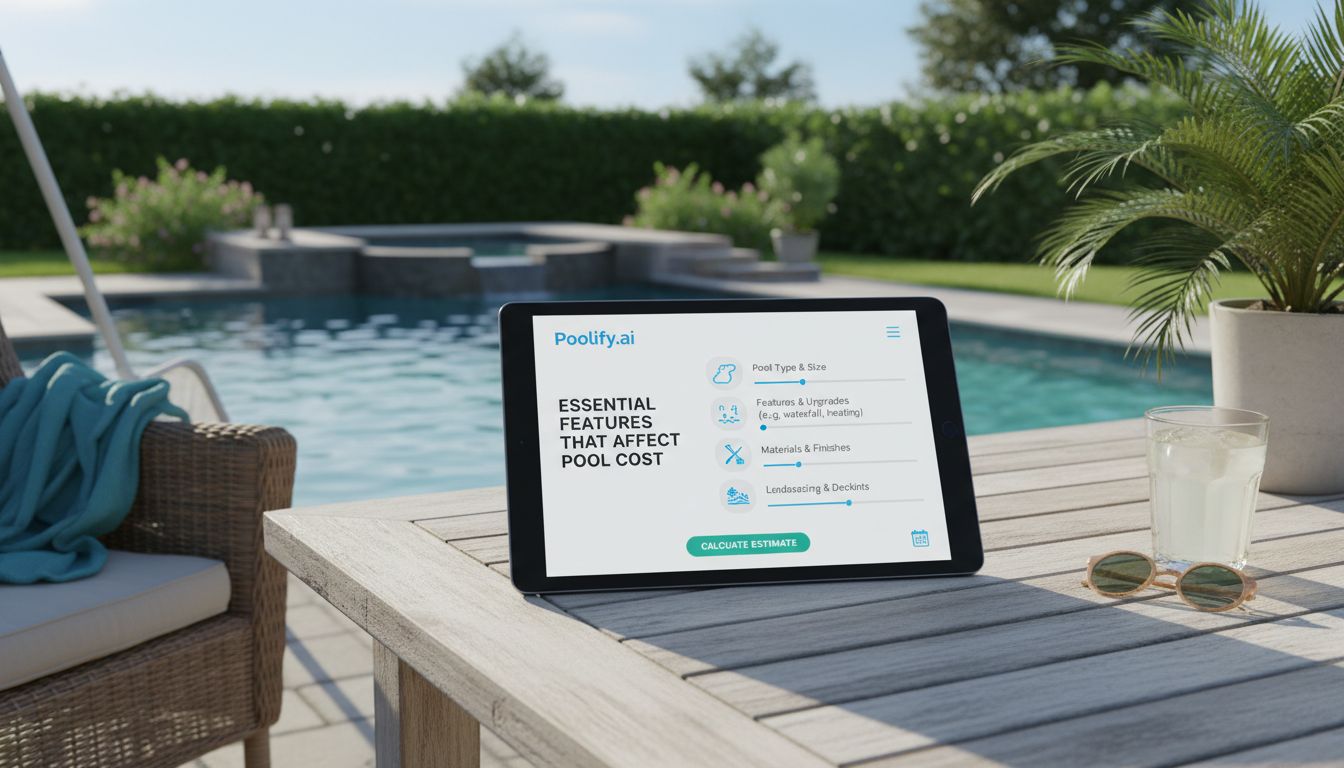
Beyond basic pool construction, additional features and equipment significantly influence your pool cost calculator totals. Understanding these elements helps you prioritize investments and allocate your budget strategically. Each enhancement serves specific purposes, from improving functionality to elevating aesthetic appeal.
Heating and Climate Control Systems
Pool heating extends your swimming season considerably, making it a popular addition in most regions. Your pool cost calculator should include heating options ranging from $2,000 for basic solar systems to $5,000 for gas heaters and $4,000-$7,000 for efficient heat pumps. The U.S. Department of Energy notes that heat pumps offer the best efficiency for moderate climates, while gas heaters excel in colder regions requiring rapid heating.
Operating costs vary dramatically between heating types. Solar heating costs virtually nothing to run but depends on adequate sunlight. Gas heaters provide quick warming but carry higher monthly expenses. Heat pumps balance efficiency and performance, making them increasingly popular in 2026 as energy consciousness grows among homeowners.
Filtration and Sanitation Equipment
Quality filtration systems form the foundation of pool maintenance, and your pool cost calculator must account for these critical components. Standard sand filters cost $300-$500, cartridge filters range from $500-$1,200, and premium DE (diatomaceous earth) filters run $600-$1,500. Modern saltwater chlorination systems add $1,500-$2,500 but reduce ongoing chemical costs substantially.
Advanced sanitation options like UV sterilizers ($500-$1,500) and ozone generators ($800-$2,500) provide enhanced water quality with reduced chemical dependence. When evaluating these options in your pool cost calculator, consider both upfront investment and long-term operational savings. Many homeowners find that premium filtration pays dividends through cleaner water and lower maintenance demands.
Aesthetic and Recreational Features
Decorative elements transform functional pools into backyard retreats. Waterfalls typically add $1,500-$5,000 to your pool cost calculator estimate, while rock grottos can exceed $10,000. LED lighting systems range from $700-$2,000, creating dramatic nighttime ambiance. Slides vary from $1,000 for simple models to $10,000+ for elaborate designs.
Integrated spas represent substantial additions, adding $6,000-$15,000 to your project. Automatic pool covers enhance safety and reduce heating costs but increase your pool cost calculator total by $5,000-$15,000. Prioritize features that align with your lifestyle—families with children might emphasize slides and shallow areas, while couples may prefer spa integration and sophisticated lighting.
Hidden Costs Your Pool Cost Calculator Must Include
Many homeowners experience budget shock when hidden expenses emerge during pool construction. A comprehensive pool cost calculator accounts for these often-overlooked costs, ensuring your financial planning remains realistic and complete. Understanding these additional expenses prevents mid-project surprises that could derail your timeline or force unwanted compromises.
Site Preparation and Permits
Before construction begins, site preparation costs can add $1,500-$5,000 to your pool cost calculator estimate. This includes clearing vegetation, addressing drainage issues, and ensuring adequate access for heavy equipment. Properties with slopes, rocky soil, or mature trees near the construction zone face higher preparation expenses that must be factored into initial budgets.
Permit fees and inspections vary by municipality but typically range from $500-$2,000. Some jurisdictions require engineering reports for pools, adding another $500-$1,500. Your pool cost calculator should include a line item for regulatory compliance, as construction cannot legally proceed without proper permits. Homeowners associations may impose additional requirements or fees that affect your total investment.
Utility Connections and Electrical Work
Connecting your pool equipment requires professional electrical work, typically costing $1,000-$3,000 depending on distance from your main panel and local code requirements. Dedicated circuits, GFCI protection, and proper grounding ensure safe operation. Some properties need panel upgrades to handle the additional electrical load, potentially adding $1,500-$3,000 to your pool cost calculator total.
Water filling costs vary by region and pool size. Expect to pay $100-$300 for municipal water to fill a standard residential pool. Properties using well water might need water delivery services, increasing costs to $500-$1,200. Your pool cost calculator should account for this initial fill, though it’s a one-time expense that many homeowners overlook during planning.
Landscaping and Decking
The pool itself represents only part of your backyard transformation. Decking and patio surfaces surrounding the pool typically cost $3,000-$12,000 depending on materials and square footage. Concrete offers affordability at $6-$12 per square foot, while natural stone commands $15-$30 per square foot. Your pool cost calculator should allocate adequate budget for these essential surfaces that define your pool area’s functionality and appearance.
Landscaping enhancements including plants, privacy screens, and decorative elements add another $2,000-$10,000. Fencing requirements for safety compliance cost $1,500-$5,000 depending on perimeter length and material choices. These investments create the complete outdoor environment that makes your pool truly enjoyable, so ensure your pool cost calculator reflects these important finishing touches.
How to Use a Pool Cost Calculator Effectively in 2026
Maximizing the value of your pool cost calculator requires strategic approach and thorough preparation. Following best practices ensures you receive accurate estimates that truly reflect your project’s scope and complexity. These techniques help you avoid common pitfalls that lead to budget overruns and project delays.
Gather Detailed Measurements and Specifications
Before engaging with a pool cost calculator, measure your available space accurately. Document property dimensions, noting any slopes, obstacles, or features that might affect construction. Photograph the proposed pool area from multiple angles, capturing context that helps contractors provide precise quotes. The more specific your inputs, the more reliable your pool cost calculator results become.
Research pool sizes that fit your space and needs appropriately. Standard residential pools range from 12×24 feet to 20×40 feet, with depths between 3.5 and 8 feet. Consider how you’ll use the pool—lap swimming requires different dimensions than recreational family use. Input these specifications into your pool cost calculator to see how size adjustments affect overall costs, helping you find the optimal balance.
Compare Multiple Calculator Results
Different pool cost calculators use varying algorithms and data sources, producing somewhat different estimates. Use at least three separate calculators to establish a realistic price range for your project. This approach reveals the consensus middle ground while highlighting potential outliers. If one pool cost calculator shows dramatically different results, investigate the underlying assumptions to understand the discrepancy.
Document results from each pool cost calculator in a spreadsheet, noting which features and specifications you included. This organized approach facilitates meaningful comparisons and helps you communicate clearly with contractors. When discussing your project with pool builders, reference your pool cost calculator research to demonstrate preparation and establish realistic expectations from the initial conversation.
Factor in Regional and Seasonal Variations
Pool construction costs fluctuate based on location and timing. A pool cost calculator that accounts for your specific region provides more accurate estimates than generic national averages. Urban areas typically show higher labor costs than rural regions, while material availability affects pricing in remote locations. Verify that your chosen pool cost calculator incorporates geographic factors relevant to your property.
Seasonal timing influences both availability and pricing. Many contractors offer better rates during off-peak seasons when demand decreases. Using your pool cost calculator to model different construction timelines might reveal opportunities for savings. However, balance cost considerations against your desired completion date—waiting for off-season pricing means delaying your pool enjoyment.
Long-Term Ownership Costs Beyond Initial Installation
A truly comprehensive pool cost calculator extends beyond construction expenses to include ongoing ownership costs. Understanding these recurring expenses helps you budget realistically for pool ownership and avoid financial strain after installation completes. Smart planning accounts for both immediate construction investment and long-term operational requirements.
Annual Maintenance and Chemical Costs
Regular pool maintenance represents a significant ongoing expense that your pool cost calculator should project. Annual chemical costs typically range from $300-$800 depending on pool size, usage patterns, and water chemistry challenges. Professional maintenance services cost $80-$150 monthly if you prefer expert care over DIY management. These recurring expenses accumulate substantially over your pool’s lifetime.
Equipment repairs and replacements occur periodically throughout pool ownership. Pump replacements cost $400-$800 every 8-10 years, while heater replacements run $2,000-$5,000 every 10-15 years. Filter media requires replacement every 3-5 years at costs of $50-$400 depending on type. A forward-thinking pool cost calculator includes these predictable expenses in total ownership projections, helping you understand the complete financial commitment.
Utility and Operating Expenses
Pool operation increases your utility bills through pump operation, heating costs, and water consumption. Pump operation typically adds $30-$100 monthly to electricity costs depending on efficiency and run times. Heated pools consume considerably more energy, with gas heating adding $100-$400 monthly during active use. Your pool cost calculator should estimate these ongoing operational expenses based on your climate and intended usage patterns.
Water loss from evaporation and splash-out requires periodic refilling, adding $10-$30 monthly to water bills. Drought-prone regions face higher replacement costs and potential restrictions. Energy-efficient equipment and pool covers significantly reduce these operational expenses, making them worthwhile investments that your pool cost calculator should highlight for long-term savings.
Insurance and Property Tax Implications
Pool installation affects homeowners insurance premiums, typically increasing annual costs by $50-$200. Some insurers require additional liability coverage, especially for pools without safety fencing. Contact your insurance provider before construction to understand how pool addition affects your premiums and coverage requirements. This information belongs in your comprehensive pool cost calculator analysis.
Pools increase property value and, consequently, property tax assessments. Expect annual property taxes to rise by $200-$600 depending on your pool’s value and local tax rates. While this increased assessment reflects enhanced property value, it represents an ongoing cost that affects total ownership expenses. A thorough pool cost calculator accounts for these financial implications beyond the construction phase.
Maximizing Value: Getting Accurate Quotes from Contractors
After using a pool cost calculator to establish baseline expectations, obtaining detailed contractor quotes represents the next crucial step. Professional estimates provide project-specific pricing that accounts for your unique property conditions and local market factors. The relationship between calculator estimates and contractor quotes helps you evaluate fairness and identify potential issues.
Preparing for Contractor Consultations
Approach contractor meetings armed with your pool cost calculator research and clearly defined project goals. Share your budget range honestly, allowing contractors to suggest options that fit your financial parameters. Prepare a list of must-have features versus nice-to-have additions, giving contractors flexibility to optimize value within your constraints. This preparation demonstrates seriousness and helps contractors provide relevant recommendations.
Request itemized quotes that break down costs by category—excavation, materials, labor, equipment, and features. This detailed format allows meaningful comparison between contractors and reveals where pricing differences occur. Compare contractor quotes against your pool cost calculator estimates to identify significant discrepancies requiring explanation. Large variations might indicate different scope interpretations or reveal hidden costs your calculator missed.
Questions to Ask Pool Contractors
Verify contractor credentials including licensing, insurance, and references from recent projects. Ask how their pricing compares to your pool cost calculator estimates and request explanations for major differences. Inquire about payment schedules, typical timelines, and how they handle unexpected site conditions. Understanding warranty coverage for materials and workmanship protects your investment beyond initial construction.
Discuss potential cost-saving opportunities without compromising quality. Contractors often suggest value engineering approaches that reduce expenses while maintaining functionality. Ask about off-season discounts, package deals on features, or alternative materials that deliver similar results at lower costs. These conversations help you maximize value while staying within the budget your pool cost calculator helped establish.
For more guidance on planning your pool project, explore our comprehensive pool planning guide that covers design considerations and timeline expectations.
Common Pool Cost Calculator Mistakes to Avoid
Even with sophisticated tools, homeowners frequently make errors when using a pool cost calculator that lead to budget problems. Understanding these common pitfalls helps you avoid costly mistakes and develop realistic financial plans. Learning from others’ experiences prevents disappointment and ensures your project proceeds smoothly from planning through completion.
Underestimating Total Project Scope
Many homeowners focus exclusively on pool construction costs while neglecting essential complementary expenses. Your pool cost calculator must include decking, fencing, landscaping, and equipment beyond the basic pool shell. Failing to account for these elements leaves your project incomplete or forces budget-stretching additions later. Comprehensive planning from the outset prevents this frustrating scenario.
Site-specific challenges often exceed initial estimates when problems emerge during excavation. Rocky soil, high water tables, or unexpected utility lines can add thousands to your pool cost calculator projections. Building a 10-15 percent contingency into your budget accommodates these surprises without derailing your project. Experienced contractors can assess potential complications during site visits, helping you refine your pool cost calculator estimates.
Focusing Only on Initial Costs
Choosing the cheapest construction option without considering long-term expenses often proves penny-wise but pound-foolish. Your pool cost calculator should weigh lifetime ownership costs against initial savings. A vinyl liner pool costs less initially but requires liner replacement every decade. Concrete pools demand higher upfront investment but offer superior longevity with proper maintenance.
Energy-efficient equipment costs more initially but delivers substantial savings over time. Variable-speed pumps add $800-$1,500 to your pool cost calculator total but reduce electricity costs by 50-75 percent annually. LED lighting costs more than incandescent but lasts longer and uses less energy. These investments pay dividends throughout ownership, making them smart choices despite higher initial prices.
Neglecting to Validate Calculator Assumptions
Generic pool cost calculators use average pricing that may not reflect your local market conditions. Labor rates, material costs, and permit fees vary significantly by region. Verify that your chosen pool cost calculator incorporates location-specific data or adjust results based on local contractor feedback. This validation ensures estimates align with realistic market pricing in your area.
Calculator algorithms make assumptions about construction methods, material grades, and feature specifications. Review these assumptions carefully to ensure they match your actual project plans. A pool cost calculator estimating basic concrete might not account for premium finishes or custom tile work you envision. Clarifying these details produces accurate projections that truly reflect your desired outcome.
Financing Options for Your Pool Project
After your pool cost calculator establishes the investment required, exploring financing options helps make your dream pool achievable. Various financing methods offer different advantages depending on your financial situation and preferences. Understanding these options empowers you to choose the approach that best fits your circumstances while minimizing long-term costs.
Home Equity Loans and Lines of Credit
Home equity financing leverages your property’s value to fund pool construction at favorable interest rates. Home equity loans provide lump sums with fixed rates, ideal when your pool cost calculator shows a specific total investment. Home equity lines of credit (HELOCs) offer flexibility to draw funds as needed during construction, paying interest only on amounts used. Both options typically offer better rates than unsecured loans.
Tax deductibility of interest payments makes home equity financing particularly attractive, though recent tax law changes have modified these benefits. Consult a tax professional to understand current deduction eligibility. These financing methods work well for homeowners with substantial equity and stable income, providing affordable access to the funds your pool cost calculator indicates you’ll need.
Personal Loans and Pool-Specific Financing
Unsecured personal loans avoid using your home as collateral but typically carry higher interest rates. These loans suit homeowners who prefer not to tap home equity or lack sufficient equity for home-based financing. Many pool contractors partner with lenders offering specialized pool financing with competitive rates and streamlined approval processes tailored to construction projects.
Pool-specific financing often includes promotional periods with reduced or deferred interest, making them attractive for qualified borrowers. Review terms carefully, as promotional rates typically revert to higher standard rates after initial periods. Calculate total interest costs using your pool cost calculator figures to compare financing options accurately. Choose terms that fit comfortably within your monthly budget while minimizing overall interest payments.
Cash Payment and Phased Construction
Paying cash eliminates interest costs and provides negotiating leverage with contractors. If your pool cost calculator shows a total within reach of your savings, cash payment maximizes value. However, depleting emergency funds for pool construction creates financial vulnerability. Maintain adequate reserves for unexpected expenses while pursuing your pool project.
Phased construction spreads costs over time, allowing you to pay cash while building incrementally. Install the basic pool initially, then add features like heating, lighting, or landscaping in subsequent years as budget allows. Your pool cost calculator can model different phase scenarios, helping you prioritize elements and create a realistic multi-year plan. This approach requires patience but avoids debt while ultimately delivering your complete vision.
Learn more about budgeting for pool ownership in our detailed pool maintenance costs guide that breaks down ongoing expenses.
Frequently Asked Questions About Pool Cost Calculators
How accurate are online pool cost calculators?
Online pool cost calculators typically provide estimates within 15-25 percent of actual costs when used properly. Accuracy depends on the quality of information you input and how well the calculator accounts for regional variations. Use calculators as starting points for budgeting, then obtain detailed contractor quotes for precise pricing. The best calculators incorporate location-specific data and allow detailed customization of features and specifications.
What’s the average cost difference between pool types?
According to most pool cost calculators, vinyl liner pools average $25,000-$50,000, fiberglass pools range $40,000-$85,000, and concrete pools cost $50,000-$150,000 for standard residential installations. These ranges vary significantly based on size, features, and location. Your specific circumstances might place you outside these averages, which is why using a pool cost calculator with your exact specifications provides more relevant estimates than industry averages.
Should I include landscaping in my pool cost calculator?
Absolutely. Comprehensive pool cost calculators include all project elements—pool construction, decking, fencing, landscaping, and equipment. Neglecting these complementary expenses creates unrealistic budgets that don’t reflect true project costs. Allocate at least 20-30 percent of your pool construction budget for surrounding improvements. These elements integrate your pool into your landscape and ensure a finished, functional outdoor space.
How much should I budget beyond my pool cost calculator estimate?
Financial advisors recommend adding a 10-15 percent contingency to your pool cost calculator total for unexpected expenses. Site conditions, permit requirements, or design modifications during construction often increase costs beyond initial estimates. This buffer prevents budget crises when surprises occur. If your project completes under budget, you’ll have funds available for additional features or landscaping enhancements.
Can I save money by doing some pool work myself?
While DIY work can reduce costs, pool construction requires specialized skills and equipment. Most jurisdictions require licensed contractors for major pool work due to safety and liability concerns. You can potentially handle landscaping, simple decking, or finishing touches yourself, saving 10-20 percent on these specific elements. Consult your pool cost calculator to identify which tasks offer meaningful savings without compromising quality or safety.
Key Takeaways: Using Pool Cost Calculators Effectively
- Start with comprehensive research: Use multiple pool cost calculators to establish realistic price ranges, accounting for all project elements including construction, equipment, landscaping, and permits. Detailed inputs produce more accurate estimates that prevent budget surprises.
- Understand pool type implications: Concrete pools offer maximum customization at premium prices, fiberglass provides quick installation with moderate costs, and vinyl liner delivers budget-friendly entry points with recurring replacement needs. Choose based on your priorities and long-term ownership plans.
- Account for hidden and ongoing costs: Beyond construction, factor site preparation, permits, utility connections, and landscaping into your pool cost calculator totals. Include long-term expenses like maintenance, chemicals, utilities, and insurance in comprehensive ownership projections.
- Validate calculator results with professionals: After establishing baseline expectations with pool cost calculators, obtain detailed quotes from licensed contractors. Compare professional estimates against calculator results to identify discrepancies and refine your budget accordingly.
- Plan financing strategically: Explore home equity loans, personal financing, or cash payment options based on your financial situation. Build contingency funds of 10-15 percent beyond your pool cost calculator estimates to accommodate unexpected expenses without derailing your project.
Conclusion: Building Your Dream Pool with Confidence
A pool cost calculator serves as your essential planning companion for navigating the complex financial landscape of pool ownership in 2026. These sophisticated tools transform vague aspirations into concrete budgets, helping you understand true project costs before committing to construction. By accounting for pool type, features, site conditions, and regional factors, a quality pool cost calculator provides the foundation for informed decision-making.
Success in pool planning requires looking beyond initial construction costs to embrace comprehensive ownership expenses. The most valuable pool cost calculator insights combine immediate investment requirements with long-term operational projections, revealing the complete financial picture. This holistic perspective prevents buyer’s remorse and ensures your pool enhances your lifestyle without creating financial strain.
Remember that pool cost calculators provide estimates, not guarantees. Use these tools to establish realistic expectations, then work with qualified contractors who can assess your specific property and deliver accurate quotes. The combination of calculator research and professional expertise positions you for successful project completion within budget and on schedule.
Your dream pool awaits, and proper planning using a reliable pool cost calculator makes that dream achievable. Take time to explore different options, understand cost drivers, and develop a comprehensive budget that accounts for every aspect of pool ownership. With thorough preparation and realistic expectations, you’ll soon enjoy the backyard oasis you’ve envisioned, confident that your investment delivers lasting value and enjoyment for years to come.
For additional insights on creating your perfect backyard retreat, visit our pool design ideas collection for inspiration and practical planning tips.
References
U.S. Census Bureau – New Residential Construction Data: https://www.census.gov/construction/nrc/index.html
U.S. Department of Energy – Swimming Pool Heating: https://www.energy.gov/energysaver/swimming-pool-heating