
Introduction: Why a Pool Equipment Upgrade Matters in 2026
A pool equipment upgrade represents one of the smartest investments you can make for your backyard oasis. Whether you’re dealing with aging components, skyrocketing energy bills, or simply want to embrace modern pool technology, upgrading your pool equipment delivers tangible benefits that extend far beyond aesthetics. In 2026, homeowners have access to energy-efficient pumps, smart automation systems, and eco-friendly sanitization options that weren’t available just a few years ago. This comprehensive guide walks you through everything you need to know about planning and executing a successful pool equipment upgrade that saves money, reduces maintenance headaches, and enhances your swimming experience.
Understanding When You Need a Pool Equipment Upgrade
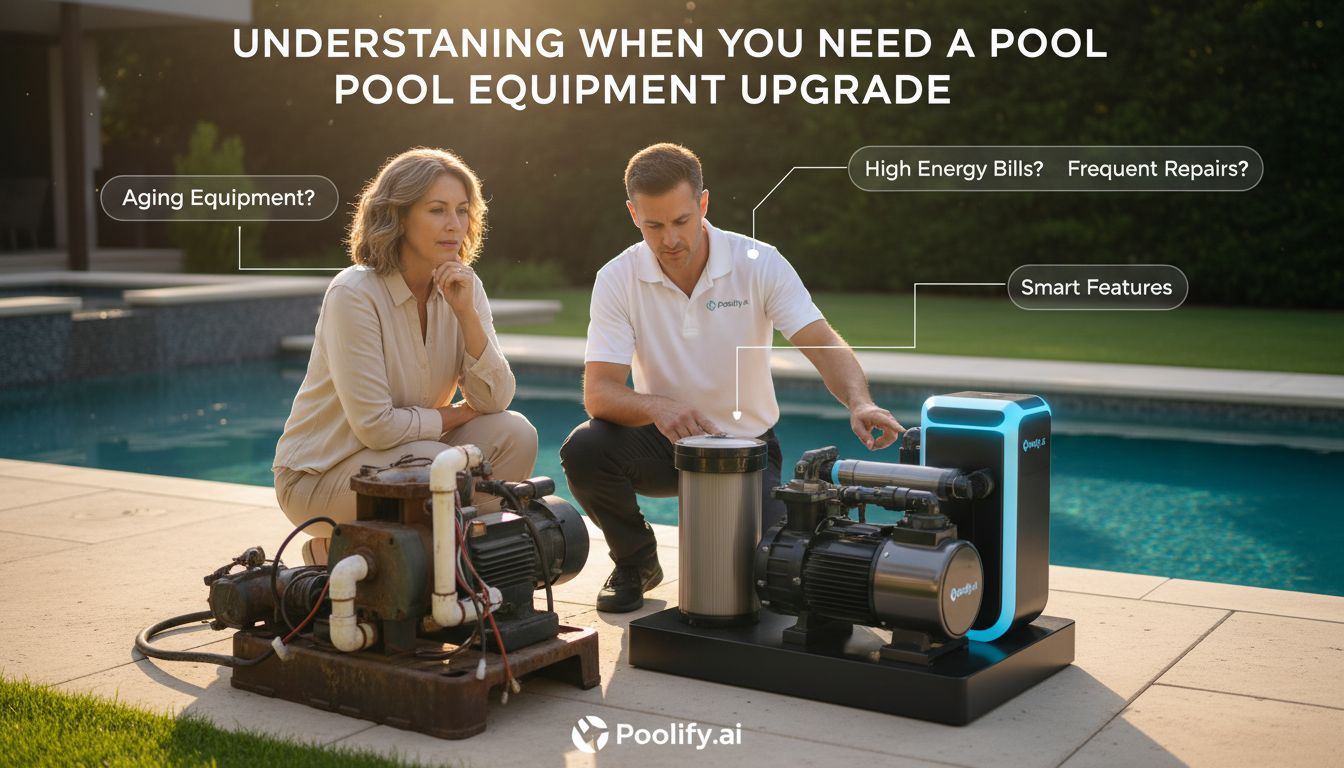
Knowing when to invest in a pool equipment upgrade requires careful assessment of your current system’s performance and age. Most pool equipment has a finite lifespan, and recognizing the warning signs early can prevent costly emergency repairs or total system failures during peak swimming season.
Common Signs Your Pool Equipment Needs Upgrading
Your pool pump making unusual grinding noises or struggling to maintain proper circulation indicates it’s time for a pool equipment upgrade. Similarly, if your heater takes longer to warm the water or cycles on and off frequently, replacement becomes more cost-effective than continued repairs. According to the U.S. Department of Energy, pool pumps older than 10 years consume significantly more electricity than modern variable-speed alternatives, making an upgrade financially prudent.
Frequent filter cleaning, cloudy water despite proper chemical balance, and rising energy bills all signal that your equipment is working harder but accomplishing less. Corrosion, rust, or visible cracks in equipment housings compromise safety and efficiency. If you’re constantly calling technicians for repairs, the cumulative maintenance costs often exceed the investment in new equipment.
Age-Based Replacement Guidelines
Different pool components have varying lifespans that should guide your pool equipment upgrade timeline. Pool pumps typically last 8-12 years, while heaters function reliably for 10-15 years depending on usage and maintenance. Sand filters can operate for 5-7 years before requiring media replacement, though cartridge filters need replacement every 2-3 years. Automation systems and control panels generally last 10-15 years before technological obsolescence makes upgrades worthwhile.
Salt chlorine generators require cell replacement every 3-5 years, though the control unit lasts longer. LED pool lights offer 20-30 year lifespans, making them excellent long-term investments during a pool equipment upgrade. Understanding these timelines helps you budget appropriately and plan strategic upgrades that maximize value.
Essential Components to Include in Your Pool Equipment Upgrade
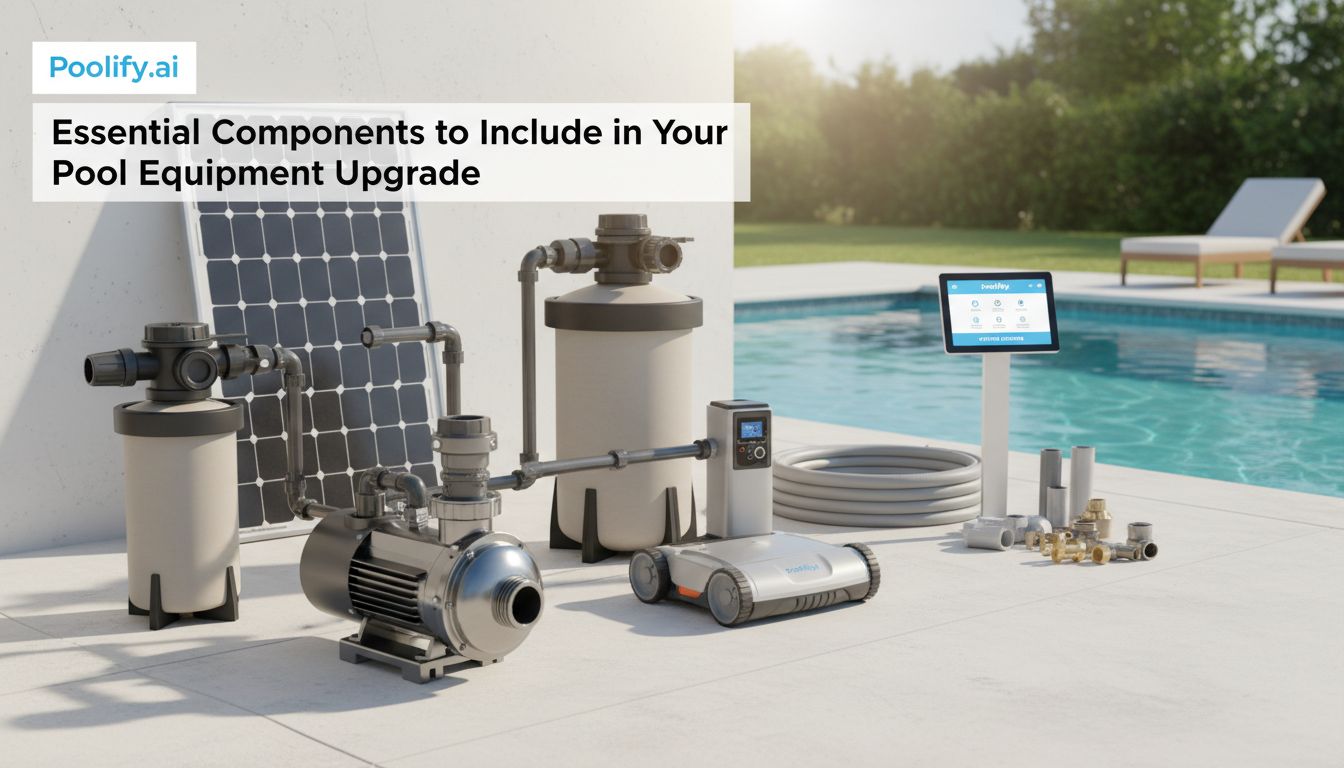
A comprehensive pool equipment upgrade involves multiple interconnected systems that work together to maintain water quality, circulation, temperature, and cleanliness. Prioritizing components based on age, efficiency, and impact ensures you allocate resources effectively.
Variable-Speed Pool Pumps: The Foundation of Modern Efficiency
Variable-speed pumps represent the single most impactful component in any pool equipment upgrade focused on energy savings. These pumps adjust motor speed to match actual circulation needs rather than running at full power constantly. Homeowners typically save 50-75% on pump-related energy costs after upgrading from single-speed models. The initial investment of $800-$1,500 pays for itself within 2-3 years through reduced electricity consumption.
Modern variable-speed pumps operate quietly, extend filter life by reducing pressure, and often qualify for utility rebates that offset purchase costs. When planning your pool equipment upgrade, prioritize the pump if you’re still running a single-speed model. The efficiency gains cascade through your entire system, reducing wear on other components and improving overall water quality.
Advanced Filtration Systems
Filtration technology has evolved significantly, making this a critical element of any pool equipment upgrade. Cartridge filters offer superior particle removal compared to traditional sand filters, capturing debris down to 10-15 microns versus 20-40 microns for sand. They require less backwashing, conserving water and chemicals while reducing maintenance time.
Diatomaceous earth (DE) filters provide the finest filtration at 3-5 microns but demand more maintenance expertise. For most residential pool equipment upgrade projects, high-quality cartridge filters deliver the optimal balance of performance, efficiency, and convenience. Properly sized filters reduce pump workload and extend equipment lifespan throughout your system.
Smart Heating Solutions
Pool heaters have undergone remarkable improvements in efficiency and control precision. Heat pumps now achieve coefficient of performance (COP) ratings of 5.0 or higher, meaning they generate five units of heat for every unit of electricity consumed. While heat pumps cost $3,000-$5,000 for a pool equipment upgrade, they operate at one-fifth the cost of traditional gas heaters in moderate climates.
Solar heating systems represent the most economical long-term option, with zero operating costs after installation. Hybrid systems combining solar panels with heat pump backup provide reliable heating regardless of weather conditions. Your pool equipment upgrade should include heating technology matched to your climate, usage patterns, and budget constraints.
Automation and Smart Controls
Pool automation transforms equipment management from daily chores into smartphone-controlled convenience. Modern automation systems included in a pool equipment upgrade allow you to schedule pumps, adjust heating, control lighting, and monitor chemical levels from anywhere. Integration with smart home ecosystems like Alexa or Google Home adds voice control capabilities.
Automated chemical monitoring and dosing systems maintain perfect water balance without manual testing and adjustment. These systems prevent over-chlorination, reduce chemical waste, and protect equipment from corrosive imbalances. When budgeting for a pool equipment upgrade, automation delivers quality-of-life improvements that justify the $1,500-$4,000 investment through time savings and peace of mind.
Planning Your Pool Equipment Upgrade Budget
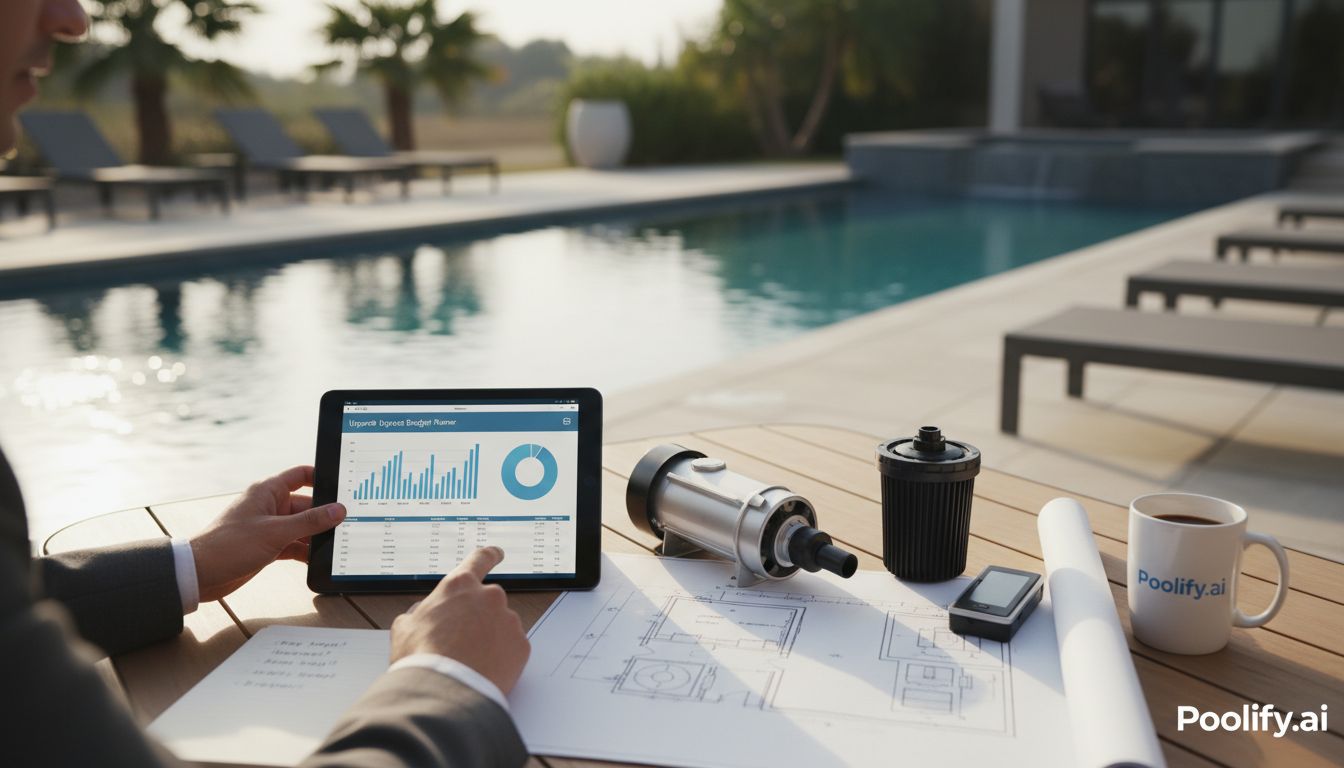
Financial planning determines the scope and timeline of your pool equipment upgrade project. Understanding cost ranges, prioritization strategies, and financing options helps you make informed decisions that align with your goals and resources.
Cost Breakdown by Component
A complete pool equipment upgrade typically ranges from $3,000 to $10,000 depending on pool size and component selection. Variable-speed pumps cost $800-$1,500, while cartridge filters range from $400-$1,200. Heater replacement spans $2,000-$5,000 for heat pumps or $1,500-$3,500 for gas units. Salt chlorine generators cost $1,200-$2,500, and automation systems range from $1,500-$4,000 for comprehensive control.
LED lighting upgrades cost $300-$800 per light, while robotic cleaners range from $600-$1,500. Professional installation adds 20-40% to equipment costs, though DIY-capable homeowners can reduce expenses significantly. When planning your pool equipment upgrade, obtain multiple quotes and verify that estimates include installation, permits, and warranty coverage.
Prioritization Strategies for Phased Upgrades
Budget constraints often necessitate phased pool equipment upgrade approaches. Start with the pump if you’re running an old single-speed model, as this delivers immediate energy savings that fund subsequent upgrades. Address failing equipment next to prevent emergency situations during swimming season. Then focus on automation and convenience features that enhance enjoyment.
A strategic pool equipment upgrade might begin with a variable-speed pump and automation system in year one, add a heat pump in year two, and complete the project with LED lighting and a robotic cleaner in year three. This approach spreads costs while delivering progressive improvements. Check out our pool maintenance costs guide for more budgeting insights.
Financing Options and Incentives
Many utility companies offer rebates for energy-efficient pool equipment upgrades, particularly variable-speed pumps. Rebates range from $100-$500 depending on location and equipment specifications. Home equity lines of credit (HELOCs) provide low-interest financing for substantial pool equipment upgrade projects, with interest potentially tax-deductible as home improvement expenses.
Some pool equipment manufacturers and retailers offer promotional financing with deferred interest periods. Calculate total costs including interest before committing to financing. Energy savings from an efficient pool equipment upgrade often cover monthly payments, making the project cash-flow neutral or positive from day one.
Selecting the Right Equipment for Your Pool Equipment Upgrade
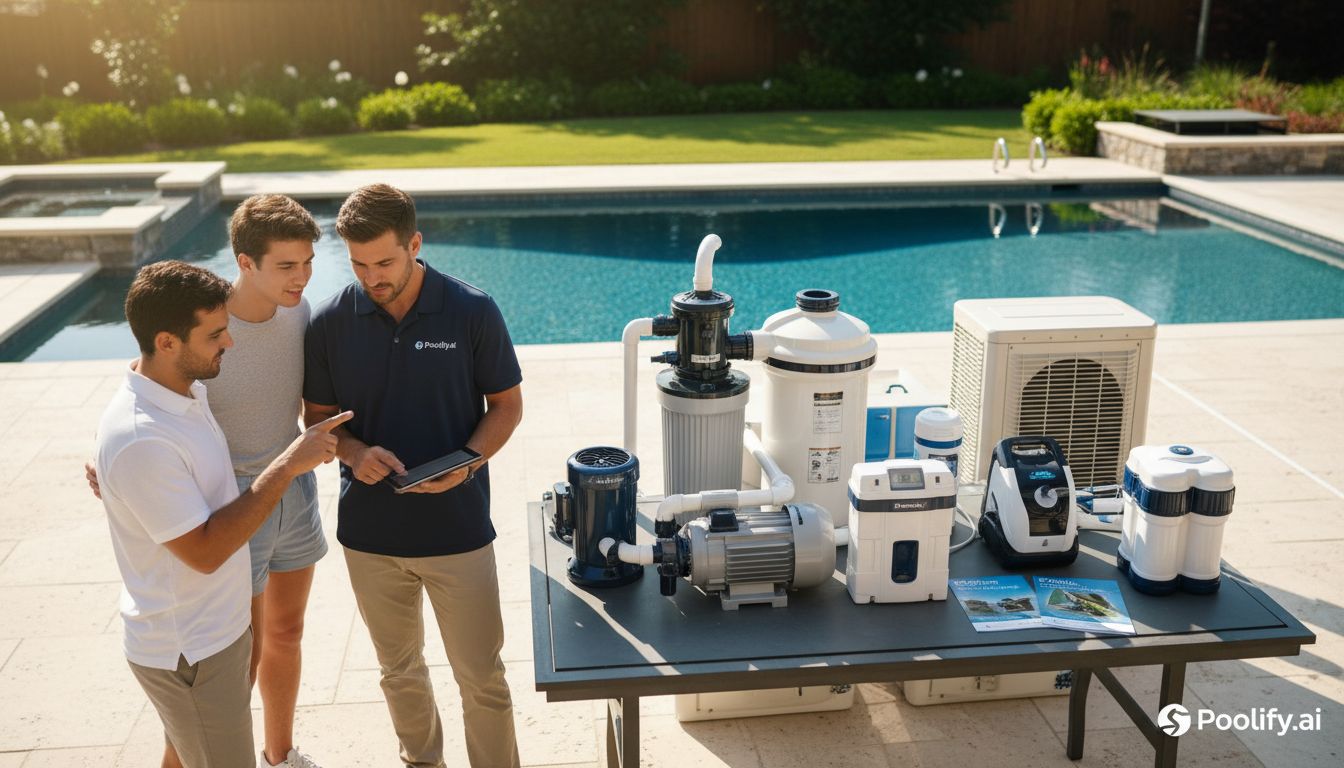
Equipment selection requires matching specifications to your pool’s unique characteristics and your household’s usage patterns. Oversized or undersized components compromise efficiency and longevity, making proper sizing essential for successful pool equipment upgrade outcomes.
Sizing Considerations
Pump sizing for your pool equipment upgrade depends on pool volume, plumbing diameter, and desired turnover rate. Most residential pools benefit from pumps that complete one full water turnover every 8-10 hours. Calculate total dynamic head (TDH) by measuring vertical lift, horizontal run, and friction losses through filters and plumbing to select pumps with appropriate horsepower ratings.
Heater sizing requires calculating pool volume, desired temperature rise, and acceptable heating time. Heat pumps need 50,000-150,000 BTU capacity for typical residential pools, while gas heaters range from 200,000-400,000 BTU. Filter sizing should provide at least 1 square foot of filter area per 10,000 gallons of pool water for optimal performance during your pool equipment upgrade.
Brand and Quality Considerations
Reputable manufacturers like Pentair, Hayward, and Jandy dominate the pool equipment market with proven reliability and comprehensive warranty coverage. During your pool equipment upgrade, investing in established brands ensures parts availability and service support throughout the equipment’s lifespan. Read verified customer reviews and consult with multiple pool professionals before making final selections.
Warranty terms vary significantly between manufacturers and models. Premium equipment often includes 3-5 year warranties versus 1-2 years for budget alternatives. Extended warranties may be available for purchase during your pool equipment upgrade. Factor warranty coverage into total cost-of-ownership calculations when comparing options.
Compatibility and Integration
Modern pool equipment upgrade projects benefit from selecting components designed to work together seamlessly. Automation systems from one manufacturer often integrate more smoothly with pumps, heaters, and sanitizers from the same brand. However, universal automation platforms can control mixed-brand equipment with proper configuration.
Verify that new equipment matches existing plumbing dimensions and electrical requirements. Some pool equipment upgrade projects require plumbing modifications or electrical panel upgrades to accommodate modern components. Address these infrastructure needs during planning to avoid costly surprises during installation.
DIY vs. Professional Installation for Your Pool Equipment Upgrade
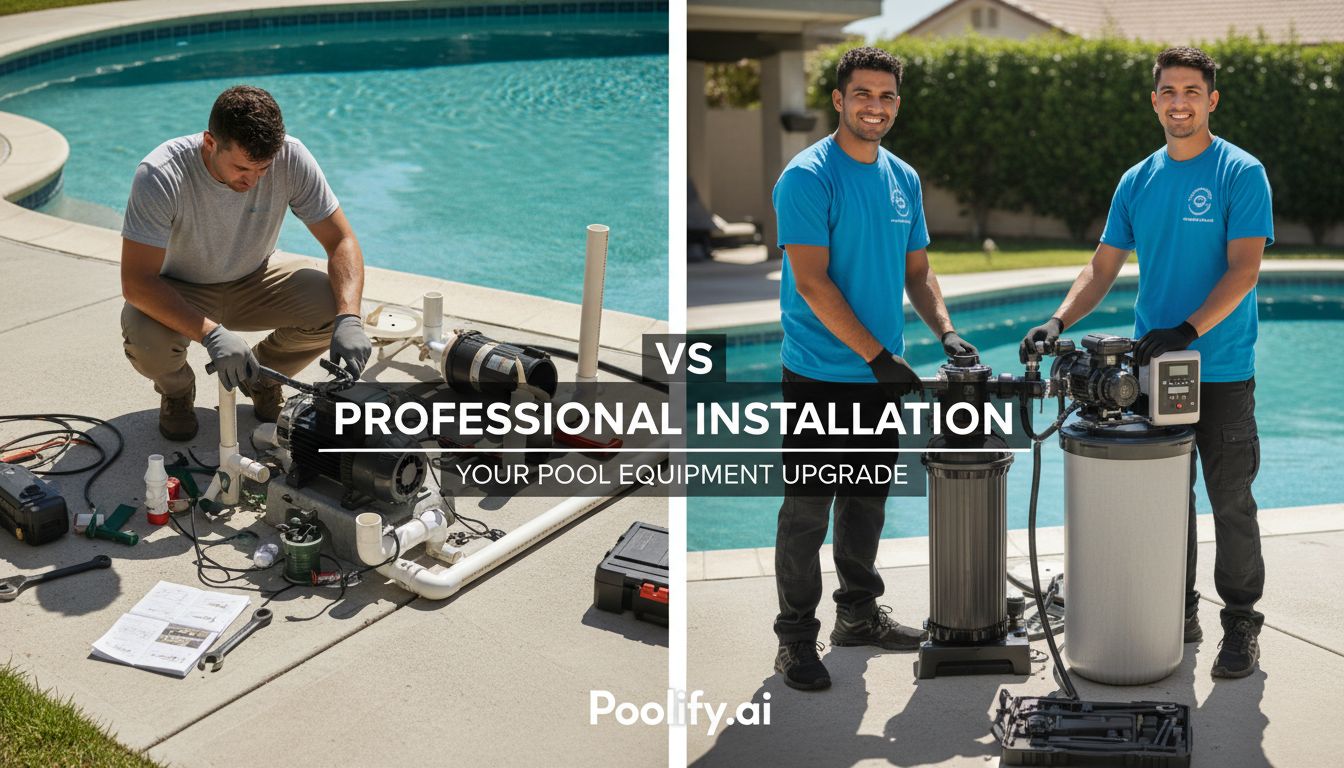
Installation approach significantly impacts total project cost and outcome quality. Understanding which tasks require professional expertise versus DIY capability helps you optimize your pool equipment upgrade budget while ensuring proper installation and warranty compliance.
Tasks Suitable for DIY Installation
Mechanically-inclined homeowners can tackle certain aspects of a pool equipment upgrade independently. Replacing cartridge filter housings, installing robotic cleaners, and upgrading LED lights typically require basic tools and moderate technical skill. Automation control panels with plug-and-play connectivity allow DIY installation without electrical licensing requirements.
Salt chlorine generator cell replacement and some pump installations fall within DIY capability for experienced homeowners. However, verify that DIY installation doesn’t void manufacturer warranties before proceeding. Many pool equipment upgrade warranties require licensed professional installation to remain valid. For maintenance guidance, explore our pool cleaning tips resource.
When to Hire Professionals
Electrical work, gas line connections, and plumbing modifications legally require licensed professionals in most jurisdictions. Complex pool equipment upgrade projects involving automation integration, heater installation, or substantial reconfiguration benefit from professional expertise. Licensed contractors ensure code compliance, proper permitting, and warranty validity.
Professional installation typically adds 20-40% to equipment costs but includes labor warranties, insurance coverage, and guaranteed proper operation. When planning a comprehensive pool equipment upgrade, professional installation provides peace of mind that justifies the additional investment. Request detailed written estimates, verify licensing and insurance, and check references before hiring contractors.
Hybrid Approaches
Some homeowners pursue hybrid strategies for their pool equipment upgrade, handling equipment purchases independently while hiring professionals for installation. This approach can save 10-20% compared to full-service contractor pricing. However, ensure contractors will warranty installation of customer-supplied equipment, as some refuse this arrangement.
Another hybrid pool equipment upgrade strategy involves DIY installation with professional inspection and startup. Licensed technicians verify proper installation, configure automation systems, and provide operational training for a fraction of full installation costs. This balanced approach maximizes savings while ensuring correct setup.
Maximizing Energy Efficiency Through Your Pool Equipment Upgrade
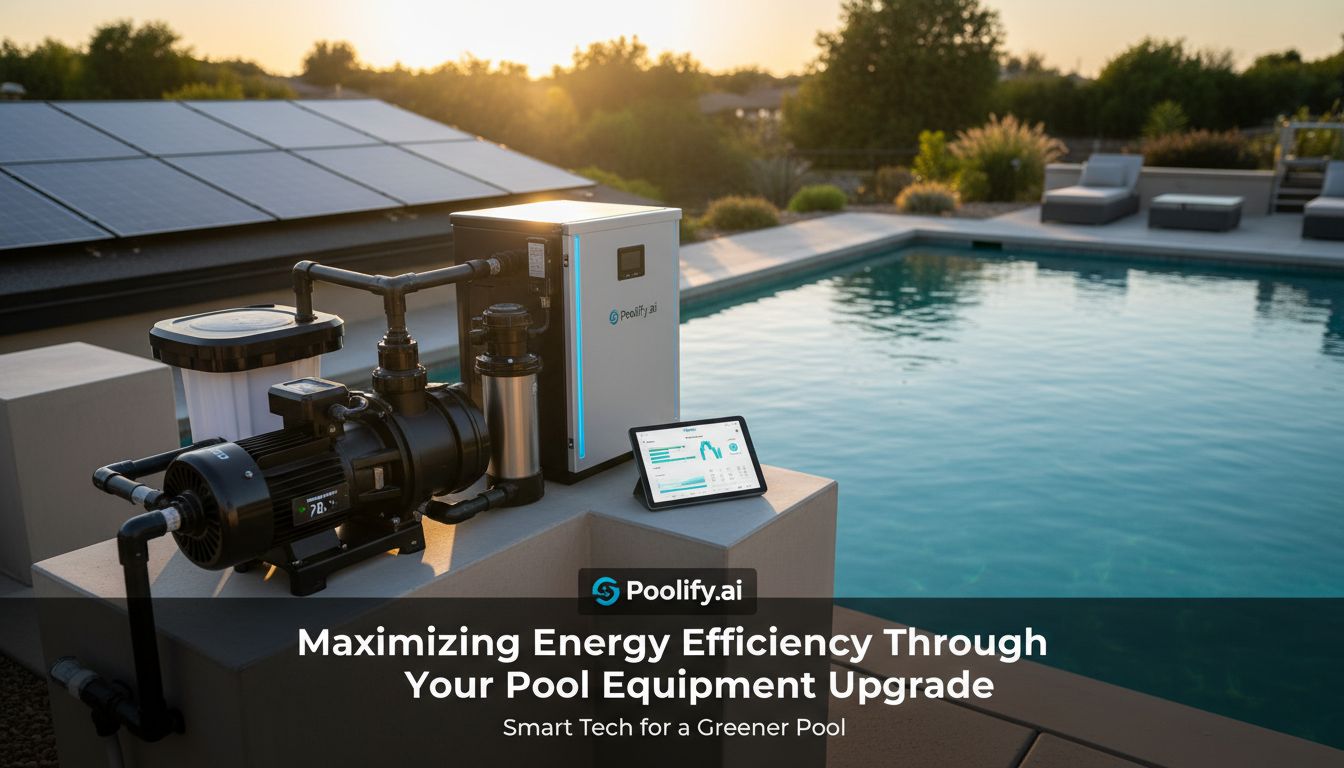
Energy efficiency represents a primary motivation for most pool equipment upgrade projects. Strategic component selection and operational optimization deliver substantial ongoing savings that compound over years of pool ownership.
Variable-Speed Pump Programming
Proper programming extracts maximum value from variable-speed pump investments during your pool equipment upgrade. Run pumps at lower speeds for extended periods rather than high speeds for short durations. Most pools maintain adequate circulation running 8-10 hours daily at 1,500-2,000 RPM rather than 3,450 RPM for 4-6 hours.
Program multiple speed settings for different functions during your pool equipment upgrade implementation. Use low speeds for general circulation, medium speeds for heating and cleaning cycles, and high speeds only for vacuuming or water features. This optimization reduces energy consumption by 60-80% compared to single-speed operation.
Heating Efficiency Strategies
Heat pumps operate most efficiently when maintaining temperature rather than recovering from significant drops. After your pool equipment upgrade includes a heat pump, use a solar cover to retain heat overnight and reduce heating cycles. Program heaters to maintain target temperature rather than heating on-demand before use.
In moderate climates, solar heating combined with heat pump backup provides optimal efficiency. Size solar panels to meet 50-70% of heating needs, allowing the heat pump to handle cloudy periods and shoulder seasons. This hybrid approach maximizes the return on your pool equipment upgrade investment in heating technology.
Automation for Efficiency
Automation systems included in your pool equipment upgrade enable sophisticated scheduling that optimizes energy usage. Program pumps to run during off-peak electricity rate periods when available. Coordinate pump speeds with solar heating systems to circulate water through collectors only when beneficial heat gain occurs.
Smart automation learns usage patterns and adjusts operations automatically. Some systems integrate with local weather forecasts, adjusting heating and circulation schedules based on predicted temperatures and conditions. These intelligent features maximize efficiency gains from your pool equipment upgrade without requiring manual intervention.
Maintenance Requirements After Your Pool Equipment Upgrade
Modern equipment included in your pool equipment upgrade typically requires less maintenance than older components, but understanding new maintenance protocols ensures optimal performance and longevity. Establishing proper maintenance routines protects your investment and prevents premature equipment failure.
New Equipment Maintenance Schedules
Variable-speed pumps require monthly basket cleaning and annual seal inspection. Check for unusual noises or vibrations that indicate bearing wear. Cartridge filters need cleaning every 4-6 weeks during swimming season, with annual deep cleaning or replacement. After your pool equipment upgrade, maintain detailed service logs to track maintenance history and identify developing issues early.
Salt chlorine generators need cell inspection every 3 months and acid cleaning when calcium buildup appears. Automation systems require software updates annually to maintain security and add features. Heat pumps benefit from annual professional service including refrigerant checks, coil cleaning, and electrical connection inspection. Regular maintenance extends equipment life 20-30% beyond typical expectations.
Warranty Compliance
Most pool equipment upgrade warranties require documented regular maintenance to remain valid. Keep receipts for filter cleanings, professional service visits, and replacement parts. Some manufacturers require annual professional inspections for warranty coverage. Understand specific warranty terms for each component in your pool equipment upgrade and establish maintenance routines that ensure compliance.
Register equipment warranties promptly after installation. Many pool equipment upgrade warranties extend from registration date rather than purchase date. Maintain a dedicated file with warranty documents, service records, and equipment manuals for easy reference throughout ownership.
Seasonal Considerations
Winterization procedures differ for modern equipment included in your pool equipment upgrade. Variable-speed pumps and automation systems may require different procedures than older equipment. Follow manufacturer-specific winterization instructions to prevent freeze damage. In warm climates, year-round operation requires adjusted maintenance schedules that account for continuous use.
Spring startup after your pool equipment upgrade should include thorough system inspection, filter cleaning, and water chemistry balancing before regular operation begins. Test all automation functions, verify proper pump operation at all programmed speeds, and confirm heater performance before swimming season begins. For comprehensive seasonal guidance, visit our pool opening checklist.
Common Mistakes to Avoid During Your Pool Equipment Upgrade
Learning from others’ mistakes helps you navigate your pool equipment upgrade successfully. Awareness of common pitfalls enables better planning and decision-making throughout the project.
Undersizing Equipment
Attempting to save money by purchasing undersized equipment compromises your pool equipment upgrade outcomes. Undersized pumps run continuously at maximum speed, negating efficiency benefits. Undersized heaters never achieve desired temperatures or run constantly trying to maintain them. Undersized filters clog frequently, requiring excessive maintenance and reducing water quality.
Proper sizing calculations ensure your pool equipment upgrade delivers expected performance and efficiency. Consult with multiple professionals and verify calculations independently. Slightly oversizing provides capacity for future additions like spas or water features without requiring another upgrade cycle.
Ignoring Infrastructure Requirements
Modern pool equipment often requires electrical or plumbing infrastructure upgrades. Variable-speed pumps need 230-volt dedicated circuits with proper amperage. Some automation systems require additional electrical runs. Failing to address these infrastructure needs during your pool equipment upgrade leads to delayed projects and unexpected costs.
Evaluate plumbing diameter and condition before finalizing equipment selections. Undersized plumbing creates excessive friction losses that reduce efficiency and increase pump workload. Include plumbing upgrades in your pool equipment upgrade budget when necessary to support modern high-efficiency components.
Overlooking Compatibility Issues
Mixing incompatible components creates integration challenges that undermine your pool equipment upgrade benefits. Verify that automation systems can control all selected equipment. Confirm that sanitization systems work with your pool’s surface material and plumbing. Research compatibility thoroughly before purchasing to avoid costly returns or workarounds.
Some pool equipment upgrade components require specific water chemistry ranges or flow rates. Salt chlorine generators require minimum salt levels and proper flow rates to function correctly. Heaters have minimum and maximum flow requirements. Understanding these specifications during planning prevents operational issues after installation.
Frequently Asked Questions About Pool Equipment Upgrade Projects
How long does a typical pool equipment upgrade take to complete?
A comprehensive pool equipment upgrade typically requires 1-3 days for professional installation, depending on project scope and complexity. Simple pump replacements may complete in 4-6 hours, while full system overhauls with automation, heating, and filtration upgrades require multiple days. Permitting and inspection requirements can extend timelines by 1-2 weeks in some jurisdictions. Schedule your pool equipment upgrade during off-season when contractors have greater availability and you won’t miss prime swimming time.
Will a pool equipment upgrade increase my home’s value?
A well-executed pool equipment upgrade can increase home value by $2,000-$5,000, particularly when selling to buyers who view pools as amenities rather than liabilities. Modern energy-efficient equipment appeals to environmentally-conscious buyers and those concerned about operating costs. Automation systems and smart controls particularly resonate with tech-savvy buyers. Document your pool equipment upgrade with receipts and specifications to demonstrate value to potential buyers. The upgrade also makes your pool more marketable by reducing perceived maintenance burdens.
Can I upgrade pool equipment in phases or should I do everything at once?
Phased pool equipment upgrade approaches work well for budget-conscious homeowners. Start with the most critical or cost-effective components like variable-speed pumps, then add automation, heating, and convenience features over subsequent years. This strategy spreads costs while delivering progressive improvements. However, comprehensive single-phase pool equipment upgrade projects may qualify for volume discounts from contractors and ensure optimal component integration. Evaluate your budget, priorities, and timeline to determine the best approach for your situation.
What energy savings can I expect from a pool equipment upgrade?
A comprehensive pool equipment upgrade focused on efficiency typically reduces pool-related energy costs by 50-75%. Variable-speed pumps alone save 50-70% on circulation costs. Heat pumps reduce heating expenses by 60-80% compared to gas heaters. LED lighting uses 75-85% less electricity than incandescent alternatives. Actual savings depend on your current equipment age and efficiency, local electricity rates, pool size, and usage patterns. Most homeowners recover pool equipment upgrade costs through energy savings within 3-5 years.
Do I need permits for a pool equipment upgrade?
Permit requirements for pool equipment upgrade projects vary by jurisdiction. Electrical work typically requires permits and inspections to ensure code compliance and safety. Gas line modifications definitely require permits. Simple equipment replacements without electrical or plumbing changes may not require permits in some areas. Check with your local building department before beginning your pool equipment upgrade. Operating without required permits can complicate insurance claims, home sales, and create liability issues. Licensed contractors typically handle permitting as part of their service.
Key Takeaways: Your Pool Equipment Upgrade Success Guide
- Prioritize variable-speed pumps in your pool equipment upgrade for immediate 50-75% energy savings that fund additional improvements through reduced operating costs
- Plan comprehensively by assessing all equipment age and condition, then prioritize replacements based on efficiency gains, failure risk, and budget constraints
- Size equipment properly using accurate calculations for pool volume, plumbing characteristics, and usage patterns to ensure optimal performance and efficiency
- Consider automation as a core component of your pool equipment upgrade to simplify maintenance, optimize energy usage, and enhance convenience through smart controls
- Invest in professional installation for complex components to ensure warranty compliance, code adherence, and proper operation that maximizes your pool equipment upgrade investment
Conclusion: Transform Your Pool Experience with a Strategic Equipment Upgrade
A well-planned pool equipment upgrade represents a transformative investment that delivers years of benefits through reduced energy costs, simplified maintenance, and enhanced swimming enjoyment. By prioritizing energy-efficient components like variable-speed pumps and heat pumps, you create immediate operational savings that justify the initial investment. Modern automation technology eliminates daily maintenance chores while optimizing equipment performance automatically. Strategic component selection matched to your pool’s specific characteristics ensures optimal efficiency and longevity.
Whether you pursue a comprehensive single-phase pool equipment upgrade or implement improvements gradually over multiple seasons, each enhancement compounds previous benefits. Start by replacing the oldest, least efficient components, then progressively add convenience and control features that align with your budget and priorities. Research thoroughly, obtain multiple professional quotes, and verify warranty terms before committing to purchases. With proper planning and execution, your pool equipment upgrade will provide decades of reliable service while significantly reducing the time, effort, and money required to maintain your backyard oasis throughout 2026 and beyond.
References
- U.S. Department of Energy – Swimming Pool Equipment Energy Efficiency: https://www.energy.gov/energysaver/swimming-pool-equipment
- Centers for Disease Control and Prevention – Pool Safety Guidelines: https://www.cdc.gov/healthywater/swimming/