
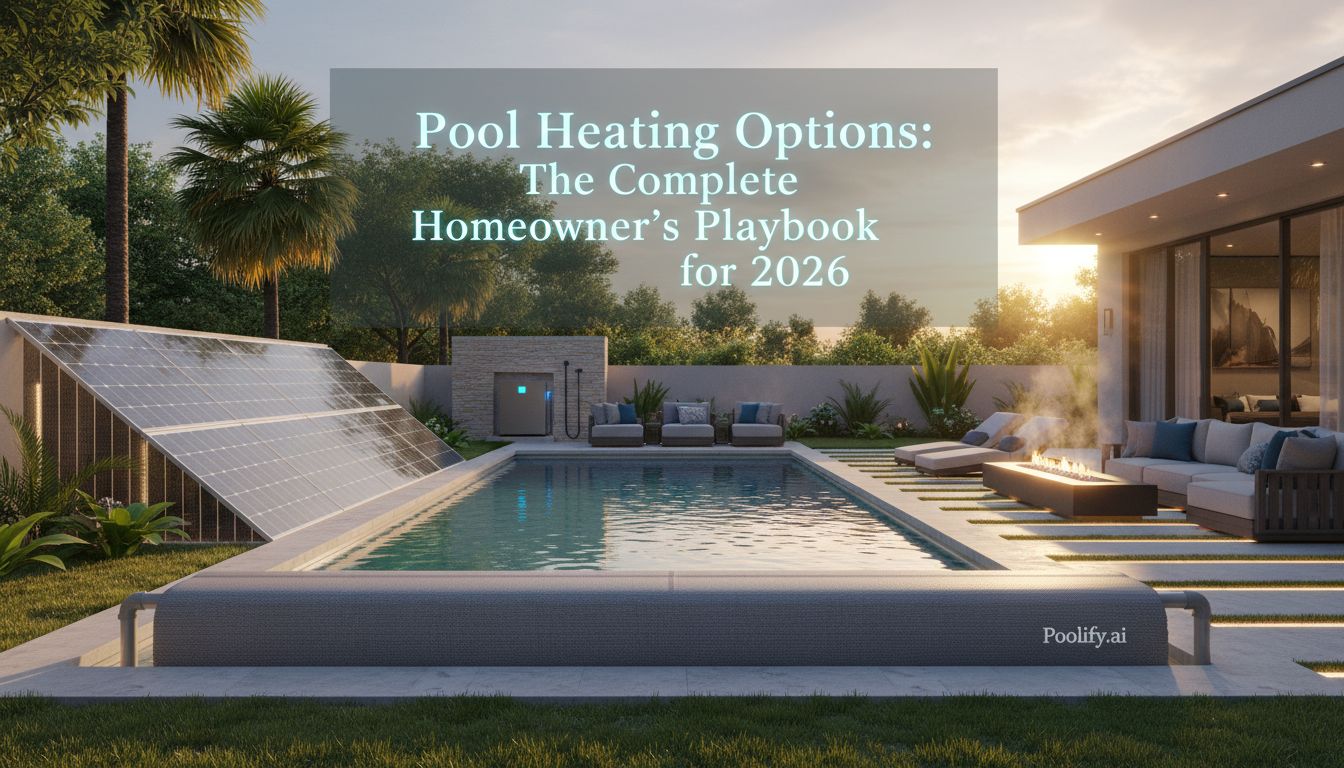
Understanding Pool Heating Options in 2026
Choosing the right pool heating options can transform your swimming experience from a seasonal luxury to a year-round pleasure. As homeowners increasingly seek to maximize their pool investments in 2026, understanding the available pool heating options has never been more critical. Whether you’re installing a new pool or upgrading an existing system, the right heating solution impacts your comfort, energy bills, and environmental footprint. This comprehensive guide explores all major pool heating options available today, helping you make an informed decision that aligns with your budget, climate, and usage patterns.
The landscape of pool heating options has evolved significantly, with technological advances making systems more efficient and cost-effective than ever before. From traditional gas heaters to cutting-edge solar technology, each heating method offers distinct advantages and considerations. Understanding these differences empowers you to select the optimal solution for your specific needs.
Gas Pool Heaters: Traditional Pool Heating Options
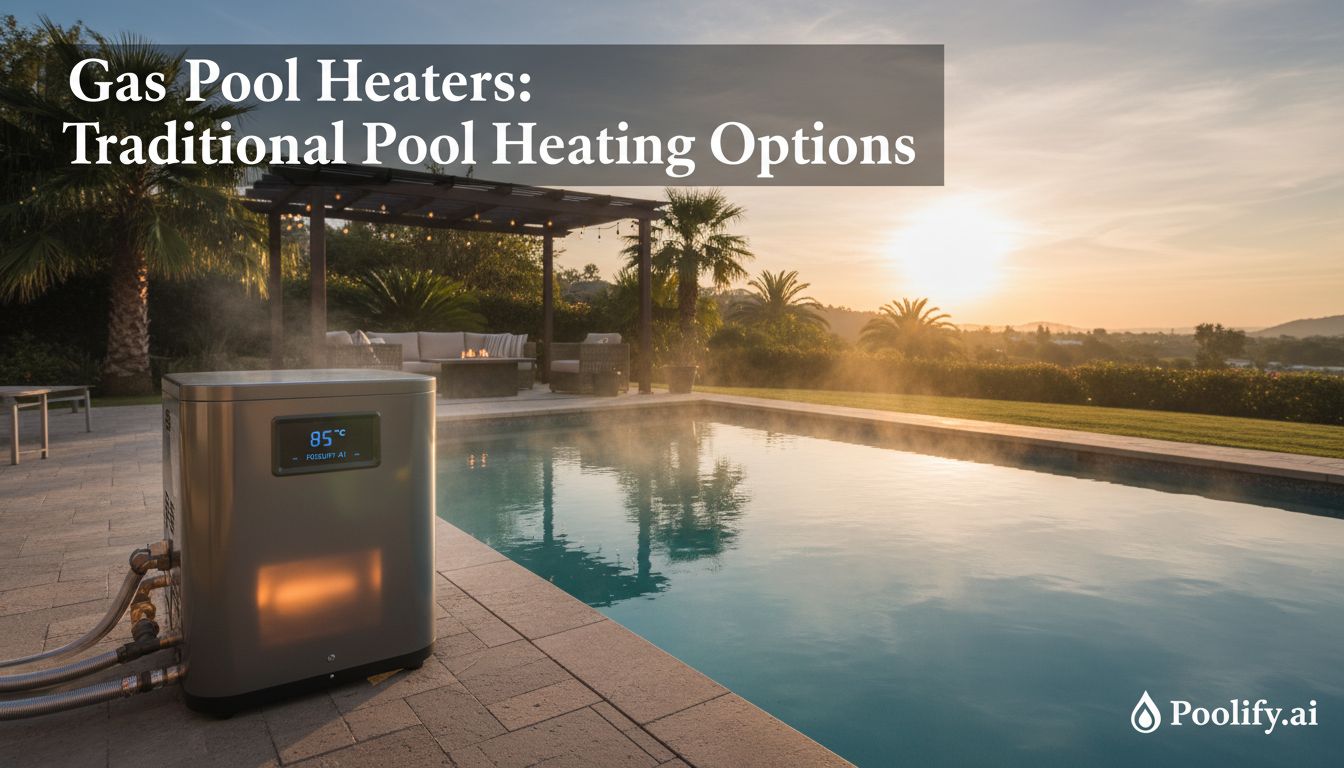
Gas heaters remain among the most popular pool heating options for homeowners who prioritize rapid heating and consistent performance. These systems burn natural gas or propane to generate heat, transferring warmth to pool water through a heat exchanger. Gas heaters excel at quickly raising water temperature, making them ideal for pools used sporadically or in cooler climates where fast heating is essential.
Modern gas pool heating options deliver impressive heating speeds, typically raising water temperature by 1-2 degrees per hour depending on pool size and heater capacity. This rapid heating capability makes gas systems particularly attractive for spa applications or weekend pool users who need immediate results. Natural gas heaters generally cost less to operate than propane models in areas with established gas infrastructure.
The initial investment for gas pool heating options ranges from $1,500 to $4,000 for equipment, plus installation costs averaging $500 to $1,500. Operating costs vary significantly based on local fuel prices, but homeowners typically spend $300 to $900 monthly during peak usage. According to the U.S. Department of Energy, gas heaters are most economical for pools that aren’t used regularly.
Advantages of Gas Heating Systems
Gas pool heating options offer several compelling benefits that make them suitable for specific applications. They operate independently of weather conditions, providing reliable heating even during cloudy or cold periods. Gas heaters work efficiently in any climate, from northern regions to southern states, maintaining consistent performance regardless of ambient temperature.
These systems require minimal space compared to other pool heating options, with compact units that fit easily into existing equipment areas. Gas heaters also have lower upfront costs than many alternative systems, making them accessible for budget-conscious homeowners. Maintenance requirements are relatively straightforward, with annual servicing typically sufficient to maintain optimal performance.
Considerations for Gas Pool Heating Options
Despite their advantages, gas pool heating options present certain drawbacks worth considering. Operating costs can be substantial, particularly in regions with high natural gas or propane prices. These systems produce greenhouse gas emissions, making them less environmentally friendly than renewable pool heating options. Gas heaters typically last 5-10 years with proper maintenance, shorter than some alternative systems.
Electric Resistance Heaters: Accessible Pool Heating Options
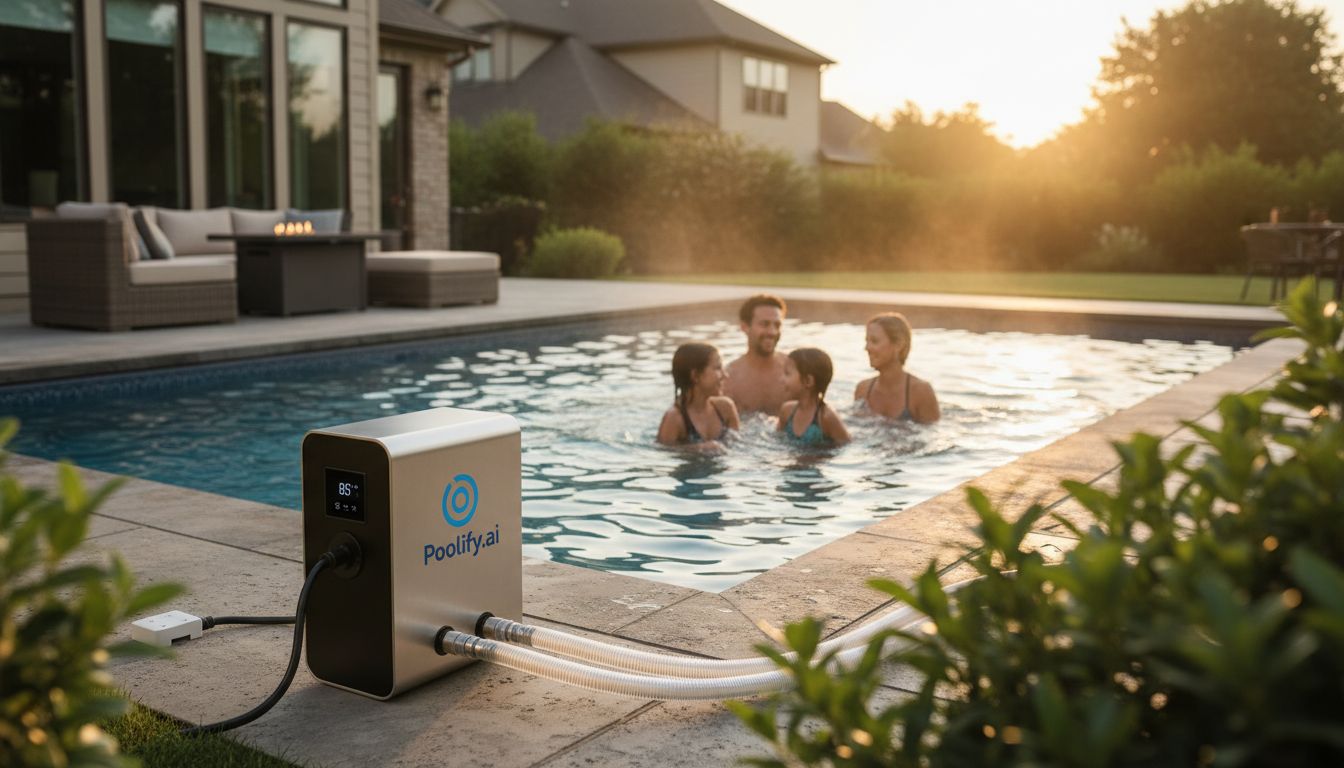
Electric resistance heaters represent straightforward pool heating options that convert electrical energy directly into heat. These systems use heating elements similar to those in electric water heaters, warming pool water as it circulates through the unit. Electric heaters work best for smaller pools, spas, and above-ground installations where heating demands are modest.
Among pool heating options, electric resistance heaters offer the lowest initial investment, typically costing $500 to $2,000 for equipment and installation. This affordability makes them attractive for homeowners with limited budgets or smaller water features. Electric heaters operate quietly and require minimal maintenance, with no combustion byproducts or ventilation requirements.
However, electric resistance pool heating options carry high operating costs in most regions due to electricity rates. Monthly expenses can reach $500 to $1,500 for standard-sized pools, making these systems expensive for regular use. They heat water more slowly than gas alternatives, typically raising temperature by 0.5-1 degree per hour. Electric heaters are most economical in areas with low electricity rates or for heating small volumes of water.
Best Applications for Electric Heating
Electric pool heating options work exceptionally well for specific scenarios despite their operating cost limitations. They excel at maintaining spa temperatures, where the smaller water volume reduces energy consumption. Above-ground pools and small in-ground installations benefit from electric heating due to modest heating requirements. These systems also serve well as supplemental heat sources alongside other pool heating options.
Homeowners with solar panels or off-peak electricity rates can leverage electric heaters more economically. The systems integrate easily with smart home technology, allowing precise temperature control and scheduling to minimize costs. For occasional use or temperature maintenance rather than rapid heating, electric pool heating options provide reliable performance without combustion system complexity.
Solar Pool Heaters: Sustainable Pool Heating Options
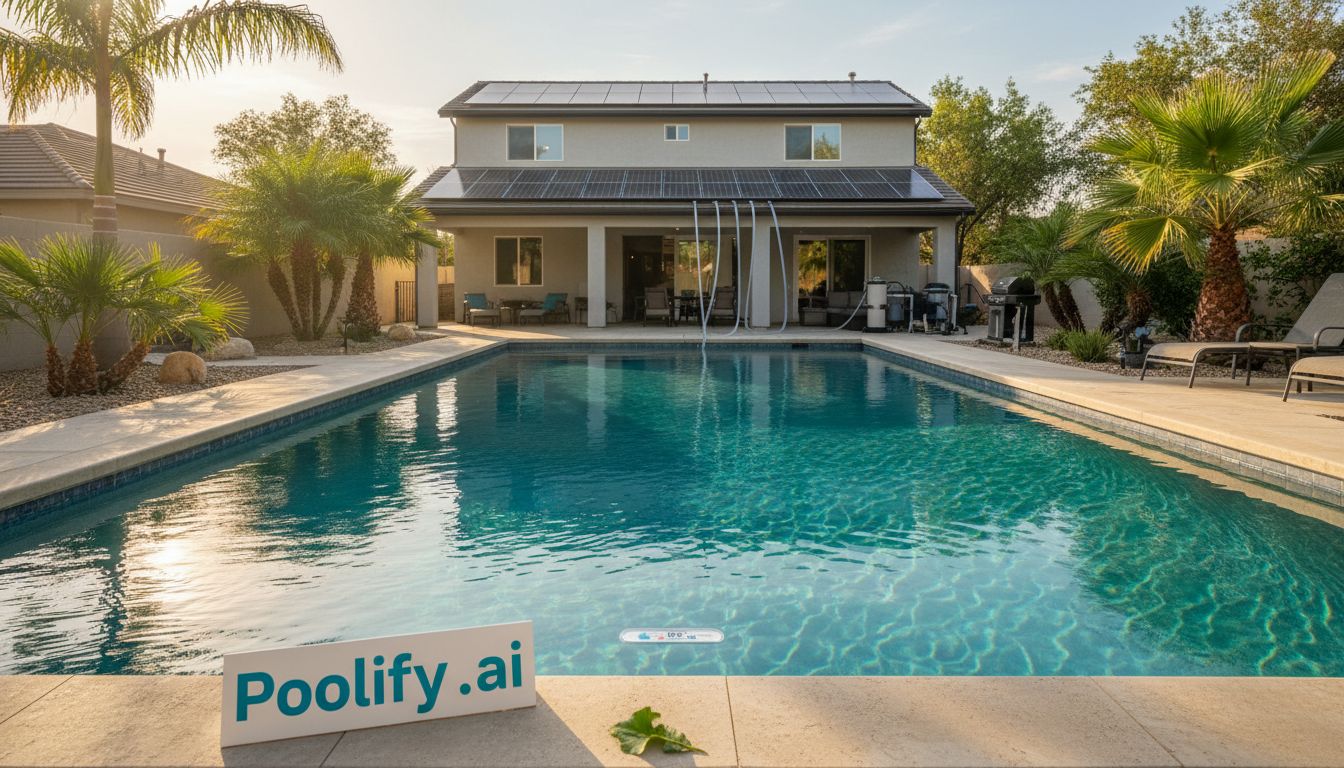
Solar pool heating options harness renewable energy to warm pool water, offering the most environmentally friendly and economical long-term solution. These systems circulate water through solar collectors, typically mounted on roofs or ground-mounted racks, where sunlight heats the water before returning it to the pool. Solar heaters can extend swimming seasons by 2-4 months in most climates while drastically reducing energy costs.
The initial investment for solar pool heating options ranges from $3,000 to $7,000 depending on system size and installation complexity. Despite higher upfront costs, solar systems typically pay for themselves within 3-7 years through energy savings. Operating costs are minimal, limited to pump electricity for circulating water through collectors. Well-maintained solar pool heating options can last 15-20 years, significantly longer than gas or electric alternatives.
Solar collectors come in two main types: glazed and unglazed. Unglazed collectors, made from heavy-duty rubber or plastic, cost less and work well in warmer climates. Glazed collectors feature glass coverings and aluminum frames, providing better performance in cooler conditions but at higher cost. Proper sizing is crucial—solar pool heating options typically require collector area equal to 50-100% of pool surface area for optimal performance.
Maximizing Solar Heating Performance
Optimizing solar pool heating options requires strategic planning and proper installation. South-facing roof areas with minimal shade provide ideal collector placement in the Northern Hemisphere. Ground-mounted systems offer flexibility for properties without suitable roof space, though they consume yard area. Combining solar heaters with pool covers dramatically improves efficiency by retaining captured heat overnight.
Climate significantly impacts solar pool heating options effectiveness. Sunny regions like the Southwest achieve excellent results with solar systems alone, while cloudier areas may benefit from hybrid configurations. Pairing solar collectors with backup gas or electric heaters creates versatile pool heating options that balance efficiency with reliability. For more information on maintaining optimal pool conditions, explore our comprehensive pool maintenance guide.
Environmental and Economic Benefits
Among all pool heating options, solar systems deliver unmatched environmental benefits. They produce zero emissions during operation, reducing your carbon footprint while providing comfortable swimming temperatures. Solar pool heating options qualify for federal tax credits and state incentives in many jurisdictions, further improving economic returns. These systems increase property value by adding desirable, eco-friendly amenities that appeal to environmentally conscious buyers.
Heat Pump Pool Heaters: Efficient Pool Heating Options
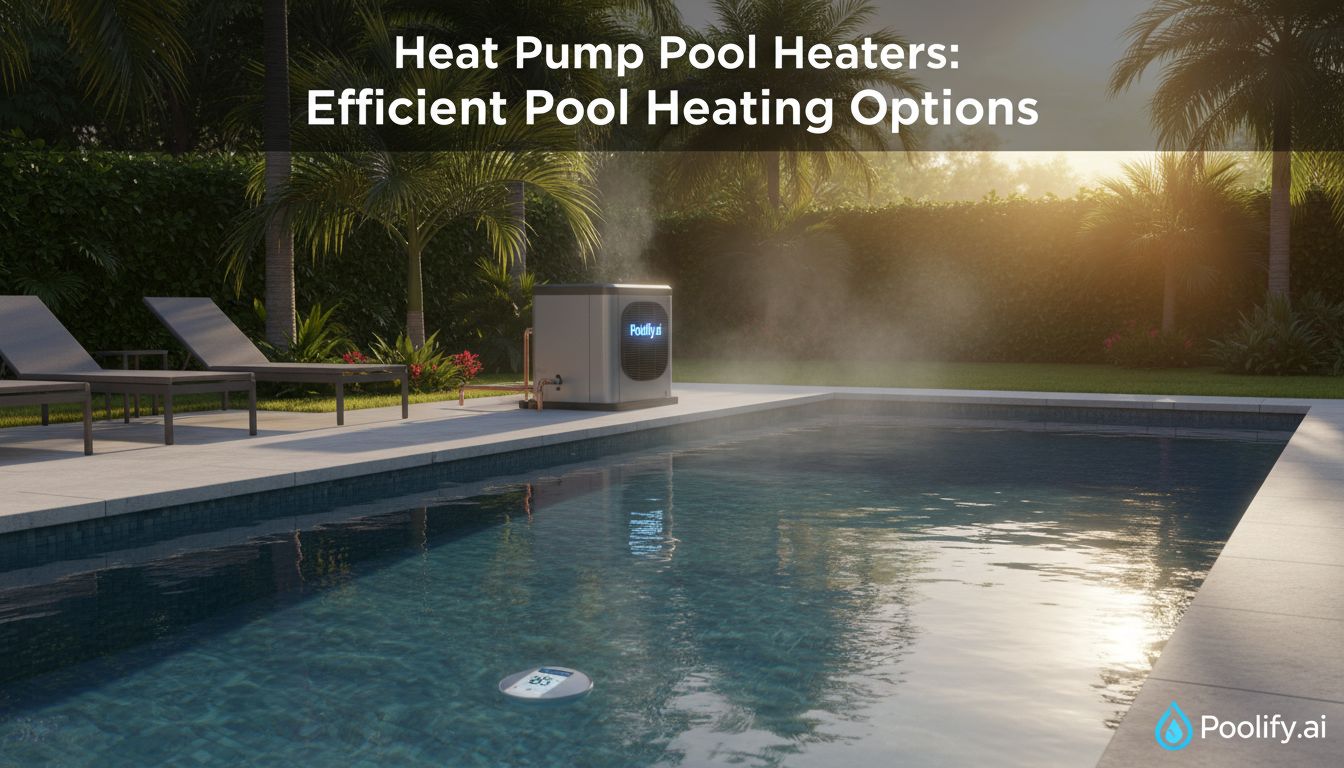
Heat pump pool heating options represent the most energy-efficient mechanical systems available, using electricity to transfer heat from surrounding air to pool water rather than generating heat directly. These systems work like reverse air conditioners, extracting warmth from ambient air and concentrating it for pool heating. Heat pumps deliver 5-6 units of heat for every unit of electricity consumed, making them exceptionally efficient pool heating options.
The technology behind heat pump pool heating options involves refrigerant that absorbs heat from outside air, compresses it to higher temperatures, and transfers it to pool water through a heat exchanger. This process works efficiently when air temperatures exceed 50°F, making heat pumps ideal for moderate climates and seasonal pool use. In warmer regions, heat pumps can extend swimming seasons affordably while maintaining comfortable water temperatures.
Initial costs for heat pump pool heating options range from $2,500 to $5,500 for equipment, plus installation expenses of $500 to $1,500. Operating costs typically run $50 to $150 monthly, significantly less than gas heaters and comparable to solar systems. Heat pumps last 10-20 years with proper maintenance, providing excellent long-term value among pool heating options. The systems heat water more slowly than gas heaters, typically raising temperature by 1-2 degrees daily.
Climate Considerations for Heat Pumps
Heat pump pool heating options perform best in specific climate conditions that affect their efficiency and practicality. They excel in regions with moderate temperatures and extended swimming seasons, such as the Southeast and Southwest. Performance decreases significantly when air temperatures drop below 50°F, limiting effectiveness in northern climates or during winter months. Some advanced models feature enhanced low-temperature performance, extending usable temperature ranges.
Homeowners in cooler regions often combine heat pumps with other pool heating options to create hybrid systems. Using heat pumps during mild weather and switching to gas backup during cold snaps optimizes efficiency while ensuring reliable heating. This approach balances operating costs with performance, leveraging each system’s strengths. For additional equipment insights, check our guide on essential pool equipment.
Advanced Heat Pump Features
Modern heat pump pool heating options incorporate sophisticated features that enhance performance and convenience. Variable-speed compressors adjust output based on heating demands, improving efficiency and reducing noise. Digital controls allow precise temperature management and scheduling, optimizing energy consumption. Some models include cooling capabilities, lowering water temperature during hot summer months when pools become uncomfortably warm.
Inverter technology in premium heat pump pool heating options provides superior efficiency by continuously adjusting compressor speed rather than cycling on and off. These systems operate more quietly and maintain more consistent temperatures than traditional models. WiFi connectivity enables remote monitoring and control through smartphone apps, letting you manage pool temperature from anywhere.
Comparing Pool Heating Options: Making the Right Choice
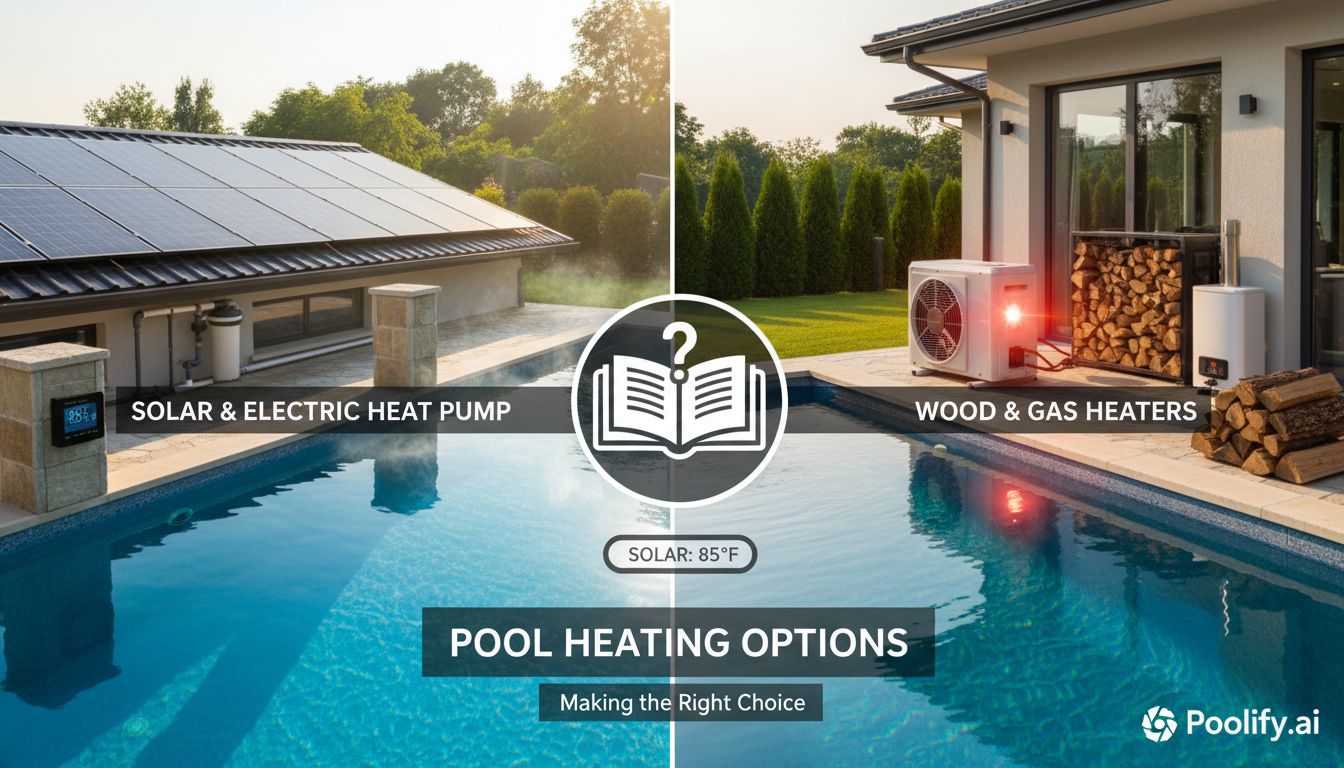
Selecting among available pool heating options requires evaluating multiple factors including climate, budget, usage patterns, and environmental priorities. Each system offers distinct advantages that suit different scenarios. Understanding these trade-offs helps you identify the optimal pool heating options for your specific situation.
Climate plays a crucial role in determining suitable pool heating options. Gas heaters work everywhere but cost more to operate in cold regions. Solar systems excel in sunny climates but need backup in cloudy areas. Heat pumps perform best in moderate temperatures, struggling in extreme cold. Electric heaters suit small installations regardless of climate but carry high operating costs for larger pools.
Cost Analysis of Pool Heating Options
Financial considerations encompass both initial investment and ongoing operating expenses when comparing pool heating options. Gas heaters offer low upfront costs but high monthly expenses. Solar systems require substantial initial investment but minimal operating costs. Heat pumps balance moderate installation costs with low operating expenses. Electric heaters cost least initially but most to operate for standard pools.
Calculating total cost of ownership over expected system lifespan reveals true economic differences among pool heating options. Solar and heat pump systems typically provide best long-term value despite higher initial costs. Gas heaters make sense for occasional use or rapid heating needs. Electric heaters work economically only for small pools or infrequent heating. Consider available incentives, rebates, and tax credits when evaluating pool heating options costs.
Environmental Impact Comparison
Environmental consciousness increasingly influences homeowner decisions about pool heating options. Solar systems produce zero emissions and use renewable energy, offering the most sustainable choice. Heat pumps generate minimal emissions due to high efficiency, using electricity that may come from renewable sources. Gas heaters produce significant greenhouse gases through combustion. Electric resistance heaters’ environmental impact depends on local electricity generation methods.
Choosing eco-friendly pool heating options aligns with broader sustainability goals while often reducing long-term costs. Many utilities offer special rates or incentives for efficient heating systems. Some regions mandate energy-efficient pool heating options for new installations or major renovations. Understanding local regulations and incentive programs helps optimize both environmental and economic outcomes.
Hybrid Pool Heating Options: Best of Multiple Systems
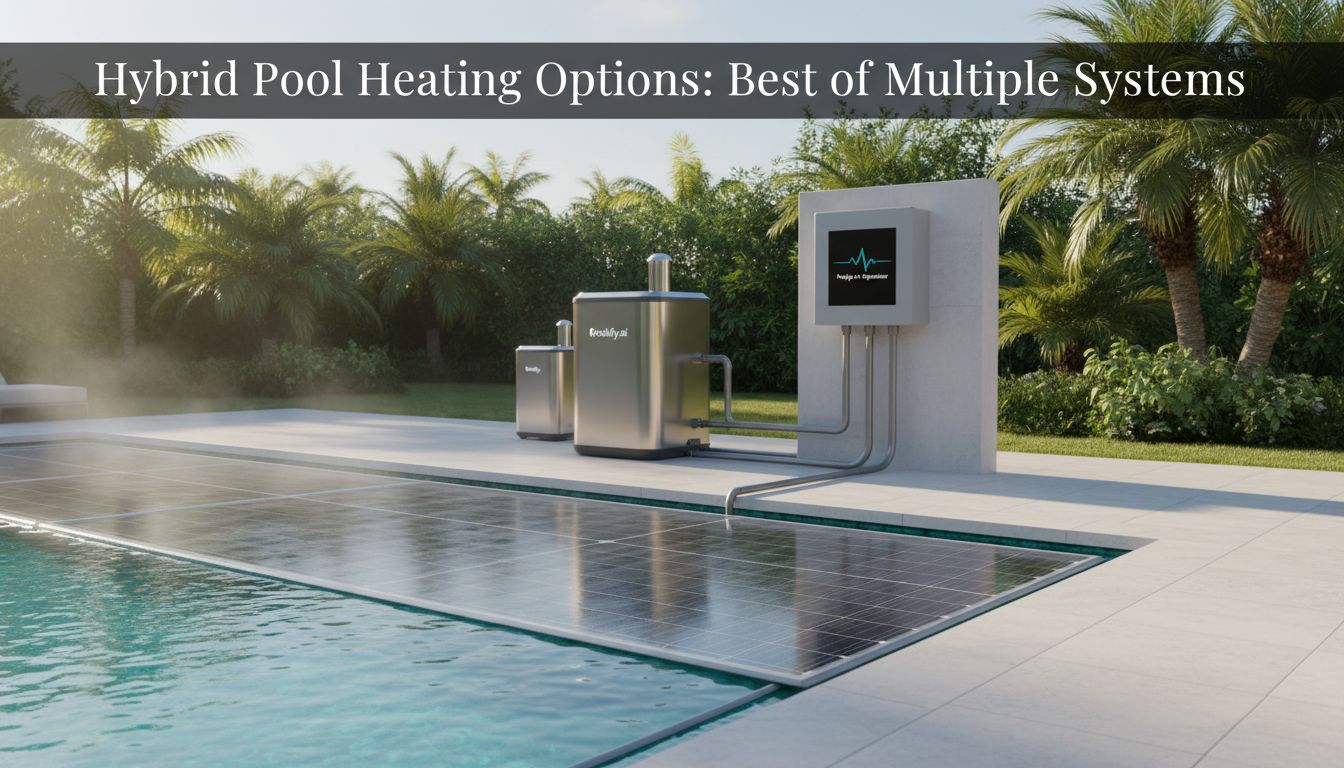
Combining multiple technologies creates versatile hybrid pool heating options that optimize performance, efficiency, and reliability. These integrated systems leverage each technology’s strengths while minimizing individual weaknesses. Hybrid configurations represent increasingly popular pool heating options as homeowners seek balanced solutions.
Solar-gas hybrid pool heating options provide the most common combination, using free solar energy when available and gas backup for cloudy periods or rapid heating. This pairing extends swimming seasons affordably while ensuring reliable temperature control. Solar-heat pump combinations work similarly, substituting efficient heat pump operation for gas during non-solar periods. These hybrid pool heating options maximize renewable energy use while maintaining consistent performance.
Advanced control systems optimize hybrid pool heating options by automatically selecting the most efficient heat source based on conditions. Smart controllers monitor solar availability, ambient temperature, electricity rates, and fuel costs to minimize operating expenses. These systems seamlessly switch between heat sources, ensuring optimal efficiency without user intervention. For comprehensive pool care strategies, visit our expert pool care tips.
Designing Effective Hybrid Systems
Creating optimal hybrid pool heating options requires careful planning and professional design. System sizing must account for multiple heat sources working independently or together. Plumbing configurations need proper valving to direct water flow through selected heaters. Electrical systems must accommodate multiple heating units with appropriate controls and safety features.
Professional installation ensures hybrid pool heating options function efficiently and safely. Experienced technicians properly integrate different technologies, configure controls, and optimize system operation. While hybrid systems cost more initially than single-source pool heating options, they often provide superior long-term value through reduced operating costs and extended equipment life.
Installation and Maintenance of Pool Heating Options
Proper installation and regular maintenance significantly impact the performance, efficiency, and longevity of all pool heating options. Professional installation ensures systems operate safely and efficiently from the start. Ongoing maintenance preserves performance and prevents costly repairs, maximizing your investment in pool heating options.
Gas heater installation requires qualified technicians familiar with combustion systems, gas connections, and ventilation requirements. Improper installation creates safety hazards and efficiency problems. Heat pump pool heating options need proper electrical connections and adequate clearance for airflow. Solar system installation demands roof work expertise and proper collector mounting to withstand weather conditions.
Maintenance Requirements by System Type
Different pool heating options require varying maintenance approaches. Gas heaters need annual professional servicing including burner cleaning, heat exchanger inspection, and combustion testing. Heat pumps require periodic coil cleaning, refrigerant level checks, and fan motor maintenance. Solar pool heating options need minimal maintenance, primarily collector cleaning and leak inspection. Electric heaters require occasional element inspection and replacement.
Regular maintenance extends the lifespan of all pool heating options while maintaining efficiency. Neglected systems consume more energy, heat less effectively, and fail prematurely. Establishing maintenance schedules with qualified service providers protects your investment. Many manufacturers require documented maintenance to honor warranty coverage on pool heating options.
Troubleshooting Common Issues
Understanding common problems helps homeowners maintain optimal performance from their pool heating options. Reduced heating efficiency often indicates dirty filters, low water flow, or scaling in heat exchangers. Strange noises may signal mechanical problems requiring professional attention. Frequent cycling or failure to maintain temperature suggests thermostat issues or inadequate system sizing.
Some maintenance tasks homeowners can perform on pool heating options include cleaning debris from heat pump coils, inspecting solar collectors for damage, and monitoring system performance. However, technical repairs and adjustments should be left to qualified professionals. Attempting DIY repairs on complex pool heating options may void warranties and create safety hazards.
Future Trends in Pool Heating Options
The evolution of pool heating options continues as technology advances and environmental concerns grow. Emerging innovations promise improved efficiency, reduced costs, and enhanced convenience. Understanding these trends helps homeowners make forward-looking decisions about pool heating options that remain relevant for years.
Smart technology integration represents a major trend across all pool heating options. WiFi-enabled controllers, smartphone apps, and AI-driven optimization systems provide unprecedented control and efficiency. These features allow remote temperature management, automated scheduling, and predictive maintenance alerts. Future pool heating options will increasingly leverage machine learning to optimize performance based on usage patterns and weather forecasts.
Improved heat pump technology continues advancing, with newer models operating efficiently at lower temperatures and in more climates. Enhanced refrigerants and compressor designs boost efficiency while reducing environmental impact. Some manufacturers are developing pool heating options that combine heat pump technology with solar thermal collectors, creating highly efficient hybrid systems in compact packages.
Renewable Energy Integration
Growing adoption of home solar electric systems creates opportunities for integrating renewable energy with pool heating options. Homeowners with photovoltaic arrays can power heat pumps or electric heaters with self-generated electricity, dramatically reducing operating costs. Battery storage systems enable using solar power for pool heating options even after sunset, further improving economics.
Geothermal heat pumps represent emerging pool heating options that extract heat from ground temperature rather than air. These systems provide consistent performance regardless of air temperature, working efficiently in any climate. While installation costs exceed conventional pool heating options, geothermal systems offer exceptional efficiency and longevity. As technology matures and costs decrease, geothermal pool heating options may become more accessible.
Frequently Asked Questions About Pool Heating Options
What are the most cost-effective pool heating options for year-round use?
Heat pumps and solar systems provide the most cost-effective pool heating options for year-round use in appropriate climates. Heat pumps work efficiently in moderate temperatures, delivering 5-6 times more heat energy than electrical energy consumed. Solar systems offer the lowest operating costs but require adequate sun exposure and often benefit from backup heating. In colder climates, hybrid pool heating options combining solar or heat pump with gas backup optimize efficiency while ensuring reliable heating throughout the year.
How long do different pool heating options typically last?
Lifespan varies significantly among pool heating options. Gas heaters typically last 5-10 years with proper maintenance. Electric resistance heaters function reliably for 8-12 years. Heat pumps generally provide 10-20 years of service. Solar pool heating options offer the longest lifespan at 15-20 years or more. Regular professional maintenance extends the life of all pool heating options. Actual longevity depends on usage intensity, water chemistry, climate conditions, and maintenance quality.
Can I install pool heating options myself or do I need professional installation?
Most pool heating options require professional installation to ensure safety, efficiency, and warranty compliance. Gas heaters involve combustion systems and fuel connections that must meet building codes and safety standards. Heat pumps need proper electrical connections and refrigerant handling. Solar systems require roof work and plumbing expertise. While experienced DIYers might tackle electric heater installation, professional installation of pool heating options ensures optimal performance and prevents costly mistakes that void warranties.
Which pool heating options work best in cold climates?
Gas heaters perform most reliably among pool heating options in cold climates, operating efficiently regardless of air temperature. They provide rapid heating essential for occasional use in northern regions. Solar systems can extend swimming seasons in cold climates but typically require backup heating. Heat pumps struggle when temperatures drop below 50°F, limiting effectiveness during colder months. Hybrid pool heating options combining solar or heat pump with gas backup provide optimal solutions for cold climate pool heating.
How much can I save by choosing efficient pool heating options?
Savings from efficient pool heating options vary based on climate, usage, and energy costs. Switching from gas to heat pump heating typically reduces operating costs by 50-70%, saving $1,500-$3,000 annually for regular users. Solar pool heating options eliminate fuel costs entirely after installation, potentially saving $2,000-$4,000 yearly compared to gas heating. While efficient systems cost more initially, most homeowners recover the investment within 3-7 years through reduced operating expenses. Long-term savings over system lifespan can exceed $20,000 for solar or heat pump pool heating options.
Key Takeaways: Selecting the Right Pool Heating Options
- Match heating system to climate and usage: Gas heaters excel for occasional use and cold climates, solar systems work best in sunny regions, heat pumps optimize efficiency in moderate temperatures, and electric heaters suit small pools or spas.
- Consider total cost of ownership: While solar and heat pump pool heating options cost more initially, they provide superior long-term value through minimal operating expenses compared to gas or electric alternatives.
- Hybrid systems offer optimal versatility: Combining multiple pool heating options leverages each technology’s strengths, providing reliable heating with maximum efficiency and extended swimming seasons.
- Professional installation and maintenance matter: Proper installation ensures safety and efficiency while regular maintenance extends lifespan and preserves performance across all pool heating options.
- Environmental impact varies significantly: Solar pool heating options produce zero emissions, heat pumps minimize environmental impact through efficiency, while gas heaters generate substantial greenhouse gases during operation.
Conclusion: Finding Your Ideal Pool Heating Options
Selecting among available pool heating options represents an important decision that impacts your swimming enjoyment, operating costs, and environmental footprint for years to come. Each system offers distinct advantages suited to specific situations. Gas heaters provide rapid, reliable heating regardless of weather conditions. Solar systems deliver sustainable, economical heating in sunny climates. Heat pumps optimize efficiency in moderate temperatures. Electric heaters serve small installations affordably.
The best pool heating options for your situation depend on climate, budget, usage patterns, and environmental priorities. Homeowners seeking maximum efficiency and sustainability should prioritize solar or heat pump systems. Those requiring rapid heating or living in cold climates may prefer gas heaters. Many find hybrid pool heating options provide optimal balance between efficiency, reliability, and performance.
As technology continues advancing, pool heating options become increasingly efficient, affordable, and environmentally friendly. Smart controls, improved heat pumps, and renewable energy integration promise enhanced performance and reduced costs. Investing in quality pool heating options extends your swimming season, increases property value, and enhances your outdoor living experience. Take time to evaluate your specific needs, consult with qualified professionals, and select the pool heating options that best align with your goals for comfortable, efficient pool enjoyment in 2026 and beyond.
References
- U.S. Department of Energy – Swimming Pool Heating: https://www.energy.gov/energysaver/swimming-pool-heating
- Poolify.ai – Pool Maintenance Guide: https://content.poolify.ai/pool-maintenance-guide/
- Poolify.ai – Pool Equipment Essentials: https://content.poolify.ai/pool-equipment-essentials/
- Poolify.ai – Pool Care Tips: https://content.poolify.ai/pool-care-tips/