
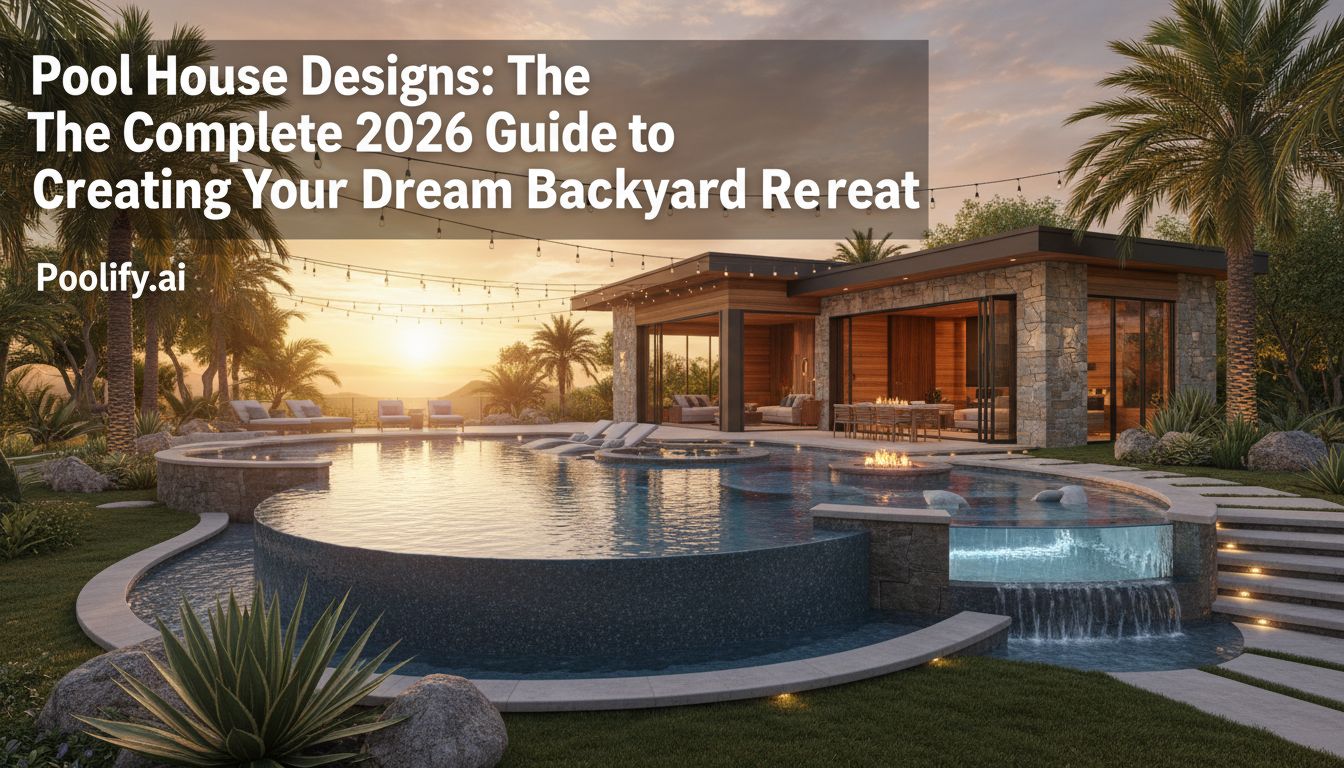
Introduction to Pool House Designs
Pool house designs have evolved from simple changing rooms into sophisticated backyard retreats that enhance property value and outdoor living experiences. In 2026, homeowners are investing in pool houses that serve multiple purposes—from entertainment spaces and home offices to guest suites and wellness centers. Whether you’re planning a modest cabana or an elaborate pavilion, understanding the fundamentals of pool house designs helps you create a functional, beautiful space that complements your pool and property.
This comprehensive guide explores everything you need to know about pool house designs, including architectural styles, essential features, layout considerations, and budget planning. You’ll discover how to maximize your investment while creating a poolside sanctuary that meets your family’s unique needs.
Understanding Pool House Design Fundamentals
Successful pool house designs begin with understanding your property’s characteristics and your family’s lifestyle needs. The best pool houses blend seamlessly with your home’s architecture while providing practical amenities that enhance pool enjoyment. Before diving into specific styles and features, consider how you’ll primarily use the space—whether for changing and storage, entertaining guests, or creating a multi-functional retreat.
Location plays a crucial role in pool house designs. Position your structure to provide convenient access to the pool while maintaining privacy from neighbors and street views. Consider sun exposure throughout the day, prevailing winds, and natural sight lines from your main house. These factors influence not only placement but also window orientation, door locations, and outdoor living space configurations.
Size requirements depend on intended functions and local building codes. Most pool house designs range from 100 to 800 square feet, with smaller structures focusing on changing facilities and storage, while larger designs incorporate full kitchens, bathrooms, and living areas. According to the U.S. Census Bureau’s construction data, outdoor structures have seen increased investment as homeowners prioritize outdoor living spaces.
Popular Pool House Design Styles for 2026
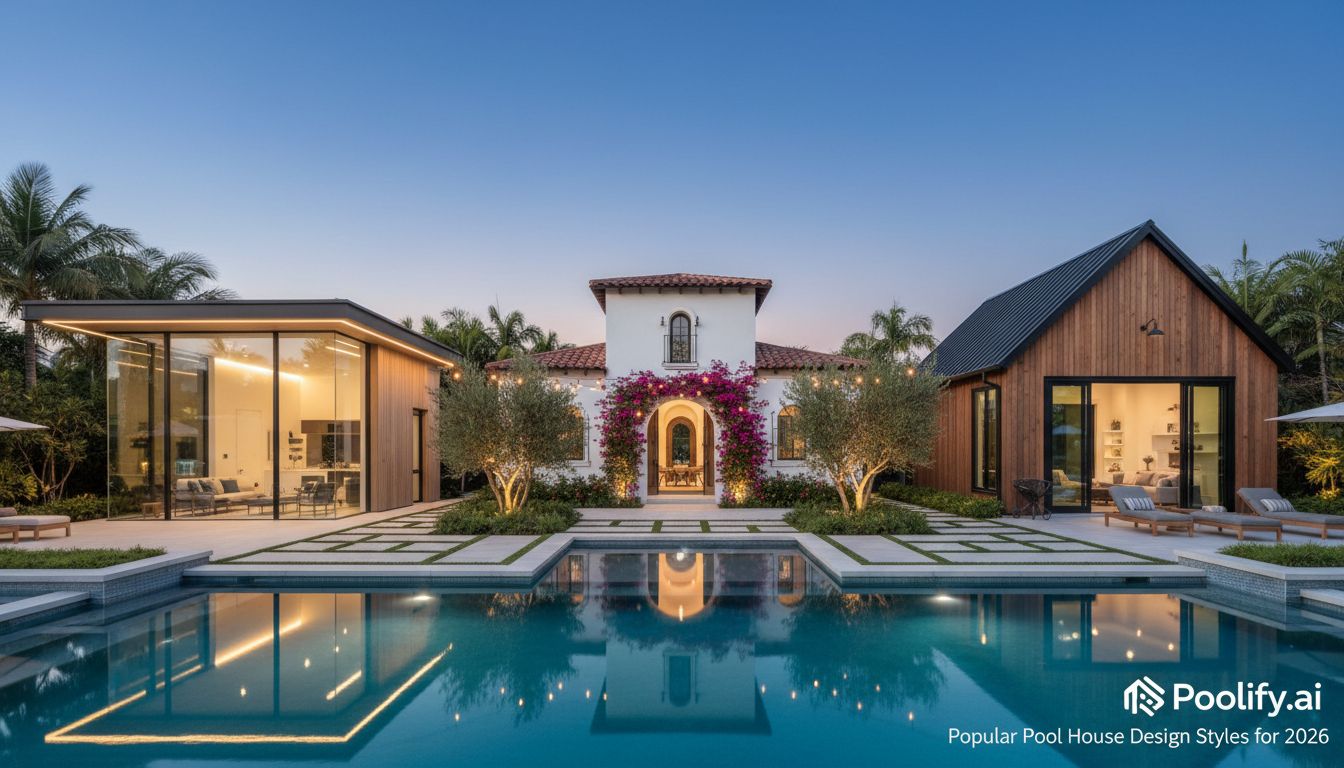
Contemporary pool house designs dominate 2026 trends, featuring clean lines, large glass panels, and seamless indoor-outdoor transitions. These modern structures incorporate sliding glass walls that open completely to connect interior spaces with pool decks and patios. Flat or low-slope roofs, minimalist color palettes, and natural materials like wood and stone create sophisticated retreats that complement modern home architecture.
Traditional pool house designs remain popular for classic and colonial-style homes. These structures feature pitched roofs, symmetrical facades, and architectural details that mirror the main residence. Covered porches with columns, shuttered windows, and board-and-batten siding create timeless appeal. Traditional pool house designs often include separate changing rooms, storage closets, and covered seating areas that provide shade and shelter.
Mediterranean and resort-style pool house designs bring vacation vibes to residential properties. Stucco exteriors, terra cotta tile roofs, arched openings, and decorative ironwork define this aesthetic. These designs typically incorporate outdoor kitchens, bars, and extensive covered lounging areas. The style works particularly well in warm climates where outdoor entertaining happens year-round.
Farmhouse pool house designs blend rustic charm with modern amenities. Vertical board siding, metal roofs, exposed beams, and barn-style doors create casual, welcoming spaces. These designs often feature shiplap interiors, vintage fixtures, and comfortable furnishings that encourage relaxation. The farmhouse aesthetic pairs beautifully with natural landscaping and creates a laid-back poolside atmosphere.
Minimalist and Scandinavian-Inspired Designs
Minimalist pool house designs emphasize simplicity and functionality with neutral color schemes, clean architectural lines, and carefully curated features. Scandinavian-inspired approaches incorporate natural light, pale wood tones, and efficient space planning. These designs appeal to homeowners seeking understated elegance and low-maintenance outdoor structures that focus on essential amenities without unnecessary ornamentation.
Essential Features in Modern Pool House Designs
Changing facilities represent the most fundamental element in pool house designs. At minimum, include a changing area with privacy, hooks for towels and clothing, and a bench or seating. More elaborate designs incorporate separate changing rooms for men and women, private shower stalls, and dedicated storage for pool toys and equipment. Proper ventilation prevents moisture buildup and mildew in these high-humidity spaces.
Bathroom facilities significantly enhance pool house functionality and property value. Full bathrooms with toilets, sinks, and showers eliminate trips to the main house in wet swimwear. Consider outdoor showers with hot and cold water for rinsing before entering the pool. Quality plumbing fixtures designed for high-moisture environments ensure longevity and reduce maintenance requirements in your pool house designs.
Kitchen and bar areas transform pool houses into entertainment hubs. Basic configurations include a small refrigerator, sink, and counter space for preparing snacks and drinks. Expanded designs incorporate full outdoor kitchens with grills, refrigerators, ice makers, and ample prep surfaces. Built-in bars with seating create social focal points. When planning kitchen features in pool house designs, ensure adequate electrical service and proper ventilation for cooking appliances.
Storage solutions keep pool areas organized and clutter-free. Dedicated spaces for pool chemicals, cleaning equipment, floats, and toys maintain safety and aesthetics. Built-in cabinets, closets, and shelving maximize vertical space. Consider separate storage for pool maintenance equipment versus recreational items. Weather-resistant materials prevent damage from humidity and temperature fluctuations common in pool environments.
Climate Control and Comfort Features
Heating and cooling systems extend pool house usability throughout the year. Ceiling fans provide cost-effective cooling during warm months. Mini-split HVAC systems offer efficient temperature control without requiring ductwork. Outdoor heaters and fire features create warmth for evening gatherings. Proper insulation in walls and roofing improves energy efficiency and comfort in climate-controlled pool house designs.
Layout Planning for Pool House Designs
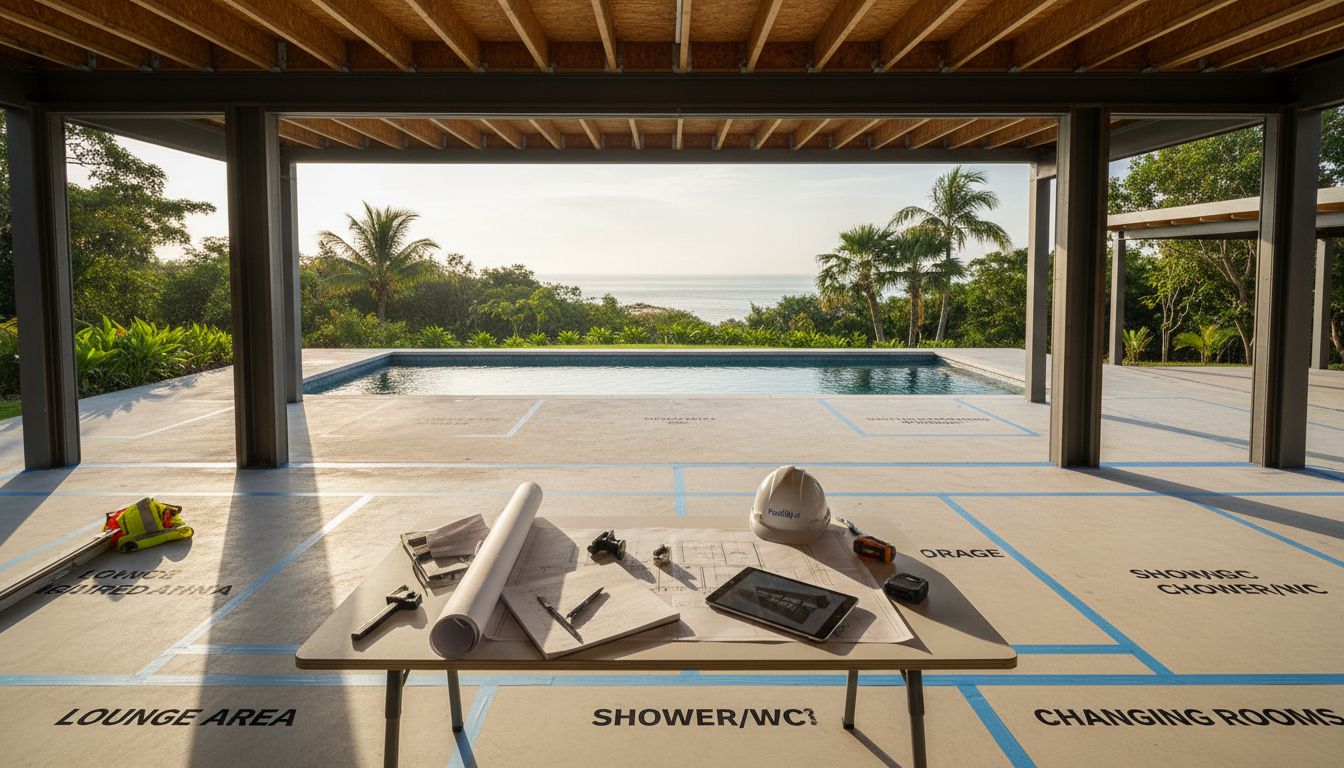
Open-concept pool house designs maximize flexibility and create spacious feelings even in compact footprints. Combining kitchen, dining, and lounging areas in one flowing space accommodates various activities and group sizes. Large openings and glass walls blur boundaries between interior and exterior spaces. This layout works particularly well for entertainment-focused pool house designs where social interaction takes priority.
Multi-room layouts provide privacy and dedicated spaces for different functions. Separate changing rooms, bathrooms, and storage areas keep wet and dry zones distinct. This configuration suits families with children or homeowners who frequently host guests. Consider traffic flow patterns to prevent bottlenecks during peak usage times. Strategic door and window placement ensures convenient access while maintaining privacy.
Covered outdoor living spaces extend usable square footage without the cost of fully enclosed structures. Pergolas, pavilions, and covered patios attached to pool houses provide shade and weather protection. These semi-outdoor areas work beautifully for dining, lounging, and entertaining. Incorporate ceiling fans, lighting, and weather-resistant furnishings to create comfortable outdoor rooms that complement your pool house designs.
The relationship between your pool house and pool deck requires careful consideration. Position doors and windows to provide clear sight lines to the pool for safety supervision. Create natural pathways that guide traffic flow without crossing prime sunbathing or seating areas. Adequate deck space between the pool and structure prevents crowding and improves functionality during parties and gatherings.
Accessibility and Universal Design
Incorporating accessibility features ensures pool house designs accommodate all family members and guests. Wide doorways, zero-threshold entries, and appropriate clearances allow wheelchair access. Grab bars in bathrooms and showers provide safety without compromising aesthetics. Lever-style door handles and accessible light switches improve usability. These considerations add minimal cost during construction but significantly enhance long-term value and functionality.
Materials and Construction Considerations
Exterior material selection impacts both aesthetics and maintenance requirements in pool house designs. Wood siding offers natural beauty but requires regular staining or painting. Fiber cement provides wood-like appearance with superior durability and minimal maintenance. Stucco works well for Mediterranean styles and withstands humid environments. Metal siding creates modern aesthetics with excellent longevity. Consider climate conditions, architectural compatibility, and long-term maintenance when selecting materials.
Roofing materials should complement your main house while providing weather protection and durability. Asphalt shingles offer cost-effective performance for traditional pool house designs. Metal roofing provides longevity and works beautifully in contemporary and farmhouse styles. Clay or concrete tiles suit Mediterranean aesthetics. Proper roof pitch ensures adequate drainage, while overhangs protect walls and outdoor living spaces from rain and sun.
Flooring must withstand moisture, pool chemicals, and heavy foot traffic. Porcelain or ceramic tile provides durability and easy maintenance for interior spaces. Concrete floors offer cost-effective durability and can be stained or stamped for visual interest. Outdoor-rated luxury vinyl plank provides wood aesthetics with waterproof performance. Avoid materials that become slippery when wet or deteriorate from constant moisture exposure in pool house designs.
Windows and doors significantly impact energy efficiency, security, and indoor-outdoor connectivity. Impact-resistant glass provides hurricane protection in coastal areas. Low-E coatings reduce heat gain while maintaining natural light. Sliding glass doors and folding wall systems create flexible openings that transform spaces. Proper weatherstripping and quality hardware ensure long-term performance. Consider window placement for natural ventilation that reduces reliance on mechanical cooling systems.
Sustainable and Eco-Friendly Options
Green building practices reduce environmental impact and operating costs in pool house designs. Solar panels on roofs generate electricity for lighting, climate control, and appliances. Rainwater collection systems provide water for landscaping or pool topping. Recycled and sustainably sourced materials minimize environmental footprint. LED lighting reduces energy consumption. Proper insulation and efficient HVAC systems lower utility costs while improving comfort in climate-controlled spaces.
Technology Integration in Pool House Designs
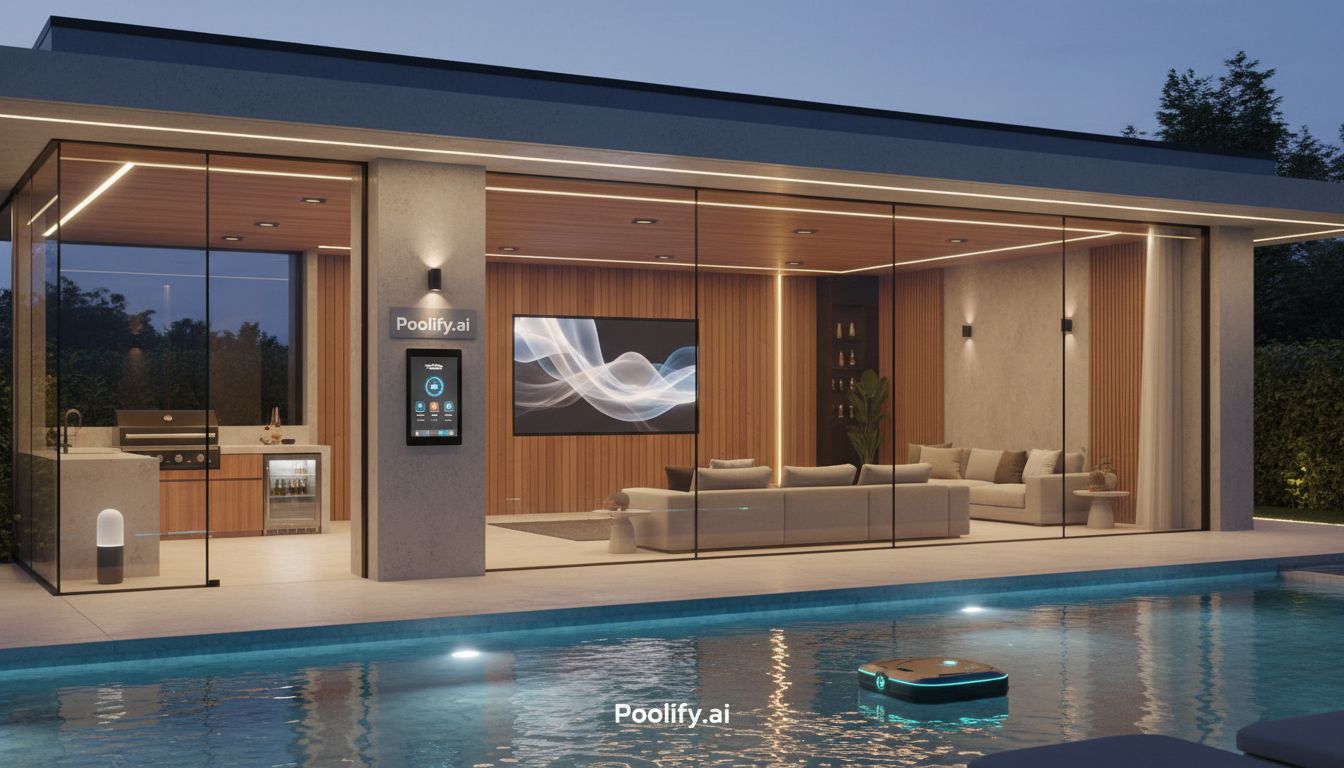
Smart home technology enhances convenience and efficiency in modern pool house designs. Automated lighting systems adjust based on time of day or occupancy. Smart thermostats optimize climate control while minimizing energy waste. Integrated audio systems create entertainment ambiance without visible speakers cluttering spaces. Control systems accessible via smartphone apps allow remote management of lighting, temperature, and security features.
Entertainment technology transforms pool houses into outdoor theaters and game rooms. Weatherproof televisions designed for outdoor use withstand humidity and temperature fluctuations. Surround sound systems create immersive audio experiences. Gaming systems and streaming devices provide entertainment options for all ages. Ensure adequate electrical capacity and network connectivity to support technology features in your pool house designs.
Security systems protect valuable equipment and provide peace of mind. Cameras monitor pool areas for safety and security. Smart locks allow keyless entry and remote access control. Motion-sensor lighting deters intruders while improving nighttime safety. Integration with whole-property security systems creates comprehensive protection. Consider privacy concerns when positioning cameras to avoid capturing neighboring properties.
Budgeting and Cost Considerations
Pool house design costs vary dramatically based on size, features, materials, and location. Basic structures with changing facilities and storage typically range from $15,000 to $50,000. Mid-range designs incorporating bathrooms, kitchenettes, and quality finishes cost $50,000 to $150,000. Luxury pool houses with full amenities, high-end materials, and custom features can exceed $200,000. According to Bureau of Labor Statistics data, construction costs continue to fluctuate based on material availability and labor market conditions.
Foundation and site preparation represent significant cost factors often overlooked in initial budgets. Level sites with good drainage require minimal preparation, while sloped properties may need extensive grading and retaining walls. Utility connections for water, electricity, and gas add costs that vary based on distance from existing service lines. Permit fees and inspection requirements differ by municipality but typically range from $500 to $5,000 depending on project scope.
Design complexity impacts labor costs and project timelines. Simple rectangular structures with standard features cost less to build than complex designs with custom details. Prefabricated pool house designs offer cost savings compared to fully custom construction. However, prefab options may have limited customization and require modifications to suit specific sites. Balance cost considerations with long-term satisfaction and property value enhancement when making design decisions.
Ongoing maintenance costs should factor into overall budget planning. Climate control systems increase utility expenses. Regular cleaning, painting, and repairs maintain appearance and functionality. Quality materials and construction reduce long-term maintenance requirements. Consider creating a maintenance reserve fund to address repairs and updates without financial strain. Well-maintained pool house designs preserve property value and provide decades of enjoyment.
Financing Options and ROI
Home equity loans and lines of credit provide common financing for pool house construction. Cash-out refinancing leverages property equity for larger projects. Personal loans offer alternatives for homeowners without significant equity. Construction loans provide staged funding as projects progress. Evaluate interest rates, repayment terms, and tax implications when selecting financing options. Quality pool house designs typically recoup 50-70% of construction costs in increased property value, with higher returns in premium markets.
Permitting and Regulatory Requirements
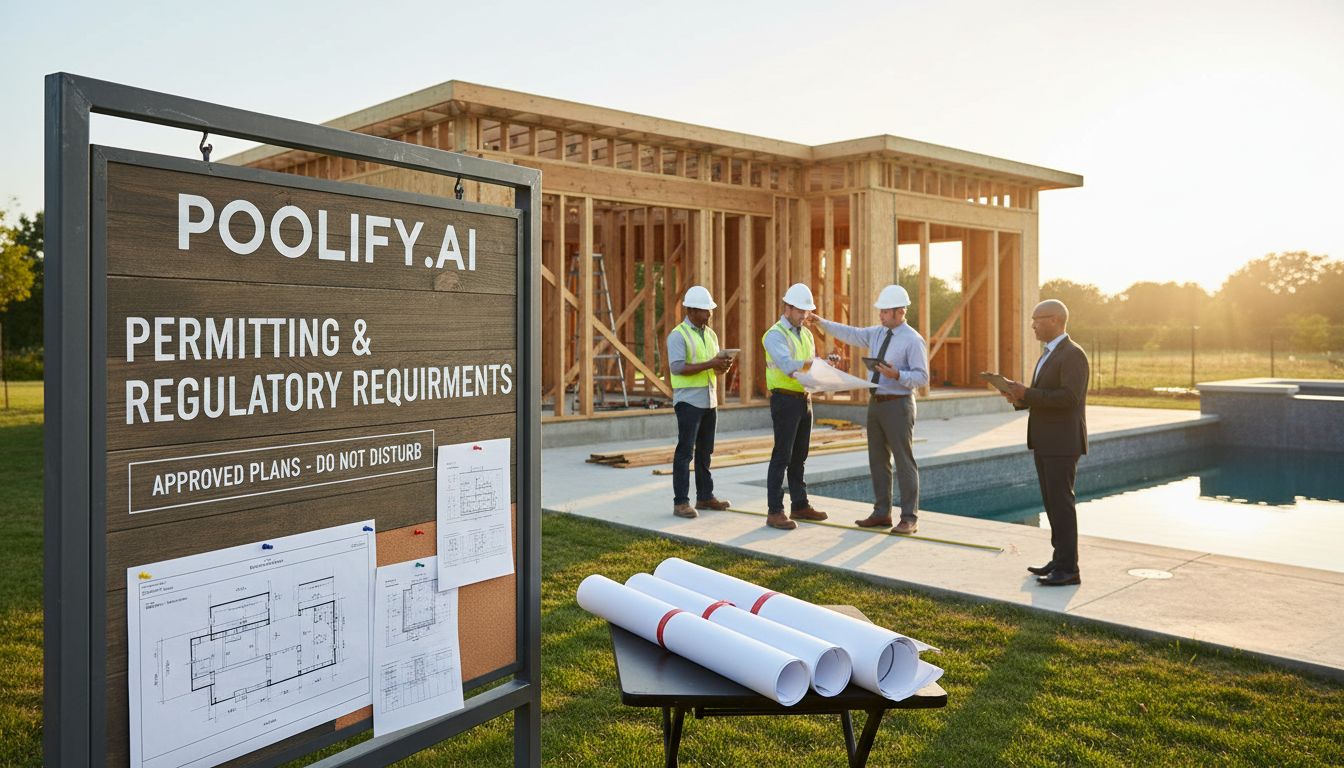
Building permits ensure pool house designs meet local safety and zoning requirements. Most municipalities require permits for structures exceeding certain square footage thresholds, typically 100-200 square feet. Permit applications include detailed construction plans, site surveys, and engineering specifications. Review processes take several weeks to months depending on jurisdiction complexity and workload. Starting construction without proper permits risks fines, stop-work orders, and complications during property sales.
Setback requirements dictate minimum distances between pool houses and property lines. These regulations prevent overcrowding, maintain neighbor privacy, and ensure emergency access. Typical setbacks range from 5 to 20 feet depending on structure size and local codes. Height restrictions limit vertical construction to maintain neighborhood character and prevent shade impacts on adjacent properties. Verify requirements early in the planning process to avoid costly design revisions.
Homeowner association rules may impose additional restrictions beyond municipal codes. HOA covenants often regulate architectural styles, materials, colors, and landscaping to maintain community aesthetics. Some associations require design review committee approval before permit applications. Review HOA documents thoroughly and engage with committees early in the planning process. Non-compliance can result in fines and forced modifications to completed structures.
Electrical and plumbing work requires licensed contractors in most jurisdictions. Building inspectors verify installations meet safety codes at various construction stages. Final inspections ensure completed pool house designs comply with approved plans. Maintain detailed records of permits, inspections, and contractor licenses for future property transactions. Proper documentation demonstrates compliance and protects property values.
Working with Design Professionals
Architects bring expertise in creating functional, beautiful pool house designs that complement existing properties. They develop detailed construction drawings, navigate permit processes, and coordinate with contractors. Architectural fees typically range from 8-15% of construction costs. For complex projects or when architectural harmony with your main house is crucial, professional design services provide valuable returns through optimized layouts and avoided mistakes.
Design-build firms offer integrated services combining design and construction under one contract. This approach streamlines project management and can reduce overall timelines. Single-source responsibility simplifies communication and accountability. Design-build works well for homeowners seeking turnkey solutions without managing multiple contractors. Compare proposals carefully to ensure design quality meets expectations before committing to construction.
General contractors manage construction logistics, subcontractor coordination, and quality control. Experienced contractors familiar with pool house designs understand unique challenges like moisture management and outdoor structure durability. Request references, verify licenses and insurance, and review previous projects before hiring. Clear contracts specifying timelines, payment schedules, and change order processes protect both parties and ensure successful project completion.
Interior designers optimize space planning, material selections, and furnishing choices in pool house designs. They create cohesive aesthetics that extend outdoor living experiences. Design professionals access trade-only resources and negotiate favorable pricing on furnishings and finishes. For homeowners uncertain about style directions or overwhelmed by material choices, design consultation provides clarity and confidence in decision-making.
Landscaping and Outdoor Integration
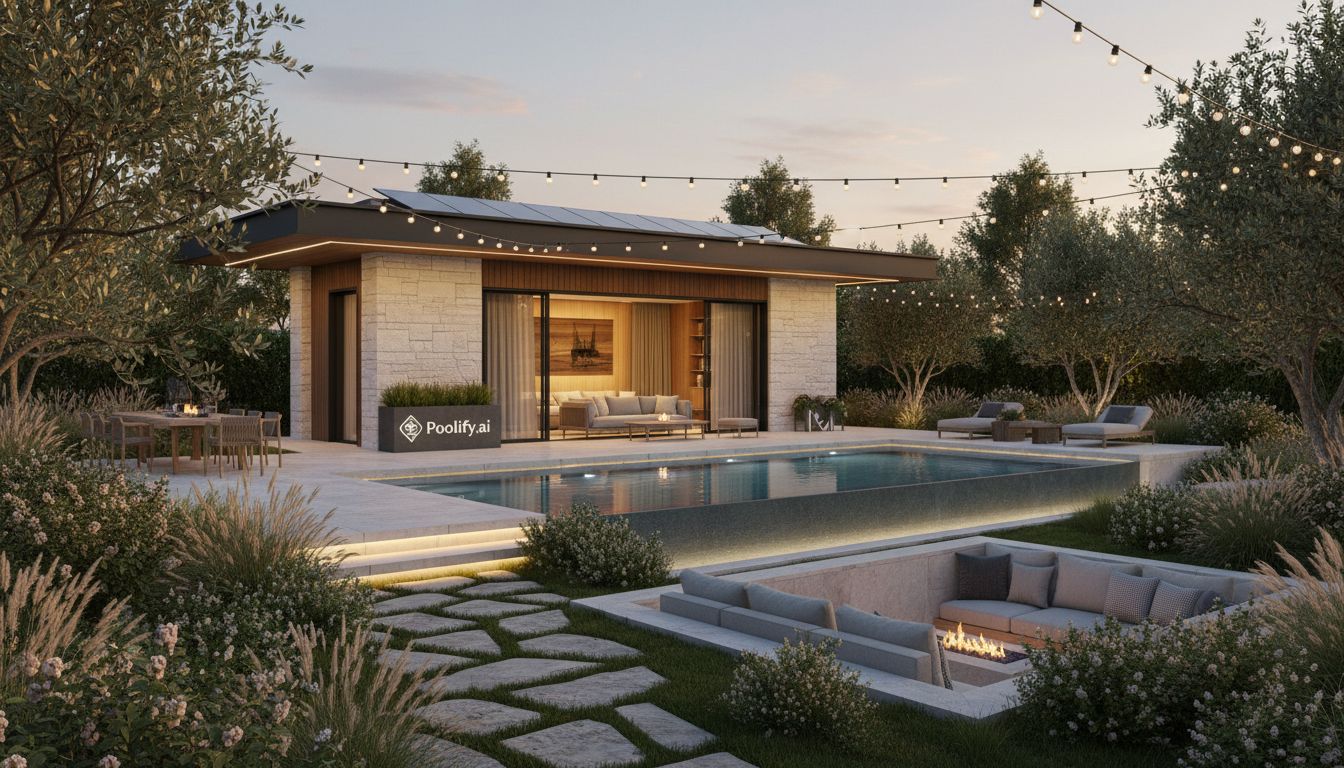
Landscaping connects pool houses to surrounding yards and creates cohesive outdoor environments. Strategic plantings provide privacy screening from neighbors while softening architectural lines. Shade trees reduce cooling costs and create comfortable outdoor spaces. Native plants adapted to local climates require less water and maintenance than exotic species. Coordinate landscape design with pool house construction to avoid damage to new plantings or completed structures.
Hardscaping elements like pathways, patios, and retaining walls define outdoor spaces and improve functionality. Natural stone, pavers, or stamped concrete create durable surfaces that complement pool house designs. Proper drainage prevents water accumulation near foundations and eliminates slippery conditions. Outdoor lighting along pathways enhances safety and extends usability into evening hours. Consider maintenance requirements when selecting hardscape materials to ensure long-term appearance.
Outdoor living features extend pool house functionality into surrounding areas. Fire pits and fireplaces create gathering spots for cool evenings. Pergolas and shade structures define outdoor rooms without full enclosure. Outdoor kitchens and dining areas accommodate large gatherings. Water features like fountains add soothing sounds and visual interest. Integrate these elements during initial planning to ensure proper utility connections and cohesive design.
Privacy considerations become increasingly important as outdoor living spaces see more use. Fencing, walls, and dense plantings block sightlines from neighboring properties. Strategic positioning of pool house structures provides natural screening. Lattice panels with climbing vines create attractive privacy solutions. Balance privacy needs with maintaining open, airy feelings in outdoor spaces. Consider seasonal foliage changes when relying on plantings for year-round screening.
Seasonal Considerations and Year-Round Use
Climate-appropriate pool house designs maximize usability across seasons. In warm climates, prioritize shade, ventilation, and cooling features. Covered outdoor spaces provide relief from intense sun. Cross-ventilation through strategically placed windows and doors reduces reliance on air conditioning. Light-colored materials reflect heat and maintain comfortable interior temperatures in pool house designs.
Cold-climate pool house designs require insulation, heating systems, and weather protection. Enclosed structures with climate control extend usability beyond swimming season. Winterization procedures protect plumbing from freezing temperatures. Heated floors provide comfortable barefoot surfaces year-round. Consider alternative uses during off-season months, such as home offices, exercise spaces, or hobby rooms that justify climate control investments.
Transitional seasons present unique opportunities for pool house enjoyment. Spring and fall weather often provides ideal conditions for outdoor entertaining. Heating elements like fireplaces or patio heaters extend comfortable outdoor time. Retractable screens protect from insects while maintaining airflow. Flexible designs that adapt to changing weather conditions maximize return on investment in pool house construction.
Maintenance schedules should align with seasonal usage patterns. Pre-season preparations ensure everything functions properly when swimming season begins. Regular cleaning and inspections during peak use identify issues before they become major problems. End-of-season winterization protects structures and systems from weather damage. Develop checklists for seasonal transitions to ensure nothing gets overlooked in pool house maintenance.
Common Mistakes to Avoid in Pool House Designs
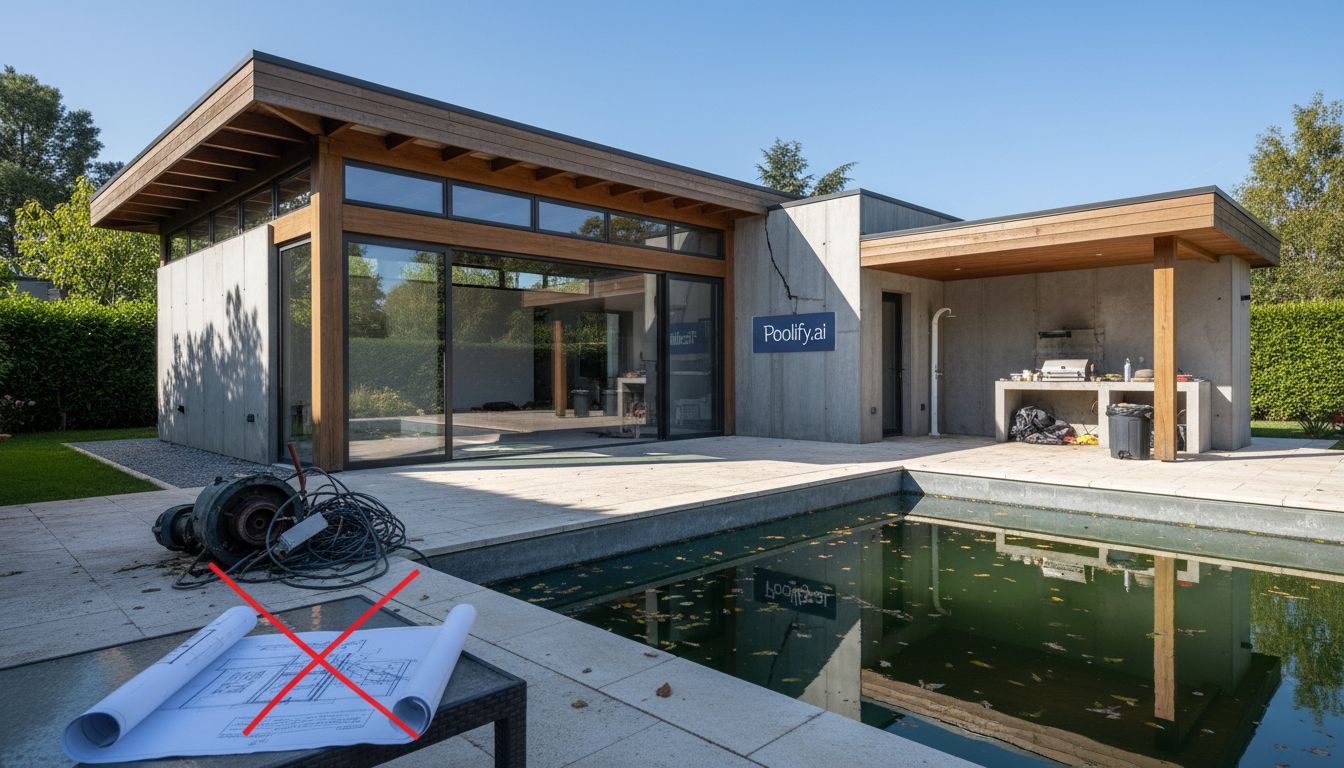
Undersizing represents one of the most common regrets in pool house construction. While budget constraints tempt homeowners toward minimal structures, inadequate space limits functionality and enjoyment. Consider future needs and potential property value impacts when determining size. Adding space during initial construction costs significantly less than expanding later. Most designers recommend building slightly larger than minimum requirements to accommodate evolving needs.
Inadequate storage planning creates cluttered, disorganized pool areas. Pool maintenance equipment, toys, furniture cushions, and supplies require dedicated storage spaces. Overlooking these needs during design results in items scattered around pools or stored inappropriately in living areas. Build generous storage into pool house designs from the beginning rather than adding afterthought solutions that compromise aesthetics.
Poor placement relative to the main house and pool creates inconvenient traffic patterns. Pool houses positioned too far from pools reduce functionality, while placement too close creates crowding. Consider sun angles, prevailing winds, and views from both structures. Walk your property at different times of day before finalizing placement. Correct positioning enhances daily use and long-term satisfaction with pool house designs.
Neglecting electrical capacity for current and future needs creates limitations and expensive upgrades. Modern pool houses require substantial electrical service for climate control, kitchen appliances, entertainment systems, and lighting. Plan for adequate amperage and circuit breakers during initial construction. Include extra circuits for future additions. Proper electrical planning prevents tripped breakers and enables full enjoyment of pool house amenities.
Overlooking Moisture Management
Moisture issues plague poorly designed pool houses, leading to mold, mildew, and structural damage. Proper ventilation removes humid air from changing areas and bathrooms. Moisture-resistant materials prevent deterioration in high-humidity environments. Adequate roof overhangs protect walls from rain. Proper grading directs water away from foundations. Address moisture management comprehensively in pool house designs to ensure healthy, durable structures.
Enhancing Property Value with Pool House Designs
Quality pool house designs significantly enhance property appeal and market value. Buyers increasingly prioritize outdoor living spaces and view pool houses as luxury amenities. Well-designed structures that complement main house architecture create cohesive properties that command premium prices. According to real estate professionals, properties with pool houses typically sell faster and for higher prices than comparable homes with pools alone.
Functionality determines how much value pool houses add to properties. Structures with full bathrooms, kitchens, and climate control provide greater returns than basic changing rooms. Multi-functional spaces that serve purposes beyond pool support—such as guest suites or home offices—appeal to broader buyer pools. Consider resale implications when making design decisions, especially regarding permanent features and architectural styles.
Maintenance condition significantly impacts perceived value. Well-maintained pool houses suggest overall property care to potential buyers. Regular updates to finishes, fixtures, and technology keep spaces current and appealing. Address repairs promptly to prevent minor issues from becoming major problems. Professional staging and photography showcase pool house potential during property marketing.
Documentation of permits, professional design, and quality construction provides buyer confidence. Maintain records of all work performed, including contractor licenses, inspection approvals, and warranty information. This documentation demonstrates compliance with building codes and assures buyers of structural integrity. Proper permitting prevents complications during title transfers and protects property values.
Inspiring Pool House Design Ideas
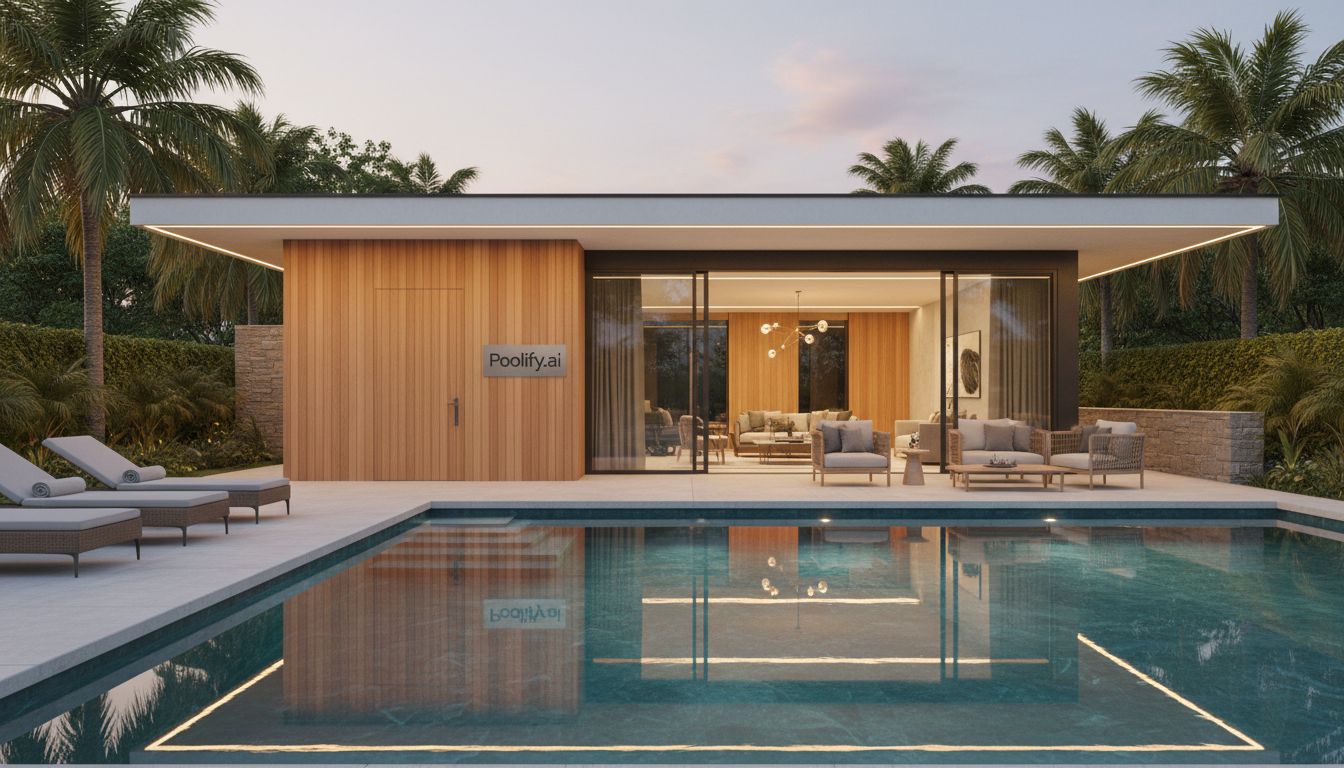
Coastal-inspired pool house designs bring beach house vibes to inland properties. Light color palettes, natural textures, and nautical accents create relaxed atmospheres. Shiplap walls, rope details, and weathered wood finishes evoke seaside charm. Large windows and doors maximize natural light and ventilation. Casual, comfortable furnishings encourage relaxation and informal entertaining in these breezy pool house designs.
Modern luxury pool houses incorporate high-end finishes and resort-quality amenities. Floor-to-ceiling glass walls, sleek cabinetry, and premium appliances create sophisticated spaces. Spa-like bathrooms with rainfall showers and heated floors provide indulgent experiences. Built-in sound systems, automated lighting, and climate control deliver five-star comfort. These upscale pool house designs transform backyards into private retreats rivaling boutique hotels.
Multi-generational pool house designs accommodate extended family gatherings and guest accommodations. Separate sleeping quarters with en-suite bathrooms provide privacy for overnight visitors. Kitchenettes enable independent meal preparation. Living areas offer comfortable spaces for all ages to gather. These versatile designs maximize property functionality while maintaining main house privacy during extended visits.
Eco-conscious pool house designs prioritize sustainability without sacrificing style. Reclaimed materials, solar power, and rainwater collection reduce environmental impact. Natural ventilation and passive cooling minimize energy consumption. Non-toxic finishes and sustainable furnishings create healthy indoor environments. Green roofs or living walls integrate structures into natural landscapes. These environmentally responsible pool house designs appeal to eco-minded homeowners and reduce operating costs.
Future Trends in Pool House Designs
Wellness-focused pool house designs reflect growing interest in health and self-care. Dedicated spaces for yoga, meditation, or exercise complement pool fitness activities. Saunas, steam rooms, and cold plunge pools create comprehensive wellness experiences. Natural materials, abundant daylight, and connections to nature support mental and physical wellbeing. These health-oriented pool house designs transform backyards into personal wellness retreats.
Flexible, adaptable spaces accommodate changing needs over time. Movable partitions create different configurations for various activities. Multi-purpose furnishings maximize functionality in compact footprints. Technology infrastructure supports diverse uses from remote work to entertainment. Future-forward pool house designs anticipate evolving lifestyles and provide long-term value through adaptability.
Biophilic design principles integrate nature into pool house structures. Living walls bring greenery indoors while improving air quality. Natural materials like wood and stone create organic aesthetics. Large windows frame landscape views and maximize natural light. Indoor-outdoor transitions blur boundaries between built and natural environments. These nature-connected pool house designs promote relaxation and environmental harmony.
Smart automation continues advancing in pool house technology. Voice-activated controls manage lighting, temperature, and entertainment systems. Automated pool maintenance systems coordinate with pool house functions. Energy management systems optimize efficiency and reduce costs. As technology evolves, pool house designs increasingly integrate intelligent systems that enhance convenience and sustainability.
Key Takeaways
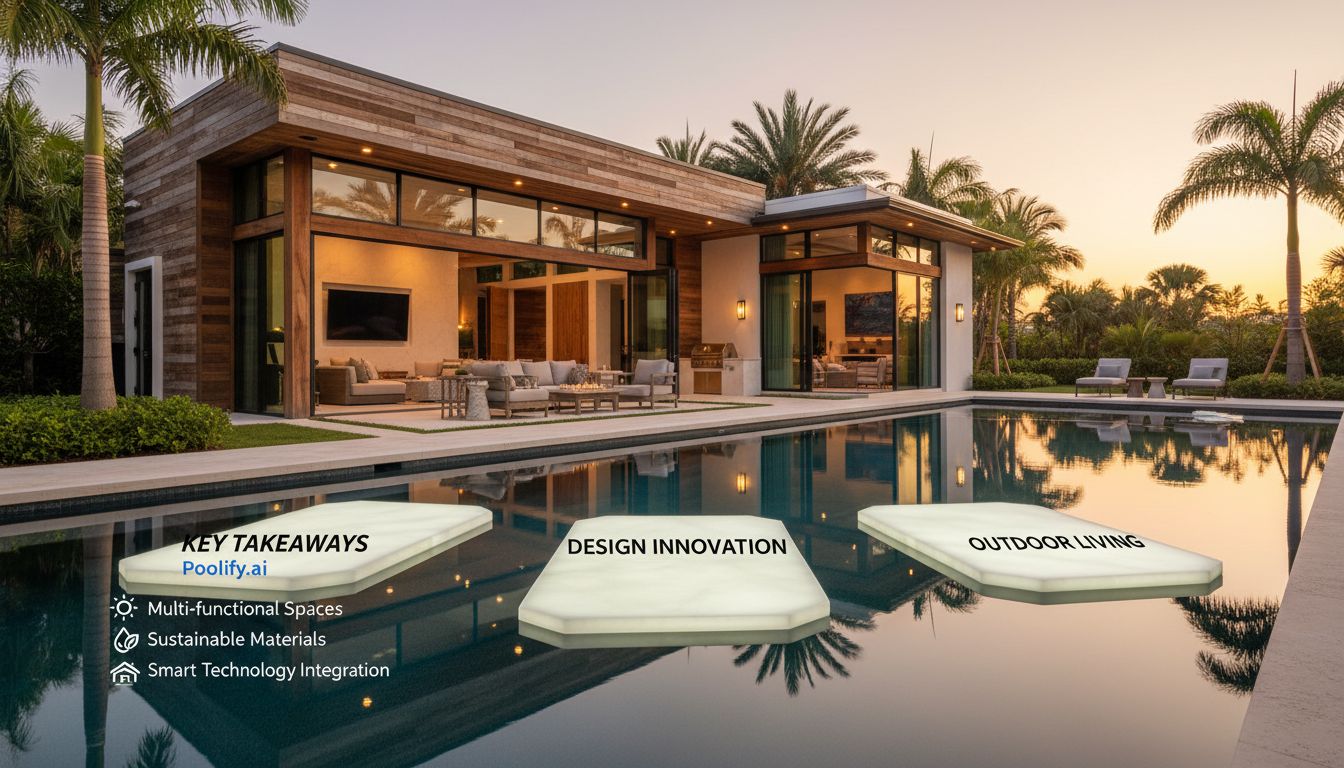
- Plan for multiple functions: Successful pool house designs accommodate changing facilities, storage, entertainment, and relaxation spaces that enhance daily pool enjoyment and property value.
- Match architectural style: Pool houses should complement your main residence’s architecture while incorporating features that suit your lifestyle and climate conditions for year-round functionality.
- Invest in quality materials: Moisture-resistant, durable materials reduce maintenance requirements and ensure long-term performance in the challenging pool environment with constant humidity exposure.
- Size appropriately: Build slightly larger than minimum requirements to accommodate future needs, avoid regrets, and maximize return on investment through enhanced functionality and appeal.
- Address permits early: Understand local building codes, setback requirements, and HOA restrictions before finalizing designs to avoid costly revisions and ensure compliant construction.
Frequently Asked Questions
What is the ideal size for a pool house?
The ideal size for pool house designs depends on intended functions and property scale. Basic changing facilities require 100-200 square feet, while structures with full bathrooms and kitchens need 300-500 square feet. Entertainment-focused designs with living areas typically range from 500-800 square feet. Consider your budget, lot size, and how you’ll use the space when determining appropriate dimensions for your pool house.
Do I need a building permit for a pool house?
Most municipalities require building permits for pool houses exceeding 100-200 square feet or containing plumbing and electrical systems. Permit requirements vary by location, so check with your local building department early in the planning process. Structures with permanent foundations, utilities, or climate control almost always require permits. Working without proper permits risks fines, forced removal, and complications during property sales.
How much does it cost to build a pool house?
Pool house design costs range from $15,000 for basic structures to over $200,000 for luxury designs with premium finishes and full amenities. Average mid-range projects with bathrooms, kitchenettes, and quality materials cost $50,000-$150,000. Factors affecting cost include size, features, materials, site conditions, and labor rates in your area. Obtain multiple contractor quotes and include contingency funds for unexpected expenses during construction.
What are essential features in a pool house?
Essential features in pool house designs include changing facilities with privacy, storage for pool equipment and supplies, and adequate electrical service for lighting and outlets. Bathrooms with showers significantly enhance functionality and convenience. Additional valuable features include kitchenettes or bars for entertaining, covered outdoor spaces for shade, proper ventilation to manage moisture, and climate control for year-round comfort in enclosed structures.
How can I maximize small pool house designs?
Maximize small pool house designs through efficient space planning, multi-functional features, and vertical storage solutions. Open layouts create spacious feelings despite compact footprints. Pocket or sliding doors save space compared to swing doors. Built-in benches with storage underneath maximize utility. Fold-down tables and murphy beds enable multiple uses in single spaces. Large windows and light colors make small pool houses feel more expansive and connected to outdoor areas.
Conclusion
Pool house designs transform ordinary backyards into extraordinary outdoor living environments that enhance daily life and property value. Whether you envision a simple changing room or an elaborate entertainment pavilion, thoughtful planning ensures your pool house meets functional needs while complementing your home’s architecture and your family’s lifestyle. The investment in quality design and construction pays dividends through years of enjoyment and significant returns when selling your property.
Success in pool house projects requires balancing aesthetics with practicality, current needs with future flexibility, and budget constraints with long-term value. Working with experienced professionals, understanding local regulations, and carefully considering placement, size, and features creates pool houses that exceed expectations. As outdoor living continues trending upward in 2026, well-designed pool houses represent smart investments that provide immediate enjoyment and lasting value.
Start your pool house journey by clearly defining how you’ll use the space, establishing a realistic budget, and researching local requirements. Explore various architectural styles and features to identify what resonates with your vision. Whether you’re just beginning to explore possibilities or ready to break ground, the principles and ideas in this guide provide a solid foundation for creating your perfect poolside retreat. For more inspiration on enhancing your outdoor space, check out our comprehensive pool landscaping ideas and explore pool deck materials that complement your pool house design.
References
- U.S. Census Bureau – Construction Data: https://www.census.gov/construction/chars/highlights.html
- Bureau of Labor Statistics – Consumer Price Index: https://www.bls.gov/cpi/