
Introduction to Smart Pool Technology
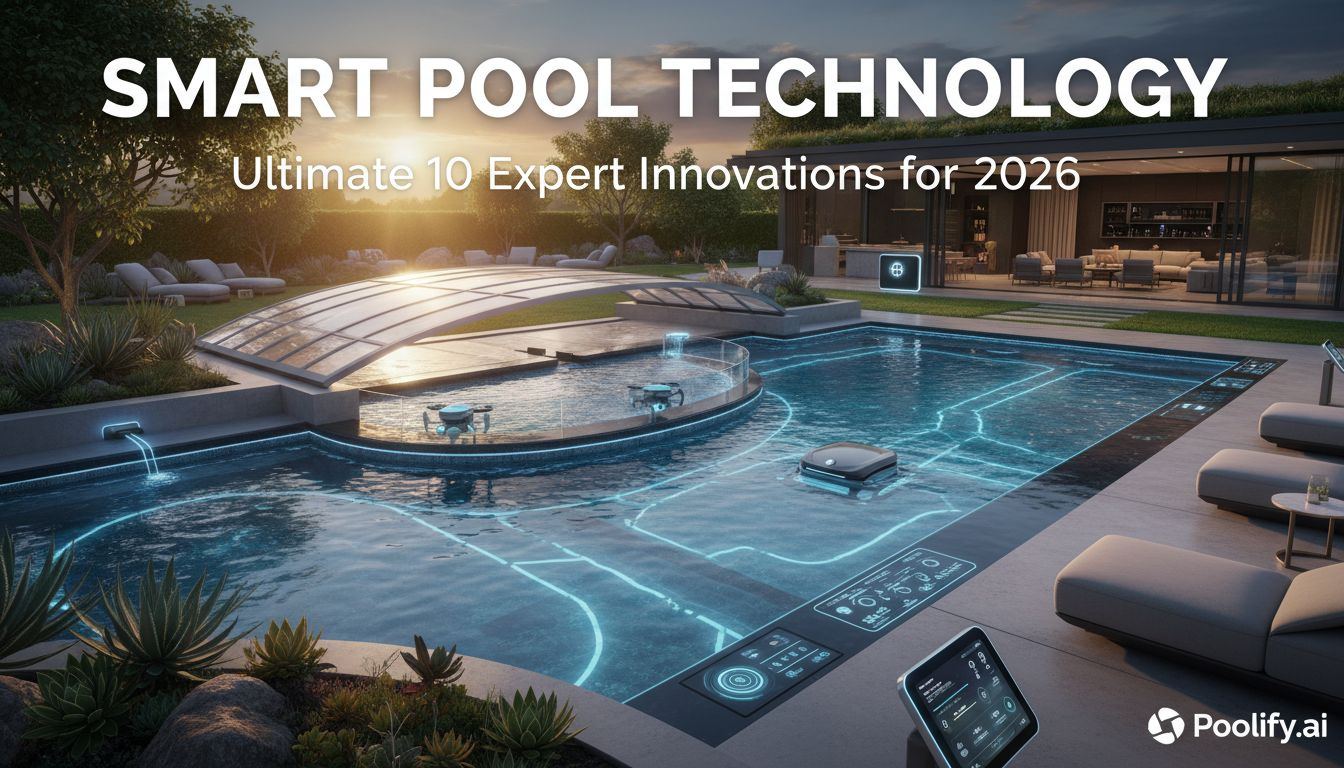
Smart pool technology has fundamentally transformed how homeowners manage and enjoy their swimming pools in 2026. These innovative systems integrate automation, artificial intelligence, and Internet of Things (IoT) connectivity to create pools that practically maintain themselves. Whether you’re considering upgrading your existing pool or planning a new installation, understanding smart pool technology is essential for maximizing convenience, reducing operational costs, and enhancing your swimming experience. This comprehensive guide explores the latest innovations, practical applications, and expert insights that make smart pool technology an increasingly popular investment for modern homeowners.
The evolution of smart pool technology has accelerated dramatically over the past few years, with 2026 marking a pivotal moment where these systems have become more accessible and sophisticated than ever before. From automated chemical balancing to AI-powered energy optimization, today’s smart pool technology offers solutions that were once available only to commercial facilities or luxury estates.
Understanding Smart Pool Technology Systems
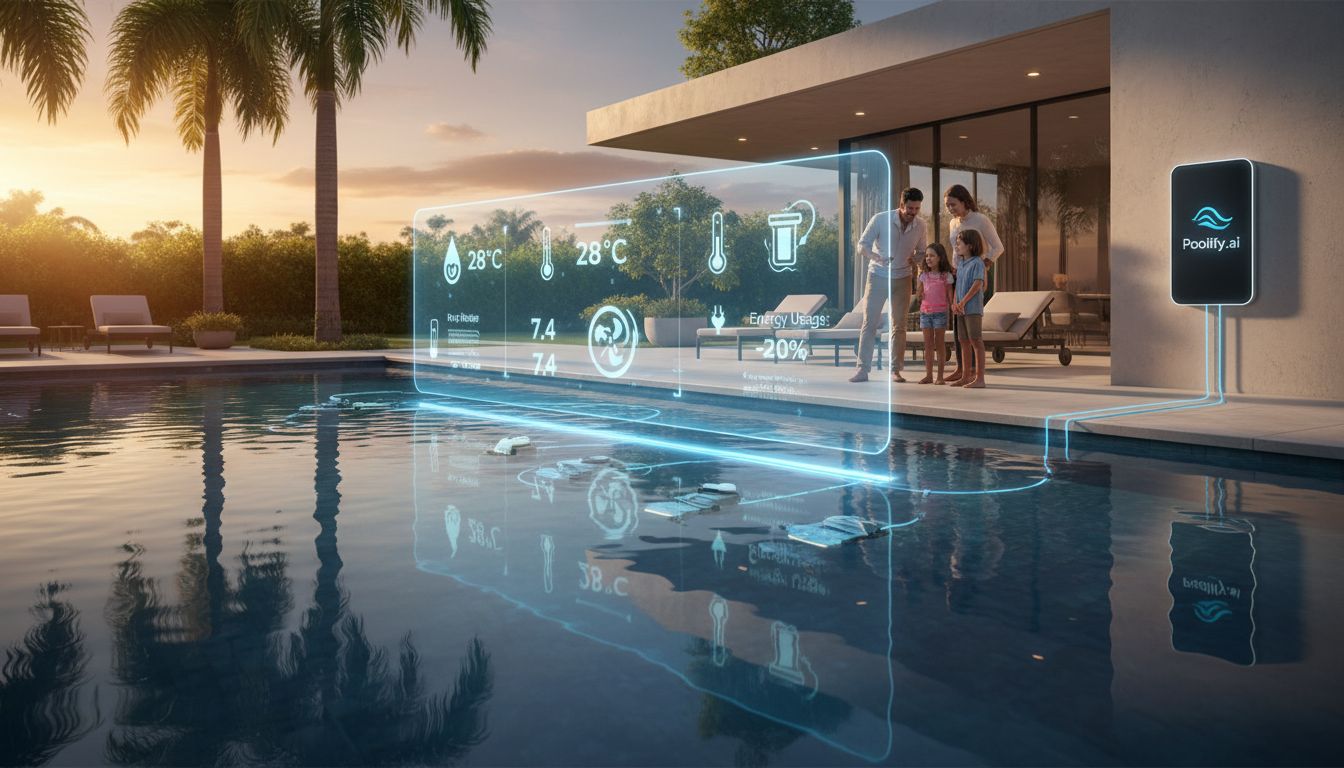
Smart pool technology encompasses a wide range of interconnected devices and software platforms designed to automate and optimize pool operations. At its core, this technology replaces manual monitoring and adjustment with intelligent systems that continuously analyze water conditions, equipment performance, and environmental factors to maintain optimal pool health.
Modern smart pool technology typically includes several key components working in harmony. Central control hubs serve as the brain of the system, processing data from multiple sensors and executing commands to various pool equipment. These hubs connect to your home Wi-Fi network, enabling remote access through smartphone applications that put complete pool control at your fingertips from anywhere in the world.
Core Components of Smart Pool Systems
The foundation of smart pool technology rests on sophisticated sensors that continuously monitor critical parameters. Water chemistry sensors track pH levels, chlorine concentration, alkalinity, and temperature in real-time. Flow sensors detect circulation issues, while pressure sensors monitor filter performance and identify potential clogs before they become problems.
Automated chemical dispensers represent another crucial element of smart pool technology. These devices precisely dose sanitizers, pH adjusters, and other chemicals based on sensor readings, eliminating guesswork and preventing the over-treatment or under-treatment that commonly occurs with manual maintenance. According to the CDC’s guidelines on pool water quality, maintaining proper chemical balance is critical for swimmer safety and comfort.
Smart pumps and heaters equipped with variable-speed motors and intelligent scheduling capabilities optimize energy consumption while maintaining ideal water conditions. These devices can adjust their operation based on usage patterns, weather forecasts, and electricity rate schedules to minimize costs without compromising performance.
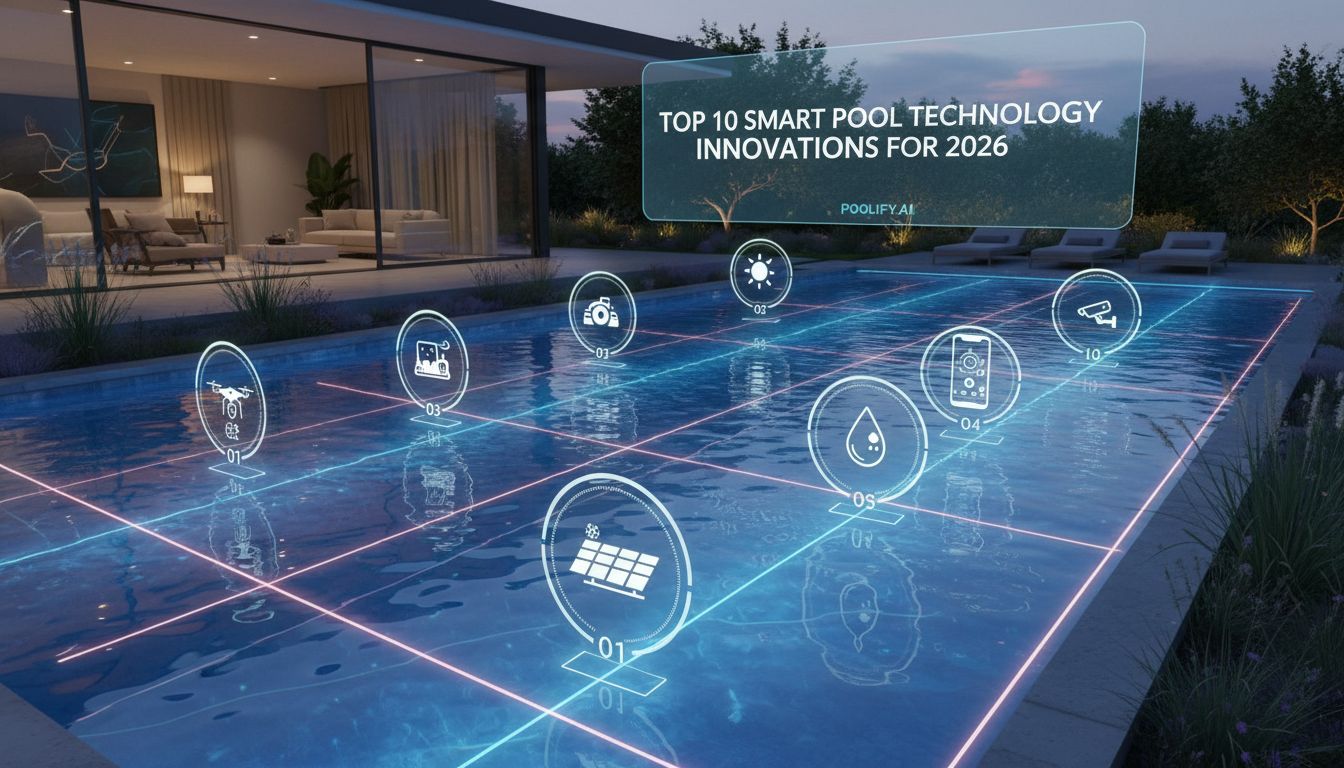
Top 10 Smart Pool Technology Innovations for 2026
1. AI-Powered Predictive Maintenance
Artificial intelligence has revolutionized smart pool technology by enabling predictive maintenance capabilities. These systems analyze historical data, equipment performance patterns, and environmental conditions to forecast potential issues before they occur. Machine learning algorithms can predict when filters need cleaning, when pumps might fail, or when chemical imbalances are likely to develop based on weather patterns and usage trends.
This proactive approach prevents costly emergency repairs and extends equipment lifespan significantly. Pool owners receive alerts days or weeks before problems manifest, allowing scheduled maintenance during convenient times rather than dealing with unexpected breakdowns during peak swimming season.
2. Robotic Pool Cleaners with Smart Navigation
The latest generation of robotic pool cleaners incorporates advanced smart pool technology with sophisticated mapping capabilities and obstacle avoidance. These autonomous devices create detailed floor plans of your pool, optimizing cleaning paths to ensure complete coverage while minimizing energy consumption and cleaning time.
Modern robotic cleaners communicate with your central pool management system, scheduling cleaning cycles based on usage patterns and debris accumulation rates. Some models even feature underwater cameras that allow remote monitoring and can identify specific problem areas requiring attention.
3. Integrated Water Quality Management
Comprehensive water quality management represents one of the most valuable applications of smart pool technology. Advanced systems continuously test multiple parameters simultaneously, including free chlorine, combined chlorine, pH, oxidation-reduction potential (ORP), total dissolved solids (TDS), and calcium hardness.
These systems don’t just monitor conditions—they automatically adjust chemical levels to maintain perfect balance. The technology accounts for factors like bather load, rainfall, temperature changes, and UV exposure to anticipate chemical demand and respond proactively rather than reactively.
4. Voice-Activated Pool Control
Integration with popular voice assistants has made smart pool technology even more convenient in 2026. Homeowners can now control lighting, heating, water features, and cleaning schedules using simple voice commands through Amazon Alexa, Google Assistant, or Apple Siri.
This hands-free control is particularly useful when entertaining guests or when your hands are full. Commands like “heat the pool to 82 degrees” or “turn on the pool lights” provide instant control without needing to locate your smartphone or visit a control panel.
5. Energy Optimization Algorithms
Smart pool technology in 2026 incorporates sophisticated energy management systems that can reduce operational costs by 40-60% compared to traditional pool equipment. These algorithms analyze electricity rate structures, including time-of-use pricing, and schedule energy-intensive operations during off-peak hours when rates are lowest.
Variable-speed pumps automatically adjust flow rates based on actual needs rather than running at full capacity continuously. Smart heaters pre-warm pools during low-rate periods and maintain temperature efficiently. Solar integration capabilities maximize free heating when available, automatically switching to conventional heating only when necessary.
6. Advanced Leak Detection Systems
Water loss from undetected leaks can waste thousands of gallons and cause significant structural damage. Modern smart pool technology includes sophisticated leak detection systems using acoustic sensors, flow analysis, and water level monitoring to identify even minor leaks quickly.
These systems establish baseline water consumption patterns and alert homeowners immediately when deviations occur. Some advanced implementations can even pinpoint leak locations, distinguishing between evaporation, splash-out, and actual structural leaks, saving considerable time and expense during repairs.
7. Smartphone-Based Pool Management
Comprehensive mobile applications serve as command centers for smart pool technology, providing complete visibility and control from anywhere. Modern apps display real-time water chemistry, equipment status, energy consumption, and maintenance schedules in intuitive dashboards.
Push notifications keep owners informed about important events, from chemical level alerts to equipment malfunctions. Historical data tracking helps identify trends and optimize settings over time. Many applications also provide educational content and troubleshooting guides, empowering owners to understand their pool systems better.
8. Automated Sanitization Systems
Beyond traditional chlorine dispensing, cutting-edge smart pool technology in 2026 incorporates multiple sanitization methods including UV-C sterilization, ozone generation, and mineral ionization. These systems work synergistically, reducing chemical dependence while maintaining superior water quality.
Intelligent controllers adjust sanitization intensity based on bather load, water temperature, and contamination levels. This dynamic approach ensures consistently safe water while minimizing chemical exposure and reducing the harsh chlorine smell many swimmers find objectionable.
9. Weather-Responsive Automation
Integration with weather forecasting services enables smart pool technology to anticipate and respond to changing conditions automatically. Systems can cover pools before storms, adjust chemical dosing ahead of heavy rainfall, or modify heating schedules based on predicted temperature changes.
This weather awareness prevents common problems like algae blooms following rainstorms or wasted energy heating pools before cold fronts arrive. The technology continuously refines its responses based on local weather patterns and your pool’s specific characteristics.
10. Multi-Pool Management Platforms
For homeowners with multiple pools, vacation properties, or property managers overseeing several installations, advanced smart pool technology platforms enable centralized management of unlimited pools from a single interface. This capability has become increasingly sophisticated in 2026, with enterprise-grade features now available to residential users.
These platforms provide comparative analytics, bulk scheduling, and consolidated reporting across all managed pools. They’re particularly valuable for ensuring consistent maintenance standards and identifying efficiency opportunities across multiple installations.
Benefits of Implementing Smart Pool Technology
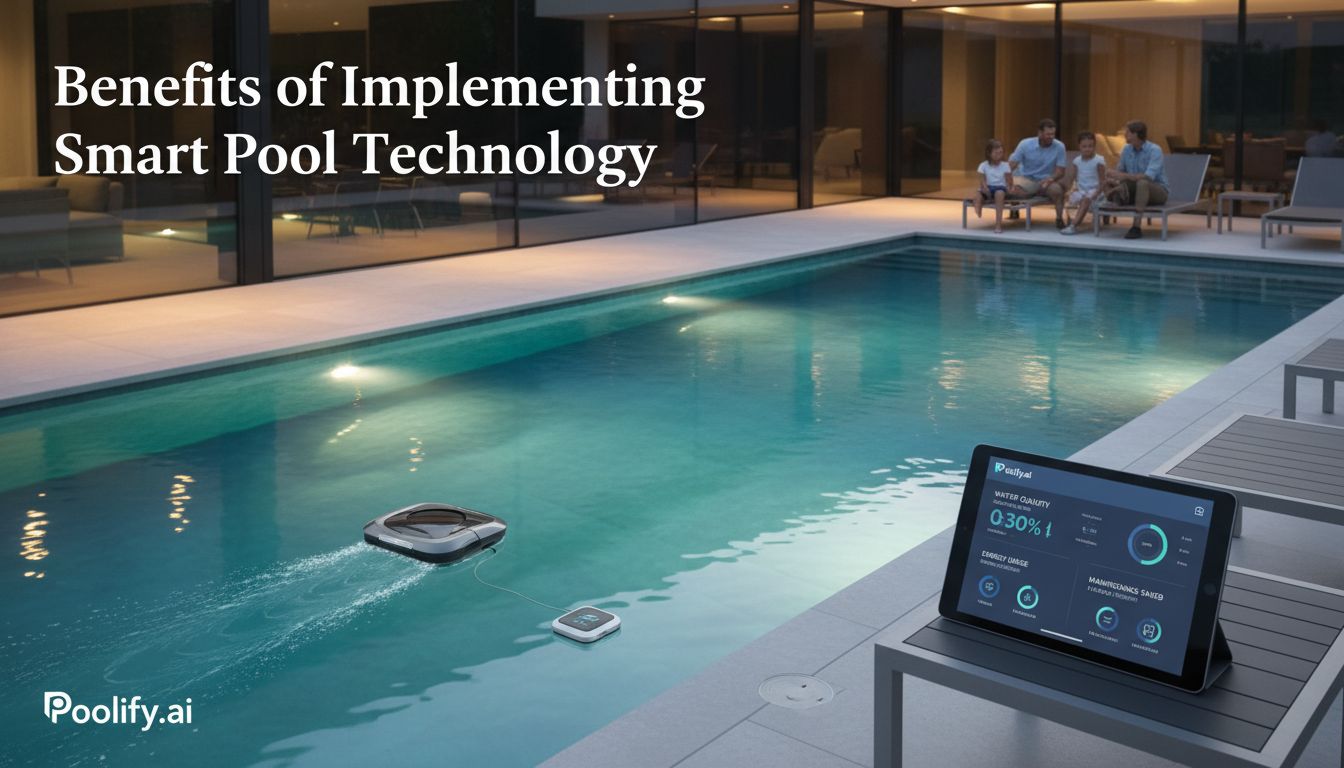
The advantages of smart pool technology extend far beyond simple convenience, delivering tangible benefits in multiple areas that justify the initial investment for most pool owners.
Significant Cost Savings
While smart pool technology requires upfront investment, the long-term savings are substantial. Automated chemical management eliminates waste from over-dosing and prevents costly problems caused by imbalanced water. Energy optimization reduces electricity consumption by thousands of kilowatt-hours annually, translating to hundreds or even thousands of dollars in savings depending on local utility rates and pool size.
Predictive maintenance prevents expensive emergency repairs by addressing issues before they escalate. Equipment operates more efficiently and lasts longer when properly maintained and not subjected to the stress of chemical imbalances or operational extremes. Many homeowners report that their smart pool technology systems pay for themselves within three to five years through combined savings.
Enhanced Water Quality and Safety
Consistent, precise water chemistry management through smart pool technology creates safer, more comfortable swimming conditions. Automated systems maintain ideal parameters continuously, unlike manual testing and adjustment which creates fluctuations between maintenance sessions.
Better water quality means fewer skin and eye irritations, reduced chlorine odor, and clearer, more inviting water. For families with children or individuals with sensitivities, these improvements significantly enhance the swimming experience and reduce health concerns associated with improperly balanced pool water.
Time Savings and Convenience
Perhaps the most immediately appreciated benefit of smart pool technology is the dramatic reduction in maintenance time required. Tasks that once demanded hours weekly—testing water, adding chemicals, adjusting equipment, cleaning—now occur automatically or with minimal intervention.
Pool owners reclaim valuable time previously spent on maintenance, allowing them to simply enjoy their pools rather than constantly working on them. Remote access means you can monitor and adjust your pool from work, while traveling, or from your living room, eliminating trips to the pool equipment area for routine checks and adjustments.
Environmental Sustainability
Smart pool technology contributes to environmental conservation through multiple mechanisms. Reduced chemical consumption means fewer harsh substances entering the environment. Energy optimization significantly decreases carbon footprints associated with pool operation. Leak detection prevents water waste, an increasingly critical consideration in many regions facing water scarcity.
Many systems also support integration with renewable energy sources like solar panels, further reducing environmental impact. For environmentally conscious homeowners, these sustainability benefits align pool ownership with broader conservation values.
Choosing the Right Smart Pool Technology for Your Needs
Selecting appropriate smart pool technology requires careful consideration of your specific situation, priorities, and budget. Not all systems offer the same features or suit every pool type equally well.
Assessing Your Pool’s Requirements
Begin by evaluating your pool’s characteristics and your maintenance pain points. Pool size, type (in-ground versus above-ground), construction materials, and existing equipment all influence which smart pool technology solutions work best. Consider your climate, typical usage patterns, and specific challenges you’ve experienced with traditional maintenance.
If water chemistry has been problematic, prioritize systems with robust chemical management. If energy costs concern you most, focus on systems emphasizing efficiency optimization. For frequent travelers or busy professionals, comprehensive remote management capabilities should top your priority list.
Budget Considerations and ROI
Smart pool technology investments range from a few hundred dollars for basic monitoring systems to several thousand for comprehensive automation platforms. Establish a realistic budget that accounts for initial equipment costs, professional installation if required, and ongoing subscription fees for cloud services or mobile applications.
Calculate potential return on investment by estimating savings from reduced chemical use, energy efficiency, and prevented repairs. Many manufacturers provide ROI calculators or case studies demonstrating typical savings. Remember that some benefits like time savings and improved water quality, while valuable, don’t directly translate to dollar figures but significantly enhance ownership experience.
Compatibility and Integration
Ensure any smart pool technology you consider integrates well with your existing equipment and home automation systems. Some platforms work only with specific pump, heater, or sanitizer brands, while others offer broader compatibility. If you use smart home systems like Apple HomeKit, Google Home, or Amazon Alexa, verify that your chosen pool technology supports these platforms.
Consider future expandability as well. Starting with a basic system that allows adding capabilities over time provides a cost-effective entry point while maintaining upgrade paths as your needs evolve or budget allows.
Installation and Setup of Smart Pool Technology
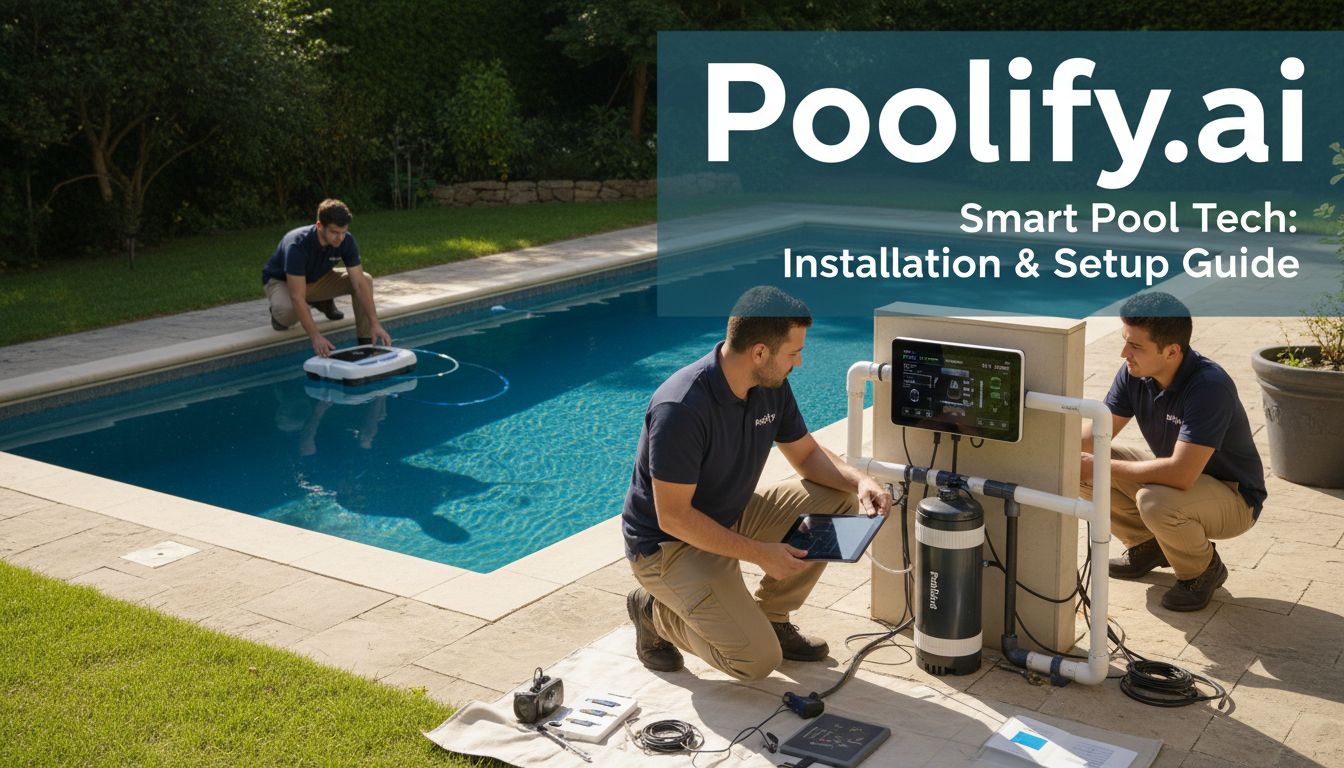
Proper installation is crucial for smart pool technology to deliver promised benefits. While some systems support DIY installation, others require professional expertise to ensure correct configuration and optimal performance.
Professional Versus DIY Installation
Simple monitoring systems with wireless sensors often support straightforward DIY installation requiring only basic tools and following manufacturer instructions. However, systems involving electrical connections, plumbing modifications, or integration with existing pool equipment typically benefit from professional installation.
Professional installers bring expertise in local codes, proper equipment placement, and system optimization. They can identify potential issues before they become problems and ensure warranties remain valid. For comprehensive smart pool technology implementations, professional installation typically proves worthwhile despite additional cost.
Network and Connectivity Requirements
Reliable Wi-Fi connectivity at your pool equipment location is essential for smart pool technology. Many pool equipment pads are located in areas with weak wireless signals, potentially requiring Wi-Fi extenders or mesh network systems to ensure consistent connectivity.
Consider network security implications as well. Pool systems connected to your home network represent potential entry points for cyber threats. Implement strong passwords, enable encryption, keep firmware updated, and consider segregating pool equipment on a separate network segment for enhanced security.
Initial Configuration and Calibration
After physical installation, smart pool technology systems require proper configuration to match your pool’s specific characteristics. This includes inputting pool volume, surface area, equipment specifications, and desired operating parameters. Sensors need calibration to ensure accurate readings, typically involving testing against known standards or professional lab analysis.
Allow several days for systems to establish baseline patterns and optimize settings. During this learning period, monitor system performance closely and make adjustments as needed. Most modern smart pool technology includes setup wizards and guided calibration processes that simplify initial configuration.
Common Challenges and Troubleshooting
While smart pool technology dramatically simplifies pool ownership, occasional challenges may arise. Understanding common issues and solutions helps maintain optimal system performance.
Connectivity Problems
Intermittent Wi-Fi connectivity represents the most frequent smart pool technology complaint. Distance from routers, physical obstacles like walls or metal equipment, and interference from other devices can disrupt communications. Solutions include relocating routers, installing Wi-Fi extenders, upgrading to mesh networks, or using systems with cellular backup connectivity.
Regular firmware updates often address connectivity issues and improve stability. Enable automatic updates when available, or check for updates monthly to ensure your system runs the latest software version.
Sensor Accuracy Issues
Sensors require periodic maintenance and calibration to maintain accuracy. Mineral deposits, biofilm growth, or physical damage can affect readings. Most smart pool technology systems alert users when sensor performance degrades, but proactive maintenance prevents problems. Clean sensors according to manufacturer schedules, typically monthly or quarterly, and recalibrate as recommended.
When readings seem questionable, verify with manual testing using quality test kits or professional water analysis. This confirms whether issues stem from sensor problems or actual water chemistry conditions requiring attention.
Integration Conflicts
Occasionally, different smart pool technology components or home automation systems conflict, causing unexpected behavior. Ensure all devices run compatible firmware versions and that communication protocols match. Manufacturer support teams can often resolve integration issues through configuration adjustments or software updates.
Maintain detailed documentation of your system configuration, including device models, firmware versions, and settings. This information proves invaluable when troubleshooting or seeking technical support.
Future Trends in Smart Pool Technology
The smart pool technology landscape continues evolving rapidly, with exciting innovations on the horizon that will further transform pool ownership beyond 2026.
Advanced AI and Machine Learning
Artificial intelligence in smart pool technology will become increasingly sophisticated, learning individual preferences and optimizing operations with minimal user input. Future systems will predict not just maintenance needs but also usage patterns, pre-conditioning pools before anticipated swim times and adjusting settings based on who’s swimming.
Machine learning algorithms will analyze data across thousands of pools to identify best practices and optimization opportunities, continuously improving performance through collective intelligence while respecting individual privacy.
Enhanced Sustainability Features
Environmental concerns will drive smart pool technology toward even greater sustainability. Expect advances in water conservation technologies, including atmospheric water harvesting to offset evaporation and advanced filtration enabling longer intervals between water replacement. Chemical-free sanitization methods will improve, potentially eliminating traditional sanitizers entirely while maintaining superior water quality.
Integration with home energy management systems will optimize pool operation around renewable energy availability, running equipment when solar production peaks or grid carbon intensity is lowest.
Augmented Reality Maintenance Assistance
Emerging smart pool technology will incorporate augmented reality features providing visual guidance for maintenance tasks, equipment troubleshooting, and system optimization. Pointing your smartphone at equipment will overlay information about status, maintenance history, and step-by-step repair instructions, making even complex tasks accessible to non-experts.
Virtual pool design tools will allow homeowners to visualize upgrades and modifications before committing to changes, ensuring satisfaction with aesthetic and functional improvements.
Frequently Asked Questions About Smart Pool Technology
How much does smart pool technology typically cost?
Smart pool technology costs vary significantly based on system complexity and features. Basic monitoring systems start around $300-$500, while comprehensive automation platforms range from $2,000-$5,000 for equipment plus installation. Premium systems with advanced features can exceed $10,000. However, operational savings from reduced chemical use, energy efficiency, and prevented repairs often offset initial costs within three to five years. Many homeowners find mid-range systems priced around $3,000-$4,000 offer the best balance of capabilities and value.
Can I add smart pool technology to an existing pool?
Absolutely. Most smart pool technology is designed for retrofit installation on existing pools. Systems range from simple wireless sensors requiring no modifications to comprehensive platforms that may involve replacing pumps, heaters, or sanitizers with smart-enabled models. Start with monitoring and control systems that work with existing equipment, then upgrade individual components over time as they require replacement. This phased approach spreads costs while progressively enhancing automation capabilities. Consult with pool automation specialists to develop an upgrade plan matching your budget and priorities.
Is smart pool technology difficult to use?
Modern smart pool technology emphasizes user-friendly interfaces requiring minimal technical expertise. Most systems feature intuitive smartphone apps with graphical dashboards, simple controls, and helpful guidance. Initial setup may require some learning, but day-to-day operation typically involves just monitoring notifications and occasionally adjusting preferences. Many systems operate effectively with little intervention once properly configured. Manufacturers provide extensive support resources including video tutorials, help documentation, and customer service. If you can use a smartphone, you can manage smart pool technology successfully.
What happens if my internet connection fails?
Quality smart pool technology includes failsafe modes ensuring continued operation during connectivity outages. Systems typically revert to pre-programmed schedules, maintaining basic functions like filtration and sanitization even without internet access. Stored settings and local processing enable autonomous operation until connectivity restores. Some premium systems offer cellular backup connections providing redundancy against Wi-Fi failures. While remote monitoring and control require internet access, your pool remains protected and functional during temporary outages. Critical alerts may be queued and delivered once connectivity returns.
How reliable is smart pool technology?
Modern smart pool technology has matured significantly, offering excellent reliability when properly installed and maintained. Quality systems from established manufacturers typically operate trouble-free for years. Components like sensors and chemical dispensers require periodic maintenance similar to traditional equipment, but automation reduces human error—a major cause of pool problems. Most reliability issues stem from connectivity problems or improper installation rather than equipment failures. Choosing reputable brands, ensuring professional installation for complex systems, and following maintenance schedules maximizes reliability. Many manufacturers offer warranties covering equipment defects, providing additional peace of mind.
Key Takeaways
- Smart pool technology in 2026 offers unprecedented automation, transforming pool ownership through AI-powered systems, automated chemical management, and intelligent energy optimization that reduce maintenance time while improving water quality and lowering operational costs.
- Investment in smart pool technology delivers substantial ROI through reduced chemical consumption, energy savings of 40-60%, prevented repairs via predictive maintenance, and significant time savings that allow pool owners to enjoy rather than constantly maintain their pools.
- Modern systems emphasize user-friendly operation with intuitive smartphone apps, voice control integration, and automated decision-making that requires minimal technical expertise while providing comprehensive remote monitoring and control from anywhere.
- Proper system selection requires matching technology to specific needs, considering pool characteristics, maintenance challenges, budget constraints, and integration requirements with existing equipment and home automation platforms for optimal results.
- The future of smart pool technology promises even greater capabilities with advancing AI, enhanced sustainability features, chemical-free sanitization methods, and augmented reality assistance that will further simplify pool ownership while reducing environmental impact.
Conclusion
Smart pool technology represents a transformative advancement in pool ownership, delivering benefits that extend far beyond simple convenience. The systems available in 2026 combine sophisticated automation, artificial intelligence, and intuitive user interfaces to create pools that maintain themselves while optimizing costs and enhancing water quality. From automated chemical balancing to predictive maintenance and energy optimization, these innovations address the most challenging aspects of traditional pool ownership.
Whether you’re planning a new pool installation or considering upgrades to an existing pool, smart pool technology deserves serious consideration. The initial investment, while significant for comprehensive systems, typically pays for itself through operational savings, prevented repairs, and reclaimed time. More importantly, these systems transform pools from demanding maintenance burdens into effortless sources of recreation and relaxation.
As technology continues advancing, smart pool systems will become increasingly capable, affordable, and essential for modern pool ownership. Early adopters already enjoy substantial benefits, while those hesitating will find compelling reasons to embrace these innovations as capabilities expand and prices continue declining. The question isn’t whether to adopt smart pool technology, but rather which systems best match your specific needs and priorities.
For additional guidance on optimizing your pool systems, explore our comprehensive resources on pool maintenance best practices and energy-efficient pool equipment to maximize the benefits of your smart pool technology investment.
References
- Centers for Disease Control and Prevention (CDC) – Residential Pool Disinfection and Testing Guidelines: https://www.cdc.gov/healthywater/swimming/residential/disinfection-testing.html