
A variable speed pool pump represents one of the most significant upgrades you can make to your swimming pool system in 2026. Unlike traditional single-speed pumps that run at full power constantly, a variable speed pool pump adjusts its motor speed to match your pool’s specific needs at any given time. This intelligent technology can reduce your energy consumption by 50-90%, translating to hundreds of dollars in annual savings while maintaining superior water quality. Whether you’re building a new pool or replacing an aging pump, understanding how a variable speed pool pump works and what to look for will help you make an informed investment that pays dividends for years to come.
How a Variable Speed Pool Pump Works
The technology behind a variable speed pool pump differs fundamentally from conventional pool pumps. Traditional single-speed pumps use an induction motor that operates at one fixed speed—typically 3,450 revolutions per minute. This approach wastes enormous amounts of energy because pools rarely need maximum flow rates except during specific tasks like vacuuming or running a waterfall feature.
A variable speed pool pump utilizes a permanent magnet motor, similar to what you’d find in electric vehicles and high-efficiency appliances. This motor type allows the pump to operate at multiple speeds, typically ranging from 600 to 3,450 RPM. The pump’s digital control panel or programmable interface lets you set different speeds for different times of day and different pool functions.
The energy savings come from a fundamental principle of pump physics called the Affinity Law. When you reduce a pump’s speed by half, you don’t just cut energy consumption in half—you reduce it to approximately one-eighth of the original amount. This exponential relationship means that running your variable speed pool pump at lower speeds for routine filtration delivers massive energy reductions while still circulating your pool water effectively.
Permanent Magnet Motor Advantages
The permanent magnet motor in a variable speed pool pump operates with significantly less friction and heat generation than induction motors. This design means the motor runs cooler, lasts longer, and converts more electrical energy into actual pumping work rather than wasting it as heat. Most variable speed pool pump motors are totally enclosed fan-cooled (TEFC), which protects internal components from moisture and debris while maintaining optimal operating temperatures.
These motors also produce less noise than single-speed pumps. At lower speeds, a variable speed pool pump operates almost silently, eliminating the loud humming that characterizes older pool equipment. This quiet operation improves your outdoor living experience and keeps your neighbors happy.
Energy Savings and Cost Analysis
The primary reason homeowners invest in a variable speed pool pump is the dramatic reduction in operating costs. According to the U.S. Department of Energy, pool pumps are often the second-largest energy consumer in homes with swimming pools, after heating and cooling systems. Replacing a single-speed pump with a variable speed pool pump typically reduces pool-related energy costs by 70-90%.
Let’s examine the real numbers. A typical single-speed 1.5 horsepower pool pump running eight hours daily consumes approximately 2,100-2,400 kilowatt-hours annually. At the national average electricity rate of $0.16 per kWh in 2026, that’s roughly $336-$384 per year in operating costs. A variable speed pool pump performing the same work typically uses just 500-700 kWh annually, costing $80-$112 to operate.
The initial investment for a quality variable speed pool pump ranges from $800 to $1,800, depending on horsepower, brand, and features. When you factor in annual savings of $250-$300, most homeowners achieve payback within 3-5 years. Given that a well-maintained variable speed pool pump can last 10-15 years, you’re looking at thousands of dollars in net savings over the pump’s lifetime.
Utility Rebates and Incentives
Many utility companies and state energy programs offer rebates for upgrading to a variable speed pool pump. These incentives typically range from $100 to $400, significantly reducing your upfront costs. Check with your local utility provider and visit the Database of State Incentives for Renewables & Efficiency to find programs available in your area. Some regions also offer time-of-use electricity rates that make running your variable speed pool pump during off-peak hours even more economical.
Additionally, several states and municipalities have enacted regulations requiring variable speed pool pump installation in new construction or when replacing existing pumps. California’s Title 20 and Title 24 regulations, Arizona’s energy codes, and Florida’s building standards now mandate high-efficiency pool equipment, making the variable speed pool pump the default choice rather than an optional upgrade.
Choosing the Right Variable Speed Pool Pump
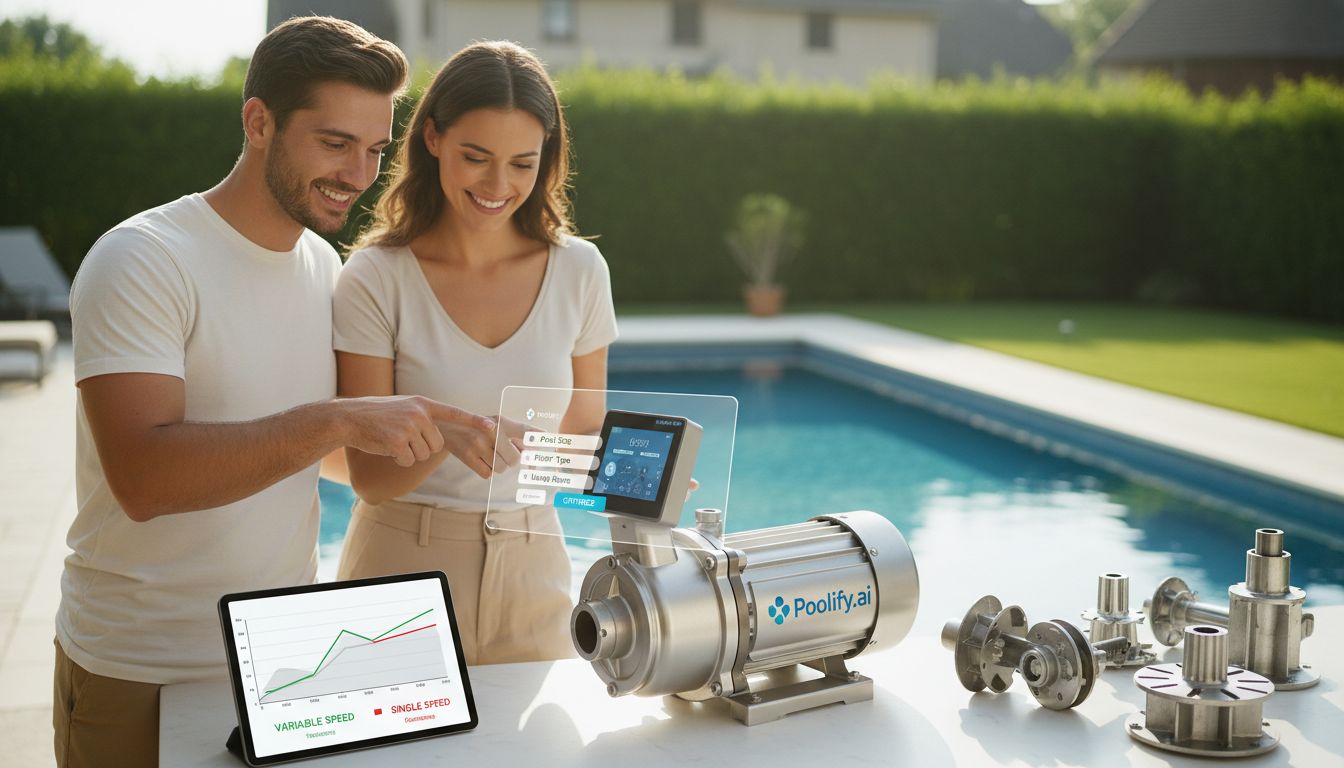
Selecting the appropriate variable speed pool pump for your pool requires considering several factors beyond just horsepower. The right pump matches your pool’s volume, plumbing configuration, and the features you want to operate.
Start by calculating your pool’s volume in gallons. A residential pool typically needs to circulate its entire volume once every 8-12 hours for adequate filtration. Your variable speed pool pump should have sufficient flow capacity to achieve this turnover rate, but it doesn’t need to do so at maximum speed. In fact, slower circulation with longer run times often produces better filtration results while consuming less energy.
Horsepower Requirements
Most residential pools work well with a 1.5 to 2.7 horsepower variable speed pool pump. Smaller pools under 20,000 gallons may only need 1.5 HP, while larger pools above 40,000 gallons or those with multiple features like spas, waterfalls, and cleaning systems benefit from 2.7 HP models. The beauty of a variable speed pool pump is that higher horsepower doesn’t mean higher operating costs—you simply have more power available when needed for specific tasks.
Consider your pool’s plumbing when sizing your variable speed pool pump. Pools with 2-inch plumbing can handle higher flow rates than those with 1.5-inch pipes. Attempting to push too much water through undersized plumbing creates excessive resistance, forcing your pump to work harder and reducing efficiency. If you’re upgrading to a variable speed pool pump and have older, smaller plumbing, you may need to run the pump longer at lower speeds rather than shorter periods at high speeds.
Essential Features to Consider
Modern variable speed pool pump models offer various features that enhance convenience and performance. Look for pumps with programmable timers that allow you to set multiple daily schedules at different speeds. This automation ensures your pool runs efficiently without constant manual adjustment.
Digital displays make monitoring your variable speed pool pump straightforward. The best models show current speed, power consumption, flow rate, and diagnostic information. Some premium pumps offer smartphone connectivity, allowing you to adjust settings remotely and receive alerts about maintenance needs or operational issues.
Consider compatibility with your existing pool automation system. If you have or plan to install a comprehensive pool control system, ensure your variable speed pool pump can integrate seamlessly. Many manufacturers offer pump models specifically designed to work with popular automation platforms, enabling coordinated control of pumps, heaters, lighting, and sanitization systems.
Installation and Setup Considerations
Installing a variable speed pool pump typically follows the same basic process as replacing any pool pump, but the electrical requirements differ significantly. While single-speed pumps usually run on 115V or 230V circuits, most variable speed pool pump models require dedicated 230V circuits with proper grounding. This electrical work should be performed by a licensed electrician to ensure safety and code compliance.
The physical installation involves disconnecting the old pump, removing it from the pad, and mounting the new variable speed pool pump in its place. Pay careful attention to plumbing connections—use high-quality unions that allow easy removal for future maintenance. Apply thread sealant or Teflon tape to threaded connections, and ensure all valves are in the correct positions before starting the pump.
Priming and Initial Startup
Before starting your variable speed pool pump for the first time, ensure the pump basket and filter are clean, all valves are open, and the system is properly primed. Most variable speed pool pump models include a priming mode that runs at high speed temporarily to purge air from the system. Follow the manufacturer’s priming instructions precisely—running a pump without water can damage the mechanical seal and void your warranty.
Once primed, program your variable speed pool pump with appropriate speed schedules. A common starting point is running at low speed (1,200-1,800 RPM) for 8-10 hours for general filtration, medium speed (2,400-2,800 RPM) for 2-3 hours during peak swimming times, and high speed (3,100-3,450 RPM) only when needed for vacuuming or operating water features. Fine-tune these settings based on your pool’s response and water quality.
For more guidance on maintaining your pool equipment, check out our comprehensive pool maintenance guide for year-round care tips.
Programming Your Variable Speed Pool Pump for Maximum Efficiency
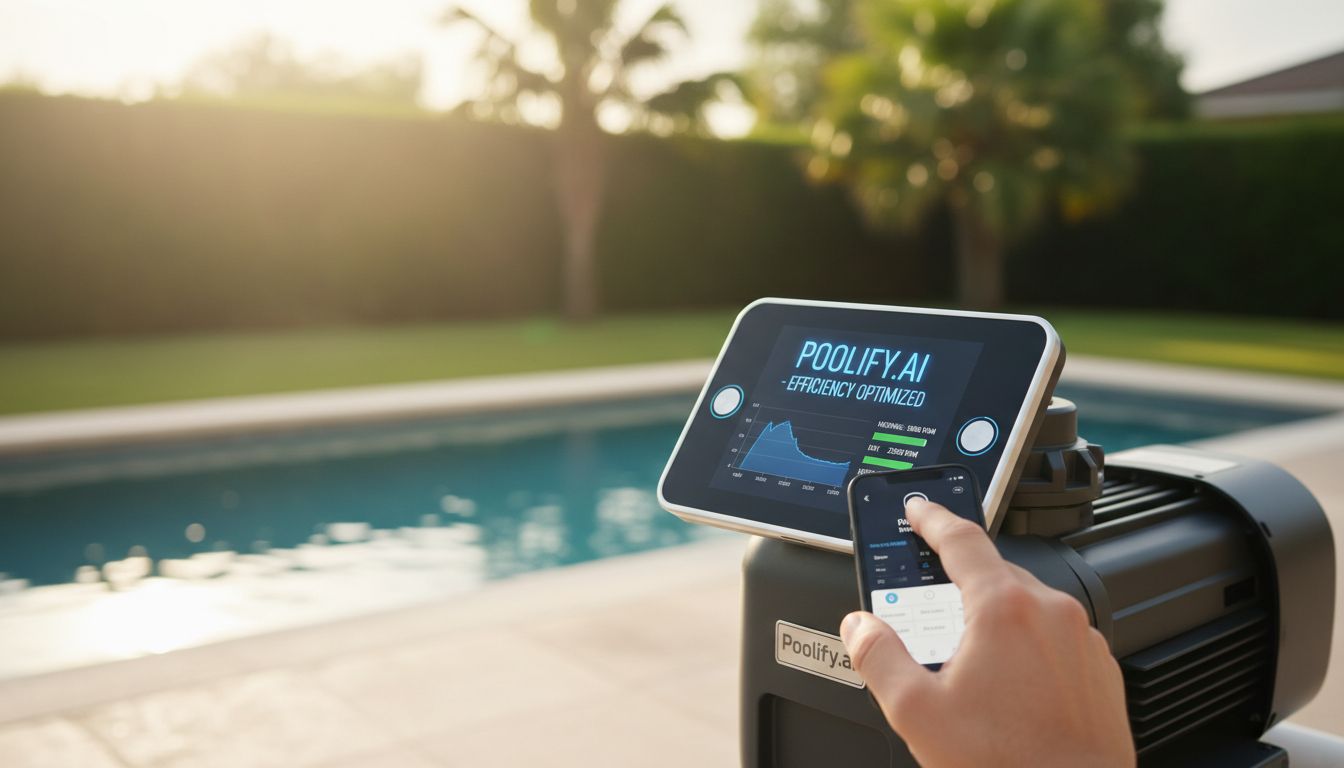
The key to maximizing savings with your variable speed pool pump lies in smart programming. Unlike single-speed pumps that offer only on/off control, a variable speed pool pump allows you to match pump speed precisely to each task your pool system performs.
For routine filtration, which represents the majority of your pump’s operating time, lower speeds between 1,200 and 1,800 RPM typically provide adequate circulation while consuming minimal energy. At these speeds, your variable speed pool pump moves water through the filter more slowly, which actually improves filtration efficiency. Slower flow rates give the filter media more time to capture particles, resulting in clearer water with less energy.
Task-Specific Speed Settings
Different pool functions require different flow rates from your variable speed pool pump. Here’s a practical framework for programming various speeds:
- Filtration (Low Speed): 1,200-1,800 RPM for 8-12 hours daily handles routine circulation and filtration with minimal energy use
- Heating (Medium Speed): 2,000-2,400 RPM when running pool heaters ensures adequate flow through the heat exchanger for efficient warming
- Water Features (Medium-High Speed): 2,400-3,000 RPM provides the flow needed for waterfalls, fountains, and deck jets
- Spa Jets (High Speed): 2,800-3,450 RPM delivers the pressure required for therapeutic spa jets
- Vacuuming (High Speed): 3,000-3,450 RPM provides suction for automatic cleaners and manual vacuuming
Program your variable speed pool pump to run lower speeds during off-peak electricity hours when rates are lowest. If your utility offers time-of-use pricing, schedule the bulk of your filtration during nighttime and early morning hours. Reserve higher-speed operation for daytime when you’re actually using the pool and its features.
Seasonal Adjustments
Your variable speed pool pump programming should adapt to seasonal changes. During summer months when the pool sees heavy use and higher temperatures promote algae growth, you may need to increase run times or speeds slightly. In cooler months, you can often reduce both run time and speed, further decreasing energy consumption while maintaining adequate water quality.
Monitor your pool’s water clarity and chemistry as you adjust your variable speed pool pump settings. If you notice the water becoming cloudy or developing algae, increase either the speed or duration of filtration. The goal is finding the minimum pump operation that maintains crystal-clear, properly sanitized water.
Maintenance and Troubleshooting
A variable speed pool pump requires regular maintenance to deliver optimal performance and longevity. Fortunately, these pumps need less frequent service than older single-speed models due to their cooler operation and reduced mechanical stress.
Monthly, inspect your variable speed pool pump for obvious issues. Check for leaks around the pump housing, unions, and seal plate. Verify that the pump basket is clean and free of debris. A clogged basket restricts flow and forces the pump to work harder, reducing efficiency and potentially causing damage. Clean the basket whenever it’s more than half full.
Motor and Seal Maintenance
The permanent magnet motor in your variable speed pool pump is largely maintenance-free, with sealed bearings that don’t require lubrication. However, keep the motor housing clean and ensure adequate ventilation around the pump. Remove leaves, grass clippings, and other debris that might block cooling vents.
The mechanical seal, which prevents water from entering the motor housing, is the most common wear item on a variable speed pool pump. Signs of seal failure include water leaking from the motor housing, unusual noise, or the pump losing prime frequently. Most seals last 3-5 years with proper operation. Replace seals promptly when they fail to prevent water damage to the motor.
Common Issues and Solutions
If your variable speed pool pump won’t start, check the electrical connections first. Verify that the circuit breaker hasn’t tripped and that the GFCI outlet (if applicable) hasn’t tripped. Examine the control panel for error codes—most variable speed pool pump models display diagnostic codes that help identify specific problems.
Unusual noise from your variable speed pool pump often indicates cavitation (air in the system), worn bearings, or debris in the impeller. If the pump is cavitating, check for closed valves, clogged skimmers, or low water levels that prevent adequate flow to the pump. Open the pump basket and inspect the impeller for debris or damage.
For more detailed troubleshooting steps, visit our guide on pool equipment troubleshooting for comprehensive solutions.
Comparing Top Variable Speed Pool Pump Brands
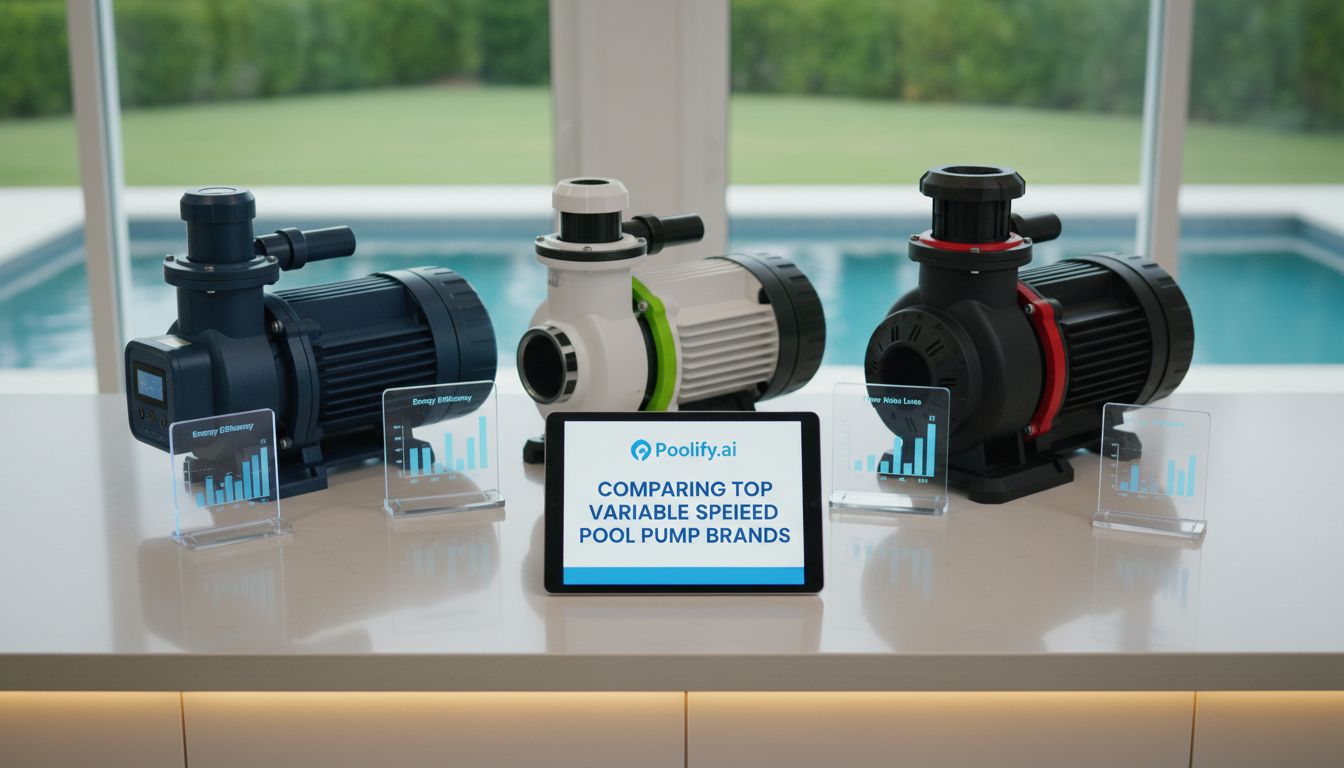
The variable speed pool pump market includes several reputable manufacturers, each offering models with different features, warranties, and price points. Understanding the strengths of major brands helps you select a pump that meets your specific needs and budget.
Pentair’s IntelliFlo and SuperFlo VS lines dominate the premium segment of the variable speed pool pump market. These pumps offer exceptional reliability, extensive programmability, and industry-leading warranties up to 3 years. IntelliFlo models integrate seamlessly with Pentair’s automation systems and feature some of the quietest operation in the industry. Prices typically range from $1,100 to $1,600.
Mid-Range and Budget Options
Hayward’s TriStar VS and MaxFlo VS variable speed pool pump models provide excellent value with solid performance and 2-year warranties. These pumps offer intuitive programming interfaces and reliable operation at price points between $800 and $1,200. Hayward pumps work particularly well with Hayward filters and automation systems.
Jandy’s FloPro and ePump variable speed pool pump options emphasize integration with comprehensive pool automation. If you have or plan to install a Jandy automation system, these pumps offer seamless control and monitoring. Pricing ranges from $900 to $1,400 depending on the model and features.
Newer entrants like Blue Torrent and Harris ProForce offer budget-friendly variable speed pool pump alternatives starting around $600-$800. While these pumps may lack some premium features and have shorter warranties (typically 1-2 years), they deliver the core benefits of variable speed operation at accessible price points for budget-conscious homeowners.
Environmental Impact and Sustainability
Beyond personal savings, choosing a variable speed pool pump contributes to broader environmental sustainability. The reduced energy consumption of a variable speed pool pump translates directly to lower greenhouse gas emissions from power generation. A single variable speed pool pump typically prevents 3,000-5,000 pounds of CO2 emissions annually compared to a single-speed pump—equivalent to planting 40-60 trees or taking a car off the road for several months.
The longer lifespan of variable speed pool pump motors also reduces waste. While single-speed pumps often fail after 5-8 years, a quality variable speed pool pump can operate reliably for 10-15 years or more. This longevity means fewer pumps in landfills and reduced manufacturing demand for replacement units.
Water Conservation Benefits
A variable speed pool pump can also support water conservation efforts. By running longer at lower speeds, these pumps reduce the turbulence and evaporation that occur with high-speed operation. Additionally, improved filtration efficiency means fewer backwash cycles for your filter, conserving hundreds of gallons of water annually.
Some advanced variable speed pool pump models include flow sensors that detect filter pressure and automatically adjust speed or alert you when backwashing is needed. This precision prevents unnecessary backwashing while ensuring optimal filter performance, balancing water conservation with water quality.
Frequently Asked Questions
How long should I run my variable speed pool pump each day?
Most pools need 8-12 hours of circulation daily, but with a variable speed pool pump, you can achieve adequate filtration with longer run times at lower speeds. Running your variable speed pool pump at 1,500-1,800 RPM for 10-12 hours typically provides better filtration and lower costs than running 6-8 hours at high speed. Adjust based on your pool’s size, bather load, and water quality.
Can I install a variable speed pool pump myself?
While mechanically inclined homeowners can handle the plumbing connections, most variable speed pool pump installations require electrical work that should be performed by a licensed electrician. These pumps need dedicated 230V circuits with proper grounding and GFCI protection. Improper electrical installation creates safety hazards and may void your warranty. The plumbing portion is straightforward if you’re replacing an existing pump in the same location.
Will a variable speed pool pump work with my existing pool equipment?
A variable speed pool pump is compatible with virtually all standard pool filters, heaters, and sanitization systems. However, some older automation systems may not support variable speed control. In such cases, you can operate the pump using its built-in controls and timer rather than through the automation system. Most modern automation platforms support variable speed pool pump integration with appropriate interface modules.
What size variable speed pool pump do I need?
For most residential pools, a 1.5 to 2.7 HP variable speed pool pump provides adequate flow. Pools under 20,000 gallons typically work well with 1.5 HP models, while larger pools or those with multiple features benefit from 2.0-2.7 HP pumps. The advantage of a variable speed pool pump is that higher horsepower doesn’t increase operating costs—you simply have more power available when needed for specific tasks like running spa jets or water features.
How much noise does a variable speed pool pump make?
At low speeds (1,200-1,800 RPM), a variable speed pool pump operates almost silently—typically around 45-55 decibels, similar to a quiet conversation. At high speeds, noise levels increase to 65-75 decibels, comparable to a dishwasher. This represents a significant improvement over single-speed pumps, which typically operate at 75-85 decibels constantly. The permanent magnet motor and smooth speed control contribute to the quieter operation of a variable speed pool pump.
Key Takeaways
- A variable speed pool pump can reduce your pool’s energy consumption by 50-90%, saving $250-$300 annually on electricity costs with payback periods of 3-5 years
- Permanent magnet motors in variable speed pool pump models run cooler, quieter, and last longer than traditional induction motors, with typical lifespans of 10-15 years
- Proper programming is essential—run your variable speed pool pump at low speeds (1,200-1,800 RPM) for routine filtration and reserve high speeds only for specific tasks like vacuuming or operating water features
- Most residential pools require 1.5 to 2.7 HP variable speed pool pump models, with sizing based on pool volume, plumbing configuration, and desired features
- Utility rebates and incentives can reduce upfront costs by $100-$400, and many jurisdictions now require variable speed pool pump installation in new construction or replacements
Conclusion
Upgrading to a variable speed pool pump represents one of the smartest investments you can make in your pool system. The combination of dramatic energy savings, improved water quality, quieter operation, and environmental benefits makes this technology a clear winner for pool owners in 2026. While the initial cost exceeds that of traditional single-speed pumps, the rapid payback period and long-term savings make a variable speed pool pump financially compelling.
The key to success lies in selecting the right pump for your specific pool and programming it intelligently to match your needs. Start with conservative settings at lower speeds and adjust upward only if water quality suffers. Most pool owners find they can maintain crystal-clear water while running their variable speed pool pump at much lower speeds than they initially expected.
As energy costs continue rising and environmental consciousness grows, the variable speed pool pump will remain the standard for efficient pool operation. Whether you’re replacing a failing pump or proactively upgrading, making the switch to variable speed technology ensures your pool operates economically and sustainably for years to come. For additional information on optimizing your pool system, explore our resources on energy-efficient pool equipment and best practices for modern pool ownership.
References
- U.S. Department of Energy – Swimming Pool Pumps: https://www.energy.gov/energysaver/swimming-pool-pumps
- Database of State Incentives for Renewables & Efficiency: https://www.dsireusa.org/