
Understanding Variable Speed Pool Pump Benefits in 2026
The variable speed pool pump benefits available to homeowners in 2026 represent one of the most significant advances in pool equipment technology. These innovative pumps can reduce energy consumption by up to 90% compared to traditional single-speed models, translating to hundreds or even thousands of dollars in annual savings. As energy costs continue rising and environmental consciousness grows, understanding variable speed pool pump benefits has become essential for every pool owner looking to modernize their equipment and reduce operating expenses.
Unlike conventional pumps that operate at one constant speed, variable speed technology allows precise control over water flow rates. This fundamental difference creates multiple advantages that extend far beyond simple energy savings, affecting everything from water quality to equipment longevity and overall pool maintenance costs.
Energy Efficiency: The Primary Variable Speed Pool Pump Benefits
The most compelling variable speed pool pump benefits center on dramatic energy efficiency improvements. Traditional single-speed pumps typically operate at 3,450 RPM continuously, consuming between 1,500 and 2,500 watts of electricity. Variable speed pumps can operate at speeds as low as 600 RPM, using as little as 150-200 watts while still maintaining proper circulation and filtration.
According to the U.S. Department of Energy, variable speed pool pumps can save pool owners between $300 and $1,500 annually depending on local electricity rates and pool size. In 2026, with average electricity costs ranging from $0.12 to $0.28 per kilowatt-hour across different regions, these savings represent a substantial reduction in operating expenses.
The energy efficiency of variable speed pool pump benefits stems from the affinity law of hydraulics, which states that power consumption decreases exponentially as pump speed decreases. Reducing pump speed by half doesn’t just cut energy use in half—it reduces it to approximately one-eighth of the original consumption. This mathematical relationship makes variable speed technology remarkably effective at reducing electricity usage while maintaining adequate water circulation.
Real-World Energy Savings Examples
Consider a typical 20,000-gallon residential pool in 2026. A single-speed pump running eight hours daily consumes approximately 12-20 kilowatt-hours per day, costing $1.44 to $5.60 daily depending on local rates. The same pool equipped with a variable speed pump running at optimized speeds uses just 2-4 kilowatt-hours daily, costing $0.24 to $1.12. Over a six-month swimming season, this difference amounts to $216 to $806 in savings.
These variable speed pool pump benefits become even more pronounced in warmer climates where pools operate year-round. Annual savings can easily exceed $1,000, allowing the pump to pay for itself within two to four years through energy savings alone.
Cost Savings Beyond Energy: Additional Variable Speed Pool Pump Benefits
While energy efficiency represents the most visible variable speed pool pump benefits, the financial advantages extend to multiple areas of pool ownership. Understanding these comprehensive cost savings helps homeowners appreciate the full value proposition of upgrading their equipment in 2026.
Extended Equipment Lifespan
Variable speed pool pump benefits include significantly longer equipment life compared to single-speed alternatives. Operating at lower speeds reduces mechanical stress on pump components, bearings, and seals. While traditional pumps typically last 5-8 years, variable speed models often exceed 10-15 years with proper maintenance, effectively doubling the replacement cycle and reducing long-term capital expenses.
The reduced vibration and heat generation at lower speeds also minimize wear on associated equipment including valves, filters, and plumbing connections. This cascading effect means the entire pool circulation system experiences less stress, reducing maintenance requirements and replacement costs across all components.
Lower Chemical Costs
Among the less obvious variable speed pool pump benefits is improved chemical efficiency. Gentler water circulation at lower speeds creates less turbulence, reducing chemical evaporation and degradation. The more consistent water flow also improves filter effectiveness, maintaining better water quality with fewer chemical additions. Pool owners typically report 10-20% reductions in annual chemical costs after switching to variable speed technology.
Reduced Repair and Maintenance Expenses
The variable speed pool pump benefits extend to maintenance costs as well. Lower operating speeds generate less heat, reducing the likelihood of motor burnout and seal failure. The programmable operation eliminates the need for manual pump switching, reducing human error that can lead to equipment damage. Most variable speed pumps also include diagnostic capabilities that alert owners to potential problems before they become expensive failures.
Environmental Variable Speed Pool Pump Benefits
In 2026, environmental consciousness has become a priority for many homeowners, and the variable speed pool pump benefits align perfectly with sustainability goals. The dramatic reduction in electricity consumption directly translates to lower carbon emissions, with each variable speed pump preventing approximately 2-4 tons of CO2 emissions annually compared to single-speed alternatives.
For pool owners whose electricity comes from coal or natural gas power plants, these variable speed pool pump benefits represent a meaningful contribution to reducing their household carbon footprint. Even in regions with cleaner energy grids, the reduced demand helps minimize strain on electrical infrastructure during peak usage periods.
The environmental variable speed pool pump benefits also include reduced water waste. More efficient circulation means better filtration, which reduces the frequency of backwashing required to clean filters. This can save thousands of gallons of water annually, particularly important in drought-prone regions where water conservation has become critical.
Performance and Comfort: Operational Variable Speed Pool Pump Benefits
Beyond financial and environmental advantages, the variable speed pool pump benefits include numerous operational improvements that enhance the pool ownership experience.
Noise Reduction
One of the most immediately noticeable variable speed pool pump benefits is dramatically quieter operation. Single-speed pumps typically generate 65-75 decibels of noise—roughly equivalent to a vacuum cleaner running constantly. Variable speed pumps operating at lower speeds produce just 45-55 decibels, comparable to normal conversation levels. This noise reduction makes outdoor spaces more enjoyable and eliminates a common source of neighbor complaints.
For pools located near bedroom windows or outdoor living areas, these variable speed pool pump benefits significantly improve quality of life. Many homeowners report they can barely hear their variable speed pump running, even when standing directly beside the equipment pad.
Programmable Operation
Modern variable speed pool pump benefits include sophisticated programming capabilities that allow customized operation schedules. Homeowners can set different speeds for different times of day, optimizing performance for specific tasks. Lower speeds during overnight hours maintain water circulation while minimizing energy use and noise. Higher speeds during morning hours can quickly clear debris after overnight accumulation.
This programmability represents one of the most convenient variable speed pool pump benefits, eliminating the need for manual intervention while ensuring optimal pool conditions at all times. Advanced models can even integrate with smart home systems, allowing remote monitoring and adjustment via smartphone apps.
Improved Water Quality
The variable speed pool pump benefits extend to water clarity and quality. Operating at lower speeds for longer periods provides more thorough filtration than short bursts at high speed. The gentler water movement also reduces turbulence that can suspend fine particles, allowing them to settle and be captured by filters more effectively.
Many pool professionals recommend running variable speed pumps 24 hours daily at low speeds rather than 8 hours at high speed. This approach leverages variable speed pool pump benefits to maintain consistently superior water quality while using less total energy than traditional operation schedules.
Compatibility with Modern Pool Features
As pool technology advances in 2026, the variable speed pool pump benefits include enhanced compatibility with modern equipment and features. These pumps work seamlessly with automation systems, allowing coordinated operation of pumps, heaters, lighting, and water features through centralized control.
For pools with water features like waterfalls, fountains, or spillovers, variable speed pool pump benefits include the ability to adjust flow rates to create different aesthetic effects. Lower speeds can produce gentle, tranquil flows while higher speeds create more dramatic displays—all controlled through simple programming.
The variable speed pool pump benefits also extend to heating efficiency. By maintaining consistent low-speed circulation, these pumps help distribute heated water more evenly throughout the pool, reducing the runtime required from heaters and further lowering operating costs. Learn more about maintaining your pool equipment for optimal performance.
Regulatory Compliance and Rebate Opportunities
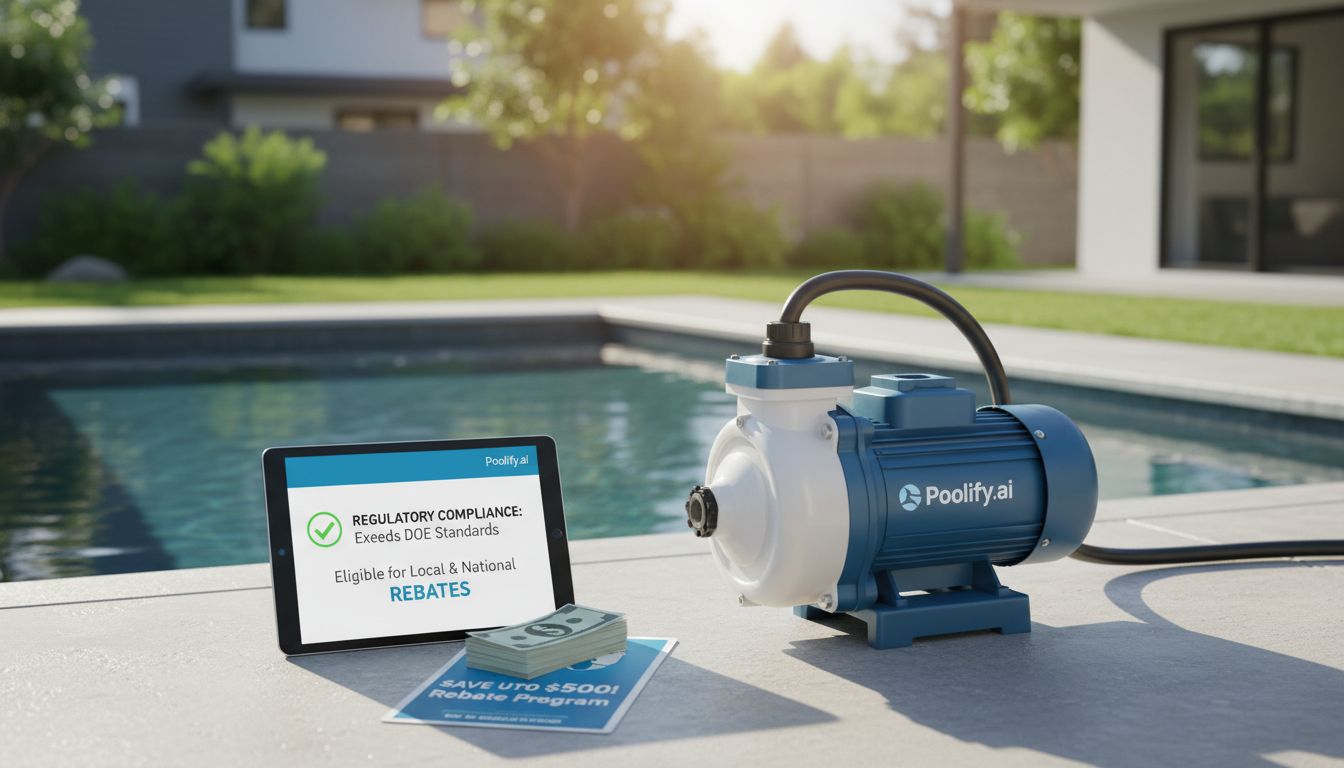
Understanding variable speed pool pump benefits in 2026 requires awareness of current regulations and incentive programs. Many states and municipalities now mandate variable speed pumps for new pool construction and equipment replacements, making these upgrades legally required rather than optional.
California, Arizona, Florida, and numerous other states have implemented energy efficiency standards that effectively require variable speed technology. These regulations recognize the substantial variable speed pool pump benefits and aim to reduce overall energy consumption across residential pools.
Beyond regulatory compliance, the variable speed pool pump benefits include access to various rebate and incentive programs. Many utility companies offer rebates of $100-$400 for variable speed pump installations, directly reducing the upfront cost. Some municipalities provide additional incentives as part of water conservation programs, recognizing the reduced backwashing frequency as an environmental benefit.
Federal tax credits may also apply to variable speed pump installations as part of home energy efficiency improvements, though specific programs vary by year and should be verified with tax professionals. These financial incentives enhance the already compelling variable speed pool pump benefits, often reducing payback periods to less than two years.
Choosing the Right Variable Speed Pump for Maximum Benefits
To fully realize variable speed pool pump benefits, selecting the appropriate model for your specific pool is essential. Not all variable speed pumps offer identical features or performance, and matching pump capacity to pool requirements ensures optimal results.
Sizing Considerations
Proper sizing represents a critical factor in maximizing variable speed pool pump benefits. Pumps should be sized to turn over the entire pool volume at least once every 8-10 hours at moderate speed settings. Oversized pumps waste money upfront and may not deliver proportional benefits, while undersized pumps must run at higher speeds, reducing efficiency advantages.
Pool professionals can calculate the ideal pump size based on pool volume, plumbing configuration, and installed features. This assessment ensures homeowners capture the full variable speed pool pump benefits without over-investing in unnecessary capacity.
Feature Comparison
Different variable speed pumps offer varying features that affect the realized variable speed pool pump benefits. Premium models include advanced programming with multiple customizable speed settings, digital displays, diagnostic capabilities, and smart home integration. Mid-range options provide basic programmability with fewer speed options but still deliver core energy savings.
When evaluating options, consider which variable speed pool pump benefits matter most for your situation. Homeowners who prioritize convenience may value advanced programming and remote access, while those focused purely on cost savings might prefer simpler models with lower purchase prices but equivalent energy efficiency.
Brand Reliability
The long-term variable speed pool pump benefits depend heavily on equipment reliability. Leading manufacturers like Pentair, Hayward, and Jandy have established track records with variable speed technology, offering robust warranties and extensive service networks. Choosing reputable brands ensures access to replacement parts and professional service when needed, protecting the investment over the pump’s extended lifespan.
Check out our guide on pool pump maintenance best practices to extend equipment life and maximize your investment returns.
Installation and Optimization for Maximum Variable Speed Pool Pump Benefits
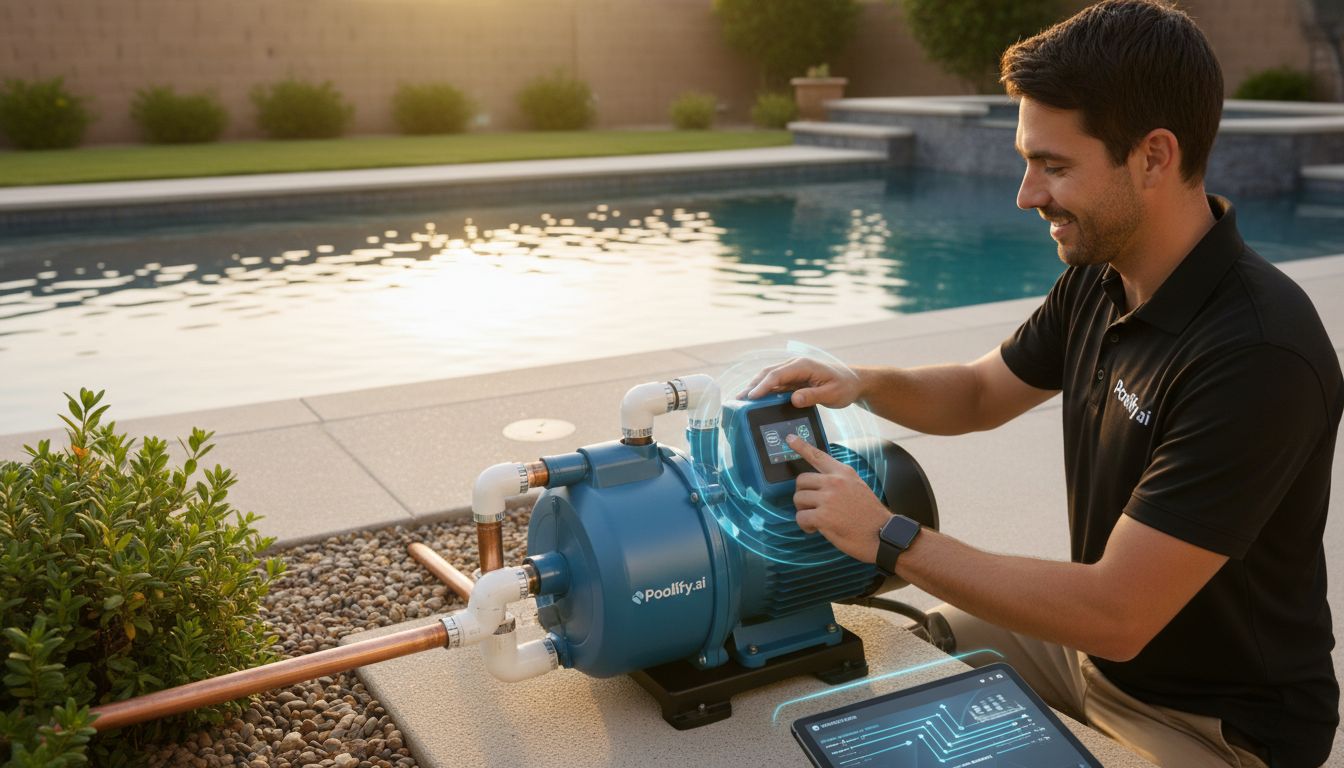
Proper installation and configuration are crucial for realizing complete variable speed pool pump benefits. While these pumps are designed for straightforward replacement of existing equipment, several factors influence optimal performance.
Professional Installation
Professional installation ensures all variable speed pool pump benefits are accessible from day one. Licensed pool technicians verify electrical compatibility, ensure proper plumbing connections, and configure initial programming based on specific pool requirements. Many manufacturers require professional installation to maintain warranty coverage, providing additional protection for your investment.
Electrical requirements for variable speed pumps differ from single-speed models, often requiring dedicated circuits and specific breaker ratings. Professional electricians ensure compliance with local codes and safety standards, preventing potential hazards and ensuring reliable operation.
Programming Optimization
Maximizing variable speed pool pump benefits requires thoughtful programming that balances energy efficiency with water quality needs. Most pools achieve optimal results running at low speeds (1,200-1,800 RPM) for 20-24 hours daily rather than high speeds for 8 hours. This approach provides superior filtration while consuming less total energy.
Experiment with different speed settings and durations to find the ideal balance for your pool. Monitor water clarity and chemical levels during the adjustment period, fine-tuning programming until you achieve crystal-clear water with minimal energy consumption. This optimization process unlocks the full variable speed pool pump benefits specific to your pool’s unique characteristics.
Common Questions About Variable Speed Pool Pump Benefits
How quickly do variable speed pool pump benefits pay for themselves?
Most homeowners recover their investment in variable speed pool pump benefits within 2-4 years through energy savings alone. Pools in warm climates with year-round operation often achieve payback in under 2 years, while seasonal pools in cooler regions typically reach payback within 3-4 years. When factoring in extended equipment life, reduced maintenance costs, and available rebates, the financial variable speed pool pump benefits become even more compelling.
Do variable speed pool pump benefits apply to all pool types?
Yes, variable speed pool pump benefits apply to virtually all residential pools including in-ground, above-ground, saltwater, and traditional chlorine pools. The technology works with all common pool configurations and can be adapted to pools with special features like waterfalls, spas, or solar heating systems. Some adjustments to programming may be necessary to accommodate specific features, but the core variable speed pool pump benefits remain consistent across pool types.
Will I notice reduced water circulation with variable speed pool pump benefits?
No, properly programmed variable speed pumps provide equal or superior water circulation compared to single-speed models. The variable speed pool pump benefits include the ability to run longer hours at lower speeds, resulting in more complete water turnover and better filtration. Most homeowners report improved water clarity after switching to variable speed technology, not reduced circulation.
Are variable speed pool pump benefits worth it for small pools?
Absolutely. While smaller pools have lower absolute energy consumption, the percentage savings from variable speed pool pump benefits remain consistent regardless of pool size. A small pool spending $400 annually on pump operation can still save $250-$300 yearly with variable speed technology. The payback period may be slightly longer due to lower absolute savings, but the return on investment remains attractive.
How do variable speed pool pump benefits compare to two-speed pumps?
Variable speed pool pump benefits significantly exceed those of two-speed models. Two-speed pumps offer only high and low settings, providing limited flexibility and modest energy savings of 30-50%. Variable speed pumps allow infinite adjustment between minimum and maximum speeds, delivering energy savings of 70-90% and far greater operational flexibility. The additional investment in variable speed technology provides substantially better returns than two-speed alternatives.
Key Takeaways: Variable Speed Pool Pump Benefits for 2026
- Dramatic energy savings of 70-90% compared to single-speed pumps translate to $300-$1,500 in annual cost reductions, with payback periods typically under 4 years
- Extended equipment lifespan of 10-15 years doubles the replacement cycle of traditional pumps, reducing long-term capital expenses and maintenance requirements
- Superior water quality results from longer filtration periods at optimal speeds, reducing chemical usage by 10-20% while maintaining crystal-clear water
- Quieter operation at 45-55 decibels makes outdoor spaces more enjoyable and eliminates noise complaints from neighbors
- Environmental benefits include 2-4 tons of reduced CO2 emissions annually and thousands of gallons of water conservation through more efficient filtration
Conclusion: Maximizing Variable Speed Pool Pump Benefits in 2026
The comprehensive variable speed pool pump benefits available to homeowners in 2026 make upgrading from traditional single-speed technology one of the smartest investments in pool equipment. From dramatic energy savings and reduced operating costs to improved water quality and quieter operation, these advanced pumps deliver advantages across every aspect of pool ownership.
As energy costs continue rising and environmental concerns grow more pressing, the variable speed pool pump benefits become increasingly valuable. Current rebate programs and regulatory incentives further enhance the financial appeal, often reducing payback periods to just 1-2 years. For pool owners planning equipment upgrades or building new pools, variable speed technology represents the clear choice for maximizing long-term value and performance.
Understanding and leveraging variable speed pool pump benefits positions homeowners to enjoy their pools more fully while spending less on operation and maintenance. The technology has matured to the point where reliability concerns have been thoroughly addressed, making 2026 an ideal time to embrace this proven advancement in pool equipment efficiency. For additional guidance on pool equipment decisions, explore our comprehensive pool equipment selection guide.
References
U.S. Department of Energy – Swimming Pool Pumps Energy Efficiency: https://www.energy.gov/energysaver/swimming-pool-pumps