
Introduction to Vinyl Liner Pool Pros and Cons
Choosing the right swimming pool for your home represents a significant investment that affects your property value, lifestyle, and budget for years to come. Understanding the vinyl liner pool pros and cons is essential before making this important decision. Vinyl liner pools have become increasingly popular in 2026, accounting for nearly half of all in-ground pool installations across North America. This comprehensive guide examines every aspect of vinyl liner pools, from initial costs and installation to long-term maintenance and aesthetic considerations, helping you make an informed choice that aligns with your specific needs and circumstances.
What Is a Vinyl Liner Pool?
A vinyl liner pool features a custom-made sheet of vinyl between the water and the pool structure. The structure itself typically consists of polymer panels, steel panels, or poured concrete walls that create the pool’s shape. The vinyl liner acts as the waterproof barrier and provides the finished surface you see and touch when swimming.
Modern vinyl liners in 2026 offer remarkable durability and design versatility compared to earlier generations. Manufacturers now produce liners with thickness ranging from 20 to 30 mil, with premium options featuring reinforced seams and UV-resistant materials. The liner attaches to a track system around the pool’s perimeter, creating a smooth, non-porous surface that feels comfortable underfoot.
The construction process differs significantly from concrete or fiberglass pools. Installers excavate the site, build the structural walls, install the plumbing and filtration systems, then carefully measure and install the custom vinyl liner. This method allows for considerable design flexibility while maintaining relatively quick installation timelines.
The Major Advantages: Vinyl Liner Pool Pros
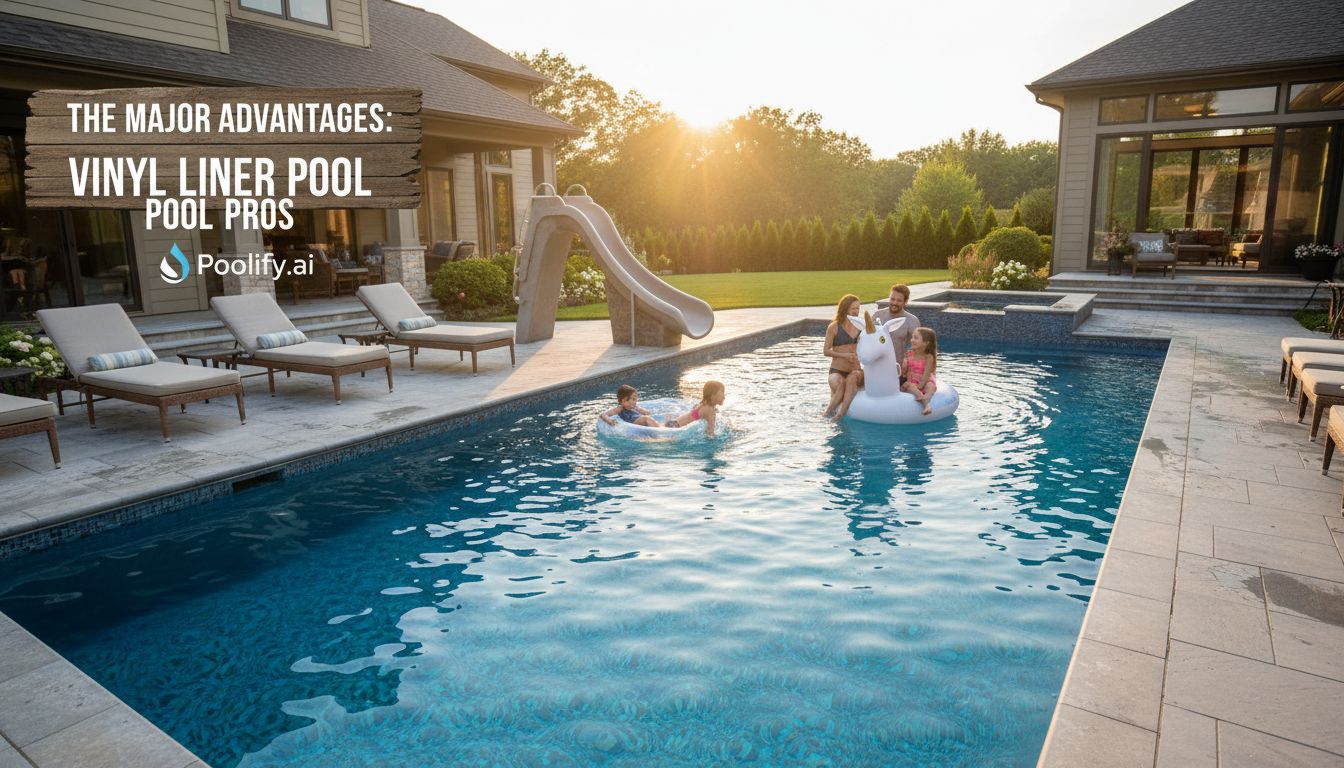
Lower Initial Investment Costs
One of the most compelling vinyl liner pool pros and cons considerations involves upfront expenses. Vinyl liner pools typically cost between $35,000 and $65,000 for a standard installation in 2026, compared to $50,000 to $100,000 for concrete pools and $45,000 to $85,000 for fiberglass options. This price advantage makes pool ownership accessible to more homeowners.
The cost savings stem from faster installation times, less intensive excavation requirements, and simpler construction methods. According to the U.S. Census Bureau’s construction data, vinyl liner pools require approximately 30% less labor time than comparable concrete installations, directly translating to lower contractor fees.
Smooth, Comfortable Surface
The vinyl surface provides a smooth, non-abrasive feel that many swimmers prefer, especially families with young children. Unlike concrete pools that can develop rough patches or fiberglass pools with potential gel coat issues, vinyl liners maintain their smooth texture throughout their lifespan. This comfort factor represents a significant advantage when considering vinyl liner pool pros and cons for family use.
Customizable Designs and Patterns
Modern vinyl liners offer extensive design possibilities in 2026. Manufacturers provide hundreds of patterns, colors, and textures, from classic blue tiles to natural stone appearances and contemporary geometric designs. You can achieve the look of expensive materials at a fraction of the cost, creating a personalized aesthetic that complements your landscape design.
The customization extends beyond aesthetics to pool shape as well. Vinyl liner pools accommodate virtually any configuration, including free-form designs, Roman ends, beach entries, and integrated spa areas. This flexibility allows homeowners to create unique pools that fit their specific yard dimensions and design preferences.
Faster Installation Timeline
Time represents another crucial factor in vinyl liner pool pros and cons analysis. Most vinyl liner pools reach completion within two to four weeks, compared to eight to twelve weeks for concrete pools. This expedited timeline means you can enjoy your pool sooner and experience less disruption to your property and daily routine.
Lower Chemical Requirements
The non-porous vinyl surface doesn’t harbor algae as readily as concrete, potentially reducing chemical usage by 20-30% compared to concrete pools. This advantage translates to ongoing cost savings and a more environmentally friendly pool operation. The smooth surface also simplifies cleaning, as debris doesn’t adhere as stubbornly to vinyl as it does to textured concrete surfaces.
Understanding the Drawbacks: Vinyl Liner Pool Cons
Limited Lifespan and Replacement Costs
Perhaps the most significant consideration in vinyl liner pool pros and cons discussions involves liner longevity. Today’s high-quality vinyl liners typically last 7-12 years with proper maintenance, though premium options may extend to 15 years. Eventually, every vinyl liner requires replacement, costing between $4,500 and $8,500 in 2026, including labor.
This periodic expense must factor into your long-term ownership calculations. Over a 30-year period, you’ll likely replace the liner three to four times, adding $15,000 to $30,000 to your total pool investment. While the initial savings remain substantial, these recurring costs narrow the lifetime cost difference between pool types.
Vulnerability to Punctures and Tears
Vinyl liners can sustain damage from sharp objects, pet claws, pool toys, and even certain cleaning tools. While small tears are repairable with patch kits, larger damage may necessitate premature liner replacement. This vulnerability requires careful monitoring and preventive measures, such as trimming pet nails, avoiding sharp-edged toys, and using appropriate cleaning equipment.
The risk increases in areas with high groundwater or expansive soils, where hydrostatic pressure can stress the liner. Proper installation with adequate drainage systems mitigates this concern, but it remains an important consideration when evaluating vinyl liner pool pros and cons for your specific property conditions.
Fading and Discoloration Over Time
Despite UV-resistant treatments, vinyl liners gradually fade with sun exposure and chemical contact. Dark-colored liners show fading more noticeably than lighter shades. By years five through seven, most liners display visible color changes, though they remain functional. This aesthetic degradation doesn’t affect performance but may diminish your pool’s visual appeal before replacement becomes structurally necessary.
Seam Visibility and Potential Weak Points
Vinyl liners feature seams where material sections join together, and these seams can become visible over time or separate if manufacturing quality is substandard. While reputable manufacturers produce liners with minimal seam issues, this represents a potential weak point that doesn’t exist in one-piece fiberglass pools or monolithic concrete installations.
Limited Structural Modifications
Once installed, vinyl liner pools offer limited modification options. Changing the pool’s shape, depth, or adding features like benches or sun shelves requires complete liner replacement and potentially structural alterations. This inflexibility contrasts with concrete pools, which can be renovated and modified more easily, though at higher costs.
Maintenance Requirements for Vinyl Liner Pools
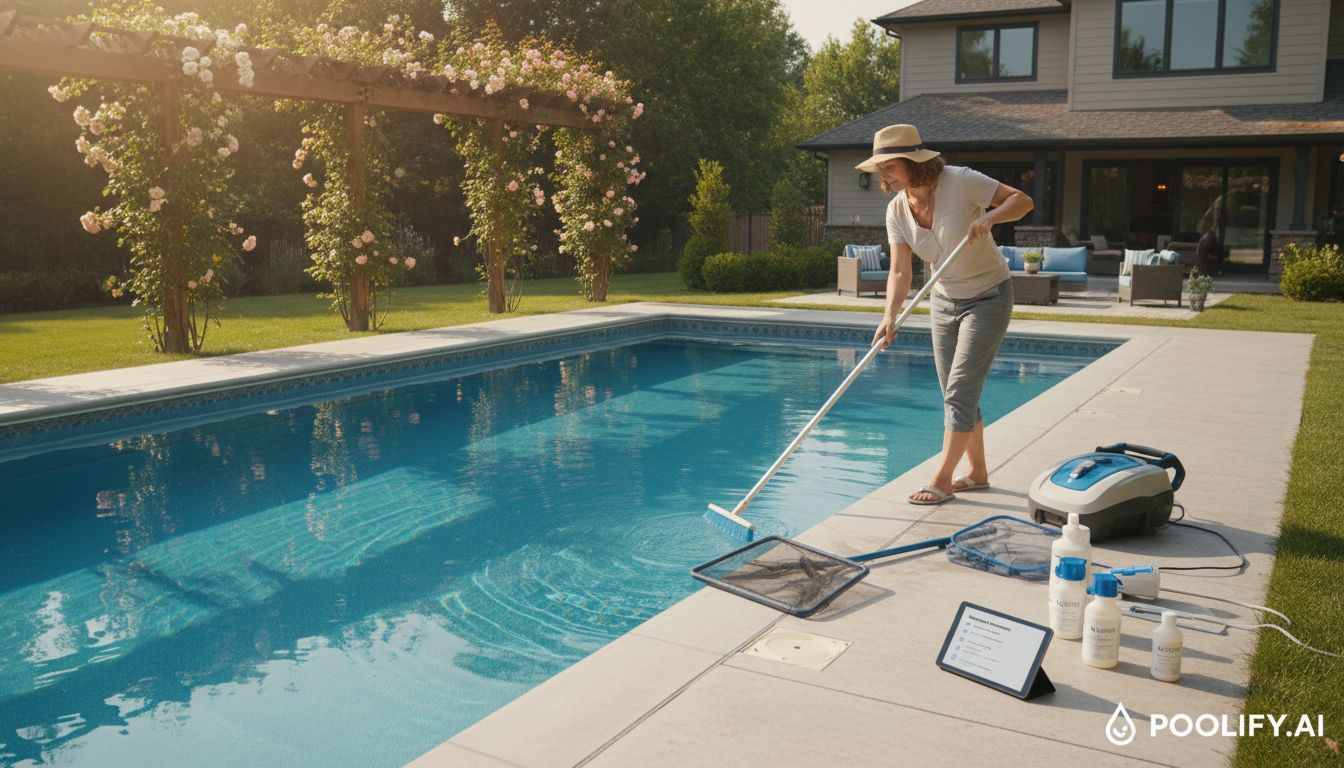
Understanding maintenance needs is essential when weighing vinyl liner pool pros and cons. Vinyl pools require regular care but generally demand less intensive maintenance than concrete alternatives. Weekly tasks include testing and balancing water chemistry, skimming debris, and vacuuming the pool floor using soft-bristled attachments specifically designed for vinyl surfaces.
Water chemistry deserves particular attention with vinyl liners. Maintaining pH between 7.2 and 7.6 and avoiding chlorine levels above 3 ppm helps prevent liner degradation. Never add chemicals directly to the pool; always pre-dissolve them or add through the skimmer to prevent concentrated chemical contact with the liner surface.
Winter maintenance varies by climate. In cold regions, properly winterizing your vinyl liner pool protects against ice damage and extends liner life. This process involves lowering water levels, adding winterizing chemicals, and installing a quality cover. For more detailed seasonal care strategies, explore our comprehensive pool winterization guide.
Inspect your liner regularly for wrinkles, which can develop if water chemistry imbalances occur or groundwater pressure increases. Small wrinkles often resolve themselves, but persistent wrinkling may indicate underlying issues requiring professional assessment. Early detection of tears or separation at seams allows for prompt repairs before minor issues escalate.
Cost Analysis: Initial Investment and Long-Term Expenses
A thorough financial evaluation of vinyl liner pool pros and cons requires examining both immediate and future costs. The initial installation typically breaks down as follows in 2026: excavation and site preparation ($5,000-$8,000), pool structure and walls ($12,000-$20,000), vinyl liner ($2,500-$4,500), plumbing and equipment ($8,000-$15,000), decking and finishing ($7,500-$17,500).
Annual operating costs for vinyl liner pools average $1,200-$2,000, covering chemicals, electricity for pumps and heaters, water, and routine maintenance supplies. These costs remain relatively consistent across pool types, though vinyl pools may see slightly lower chemical expenses due to their non-porous surface.
The major periodic expense involves liner replacement every 7-12 years. Planning for this inevitable cost helps avoid financial surprises. Setting aside $400-$600 annually in a pool maintenance fund ensures you’re prepared when replacement becomes necessary. Some homeowners opt for extended warranties or maintenance plans that include liner replacement, spreading costs more predictably.
Comparing 30-year total ownership costs reveals that vinyl liner pools, despite replacement expenses, typically cost $15,000-$25,000 less than concrete pools over their lifetime. However, this advantage diminishes if you experience premature liner failures or choose frequent aesthetic updates with new liner patterns.
Durability and Lifespan Considerations
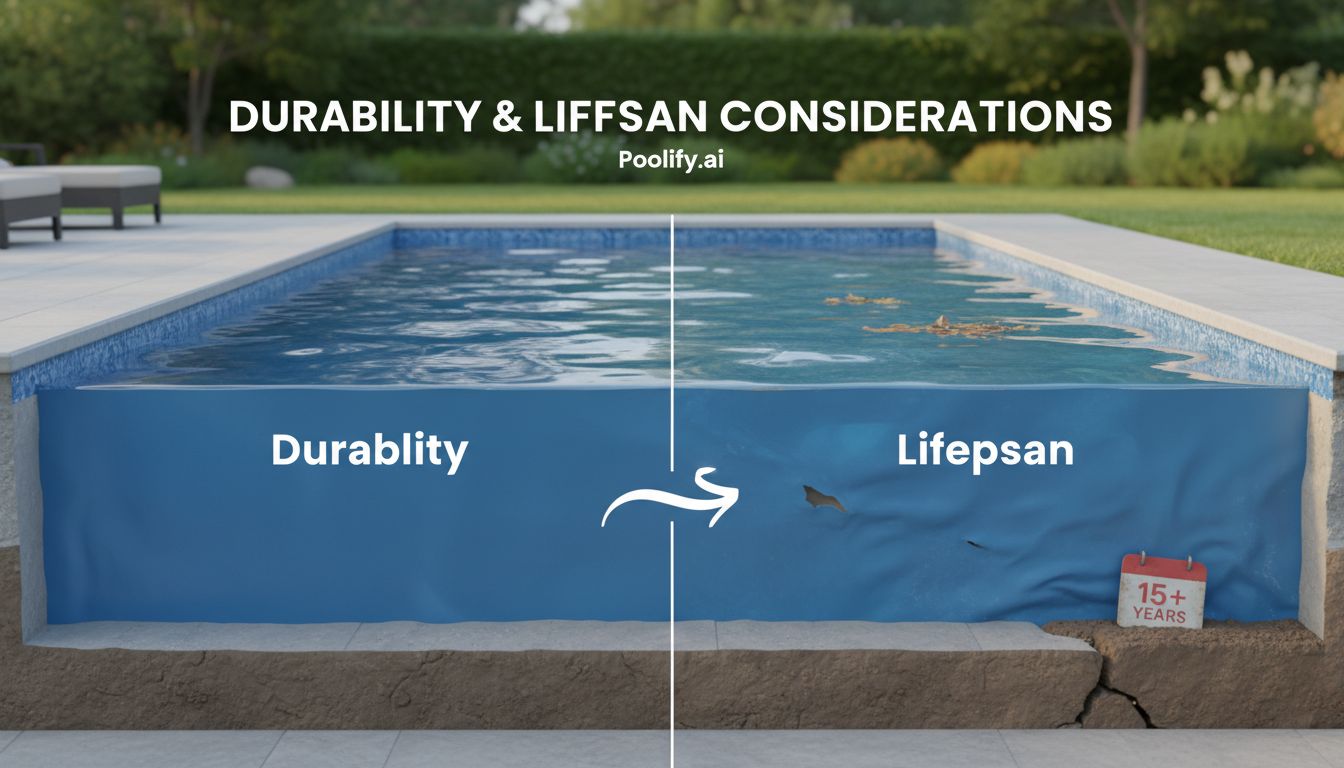
When evaluating vinyl liner pool pros and cons, understanding realistic lifespan expectations helps set appropriate expectations. The pool structure itself—whether polymer, steel, or concrete walls—can last 25-50 years with proper maintenance, comparable to other pool types. The liner, however, represents the limiting factor for longevity.
Several factors influence liner lifespan. Water chemistry management ranks as the most critical element; consistently balanced water can extend liner life by 3-5 years compared to poorly maintained chemistry. Sun exposure accelerates fading and material breakdown, making pool covers valuable investments that protect your liner when the pool isn’t in use.
Geographic location affects durability as well. Pools in southern climates with intense year-round sun exposure may see shorter liner lifespans than pools in northern regions with seasonal use. Ground conditions matter too—stable soil provides better support than expansive clay or areas with high water tables, which can stress liners and cause premature failure.
Material quality varies significantly between manufacturers. Premium liners with 27-30 mil thickness and reinforced construction last substantially longer than budget 20 mil options. The initial $1,000-$2,000 premium for higher-quality liners often proves worthwhile through extended service life and better appearance retention.
Aesthetic Options and Design Flexibility in 2026
The design possibilities available for vinyl liner pools have expanded dramatically, making aesthetic considerations a more positive aspect of vinyl liner pool pros and cons discussions. Current trends in 2026 favor natural appearances, with stone and pebble patterns leading in popularity, followed by geometric tiles and solid colors that create a resort-like ambiance.
Manufacturers now offer textured liners that replicate the feel of natural materials while maintaining vinyl’s smooth comfort. These innovations bridge the aesthetic gap between vinyl and more expensive pool finishes. Digital printing technology enables custom designs, allowing homeowners to incorporate unique patterns, family crests, or artistic elements into their pool floors.
Color selection impacts both appearance and practical considerations. Lighter colors make pools appear larger and show less fading over time, while darker shades create more dramatic visual effects and warmer water temperatures through increased solar heat absorption. Medium blues remain the most popular choice, balancing aesthetic appeal with practical longevity.
The pool’s surrounding landscape and architecture should guide your liner selection. Mediterranean-style homes pair well with mosaic tile patterns, while contemporary designs benefit from solid colors or geometric patterns. Consider how the liner color affects water appearance—lighter liners create turquoise water tones, while darker options produce deeper blue or even black appearances.
Comparing Vinyl Liner Pools to Other Pool Types
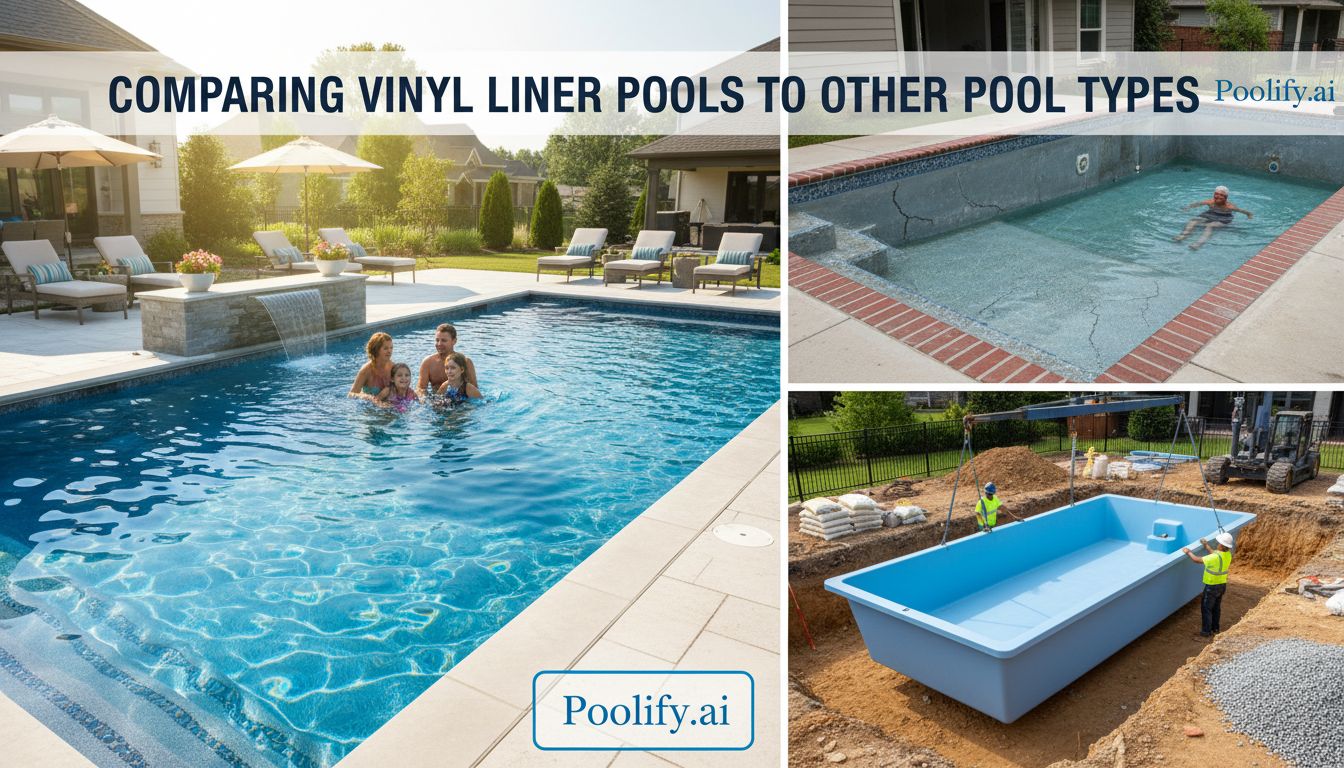
A complete understanding of vinyl liner pool pros and cons requires comparison with alternatives. Fiberglass pools offer one-piece construction eliminating seams and providing smooth surfaces, but they come with limited shape options and higher initial costs. The pre-manufactured shells restrict design flexibility, though installation speed matches or exceeds vinyl liner pools.
Concrete pools provide maximum customization and the longest structural lifespan, but initial costs run 40-60% higher than vinyl options. The rough surface requires more chemicals to prevent algae growth, and resurfacing every 10-15 years costs $10,000-$20,000. However, concrete pools offer unmatched durability and modification potential, making them ideal for homeowners prioritizing longevity over initial investment.
Above-ground pools with vinyl liners represent the most budget-friendly option at $3,000-$15,000, but they lack the aesthetic appeal, property value enhancement, and permanence of in-ground installations. They serve well as temporary solutions or for renters but don’t compare favorably for long-term homeowners.
Each pool type suits different priorities. Vinyl liner pools excel for budget-conscious buyers seeking attractive, comfortable pools with reasonable maintenance demands. Understanding where your priorities lie—initial cost, long-term expenses, aesthetics, durability, or customization—guides you toward the best choice for your situation. For additional insights on selecting the right pool features, visit our guide to essential pool design features.
Installation Process and Timeline
The installation process significantly impacts the vinyl liner pool pros and cons equation, particularly for homeowners eager to begin enjoying their investment. The typical timeline spans two to four weeks, beginning with site evaluation and permit acquisition. Local building departments require inspections at various stages, potentially extending timelines in jurisdictions with limited inspector availability.
Week one involves excavation and structural installation. Contractors dig the pool cavity, ensuring proper depth and slope, then install the wall panels or pour concrete walls depending on your chosen construction method. They establish the plumbing rough-in, positioning skimmers, returns, and main drains according to your equipment specifications.
Week two focuses on plumbing completion, equipment installation, and preparing for the liner. Contractors install pumps, filters, heaters, and automation systems, then create a smooth base surface—typically a cement or vermiculite mixture—that provides cushioning and support for the vinyl liner. This base prevents rocks or rough spots from damaging the liner.
Weeks three and four involve liner installation, filling, and finishing work. The custom-measured liner arrives on site, and installers carefully position it, securing it to the track system around the pool perimeter. They begin filling the pool while simultaneously smoothing wrinkles and ensuring proper fit. Final grading, decking installation, and landscaping complete the project.
Weather significantly affects timelines. Rain delays excavation and concrete work, while extreme temperatures complicate liner installation. Planning your project for moderate weather seasons—spring or fall in most regions—helps avoid delays and ensures optimal installation conditions.
Common Problems and Solutions
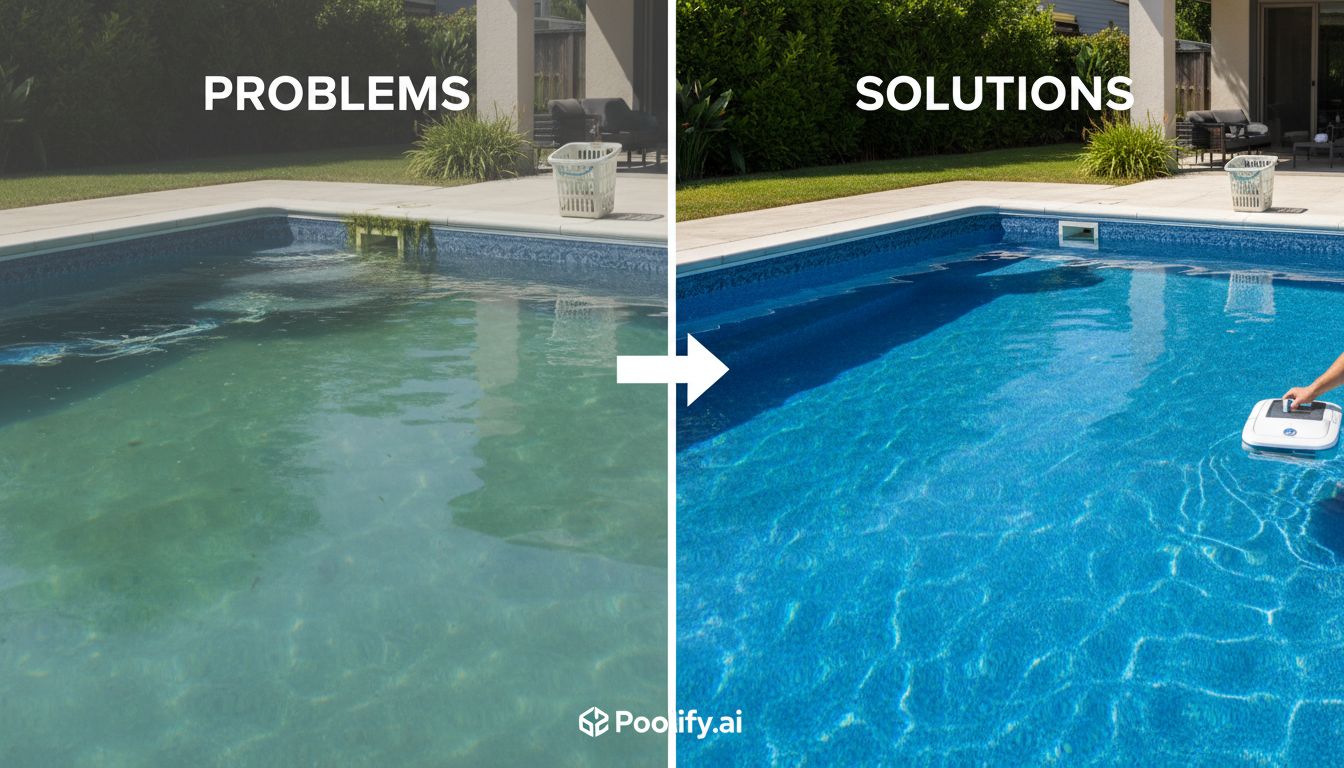
Anticipating potential issues helps homeowners address problems quickly, an important consideration when weighing vinyl liner pool pros and cons. Wrinkles represent the most common complaint, typically resulting from improper installation, groundwater pressure, or water chemistry imbalances that cause liner shrinkage. Small wrinkles often disappear as water temperature increases, but persistent wrinkling may require professional adjustment.
Staining occurs when metals in water or certain algaecides react with the liner material. Copper, iron, and manganese create distinctive discoloration patterns. Prevention through proper water chemistry and using metal sequestrants proves more effective than attempting stain removal, which risks damaging the liner. According to the CDC’s pool water quality guidelines, maintaining balanced chemistry prevents most common pool problems.
Liner floating happens when groundwater pressure exceeds the weight of pool water, lifting the liner from the pool floor. This serious issue requires immediate attention, as continued floating can permanently stretch and damage the liner. Installing proper drainage systems during construction prevents this problem, but existing pools may need retrofitted drainage solutions.
Bleaching and fading accelerate with excessive chlorine levels or prolonged sun exposure. Using pool covers when not swimming and maintaining chlorine at recommended levels (1-3 ppm) minimizes this degradation. Some fading remains inevitable, but proper care extends the liner’s attractive appearance significantly.
Tears and punctures require immediate patching to prevent water loss and further damage. Underwater patch kits provide temporary repairs, while professional patches offer more permanent solutions. Identifying tear causes—sharp objects, pet damage, or structural issues—prevents recurring problems.
Making the Right Decision for Your Situation
Determining whether the vinyl liner pool pros and cons balance favors your specific circumstances requires honest assessment of your priorities, budget, and long-term plans. Vinyl liner pools suit homeowners who value initial affordability, comfortable swimming surfaces, and attractive aesthetics without premium pricing. They work well for families planning to remain in their homes for 10-20 years, providing excellent value during this timeframe.
Consider vinyl liner pools if you prioritize faster installation, have budget constraints that make concrete pools impractical, prefer smooth swimming surfaces, or want extensive design flexibility at moderate costs. They excel in regions with stable soil conditions and moderate climates where extreme temperature fluctuations won’t stress the liner excessively.
Alternative options may better suit homeowners planning 30+ year ownership who prefer avoiding periodic liner replacements, those with challenging soil conditions requiring maximum structural integrity, or buyers who prioritize absolute longevity over initial savings. Properties with unique designs requiring extensive custom features might benefit from concrete’s unlimited modification potential.
Your maintenance willingness matters too. Vinyl liner pools demand consistent water chemistry management and careful handling to prevent damage. Homeowners comfortable with regular monitoring and preventive care will find vinyl pools rewarding, while those preferring minimal involvement might consider more forgiving options, though all pools require substantial maintenance regardless of type. Learn more about ongoing care requirements in our detailed pool maintenance schedule guide.
Key Takeaways
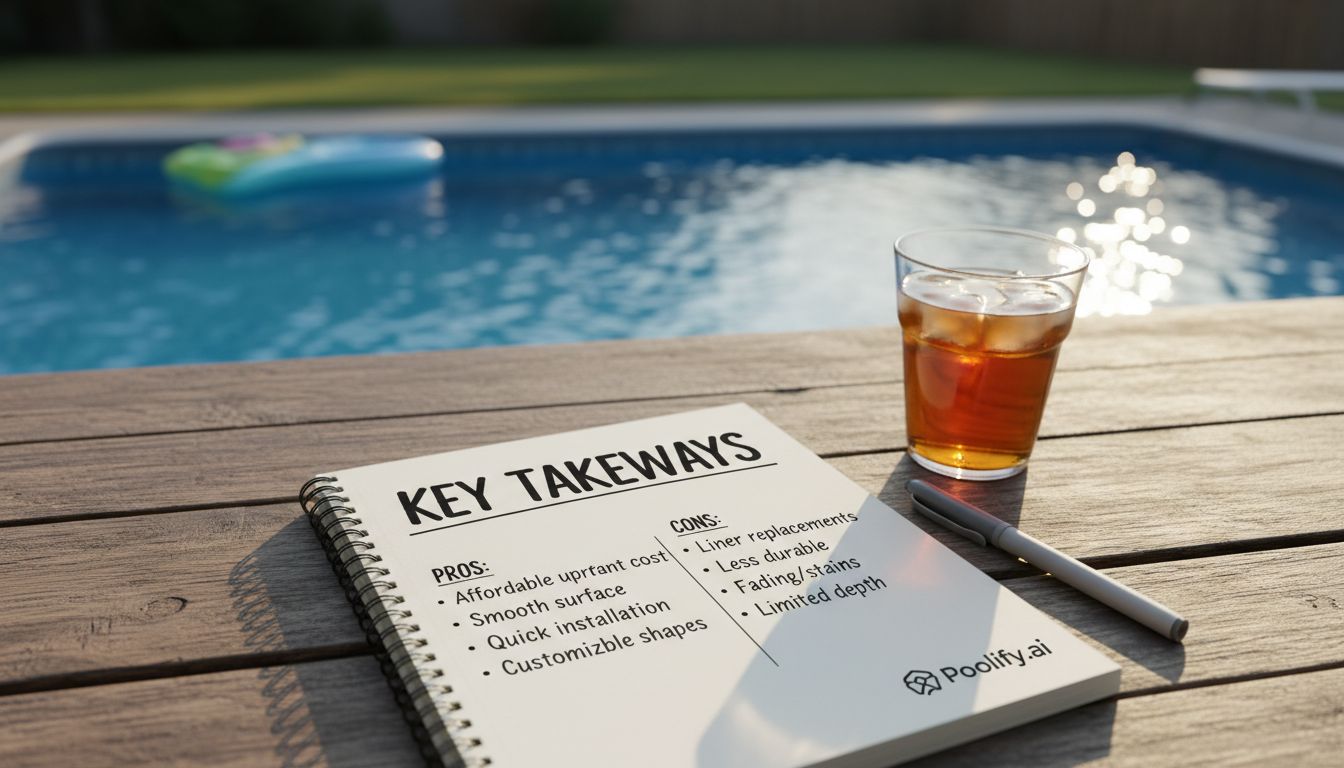
- Cost Advantage: Vinyl liner pools offer 30-40% lower initial installation costs compared to concrete pools, making pool ownership accessible to more homeowners, though periodic liner replacement every 7-12 years adds long-term expenses.
- Comfort and Aesthetics: The smooth, non-abrasive vinyl surface provides comfortable swimming experiences, while modern design options in 2026 offer hundreds of patterns and colors that rival more expensive pool finishes.
- Maintenance Balance: Vinyl pools require less intensive maintenance than concrete alternatives with lower chemical demands, but demand careful water chemistry management and gentle handling to prevent damage and extend liner lifespan.
- Durability Considerations: While pool structures last 25-50 years, vinyl liners need replacement every 7-12 years at costs of $4,500-$8,500, requiring financial planning for this inevitable periodic expense.
- Best Fit Assessment: Vinyl liner pools excel for budget-conscious homeowners prioritizing initial affordability, comfortable surfaces, and attractive designs, particularly those planning 10-20 year ownership periods in their current homes.
Frequently Asked Questions
How long do vinyl pool liners actually last in real-world conditions?
Quality vinyl pool liners typically last 7-12 years with proper maintenance, though premium options with 27-30 mil thickness can reach 15 years in ideal conditions. Lifespan depends heavily on water chemistry management, sun exposure, climate, and usage patterns. Consistently balanced water chemistry can add 3-5 years to liner life, while poor maintenance or harsh conditions may necessitate replacement in as few as 5-6 years. The vinyl liner pool pros and cons analysis must account for this periodic replacement cost when calculating long-term ownership expenses.
Can you repair tears in vinyl pool liners, or does damage always require full replacement?
Small tears and punctures (under 2-3 inches) are repairable using underwater vinyl patch kits or professional repair services. These repairs can last several years if properly executed, allowing you to extend liner life until scheduled replacement. However, extensive damage, multiple tears, significant seam separation, or tears near the pool’s edge often require complete liner replacement. The repair-versus-replace decision depends on the damage extent, liner age, and overall condition—repairing a 3-year-old liner makes financial sense, while patching a 10-year-old faded liner may only delay inevitable replacement.
Do vinyl liner pools work well in cold climates with freezing winters?
Yes, vinyl liner pools perform well in cold climates when properly winterized. The flexible vinyl material tolerates freeze-thaw cycles better than rigid surfaces, and proper winter preparation prevents damage. Essential winterization steps include lowering water below skimmers, adding antifreeze to plumbing lines, using quality winter covers, and maintaining appropriate chemical levels. Many vinyl pool owners in northern states enjoy decades of successful operation. However, ensure your pool structure uses appropriate materials for cold climates—steel or polymer walls with proper insulation perform better than basic construction in freezing conditions.
How do vinyl liner pools affect home resale value compared to other pool types?
Vinyl liner pools typically add 5-8% to home values in markets where pools are desirable, slightly less than concrete pools (7-10%) but comparable to fiberglass options. The impact depends more on pool condition, aesthetic appeal, and local market preferences than pool type alone. A well-maintained vinyl pool with a newer liner presents as attractively as other pool types to most buyers. However, pools approaching liner replacement time may reduce appeal unless priced accordingly. In competitive markets, highlighting low maintenance costs and recent liner replacement can position vinyl pools favorably against higher-maintenance alternatives.
What’s the biggest mistake homeowners make with vinyl liner pools?
The most common and costly mistake involves neglecting water chemistry, particularly allowing pH and chlorine levels to remain improperly balanced for extended periods. High chlorine concentrations and low pH accelerate liner degradation, causing premature fading, brittleness, and failure. This oversight can reduce a liner’s lifespan by 40-50%, turning a potential 12-year liner into a 6-7 year replacement cycle. Other frequent mistakes include using abrasive cleaning tools, adding chemicals directly to the pool rather than pre-dissolving them, ignoring small tears until they enlarge, and failing to address wrinkles promptly. Consistent monitoring and preventive maintenance prove far more cost-effective than reactive repairs.
Conclusion
Understanding the vinyl liner pool pros and cons empowers you to make an informed decision aligned with your budget, lifestyle, and long-term property plans. Vinyl liner pools deliver exceptional value through lower initial costs, comfortable swimming surfaces, extensive design options, and manageable maintenance requirements. The periodic liner replacement represents a trade-off for these advantages, requiring financial planning but still delivering cost savings compared to premium pool types over typical ownership periods.
The ideal candidates for vinyl liner pools are homeowners seeking attractive, functional pools without the premium pricing of concrete alternatives, families prioritizing smooth surfaces for children’s safety and comfort, and buyers planning 10-20 year ownership who value initial affordability. With proper care, water chemistry management, and realistic expectations about liner lifespan, vinyl pools provide decades of enjoyment and significantly enhance outdoor living spaces.
As you move forward with your pool decision in 2026, consider obtaining multiple quotes from experienced vinyl pool installers, examining liner samples in person to assess quality and appearance, and speaking with existing vinyl pool owners about their experiences. The vinyl liner pool pros and cons ultimately balance favorably for many homeowners, offering an accessible path to pool ownership that delivers lasting value and enjoyment for families throughout the seasons.
References
- U.S. Census Bureau – Construction Data: https://www.census.gov/construction/chars/
- Centers for Disease Control and Prevention – Pool Water Quality Guidelines: https://www.cdc.gov/healthywater/swimming/residential/disinfection-testing.html
- Centers for Disease Control and Prevention – Pool Safety Guidelines: https://www.cdc.gov/healthywater/swimming/