
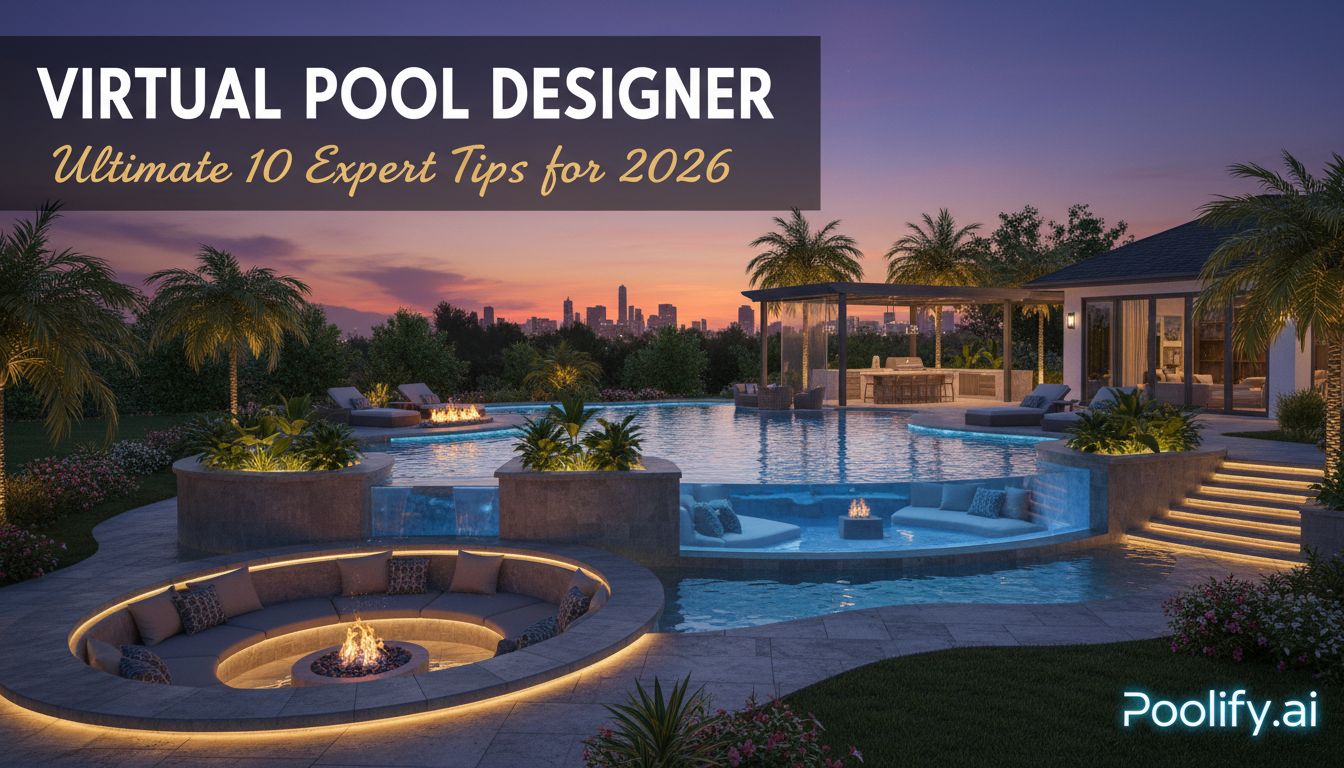
Transforming your backyard into a stunning aquatic retreat has never been easier thanks to advanced virtual pool designer technology. In 2026, homeowners can visualize, customize, and perfect their dream pool before breaking ground, saving thousands of dollars and countless hours of revisions. A virtual pool designer empowers you to experiment with shapes, sizes, materials, and features in a risk-free digital environment, ensuring your final design matches your vision perfectly.
What Is a Virtual Pool Designer and Why You Need One
A virtual pool designer is sophisticated software that allows homeowners, contractors, and landscape architects to create detailed 3D representations of swimming pools and surrounding outdoor spaces. These powerful tools combine computer-aided design (CAD) technology with intuitive interfaces, making professional-grade pool planning accessible to everyone. Rather than relying solely on static blueprints or imagination, you can walk through your future backyard oasis from multiple angles.
The technology has evolved dramatically since early versions appeared in the 2010s. Modern virtual pool designer platforms now incorporate augmented reality (AR), artificial intelligence, and real-time cost estimation. According to the U.S. Census Bureau’s construction data, proper planning tools reduce project modification costs by up to 35%, making these digital solutions invaluable for budget-conscious homeowners.
Beyond visualization, these tools serve as comprehensive planning platforms. They help you understand spatial relationships, identify potential drainage issues, plan for equipment placement, and ensure your design complies with local regulations. The virtual pool designer becomes your digital workshop where mistakes cost nothing and creativity flows freely.
Top 10 Features to Look for in a Virtual Pool Designer
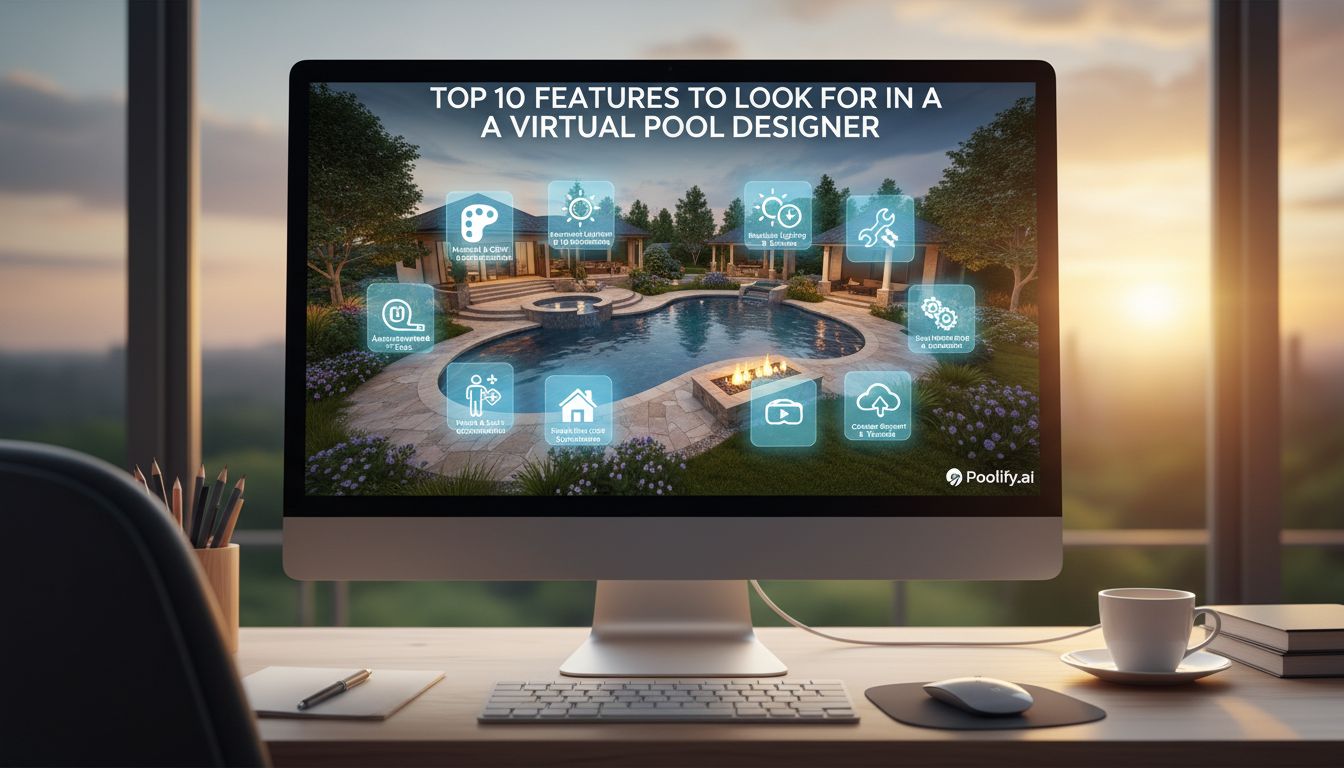
Not all virtual pool designer platforms offer the same capabilities. Understanding which features matter most helps you select the right tool for your project. Here are the essential elements that separate basic sketch programs from professional-grade design solutions.
1. Intuitive 3D Visualization
The core function of any virtual pool designer is creating realistic three-dimensional models. Look for software that renders water effects, lighting conditions, and material textures accurately. The best platforms allow you to view your design at different times of day, showing how sunlight and shadows will affect your space throughout the seasons. This visualization capability helps you make informed decisions about pool orientation and landscaping placement.
2. Comprehensive Shape and Size Libraries
Quality virtual pool designer software includes extensive libraries of pre-designed pool shapes—from classic rectangles to freeform lagoon styles. However, the most valuable platforms also offer complete customization, allowing you to modify dimensions, add curves, and create unique contours. This flexibility ensures your pool fits your property’s specific dimensions and reflects your personal aesthetic preferences.
3. Material and Finish Selection Tools
Visualizing different materials transforms the planning process. A robust virtual pool designer lets you experiment with various tile colors, coping styles, decking materials, and water finishes. Seeing how blue plaster compares to pebble finishes or how travertine decking contrasts with stamped concrete helps you make confident material selections that complement your home’s architecture.
4. Integrated Cost Estimation
Budget planning becomes straightforward when your virtual pool designer includes real-time cost calculations. As you add features like waterfalls, spa jets, or lighting systems, the software should update price estimates automatically. This transparency helps you prioritize features and make trade-offs that keep your project within financial boundaries while maximizing value.
5. Landscaping and Hardscaping Integration
Your pool doesn’t exist in isolation. The best virtual pool designer platforms include tools for planning surrounding elements—patios, walkways, planters, outdoor kitchens, and fire features. Comprehensive landscape design ensures your entire outdoor space functions cohesively, with proper traffic flow and aesthetic harmony between all elements.
6. Equipment Placement Planning
Technical considerations matter as much as aesthetics. Advanced virtual pool designer software helps you plan locations for pumps, filters, heaters, and electrical panels. Proper equipment placement affects both operational efficiency and noise levels, ensuring your backyard remains a peaceful retreat rather than an industrial-sounding maintenance challenge.
7. Augmented Reality Capabilities
Cutting-edge virtual pool designer platforms now offer AR features that overlay your design onto your actual backyard through your smartphone or tablet camera. This technology bridges the gap between digital concept and physical reality, helping you understand scale and placement with unprecedented accuracy. Walking through your yard while viewing the proposed pool in real-time eliminates guesswork and builds confidence in your design decisions.
8. Compliance and Safety Features
Professional-grade virtual pool designer tools incorporate local building codes and safety requirements. They can automatically check fence distances, barrier heights, and equipment setbacks, flagging potential violations before you submit plans. This proactive approach saves time during the permitting process and prevents costly redesigns after construction begins.
9. Collaboration and Sharing Options
Pool projects involve multiple stakeholders—family members, contractors, and designers. Look for a virtual pool designer that facilitates easy sharing through cloud storage, email exports, or direct contractor access. The ability to gather feedback and make collaborative decisions streamlines the approval process and ensures everyone’s vision aligns before construction starts.
10. Export and Documentation Tools
Your virtual pool designer should generate professional documentation that contractors can use for bidding and construction. This includes scaled drawings, material lists, equipment specifications, and installation notes. High-quality exports bridge the gap between digital design and physical construction, reducing miscommunication and ensuring your vision translates accurately to the built environment.
How to Use a Virtual Pool Designer Effectively
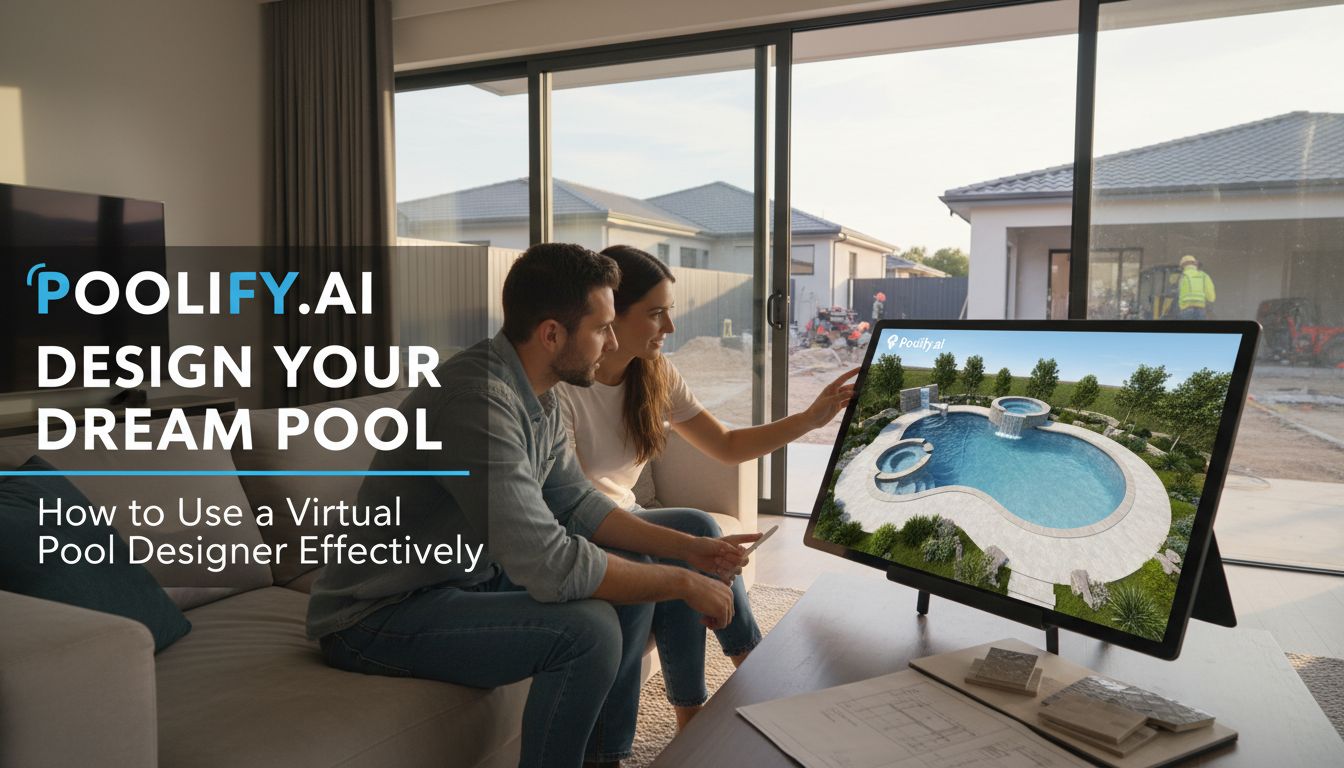
Having powerful software means little without a strategic approach. Follow these steps to maximize the value of your virtual pool designer and create a comprehensive plan that serves as your project roadmap.
Start with Accurate Property Measurements
Precision begins with data. Before opening your virtual pool designer, measure your backyard carefully or obtain a professional survey. Document property lines, existing structures, utility locations, and elevation changes. Many homeowners skip this step and create beautiful designs that won’t fit their actual space. Accurate measurements prevent disappointment and ensure your digital design translates to reality.
Consider Sun Exposure and Wind Patterns
Environmental factors significantly impact pool enjoyment. Use your virtual pool designer to test different orientations, considering where the sun will be during peak swimming hours. Southern exposure maximizes warmth in most climates, while strategic placement of structures can block prevailing winds. These considerations affect water temperature, evaporation rates, and overall comfort throughout the swimming season.
Plan for Future Needs
Your pool requirements may evolve over time. If you have young children, shallow play areas matter now, but deeper sections become valuable as they grow. A quality virtual pool designer lets you experiment with versatile designs that adapt to changing family dynamics. Consider how your outdoor space might serve different purposes over the next decade, not just immediate needs.
Experiment Freely Before Committing
The beauty of a virtual pool designer lies in consequence-free experimentation. Create multiple versions, try bold ideas, and push creative boundaries. Save various iterations so you can compare options side by side. Sometimes the design you initially dismissed becomes the perfect solution after viewing it from different angles or with alternative material choices.
Virtual Pool Designer Benefits That Save Time and Money
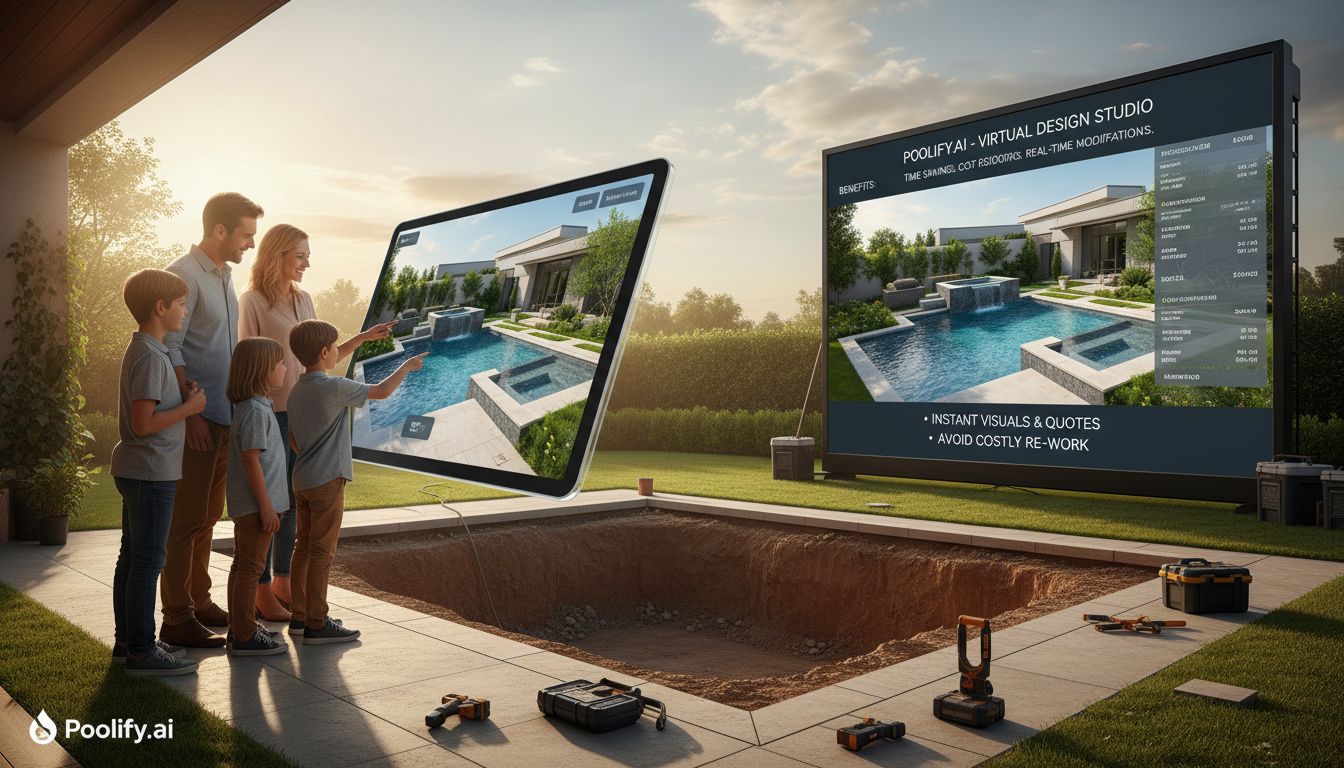
Investing time in thorough digital planning delivers substantial returns throughout your pool project. Understanding these benefits helps justify the upfront effort required to master your virtual pool designer platform.
Visualization eliminates costly miscommunication between homeowners and contractors. When everyone can see exactly what the finished product will look like, disagreements about expectations disappear. This clarity reduces change orders during construction, which typically cost 20-40% more than incorporating features during the initial build.
Material experimentation in a virtual pool designer prevents expensive regrets. Seeing how different tile colors look in your specific lighting conditions before purchasing prevents situations where homeowners dislike their choices after installation. Physical samples provide limited context, while digital visualization shows materials in your complete environment.
The permitting process becomes smoother with professional documentation from your virtual pool designer. Building departments appreciate clear, detailed plans that demonstrate compliance with regulations. Well-prepared applications move through approval queues faster, reducing delays that can push construction into less favorable seasons or extend contractor booking timelines.
Budget control improves dramatically when you can see cost implications of each design decision. The real-time pricing features in modern virtual pool designer platforms help you make informed trade-offs. Perhaps upgrading from basic LED lighting to color-changing systems costs less than you assumed, while that elaborate waterfall feature exceeds your budget. Knowing these numbers during design rather than after contractor bids prevents painful compromises later.
Common Virtual Pool Designer Mistakes to Avoid
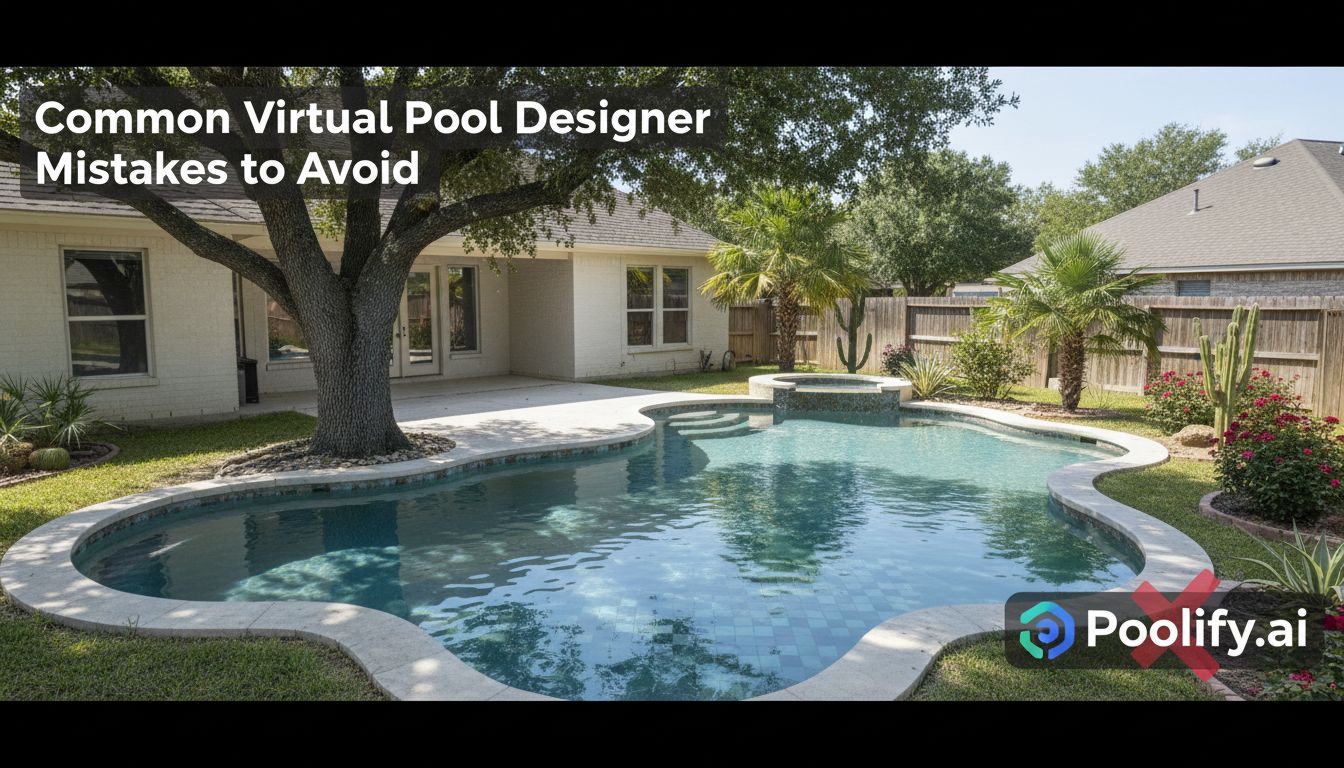
Even with powerful technology, certain pitfalls can undermine your planning efforts. Awareness of these common mistakes helps you use your virtual pool designer more effectively and create more realistic, buildable designs.
Ignoring Underground Utilities
Beautiful designs become impossible when they conflict with water lines, electrical conduits, or septic systems. Before finalizing your virtual pool designer layout, contact your local utility marking service. Underground obstacles may require design modifications, and discovering these constraints early prevents disappointment after you’ve fallen in love with an unbuildable plan.
Overlooking Maintenance Access
Pools require ongoing care, and your virtual pool designer should account for practical maintenance needs. Equipment must be accessible for repairs, and cleaning tools need storage space nearby. Designs that prioritize aesthetics while ignoring functionality create frustration for years after construction. Plan pathways, equipment access panels, and storage solutions during the initial design phase.
Underestimating Space Requirements
Pools appear smaller in virtual pool designer software than in physical reality. A design that looks perfectly proportioned on screen may overwhelm your actual yard. Pay attention to the relationship between pool size and remaining outdoor space. You’ll want room for lounging, dining, and circulation around the water. A pool that consumes your entire backyard limits functionality and may feel cramped rather than luxurious.
Neglecting Drainage Planning
Water management extends beyond the pool itself. Your virtual pool designer should help you plan for deck drainage, overflow during heavy rain, and runoff from surrounding areas. Poor drainage causes structural problems, creates slip hazards, and may violate local stormwater regulations. Incorporate proper grading and drainage solutions into your initial design rather than addressing problems after construction.
Integrating Smart Technology with Your Virtual Pool Designer
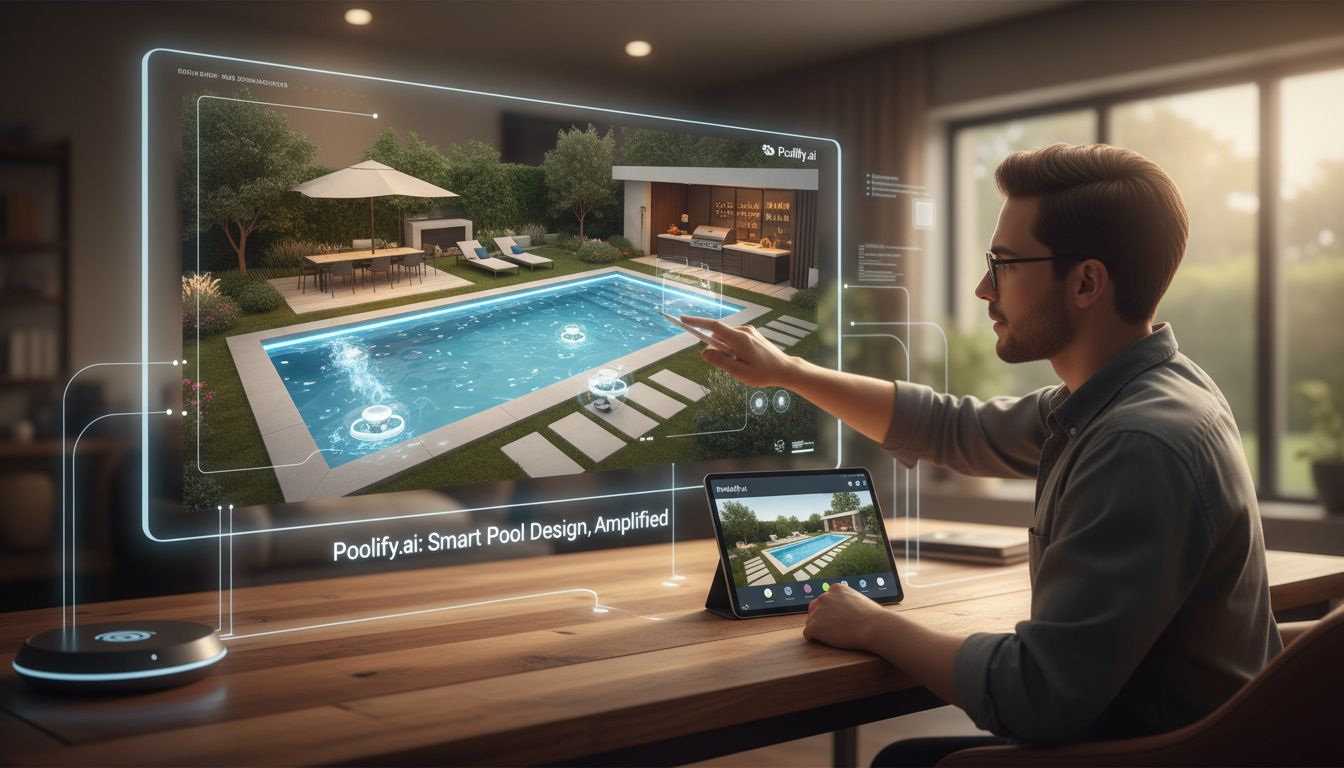
Modern pools function as sophisticated systems controlled by smart technology. As you work with your virtual pool designer, consider how automation and connectivity will enhance your pool experience and simplify maintenance routines.
Smart pool systems monitor water chemistry, adjust filtration schedules, and control heating based on weather forecasts. Your virtual pool designer should account for equipment locations that support these technologies, including Wi-Fi coverage in outdoor spaces and weatherproof electrical installations. Planning for technology infrastructure during design prevents awkward retrofits later.
Lighting design deserves special attention in your virtual pool designer. LED systems now offer millions of color combinations, synchronized light shows, and integration with smart home platforms. Visualizing how lights will illuminate your pool at night helps you plan fixture locations that create ambiance without glare. Consider both underwater lights and landscape lighting that highlights surrounding features.
Energy efficiency has become a priority for pool owners in 2026. Use your virtual pool designer to plan for solar heating panels, variable-speed pumps, and automated covers that reduce heat loss. These features require specific placement and infrastructure, making them easier to incorporate during initial design rather than as afterthoughts. The U.S. Department of Energy provides guidelines for energy-efficient pool design that can inform your planning decisions.
Choosing Between DIY and Professional Virtual Pool Designer Services
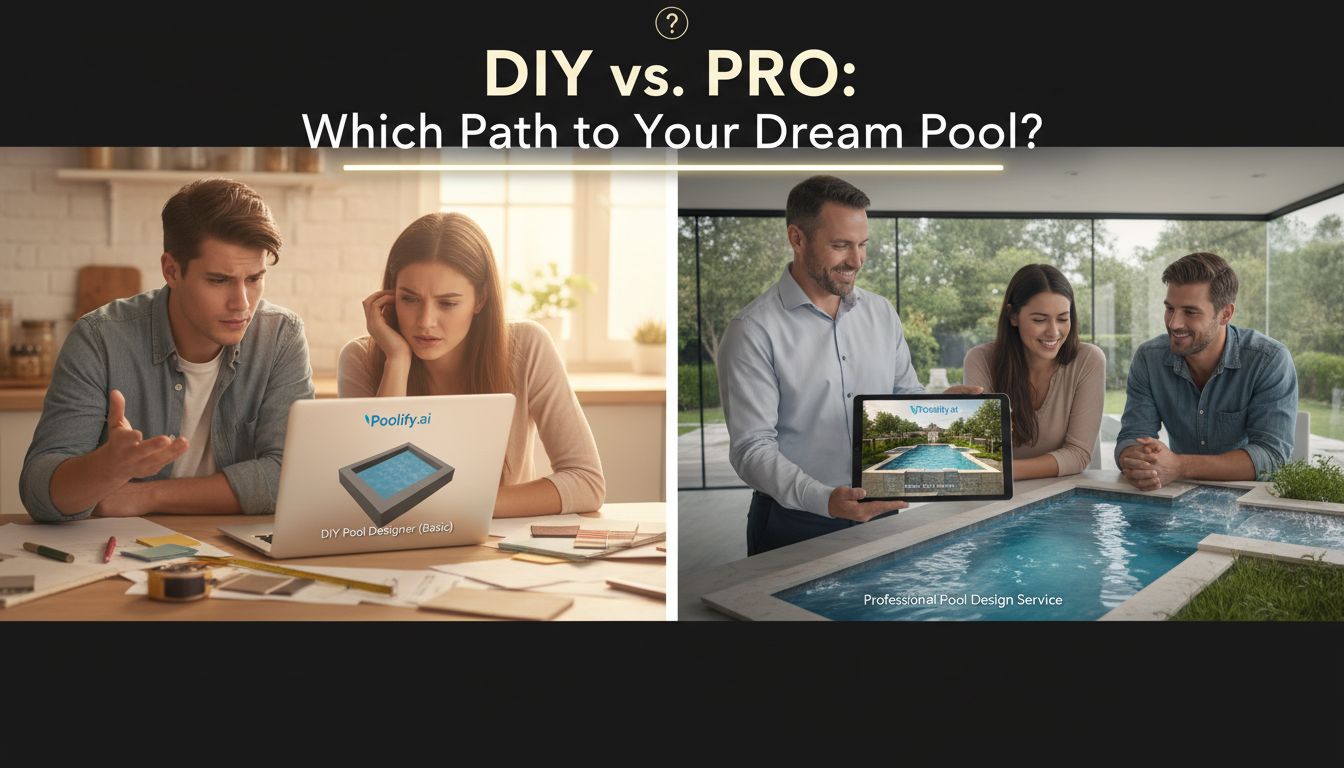
You face an important decision: use consumer-grade virtual pool designer software yourself or hire professionals who work with advanced platforms. Understanding the trade-offs helps you make the choice that best serves your project.
Consumer virtual pool designer applications offer accessibility and affordability. Many platforms provide free basic versions or charge modest subscription fees. These tools work well for homeowners who enjoy hands-on planning and have relatively straightforward projects. If your yard is flat, your design preferences are clear, and you’re comfortable with technology, DIY software may meet your needs perfectly.
Professional design services bring expertise that extends beyond software proficiency. Experienced designers understand structural requirements, hydraulic principles, and aesthetic proportions that create visually balanced spaces. They’ve seen common problems play out in real projects and can steer you away from designs that look good digitally but function poorly in practice. For complex properties with significant elevation changes, unusual shapes, or ambitious feature lists, professional guidance often proves invaluable.
A hybrid approach offers compelling advantages. You might use consumer virtual pool designer software for initial brainstorming and concept development, then engage a professional to refine your ideas and create construction-ready documentation. This strategy gives you creative control while ensuring technical accuracy. Many homeowners find this balance delivers the best combination of personal involvement and professional polish.
Consider your budget, timeline, and confidence level when deciding. If pool design feels overwhelming or you’re uncertain about technical requirements, professional services provide peace of mind. If you’re excited about the planning process and have time to learn software capabilities, DIY virtual pool designer tools offer rewarding creative outlets. There’s no universally correct answer—the right choice depends on your specific situation and preferences.
Future Trends in Virtual Pool Designer Technology
The virtual pool designer landscape continues evolving rapidly as new technologies emerge. Understanding upcoming trends helps you select platforms with longevity and anticipate capabilities that may enhance your planning process.
Artificial intelligence is transforming how virtual pool designer software functions. AI-powered tools can analyze your property photos, suggest optimal pool placements, and generate design options based on your stated preferences. Machine learning algorithms study thousands of successful projects to recommend combinations of features that work well together, helping inexperienced designers avoid common mistakes.
Virtual reality integration represents the next frontier for virtual pool designer platforms. Rather than viewing designs on flat screens, VR headsets let you step into your future backyard and experience the space at full scale. This immersive technology provides unprecedented understanding of spatial relationships and helps you evaluate designs with confidence that traditional visualization methods cannot match.
Cloud-based collaboration features are becoming standard in professional virtual pool designer platforms. Multiple stakeholders can access the same design file simultaneously, leave comments, and suggest modifications in real-time. This connectivity streamlines decision-making when family members have different schedules or when coordinating with contractors across different locations.
Environmental analysis tools are emerging as important virtual pool designer features. Software can now calculate water consumption, estimate heating costs based on local climate data, and suggest eco-friendly alternatives that reduce environmental impact. As sustainability becomes increasingly important to homeowners, these analytical capabilities help create pools that align with environmental values without sacrificing enjoyment.
Maximizing ROI with Strategic Virtual Pool Designer Planning
Your pool represents a significant investment, and thoughtful planning with a virtual pool designer helps maximize returns both financially and in terms of lifestyle enhancement. Strategic decisions during the design phase create value that compounds over years of ownership.
Focus on timeless design elements rather than trendy features that may feel dated quickly. Classic pool shapes and neutral material palettes appeal to broader audiences if you eventually sell your home. Use your virtual pool designer to experiment with contemporary touches that can be updated inexpensively, like lighting colors or decorative accents, while keeping permanent structures versatile.
Consider how your pool design affects property value in your specific market. Some neighborhoods favor traditional rectangular pools, while others embrace naturalistic designs. Research comparable properties and discuss local preferences with real estate professionals. Your virtual pool designer lets you create designs that reflect personal taste while remaining attractive to future buyers.
Energy efficiency features planned during initial design deliver ongoing savings that improve long-term ROI. Variable-speed pumps, LED lighting, and solar heating cost more upfront but reduce operational expenses significantly. Use your virtual pool designer to calculate payback periods and lifetime savings, making informed decisions about which efficiency upgrades justify their premiums.
Multi-functional spaces enhance value beyond swimming alone. Design shallow areas suitable for young children, incorporate spa features for relaxation, and plan surrounding spaces for entertaining. A virtual pool designer helps you create zones that serve different purposes, ensuring your outdoor investment supports diverse activities and appeals to all family members.
For more insights on creating outdoor spaces that enhance your property, explore our guide on backyard pool landscaping ideas that complement your pool design perfectly.
Frequently Asked Questions About Virtual Pool Designer Tools
How much does virtual pool designer software cost?
Virtual pool designer software ranges from free basic versions to professional platforms costing $100-500 annually. Consumer-focused applications like PoolStudio and Pool Planner offer subscription models between $10-30 monthly. Free tools provide essential visualization but lack advanced features like cost estimation and AR capabilities. Professional-grade software used by contractors costs more but includes comprehensive libraries and technical documentation tools. Many homeowners find mid-tier options around $200 annually provide the best balance of features and affordability for one-time projects.
Can I use a virtual pool designer on my smartphone or tablet?
Most modern virtual pool designer platforms offer mobile apps for iOS and Android devices, though functionality varies compared to desktop versions. Mobile apps excel at augmented reality features, letting you overlay designs onto your actual yard through your device camera. However, detailed design work remains easier on larger screens with mouse or stylus input. Many users adopt a hybrid approach—conducting detailed planning on computers and using mobile apps for on-site visualization and stakeholder presentations during backyard walkthroughs.
Do contractors accept designs from consumer virtual pool designer software?
Reputable contractors welcome designs from virtual pool designer software as starting points for project discussions. However, they typically redraw plans using professional CAD systems to create construction-ready documentation with precise specifications. Your consumer-generated design communicates your vision effectively and streamlines the initial consultation process. Contractors appreciate clients who’ve thought through their preferences, as it reduces revision rounds and helps generate accurate bids. Share your virtual pool designer files during contractor interviews to facilitate productive conversations about feasibility and costs.
How accurate are the cost estimates in virtual pool designer programs?
Cost estimates from virtual pool designer software provide useful ballpark figures but shouldn’t replace professional contractor bids. These estimates typically reflect national averages and may not account for regional labor costs, local material availability, or site-specific challenges like difficult access or soil conditions. Use software estimates to compare different design options and understand relative costs between features. Expect actual contractor bids to vary 20-40% from software estimates depending on your location and project complexity. The planning value lies more in understanding cost relationships than absolute pricing accuracy.
What’s the learning curve for using a virtual pool designer?
Consumer-friendly virtual pool designer platforms typically require 2-4 hours to learn basic functions, with proficiency developing over 10-15 hours of practice. Most software includes tutorial videos and sample projects that demonstrate core features. Users with experience in home design software or CAD programs adapt more quickly, while complete beginners may need additional time mastering three-dimensional visualization concepts. Start with pre-designed templates and modify them gradually rather than building from scratch. Most users create satisfactory designs within a weekend of focused effort, though complex projects with extensive customization require more time investment.
Key Takeaways
- Virtual pool designer technology empowers homeowners to visualize, customize, and perfect pool designs before construction begins, reducing costly changes and ensuring satisfaction with the final result.
- Essential features include 3D visualization, material libraries, cost estimation, and AR capabilities that bridge the gap between digital concepts and physical reality in your actual backyard space.
- Accurate property measurements and environmental considerations form the foundation of successful virtual pool designer projects, preventing designs that look beautiful digitally but prove unbuildable in practice.
- Strategic planning with virtual pool designer tools saves 20-40% on modification costs by identifying potential issues during design rather than after construction begins, while improving communication with contractors.
- Choosing between DIY and professional services depends on project complexity, with hybrid approaches offering creative control combined with technical expertise for optimal results and peace of mind.
Conclusion
A virtual pool designer transforms the daunting task of pool planning into an exciting creative journey. By leveraging powerful visualization technology, comprehensive feature libraries, and real-time cost analysis, you can confidently design an outdoor oasis that perfectly matches your vision, budget, and property characteristics. The investment of time learning these tools pays dividends throughout your project, from initial concept through final construction.
As you embark on your pool planning adventure in 2026, remember that the virtual pool designer serves as your risk-free laboratory for experimentation. Test bold ideas, compare alternatives, and refine details until every element aligns with your goals. The clarity and confidence gained through thorough digital planning ensures your backyard transformation exceeds expectations while avoiding the costly surprises that plague poorly planned projects.
Whether you choose consumer software for DIY planning or engage professionals with advanced virtual pool designer platforms, the key lies in embracing the technology fully. Take time to explore features, incorporate feedback from family members, and create comprehensive documentation that guides your project from dream to reality. Your future self will thank you for the careful planning that results in a pool perfectly suited to your lifestyle and property.
Ready to maintain your pool once it’s built? Check out our comprehensive pool maintenance schedule to keep your investment in pristine condition year-round.
References
- U.S. Census Bureau – Construction Data: https://www.census.gov/construction/c30/c30index.html
- U.S. Department of Energy – Swimming Pool Heating: https://www.energy.gov/energysaver/swimming-pool-heating