
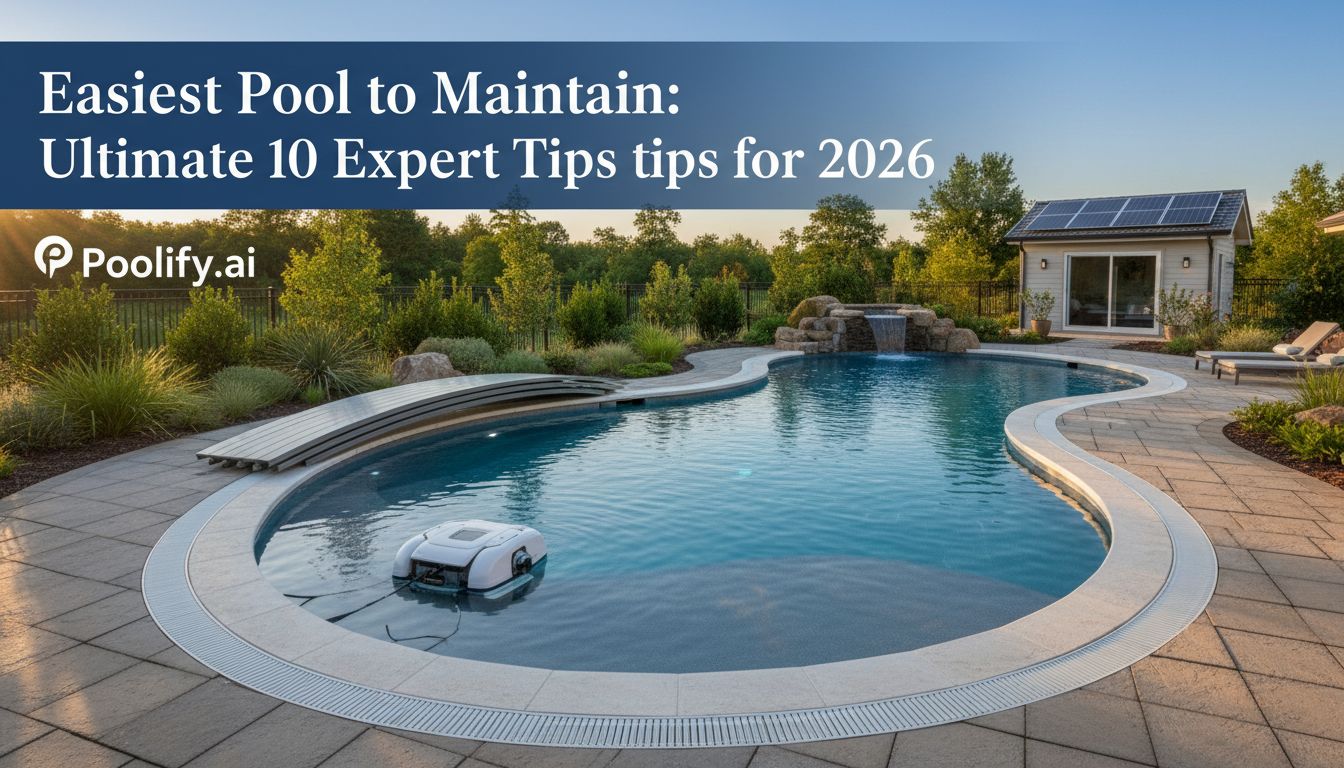
Understanding What is the Easiest Pool to Maintain
When homeowners dream of installing a backyard pool, they often envision endless summer fun without considering the ongoing maintenance commitment. The question “what is the easiest pool to maintain” has become increasingly important as busy families seek ways to enjoy pool ownership without dedicating hours each week to upkeep. In 2026, pool technology and materials have evolved significantly, offering solutions that dramatically reduce maintenance requirements while maintaining pristine water quality.
The easiest pool to maintain combines three critical factors: the right pool material, an efficient filtration and sanitation system, and smart design choices that minimize debris accumulation. Fiberglass pools consistently rank as the lowest-maintenance option, requiring approximately 75% less effort than traditional concrete pools. However, the complete answer involves understanding how different components work together to create a truly low-maintenance aquatic environment.
This comprehensive guide explores the pool types, materials, equipment, and strategies that answer the fundamental question of what is the easiest pool to maintain. Whether you’re planning a new installation or seeking ways to reduce maintenance on your existing pool, these expert insights will help you make informed decisions that save time, money, and frustration throughout the swimming season.
Fiberglass Pools: The Gold Standard for Low Maintenance
Fiberglass pools have emerged as the definitive answer to what is the easiest pool to maintain, and for compelling reasons. These one-piece structures arrive at your property fully molded and are installed within days, featuring a smooth, non-porous gel coat surface that resists algae growth naturally. Unlike concrete pools with rough, porous surfaces where algae can embed itself, fiberglass creates an inhospitable environment for microorganisms.
The smooth surface of fiberglass pools requires significantly fewer chemicals to maintain proper water balance. Pool owners typically use 50-75% less chlorine compared to concrete alternatives, translating to substantial cost savings over the pool’s lifetime. The non-porous nature also means fewer places for bacteria and contaminants to hide, making sanitization more effective with less effort.
Fiberglass pools rarely need resurfacing, unlike concrete pools that require acid washing every few years and complete resurfacing every 10-15 years. The gel coat finish on quality fiberglass pools can last 25-30 years with minimal maintenance, answering what is the easiest pool to maintain from a long-term perspective. This durability eliminates one of the most expensive and disruptive maintenance tasks pool owners face.
The flexibility of fiberglass also prevents the structural cracking common in concrete pools, which can lead to costly repairs and ongoing maintenance headaches. According to the CDC’s residential pool guidelines, proper structural integrity is essential for maintaining safe swimming conditions, making fiberglass an excellent choice for worry-free ownership.
Saltwater Systems vs. Traditional Chlorine: Maintenance Comparison
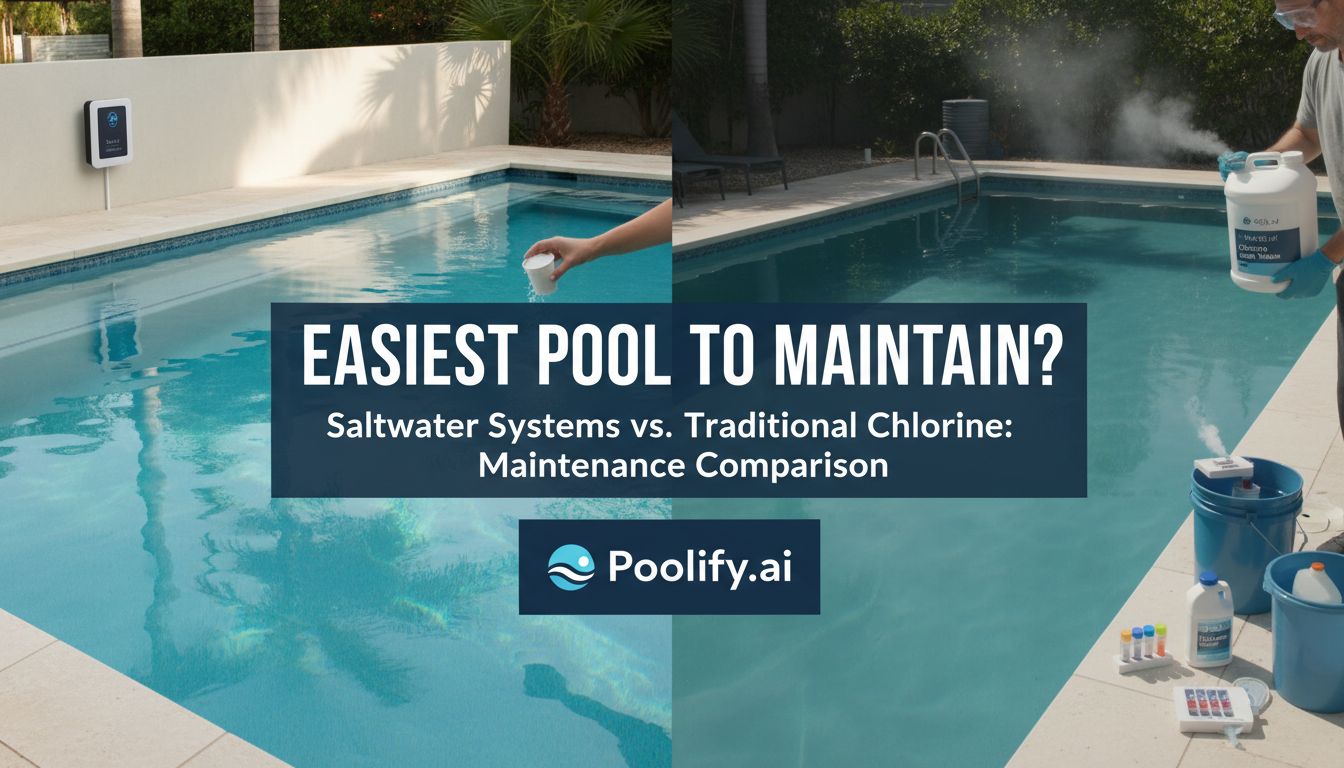
When determining what is the easiest pool to maintain, the sanitization system plays a crucial role in your daily and weekly maintenance routine. Saltwater chlorine generators have revolutionized pool care by automating chlorine production, eliminating the need to handle, store, and manually add harsh chemicals. These systems convert ordinary salt into chlorine through electrolysis, maintaining consistent sanitization levels without constant monitoring.
Saltwater pools require approximately 80% less hands-on maintenance compared to traditional chlorine pools. Instead of testing and adjusting chlorine levels multiple times weekly, saltwater pool owners typically check their systems once every week or two. The automated chlorine production ensures consistent sanitization, reducing the likelihood of algae blooms that require intensive shock treatments and manual cleaning.
The gentler chlorine produced by saltwater systems also reduces eye and skin irritation, creating a more pleasant swimming experience. The water feels softer and doesn’t have the harsh chemical smell associated with traditional chlorine pools. This improved water quality means less time dealing with pH fluctuations and chemical imbalances that complicate maintenance routines.
However, saltwater systems do require some specific maintenance considerations. The salt cell needs periodic cleaning to remove calcium buildup, typically every 3-6 months depending on water hardness. The initial equipment cost is higher than traditional chlorine systems, but the reduced ongoing chemical costs and maintenance time make saltwater an excellent answer to what is the easiest pool to maintain over the long term.
Automated Chemical Management Systems
Modern automated chemical management systems take the guesswork out of pool maintenance entirely. These sophisticated devices continuously monitor pH, chlorine levels, and other critical parameters, automatically dispensing chemicals as needed to maintain perfect water balance. For those seeking what is the easiest pool to maintain, these systems represent the pinnacle of convenience.
Smart pool monitors connect to smartphone apps, sending alerts when attention is needed and providing detailed water chemistry data. Some advanced systems can even order chemicals automatically when supplies run low, ensuring you never run out of essential maintenance products. This level of automation transforms pool ownership from a time-consuming chore into a truly hands-off experience.
Pool Size and Shape: Design Choices That Minimize Maintenance
Understanding what is the easiest pool to maintain requires considering how pool design impacts your maintenance workload. Smaller pools naturally require less time and fewer chemicals to maintain than larger installations. A 12×24 foot pool uses approximately half the chemicals and filtration energy of a 20×40 foot pool, while still providing ample swimming space for most families.
Pool shape significantly affects maintenance difficulty. Simple rectangular or oval designs with minimal curves and features are easier to clean than elaborate freeform pools with multiple coves and beach entries. Complex shapes create dead zones where circulation is poor, allowing debris to accumulate and algae to develop. These problem areas require extra attention with manual brushing and vacuuming.
Depth consistency also matters when determining what is the easiest pool to maintain. Pools with uniform depth or simple transitions require less effort to clean than those with multiple depth changes, benches, and built-in features. Each additional element creates surfaces that need regular brushing and monitoring for algae growth.
The pool’s location relative to trees, landscaping, and prevailing winds dramatically impacts maintenance requirements. Positioning your pool away from deciduous trees prevents constant leaf debris, while strategic fencing or landscaping can block wind-blown dirt and pollen. These design considerations can reduce cleaning frequency by 50% or more, making location a critical factor in what is the easiest pool to maintain.
Vinyl Liner Pools: A Middle-Ground Maintenance Option
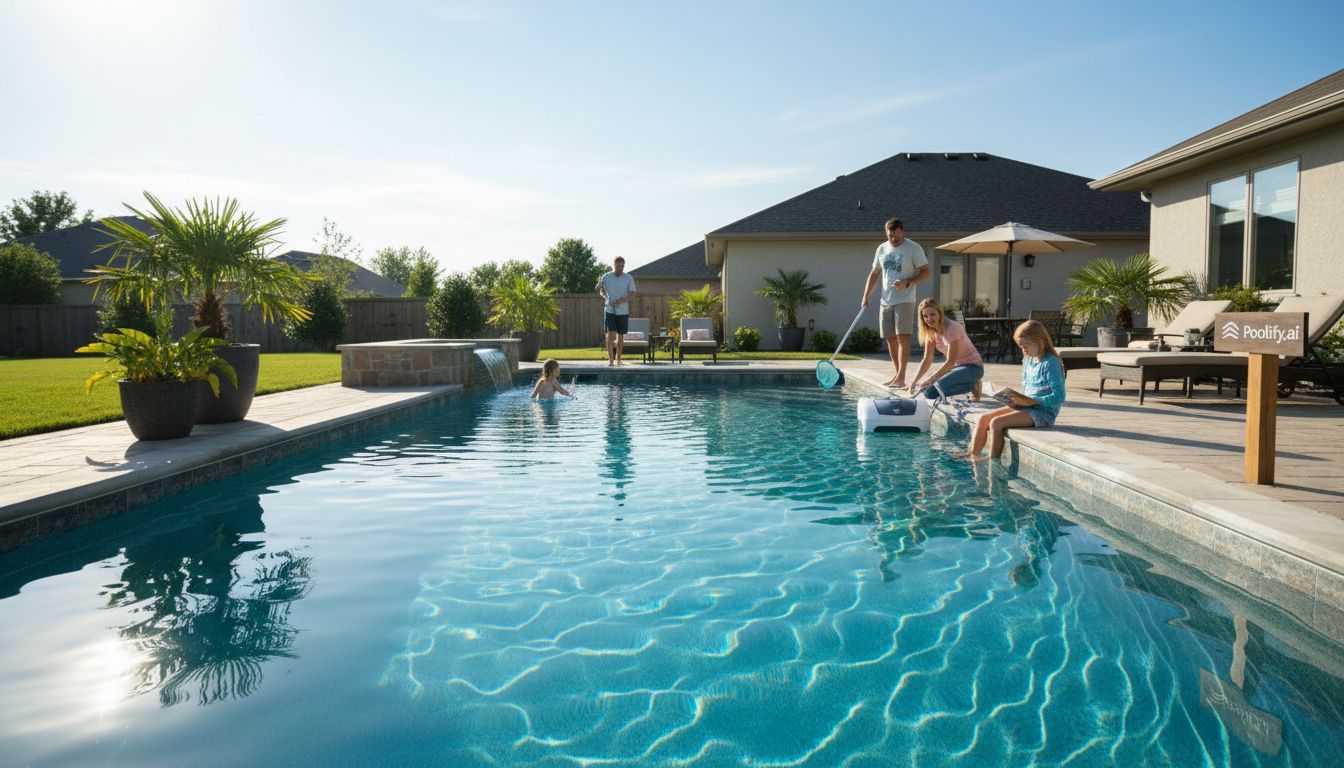
Vinyl liner pools occupy the middle ground when considering what is the easiest pool to maintain. These pools feature a custom-fitted vinyl membrane that creates a smooth, non-porous surface similar to fiberglass. The smooth surface resists algae growth better than concrete, though not quite as effectively as fiberglass gel coat finishes.
Vinyl pools require moderate chemical usage, falling between high-maintenance concrete and low-maintenance fiberglass options. The smooth surface makes brushing and vacuuming easier, and most debris can be removed with minimal effort. However, vinyl liners are more susceptible to tears, punctures, and UV damage, requiring replacement every 7-10 years on average.
The seams in vinyl liners can become areas where algae establishes itself, requiring extra attention during weekly maintenance. Pool owners must also be careful not to use overly aggressive cleaning tools that might damage the liner. Despite these considerations, vinyl pools remain a popular choice for those seeking a balance between initial cost and ongoing maintenance requirements.
Modern vinyl liners feature improved UV resistance and antimicrobial coatings that extend their lifespan and reduce maintenance needs. Thicker gauge liners (28-30 mil) provide better durability and resist punctures more effectively than standard options. When properly maintained, vinyl liner pools offer a reasonable answer to what is the easiest pool to maintain for budget-conscious homeowners.
Advanced Filtration Systems That Reduce Manual Cleaning
The filtration system is central to answering what is the easiest pool to maintain, as it determines how effectively your pool removes contaminants without manual intervention. Cartridge filters have become increasingly popular for low-maintenance applications, offering excellent filtration without the backwashing requirements of sand filters or the high maintenance of DE filters.
Variable-speed pumps represent one of the most significant maintenance-reducing innovations in modern pool equipment. These energy-efficient systems can run at lower speeds for longer periods, providing continuous circulation that prevents debris from settling and algae from establishing. The improved circulation means less manual vacuuming and brushing, directly addressing what is the easiest pool to maintain.
Robotic pool cleaners have revolutionized pool maintenance by automating the most time-consuming cleaning tasks. These intelligent devices scrub pool surfaces, vacuum debris, and even climb walls independently, requiring only occasional emptying of their filter canisters. Quality robotic cleaners can reduce manual cleaning time by 90% or more, making them an essential component for those seeking what is the easiest pool to maintain.
Proper filtration sizing is crucial for low-maintenance operation. Oversized filters run more efficiently and require less frequent cleaning than undersized units struggling to keep up with debris load. As a general rule, your filter should be capable of turning over the entire pool volume at least twice daily, ensuring optimal water clarity with minimal manual intervention.
UV and Ozone Supplementary Sanitization
UV and ozone systems provide supplementary sanitization that reduces chemical usage and maintenance requirements. UV systems destroy bacteria, viruses, and algae as water passes through the unit, while ozone generators produce a powerful oxidizer that breaks down contaminants. Both technologies work alongside your primary sanitization system to maintain cleaner water with less effort.
These supplementary systems can reduce chlorine requirements by 50-80%, minimizing the time spent testing and adjusting chemical levels. The reduced chemical load also means less pH fluctuation and fewer water balance issues, directly contributing to what is the easiest pool to maintain. While these systems add upfront cost, the long-term maintenance savings make them worthwhile investments for serious low-maintenance seekers.
Concrete Pools: Why They Require More Maintenance
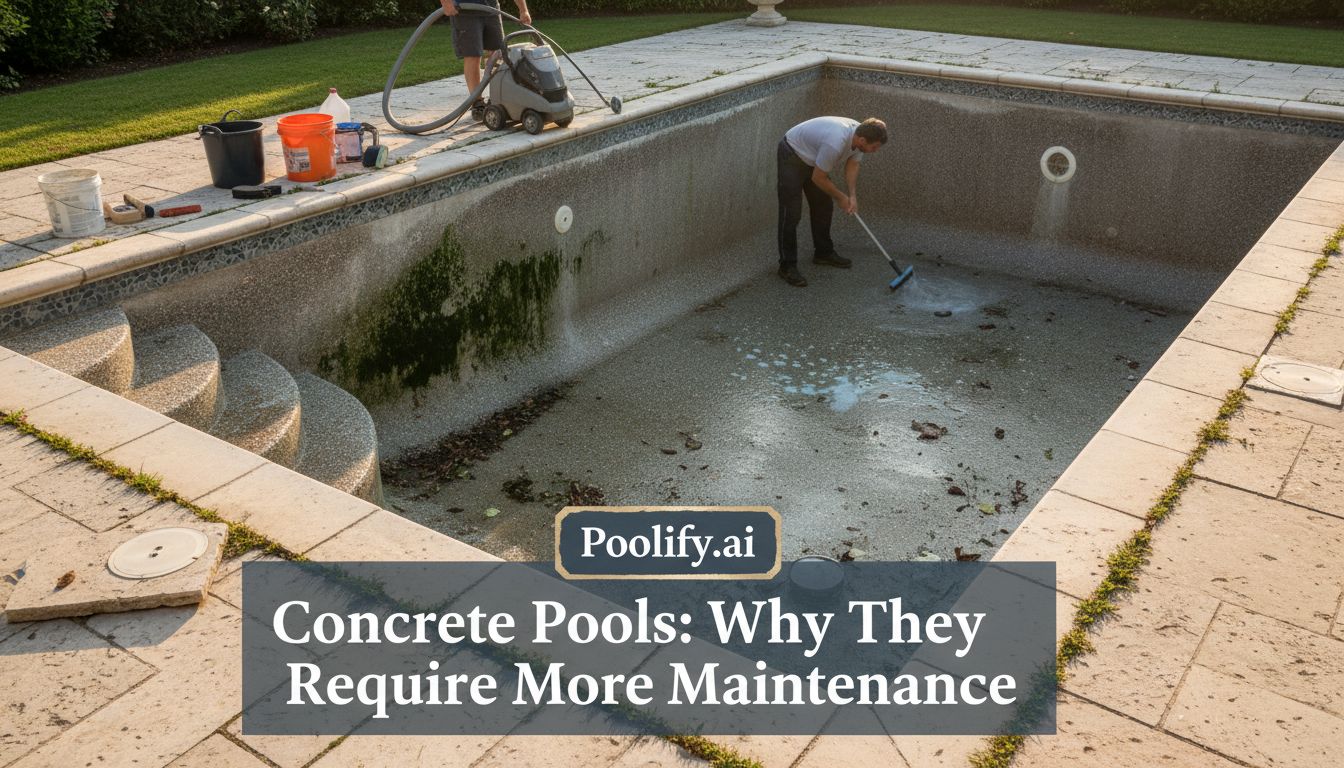
Understanding what is the easiest pool to maintain requires recognizing which options demand the most effort. Concrete pools, while offering unlimited design flexibility and aesthetic appeal, consistently rank as the highest-maintenance pool type. The porous surface of concrete provides countless microscopic crevices where algae spores can embed and flourish, requiring aggressive and frequent chemical treatment.
Concrete pools require weekly brushing of all surfaces to prevent algae establishment, a task that can take 30-60 minutes depending on pool size. The rough texture also traps debris more effectively than smooth surfaces, necessitating more thorough vacuuming. Chemical consumption in concrete pools typically runs 50-100% higher than fiberglass alternatives, significantly increasing ongoing maintenance costs.
The alkaline nature of concrete continuously affects water chemistry, requiring constant pH adjustment to prevent scaling and maintain swimmer comfort. This pH drift means more frequent testing and chemical additions compared to inert surfaces like fiberglass or vinyl. According to EPA water quality standards, maintaining proper pH is essential for both equipment longevity and swimmer safety.
Concrete pools require acid washing every 3-5 years to remove embedded stains and algae, and complete resurfacing every 10-15 years at substantial cost. These periodic maintenance requirements add thousands of dollars to the lifetime cost of ownership. While concrete pools excel in customization and durability, they represent the opposite end of the spectrum when considering what is the easiest pool to maintain.
Pool Covers: The Single Most Effective Maintenance Reducer
When researching what is the easiest pool to maintain, pool covers consistently emerge as the single most impactful maintenance-reducing accessory. A quality pool cover prevents debris accumulation, reduces chemical evaporation, maintains water temperature, and inhibits algae growth by blocking sunlight. These combined benefits can reduce overall maintenance time by 60-70%.
Automatic pool covers offer the ultimate convenience, deploying and retracting at the push of a button. The ease of use ensures covers actually get used consistently, maximizing their maintenance-reducing benefits. Manual covers require more effort but still provide substantial benefits when used regularly, particularly during off-season months or extended periods of non-use.
Safety covers designed for winter pool closure create an impermeable barrier that prevents debris accumulation and dramatically simplifies spring opening procedures. Pools properly covered during winter require minimal cleaning and chemical adjustment when reopening, compared to uncovered pools that may need extensive shock treatment and cleaning to restore water quality.
Solar covers provide a cost-effective middle-ground option, reducing evaporation and heating costs while preventing some debris accumulation. While less effective than solid safety covers, solar covers still contribute significantly to answering what is the easiest pool to maintain by reducing chemical loss and extending the effectiveness of your sanitization system.
Landscaping and Environmental Factors
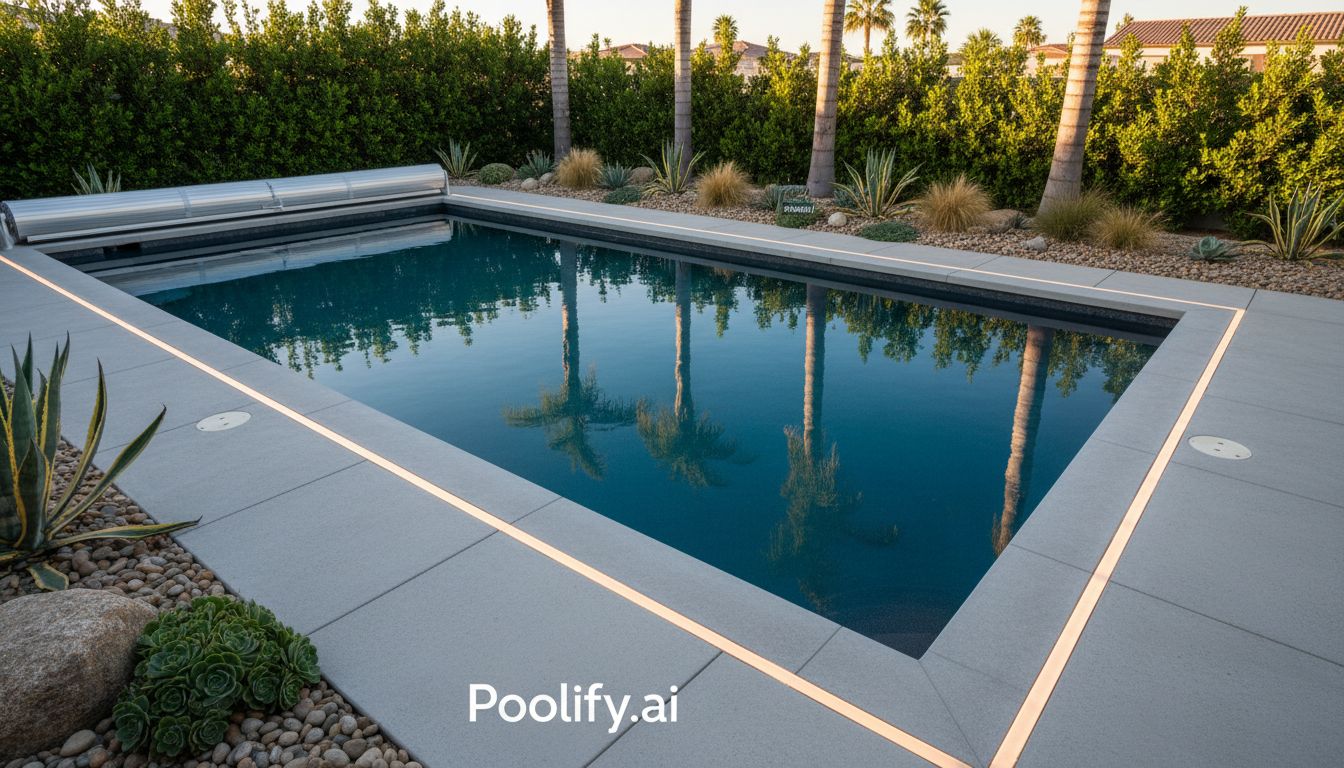
The environment surrounding your pool plays a crucial role in determining what is the easiest pool to maintain. Strategic landscaping choices can dramatically reduce the debris that enters your pool, minimizing cleaning frequency and chemical consumption. Positioning pools away from deciduous trees prevents the constant leaf drop that plagues many pool owners during autumn months.
Creating a barrier zone of hardscaping or low-maintenance groundcover around your pool perimeter prevents grass clippings, soil, and mulch from washing into the water. A 3-5 foot border of concrete, pavers, or stone creates a buffer that catches most ground-level debris before it reaches the pool. This simple design choice can reduce vacuuming frequency by 40-50%.
Wind patterns significantly affect debris accumulation, with prevailing winds carrying pollen, dust, and organic matter into your pool. Strategic placement of fencing, privacy screens, or dense evergreen hedges can deflect wind and create a protected microclimate around your pool. These windbreaks reduce surface debris accumulation and make pool covers more effective when deployed.
Proper drainage around your pool prevents runoff from carrying contaminants into the water during rainstorms. Grading the surrounding area to direct water away from the pool, combined with adequate drainage systems, keeps dirt, fertilizers, and other pollutants from entering your carefully balanced pool chemistry. These environmental considerations are essential components of what is the easiest pool to maintain.
Smart Technology and Automation in 2026
The answer to what is the easiest pool to maintain has evolved dramatically with smart technology integration becoming standard in 2026. Comprehensive pool automation systems control filtration, heating, lighting, and chemical management from smartphone apps, allowing remote monitoring and adjustment from anywhere. These systems learn your pool’s patterns and optimize operation automatically over time.
AI-powered water quality monitoring systems analyze multiple parameters simultaneously, predicting potential problems before they develop into maintenance emergencies. These predictive systems alert owners to developing algae blooms, equipment malfunctions, or chemical imbalances early enough to address them with minimal intervention. This proactive approach prevents the intensive cleaning sessions that result from neglected maintenance.
Voice-activated pool controls through smart home integration allow hands-free operation of pool equipment. Simple voice commands can activate cleaning cycles, adjust temperatures, or turn on water features without interrupting your activities. This seamless integration makes pool management effortless, embodying the ideal of what is the easiest pool to maintain.
Remote diagnostic capabilities allow pool service professionals to troubleshoot equipment issues without on-site visits, reducing service costs and downtime. When problems do require professional attention, technicians arrive with detailed diagnostic data, enabling faster and more accurate repairs. This technological support system transforms pool ownership into a truly low-maintenance experience.
Maintenance Routines for Different Pool Types
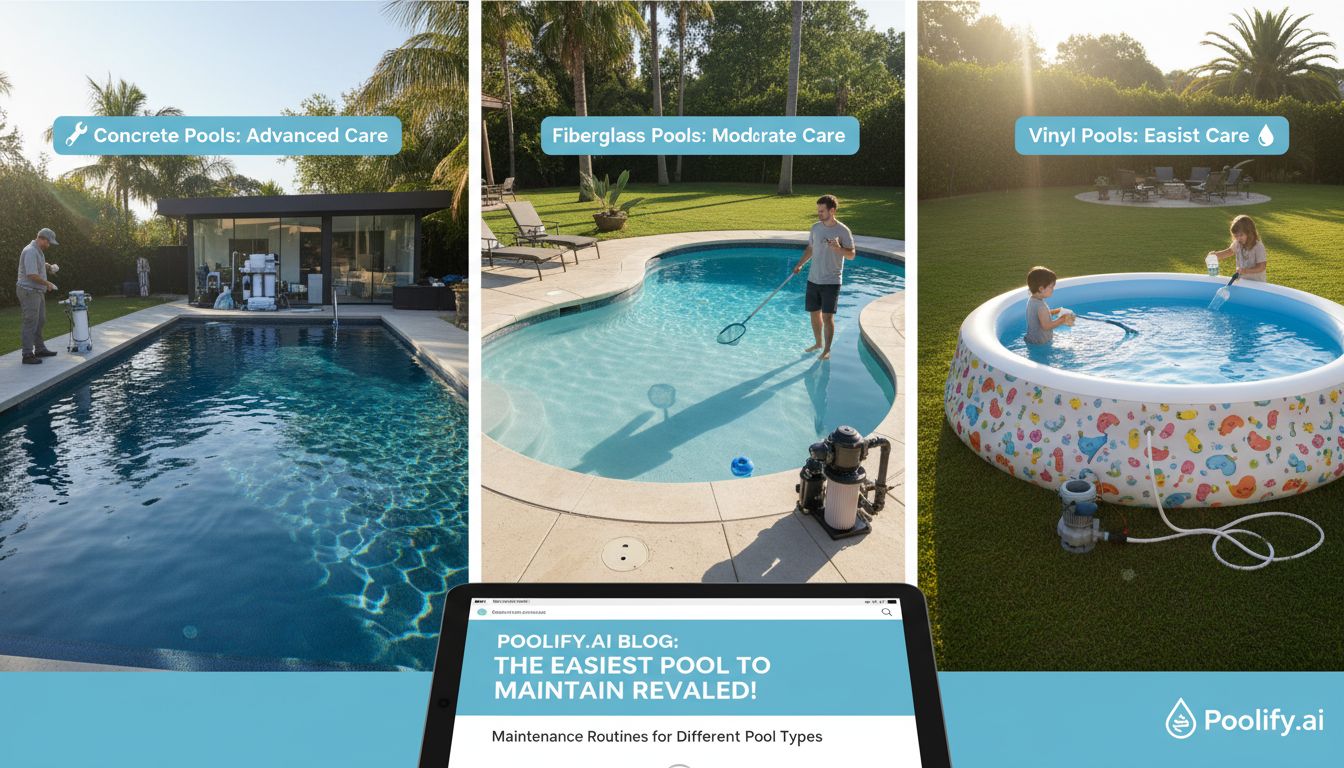
Understanding what is the easiest pool to maintain requires comparing actual maintenance routines across different pool types. Fiberglass pools typically require 15-20 minutes of weekly maintenance, consisting primarily of skimming surface debris, emptying skimmer baskets, and quick water testing. The smooth surface rarely requires brushing except in areas with poor circulation.
Vinyl liner pools demand 30-45 minutes of weekly attention, including thorough skimming, basket cleaning, water testing, and gentle brushing of surfaces where algae might establish. Owners must inspect the liner periodically for tears or separation at seams, addressing any issues promptly to prevent water loss and structural damage.
Concrete pools require 60-90 minutes of weekly maintenance, including comprehensive brushing of all surfaces, thorough vacuuming, extensive water testing, and frequent chemical adjustments. The porous surface demands vigilant attention to prevent algae establishment, and any lapse in maintenance can result in problems requiring hours of corrective effort.
Saltwater systems reduce routine maintenance across all pool types by automating sanitization. A saltwater fiberglass pool represents the ultimate low-maintenance combination, requiring as little as 10-15 minutes of weekly attention primarily focused on skimming and occasional water testing. For detailed guidance on maintaining any pool type, explore our comprehensive pool maintenance strategies.
Cost Considerations: Initial Investment vs. Long-Term Maintenance
When evaluating what is the easiest pool to maintain, understanding the financial implications helps make informed decisions. Fiberglass pools typically cost 10-20% more initially than vinyl liner pools but save thousands in reduced chemical costs and eliminated resurfacing expenses over their lifetime. The higher upfront investment pays dividends through dramatically reduced maintenance time and costs.
Concrete pools often have the highest initial cost and the highest ongoing maintenance expenses. Annual chemical costs for concrete pools typically run $800-1,200, compared to $400-600 for fiberglass pools of similar size. When factoring in periodic acid washing ($400-600) and eventual resurfacing ($5,000-15,000), the lifetime cost difference becomes substantial.
Automation equipment represents significant upfront investment but provides immediate maintenance reduction benefits. A quality robotic cleaner costs $800-2,000 but eliminates hours of manual cleaning weekly. Automated chemical management systems cost $1,500-3,000 but reduce chemical waste and prevent costly water chemistry problems. These investments quickly justify themselves for those prioritizing what is the easiest pool to maintain.
Professional maintenance services cost $100-200 monthly but provide peace of mind and ensure proper pool care. For busy families or those uncomfortable managing pool chemistry, professional service may be worthwhile despite the ongoing expense. However, with proper equipment and automation, most pool owners can maintain their pools independently with minimal time investment.
Common Maintenance Mistakes to Avoid
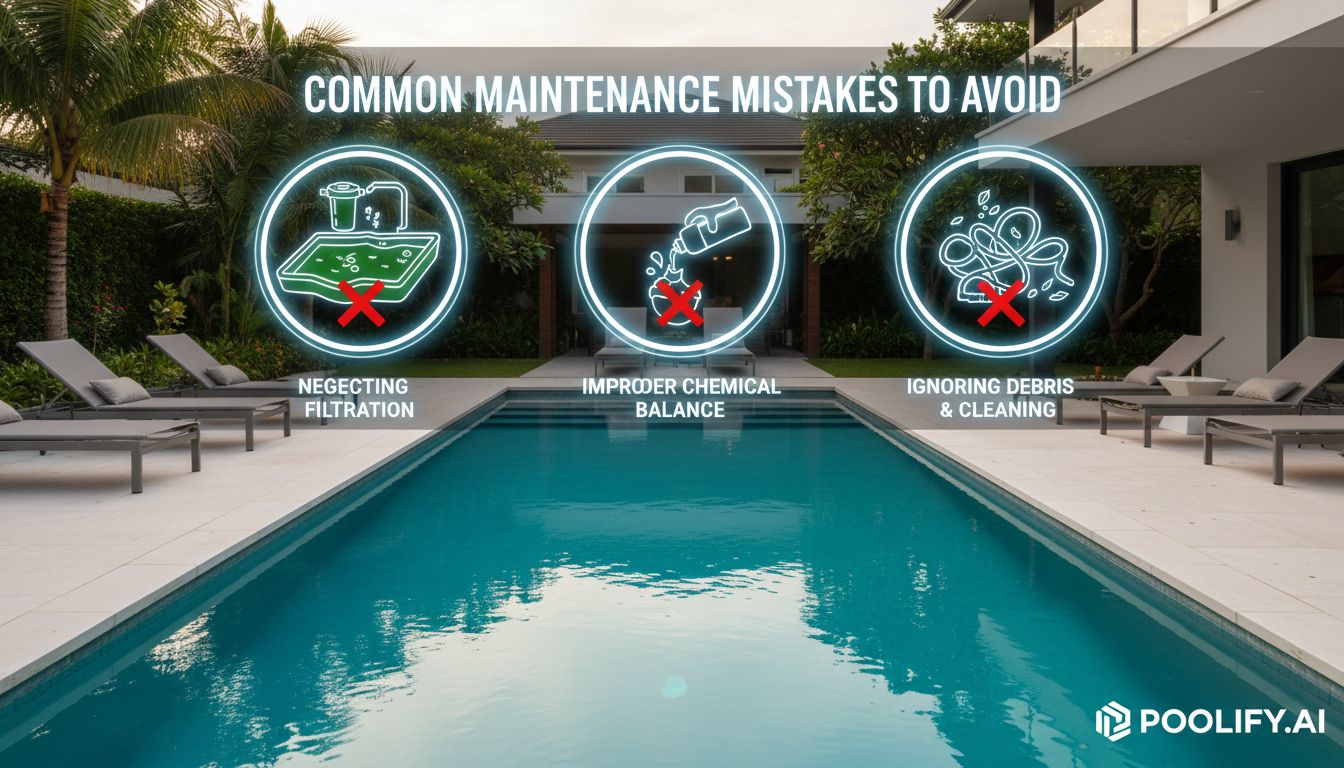
Even when choosing what is the easiest pool to maintain, certain mistakes can dramatically increase your maintenance burden. Inconsistent maintenance routines allow small problems to develop into major issues requiring intensive corrective action. Skipping weekly testing and maintenance for even two weeks can result in algae blooms that take days to remediate.
Undersized or inadequate filtration systems force pool owners to compensate with excessive chemical usage and manual cleaning. Investing in properly sized equipment from the beginning prevents ongoing frustration and ensures your pool operates as the low-maintenance system it should be. Running pumps for insufficient duration also creates circulation problems that encourage algae growth.
Neglecting equipment maintenance leads to premature failures and reduced efficiency. Cartridge filters need cleaning every 4-6 weeks, pump baskets require weekly emptying, and salt cells need periodic inspection and cleaning. These simple tasks prevent expensive equipment replacements and maintain optimal system performance.
Over-reliance on shock treatments instead of maintaining consistent sanitization levels creates a reactive maintenance cycle that’s both time-consuming and expensive. Proper daily sanitization prevents problems that require shock treatment, making consistent low-level maintenance far more effective than periodic intensive interventions. For more insights on avoiding common pitfalls, check our expert pool cleaning recommendations.
Frequently Asked Questions
What is the easiest pool to maintain for beginners?
Fiberglass pools with saltwater chlorine generators represent the easiest option for first-time pool owners. The smooth, non-porous surface resists algae naturally, while automated sanitization eliminates complex chemical management. Adding a robotic cleaner and automatic cover creates a nearly maintenance-free system requiring only 10-15 minutes of weekly attention for skimming and basic monitoring.
How much time does maintaining the easiest pool require weekly?
A properly equipped low-maintenance pool requires 15-20 minutes of weekly attention for basic tasks like skimming, emptying baskets, and testing water. With full automation including robotic cleaning and chemical management systems, this can reduce to 10 minutes or less. Monthly tasks like filter cleaning add another 30-45 minutes, bringing total monthly maintenance to approximately 90-120 minutes.
Can an above-ground pool be easier to maintain than in-ground options?
Above-ground pools can be easier to maintain due to their smaller size and reduced chemical requirements, but material choice matters more than installation type. A small above-ground pool with proper filtration and automation can require less maintenance than a large in-ground concrete pool. However, an in-ground fiberglass pool with automation typically requires less effort than a comparable above-ground pool due to superior equipment and construction quality.
What pool features should I avoid if I want minimal maintenance?
Avoid complex shapes with multiple coves and dead zones, waterfalls and rock features that trap debris, beach entries that accumulate sediment, and attached spas that double chemical management requirements. Stick with simple rectangular or oval designs, standard depth configurations, and minimal built-in features. Every additional element creates surfaces requiring cleaning and monitoring.
Is professional pool service worth it for low-maintenance pools?
Professional service provides value for those lacking time or confidence in pool chemistry management, but properly automated low-maintenance pools rarely require professional attention. Many owners of fiberglass saltwater pools with automation successfully maintain their pools independently. Consider professional service for opening and closing procedures, equipment troubleshooting, or if you’re frequently away from home for extended periods.
Key Takeaways
- Fiberglass pools with saltwater systems represent the gold standard for low-maintenance pool ownership, requiring 75% less effort than concrete alternatives while providing superior water quality and durability.
- Automation dramatically reduces maintenance burden through robotic cleaners, automated chemical management, and smart monitoring systems that handle routine tasks and prevent problems before they develop.
- Pool covers are the single most effective maintenance reducer, preventing debris accumulation, reducing chemical evaporation, and inhibiting algae growth while cutting overall maintenance time by 60-70%.
- Design choices significantly impact long-term maintenance requirements, with simple shapes, appropriate sizing, and strategic positioning relative to landscaping reducing cleaning frequency by half or more.
- Initial investment in quality equipment and materials pays substantial dividends through reduced chemical costs, eliminated resurfacing expenses, and dramatically decreased time spent on routine maintenance tasks.
Conclusion
The question of what is the easiest pool to maintain has a clear answer in 2026: fiberglass pools equipped with saltwater chlorine generators, automated cleaning systems, and smart monitoring technology. This combination delivers the lowest maintenance burden while maintaining pristine water quality and providing decades of reliable service. The smooth, non-porous surface naturally resists algae, automated sanitization eliminates manual chemical management, and robotic cleaners handle the physical cleaning tasks that once consumed hours weekly.
However, the complete answer to what is the easiest pool to maintain extends beyond just choosing the right pool type. Strategic design decisions, proper equipment sizing, effective use of pool covers, and thoughtful landscaping all contribute to creating a truly low-maintenance aquatic environment. Even concrete or vinyl pools can be made significantly easier to maintain through automation and smart design choices.
The investment in low-maintenance pool features and equipment pays dividends immediately through reduced time commitment and continues delivering value throughout the pool’s lifetime through lower chemical costs and eliminated major maintenance expenses. For families seeking the enjoyment of pool ownership without the traditional maintenance burden, modern technology and materials have made that dream achievable.
Whether you’re planning a new pool installation or seeking to reduce maintenance on your existing pool, focusing on the key factors outlined in this guide will transform your pool ownership experience. The easiest pool to maintain is one that works with your lifestyle rather than dominating it, providing refreshing enjoyment without demanding constant attention. With the right choices, you can spend your time swimming and relaxing rather than cleaning and testing.
References
- Centers for Disease Control and Prevention – Residential Pool Guidelines: https://www.cdc.gov/healthywater/swimming/residential/index.html
- Environmental Protection Agency – Water Quality Standards: https://www.epa.gov/ground-water-and-drinking-water/basic-information-about-lead-drinking-water