
Understanding Pool Permits: Your 2026 Complete Guide
When planning to install a swimming pool, one of the most critical questions homeowners ask is “what permits do i need for a pool?” The answer can significantly impact your project timeline, budget, and legal compliance. In 2026, permit requirements have become more standardized across many jurisdictions, yet local variations still exist that require careful attention. This comprehensive guide walks you through every permit you’ll need, the application process, inspection requirements, and how to avoid costly mistakes that could delay your pool installation.
Understanding what permits do i need for a pool isn’t just about legal compliance—it’s about protecting your investment, ensuring safety standards are met, and avoiding potential fines or forced pool removal. The permitting process typically involves building permits, electrical permits, plumbing permits, and sometimes additional zoning approvals. Each serves a specific purpose in ensuring your pool meets safety codes and doesn’t negatively impact your property or neighborhood.
The Primary Building Permit for Pool Construction
The foundation of answering what permits do i need for a pool starts with the primary building permit. This permit covers the structural aspects of your pool installation and is required in virtually every municipality across the United States. Your local building department reviews your pool plans to ensure they comply with structural codes, setback requirements, and safety regulations established by the International Building Code and local amendments.
To obtain a building permit for your pool, you’ll need to submit detailed construction plans prepared by a licensed professional. These plans must include pool dimensions, depth specifications, equipment locations, drainage systems, and barrier requirements. The Consumer Product Safety Commission’s Pool Safely campaign provides essential guidelines that many jurisdictions incorporate into their permit requirements, particularly regarding barrier and drain safety standards.
The building permit application typically costs between $200 and $1,500 depending on your location and pool size. Processing times in 2026 average 2-4 weeks, though complex projects or busy seasons may extend this timeline. Your contractor should be familiar with local requirements, but as the homeowner, you remain ultimately responsible for ensuring proper permitting.
Documentation Required for Building Permits
When applying for your building permit, expect to provide a complete site plan showing property boundaries, existing structures, proposed pool location, setback distances from property lines, and utility locations. You’ll also need engineered construction drawings, equipment specifications, and proof of property ownership. Many jurisdictions now accept digital submissions through online portals, streamlining the process considerably compared to previous years.
Electrical Permits for Pool Equipment and Lighting
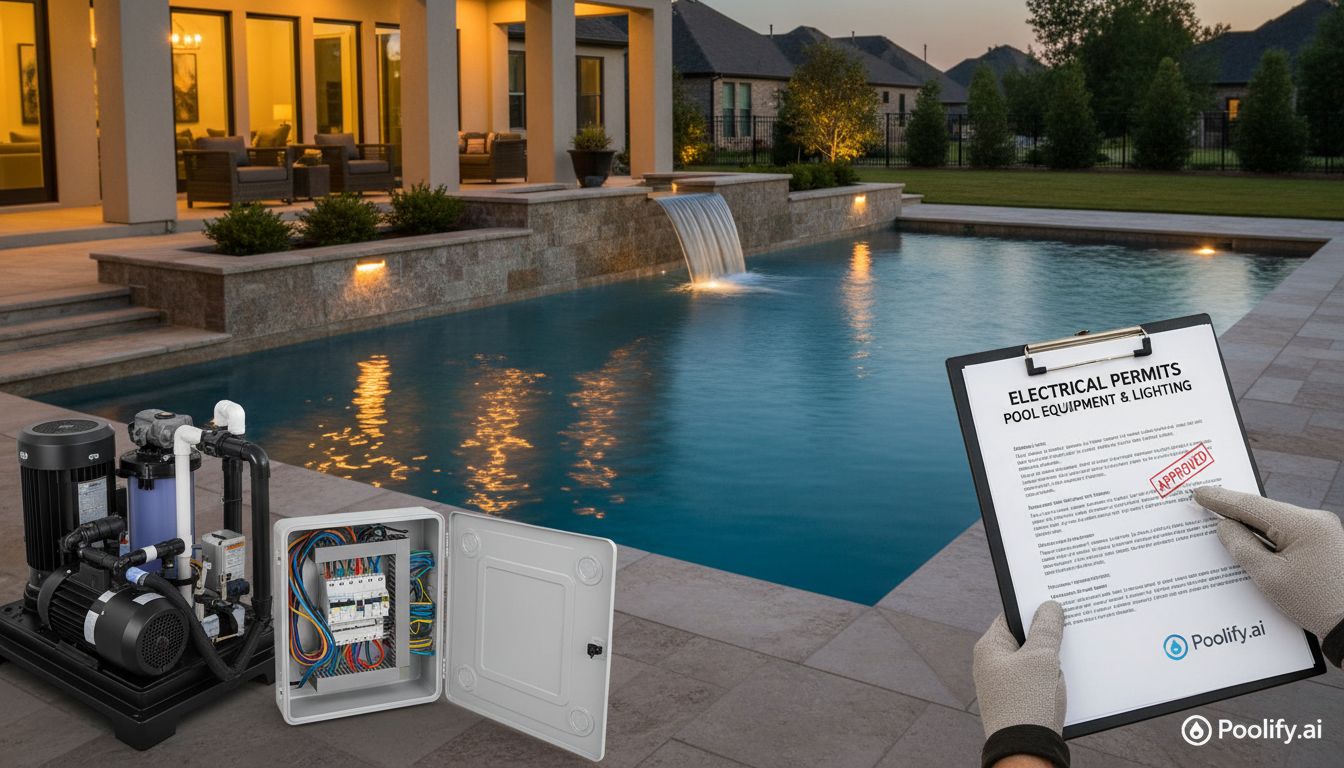
Electrical work represents a significant component when determining what permits do i need for a pool. Pool installations require substantial electrical infrastructure including pumps, heaters, lighting systems, and automated controls. A separate electrical permit ensures all wiring, bonding, and grounding meets National Electrical Code standards, which are critical for preventing electrocution hazards around water.
Your electrical permit application must detail the electrical service capacity, circuit specifications, GFCI protection, bonding of all metal components, and lighting plans. In 2026, most jurisdictions require licensed electricians to perform pool electrical work and sign off on permit applications. The electrician must demonstrate that all metallic pool components are properly bonded and that ground-fault circuit interrupters protect all electrical circuits within 20 feet of the pool.
Electrical permits typically cost $100 to $500 and require inspection before the electrical system is energized. This inspection verifies proper wire sizing, correct GFCI installation, adequate bonding of pool structure and equipment, and compliance with clearance requirements for overhead power lines. Never skip this permit—improper electrical installation around pools can be fatal.
Bonding and Grounding Requirements
A critical aspect of electrical permitting involves bonding all metal components within five feet of the pool water. This includes the pool structure, equipment, metal fencing, and even reinforcing steel in concrete decking. Proper bonding creates an equipotential plane that prevents dangerous voltage gradients. Your electrical inspector will specifically verify these connections during the permit inspection process.
Plumbing Permits for Water Systems
Understanding what permits do i need for a pool must include plumbing permits for water supply and drainage systems. Pool plumbing involves circulation systems, filtration equipment, water features, automatic fill systems, and drainage connections. These systems must comply with local plumbing codes and cross-connection control regulations to prevent contamination of potable water supplies.
Your plumbing permit covers the installation of pool circulation piping, drain systems, backwash disposal, and any connections to municipal water or sewer systems. Many jurisdictions require backflow prevention devices on automatic fill lines to protect drinking water supplies from pool water contamination. The permit ensures proper pipe sizing, adequate drainage, and compliance with water conservation requirements increasingly common in 2026.
Plumbing permits generally cost $150 to $400 and require inspection of underground plumbing before backfilling and final inspection of all connections and equipment. Your plumber must demonstrate proper slope for drainage, correct installation of anti-vortex drain covers, and compliance with the Virginia Graeme Baker Pool and Spa Safety Act requirements for drain safety.
Zoning and Setback Approvals
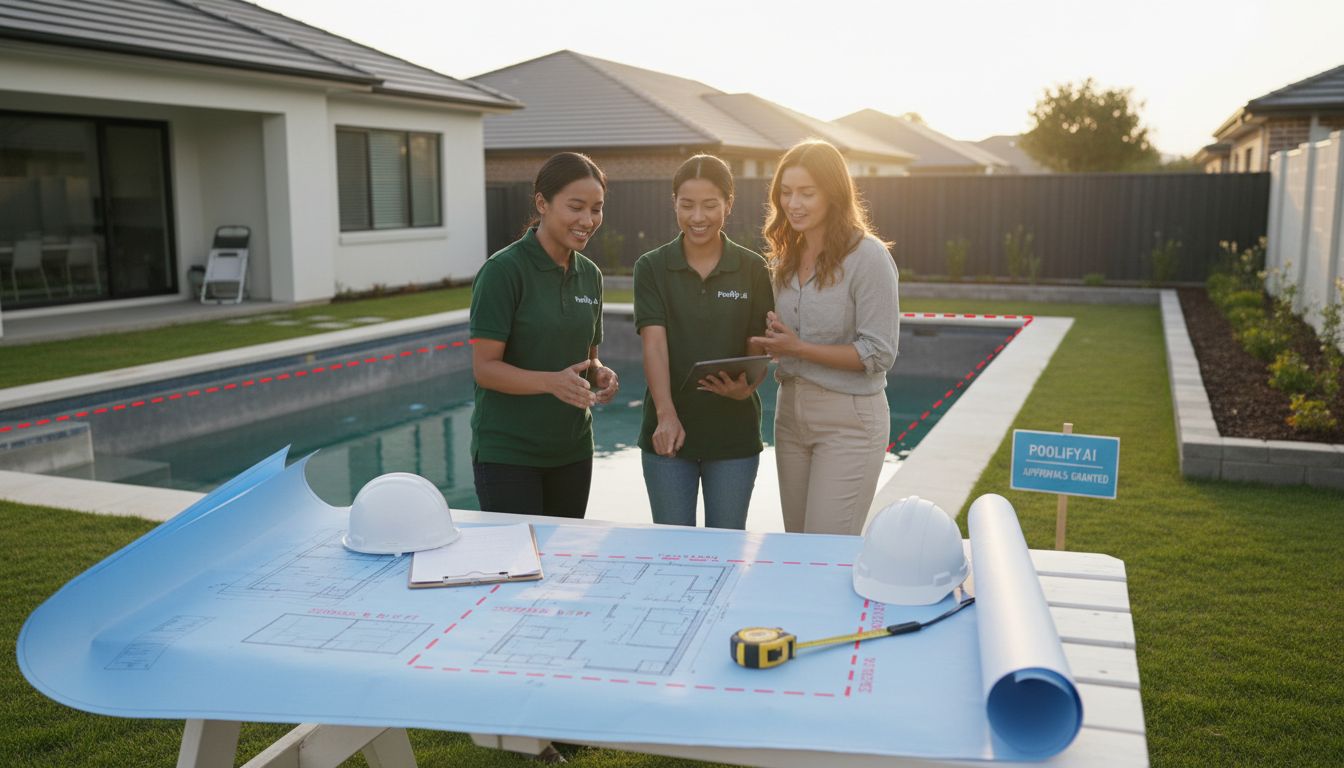
Beyond construction permits, what permits do i need for a pool often includes zoning approvals or variances. Zoning regulations dictate where on your property you can locate a pool, how close it can be to property lines, and whether it complies with lot coverage limitations. Most residential zones require pools to be located in rear yards with specific setback distances from property boundaries, typically 5 to 10 feet.
Before applying for building permits, verify your proposed pool location complies with local zoning ordinances. Some properties have additional restrictions from homeowners associations, historic district regulations, or deed restrictions that may be more stringent than municipal codes. If your desired pool location doesn’t meet setback requirements, you may need to apply for a zoning variance, which involves a separate application process and often a public hearing.
Zoning compliance verification is usually part of the building permit review process, but complex situations may require a separate zoning permit or variance. This process can add 4-8 weeks to your timeline and costs $300 to $1,000 depending on jurisdiction. Review your property survey and local zoning code early in the planning process to identify potential issues.
HOA Approval Requirements
If your property is governed by a homeowners association, you’ll need HOA approval before applying for municipal permits. HOA architectural review committees evaluate pool designs for aesthetic compatibility, size restrictions, and compliance with community standards. This approval process is separate from governmental permits but equally mandatory. Start your HOA application early as review periods can extend 30-60 days.
Fence and Barrier Permits
Safety barriers are a crucial consideration when determining what permits do i need for a pool. Most jurisdictions require pools to be enclosed by barriers at least 4 feet high with self-closing, self-latching gates. These requirements stem from CPSC safety barrier guidelines designed to prevent child drowning accidents.
Fence permits ensure your pool barrier meets height requirements, has appropriate gate hardware, features no climbable elements within three feet of the fence, and has gaps no larger than 4 inches. In 2026, many jurisdictions accept the house as one side of the required barrier if doors leading to the pool area have alarms or self-closing mechanisms with locks positioned 54 inches above the floor.
Fence permits typically cost $50 to $200 and may be included in your primary building permit or required separately. The inspection verifies proper installation, correct gate operation, and compliance with spacing requirements. Some areas allow alternative barriers such as pool safety covers or retractable fencing systems, but these must still meet equivalent safety standards.
Special Permits and Additional Requirements
Depending on your location and pool type, what permits do i need for a pool may extend beyond standard building, electrical, and plumbing permits. Properties in flood zones may require flood plain development permits demonstrating your pool won’t increase flood risk or violate elevation requirements. Coastal properties often need additional environmental permits protecting dune systems or water quality.
If your pool installation involves significant grading or excavation, you may need separate grading permits and erosion control plans. Projects disturbing more than one acre typically require stormwater management permits under EPA regulations. Properties with septic systems may need health department approval ensuring adequate separation between the pool and septic components.
Gas-heated pools require gas line permits for fuel supply installation, whether natural gas or propane. These permits ensure proper pipe sizing, correct pressure regulation, and safe equipment connections. Solar pool heating systems may require separate permits, though some jurisdictions have streamlined approval processes to encourage renewable energy adoption.
Environmental and Water Quality Permits
Properties near wetlands, waterways, or environmentally sensitive areas may require environmental permits before pool construction. These permits assess potential impacts on water quality, wildlife habitats, and natural resources. Coastal Barrier Resources System properties face additional restrictions that may prohibit certain development activities including pool installation.
The Permit Application Process: Step-by-Step
Successfully navigating what permits do i need for a pool requires understanding the application process. Start by contacting your local building department to obtain a permit application checklist specific to pool installations. Many municipalities now offer online permit portals where you can submit applications, upload documents, and track review progress in real-time.
Begin with a pre-application meeting or consultation with building officials. This informal review helps identify potential issues before formal submission, saving time and revision costs. Bring preliminary plans, property surveys, and questions about specific requirements. Building officials can clarify local interpretations of codes and suggest solutions for challenging site conditions.
Submit your complete permit application package including all required plans, calculations, product specifications, and fees. Incomplete applications delay the review process, so carefully verify you’ve included every requested item. Most jurisdictions conduct plan reviews within 10-15 business days, though complex projects may require additional review time.
Working with Licensed Contractors
Hiring licensed contractors simplifies the permit process significantly. Reputable pool builders handle permit applications as part of their services, leveraging their experience with local requirements and established relationships with building officials. Verify your contractor holds appropriate licenses and ask to review their permit history. Contractors with clean inspection records typically navigate the process more efficiently.
Inspection Requirements and Schedules
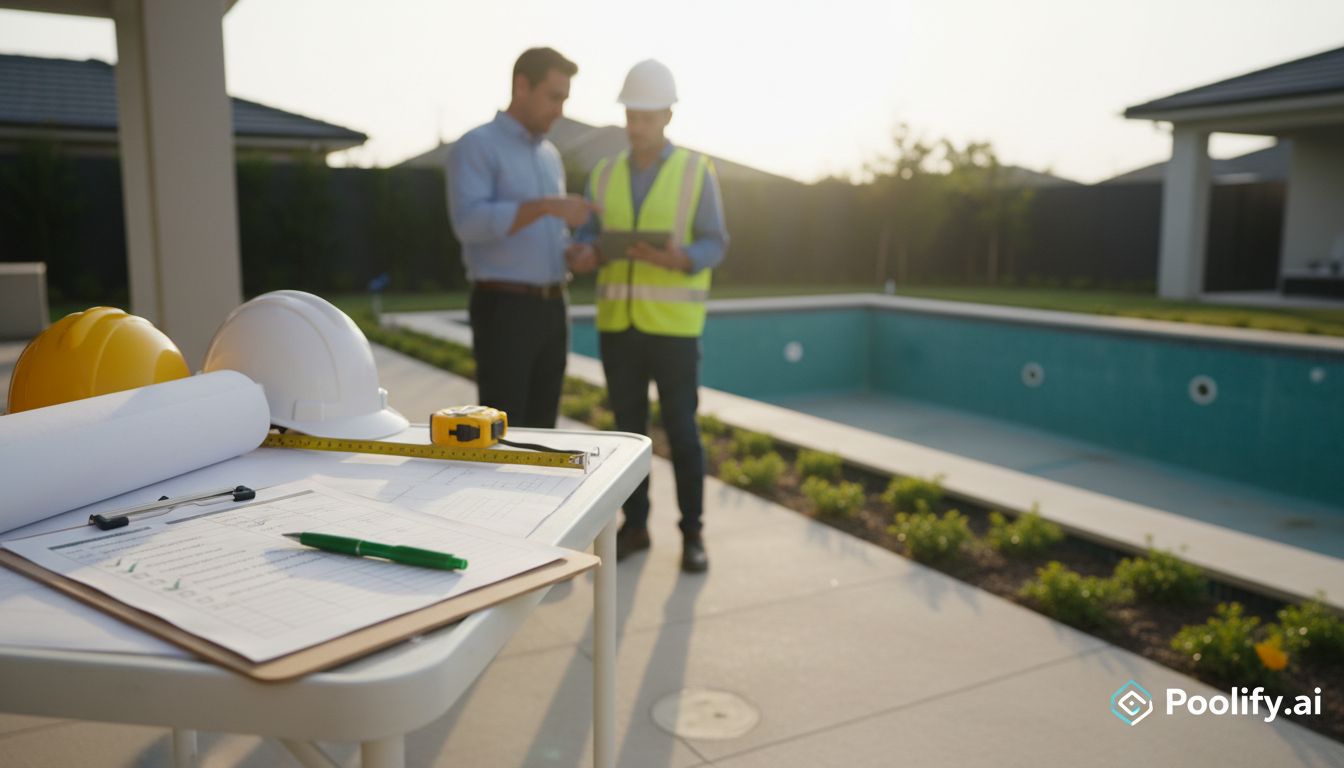
Understanding what permits do i need for a pool includes knowing the inspection schedule. Pool construction typically requires multiple inspections at critical stages: footing/steel inspection before concrete pour, plumbing rough-in inspection before backfilling, electrical rough-in inspection before covering, and final inspection before pool use. Each inspection must pass before proceeding to the next construction phase.
Schedule inspections 24-48 hours in advance through your building department’s inspection request system. Be present during inspections or ensure your contractor is available to answer questions. Inspectors verify compliance with approved plans and applicable codes, documenting any deficiencies requiring correction. Failed inspections require corrections and re-inspection before work continues.
The final inspection is comprehensive, covering all aspects of the completed pool including barriers, electrical systems, plumbing, equipment installation, and safety features. Inspectors verify proper signage, emergency equipment, and compliance with all permit conditions. Only after final inspection approval can you legally fill and use your pool. Operating a pool without final approval risks citations, fines, and insurance complications.
Common Permit Mistakes to Avoid
Many homeowners encounter problems when they don’t fully understand what permits do i need for a pool. The most common mistake is starting construction before obtaining permits, which can result in stop-work orders, fines up to $1,000 per day, and requirements to remove non-compliant work. Some jurisdictions impose double permit fees for after-the-fact permitting.
Another frequent error is assuming your contractor will handle all permitting automatically. While reputable contractors typically manage permits, you remain legally responsible as the property owner. Verify permits are obtained and posted at the job site. Request copies of all permits and inspection reports for your records.
Failing to verify HOA approval before applying for municipal permits wastes time and money. HOAs may require design changes that necessitate revised permit applications. Similarly, not checking for deed restrictions or easements can lead to pool locations that violate private agreements even if they meet municipal codes.
Overlooking Utility Locations
Never excavate without calling 811 for utility location services. Underground utilities including gas, electric, water, sewer, and telecommunications must be marked before digging. Damaging utilities causes dangerous situations, service interruptions, and expensive repairs. Most jurisdictions require proof of utility location before issuing excavation permits. For more guidance on pool installation planning, check out our comprehensive pool installation guide.
Costs and Timeline Expectations
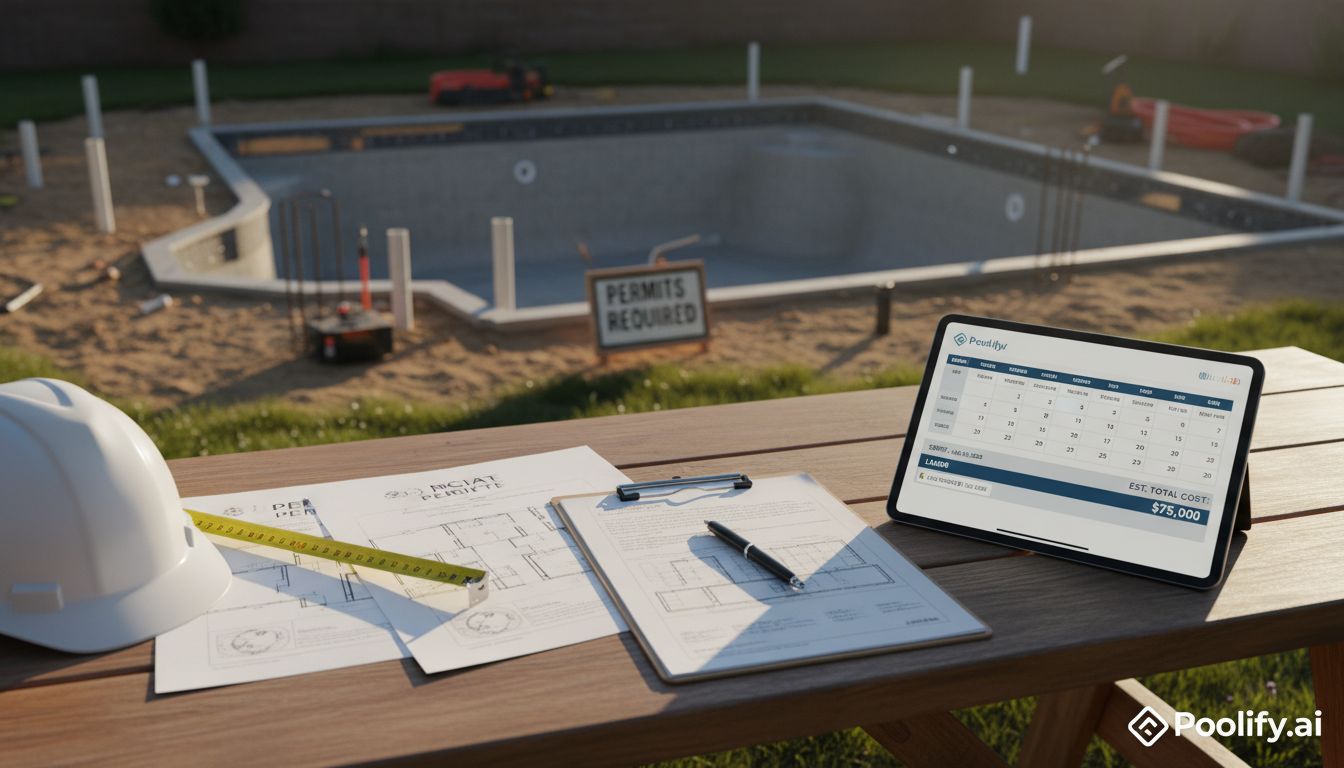
The total cost for all permits when asking what permits do i need for a pool typically ranges from $500 to $3,000 depending on location, pool size, and complexity. Building permits represent the largest expense, with electrical, plumbing, and fence permits adding incremental costs. Budget an additional 10-15% for potential plan revisions or unexpected permit requirements discovered during review.
The complete permit process from application to final approval typically spans 4-8 weeks. This timeline includes plan review (2-4 weeks), permit issuance (1 week), construction and inspections (varies by project), and final approval. Complex projects, busy construction seasons, or properties with special circumstances may extend this timeline to 12 weeks or more.
Expedited permit review is available in some jurisdictions for additional fees, reducing review time to 3-5 business days. This option benefits projects with tight timelines but costs 50-100% more than standard review fees. Evaluate whether expedited review provides sufficient value given the overall project timeline.
Maintaining Compliance After Installation
After understanding what permits do i need for a pool and completing installation, maintain ongoing compliance with safety and operational requirements. Keep all permit documentation, inspection reports, and equipment manuals in a permanent file. These documents prove compliance if questions arise during property sales or insurance claims.
Some jurisdictions require periodic pool barrier inspections or equipment certifications. Stay informed about ongoing compliance obligations through your local building department. Maintain pool barriers in good working condition, ensuring gates self-close and self-latch properly. Replace damaged or deteriorated components promptly to maintain safety standards.
If you make modifications to your pool, equipment, or barriers, determine whether additional permits are required. Significant changes like adding spa features, installing new heaters, or modifying barriers typically require permits. Minor maintenance and equipment replacement generally don’t require permits, but consult your building department when uncertain. Learn more about ongoing pool care in our essential pool maintenance tips.
State-Specific Variations in Pool Permits
While general principles apply nationwide when considering what permits do i need for a pool, significant state and local variations exist. California requires energy compliance documentation showing pool equipment meets Title 24 efficiency standards. Florida mandates specific wind-load calculations for pool enclosures and screens. Arizona has unique requirements for water conservation and backwash disposal in desert regions.
Northern states with freeze-thaw cycles impose additional structural requirements for pool shells and plumbing systems. Coastal states often have stricter barrier requirements and special provisions for oceanfront properties. Research your specific state and local requirements early in planning, as these variations significantly impact design, costs, and permitting timelines.
Some states have statewide pool codes providing consistency across jurisdictions, while others delegate authority entirely to local governments, creating wide variation between neighboring towns. Contact your local building department directly for accurate information about your specific location’s requirements. For additional insights on regional considerations, explore our pool design considerations guide.
Key Takeaways
- Multiple permits are typically required – Building, electrical, plumbing, and fence permits are standard for most pool installations, with additional permits possible depending on location and circumstances.
- Start the permit process early – Allow 4-8 weeks for permit applications, reviews, and approvals before beginning construction to avoid project delays.
- Never start construction without permits – Building without proper permits results in fines, stop-work orders, and potential requirements to remove non-compliant work.
- Inspections are mandatory at multiple stages – Plan for footing, rough-in, and final inspections, scheduling each 24-48 hours in advance and ensuring compliance before proceeding.
- Verify all approval requirements – Check municipal codes, HOA regulations, and deed restrictions before finalizing pool location and design to avoid costly changes.
Frequently Asked Questions
Can I install a pool without permits if it’s temporary or above-ground?
Most jurisdictions require permits for permanent above-ground pools, though small temporary pools under 24 inches deep may be exempt. Regulations vary significantly by location, so verify requirements with your building department. Even when permits aren’t required, barrier and safety regulations typically still apply to prevent child drowning accidents.
How long are pool permits valid before they expire?
Pool permits typically remain valid for 6-12 months from issuance, with extensions available if construction is progressing. If permits expire before completion, you may need to renew them, potentially requiring updated plans to meet current codes. Start construction promptly after permit issuance and maintain steady progress to avoid expiration issues.
What happens if I sell my house before completing permitted pool construction?
Open permits transfer to new property owners, who become responsible for completing the work and obtaining final inspections. Disclose open permits during real estate transactions, as they affect property marketability and may impact sale terms. Some buyers request permit closure as a condition of sale or negotiate price adjustments for incomplete work.
Do I need separate permits for pool decking and landscaping?
Pool decking is typically included in the primary building permit, while landscaping generally doesn’t require permits unless it involves significant grading or retaining walls over certain heights. Pergolas, cabanas, or other structures near the pool require separate building permits. Verify specific requirements with your building department during initial planning.
Can homeowners pull their own permits or must contractors do it?
Homeowners can typically pull permits for work on their primary residence, though some jurisdictions require licensed contractors for specialized work like electrical or plumbing. Even when legally permitted to do your own work, consider whether you have the expertise to meet code requirements and pass inspections. Insurance and liability issues also favor using licensed professionals for complex pool installations.
References
- Consumer Product Safety Commission – Pool Safely Campaign: https://www.cpsc.gov/Safety-Education/Safety-Education-Centers/Pool-Safely
- Consumer Product Safety Commission – Safety Barrier Guidelines for Pools: https://www.cpsc.gov/s3fs-public/362%20Safety%20Barrier%20Guidelines%20for%20Pools.pdf
Conclusion
Understanding what permits do i need for a pool is essential for any successful pool installation project in 2026. While the permitting process may seem complex, it exists to protect your safety, investment, and property value. Most pool projects require building, electrical, plumbing, and fence permits at minimum, with additional approvals possible depending on your location and circumstances.
Start your permit research early in the planning process, ideally before finalizing pool design or location. Work with licensed contractors experienced in local requirements, verify HOA and deed restrictions, and maintain open communication with building officials throughout the process. The time and money invested in proper permitting prevents costly mistakes, legal complications, and safety hazards that could plague your pool for years.
By following the guidance in this comprehensive 2026 guide, you’ll navigate the permit process confidently and efficiently, ensuring your pool project proceeds smoothly from planning through final inspection. Remember that permits aren’t obstacles—they’re valuable safeguards ensuring your pool is built correctly, safely, and in compliance with standards designed to protect you and your family for decades of enjoyment.