
Winter pool care is essential for protecting your swimming pool investment during the cold months of 2026. Whether you live in a region with freezing temperatures or milder winters, proper winter pool care ensures your pool remains in excellent condition and ready for use when warmer weather returns. Understanding the fundamentals of winter pool care helps you avoid costly repairs, equipment damage, and water quality issues that can arise from neglect during the off-season.
Understanding Winter Pool Care Fundamentals
Winter pool care involves a comprehensive approach to protecting your pool’s structure, equipment, and water quality during months of reduced or no use. The process begins with understanding your local climate and how winter conditions affect pool systems. Proper winter pool care prevents freeze damage, maintains water chemistry balance, and protects expensive equipment from deterioration.
The foundation of effective winter pool care starts with recognizing that pools don’t simply hibernate during winter. Chemical reactions continue, debris accumulates, and weather conditions constantly challenge your pool’s integrity. According to the CDC’s guidelines on pool water quality, maintaining proper chemical balance year-round prevents bacterial growth and surface damage.
Winter pool care strategies differ based on whether you’re closing your pool completely or maintaining it for occasional winter use. Cold-climate pools typically require full winterization, while pools in warmer regions may need only reduced maintenance schedules. Understanding these distinctions helps you implement the right winter pool care program for your specific situation.
The Complete Winter Pool Care Winterization Process
Winterization represents the most critical aspect of winter pool care for pools in freezing climates. This process protects your pool from ice damage, which can crack pipes, damage filters, and destroy pumps. Proper winterization as part of your winter pool care routine involves several sequential steps that must be completed before the first hard freeze.
Balancing Water Chemistry Before Winter
The first step in winter pool care winterization involves adjusting water chemistry to protective levels. Test and balance pH between 7.2 and 7.6, alkalinity between 80 and 120 ppm, and calcium hardness between 180 and 220 ppm. These balanced levels prevent corrosion and scaling during winter months. Shock your pool with chlorine to eliminate contaminants, then add winterizing chemicals designed specifically for winter pool care applications.
Winter pool care chemical treatments create a protective environment that resists algae growth and maintains water clarity throughout the dormant season. Pool antifreeze, specifically formulated for winter pool care, protects plumbing lines from freeze damage. Never use automotive antifreeze, as it’s toxic and damages pool equipment.
Cleaning and Equipment Protection
Thorough cleaning is essential for effective winter pool care. Vacuum the pool floor, brush walls and steps, and skim all surface debris. Clean or backwash your filter system according to manufacturer specifications. Remove and clean pool accessories including ladders, diving boards, and removable handrails. Store these items in a dry location to prevent winter weather damage.
Your winter pool care equipment protection should include draining water from pumps, filters, heaters, and chlorinators. Remove drain plugs and store them in the pump basket for safekeeping. Blow out plumbing lines using a shop vacuum or air compressor, then plug return lines with expansion plugs designed for winter pool care applications.
Winter Pool Care for Mild Climate Regions
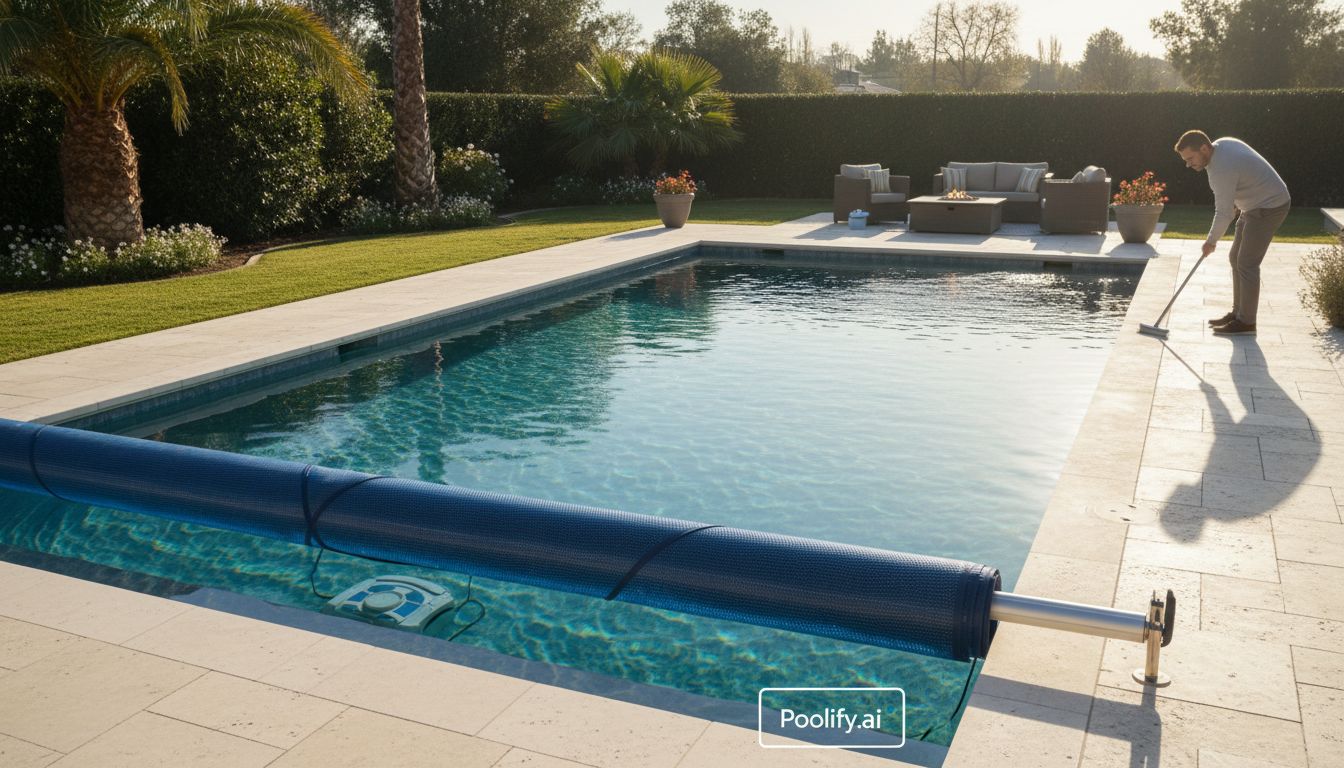
Pools in regions where temperatures rarely drop below freezing require a different winter pool care approach. Rather than full winterization, these pools benefit from reduced maintenance schedules that keep systems operational while minimizing costs and effort during cooler months.
Winter pool care in mild climates involves running your filtration system fewer hours daily—typically 3 to 4 hours instead of the summer standard of 8 to 12 hours. Continue testing water chemistry weekly and adjusting chemicals as needed. Algae growth slows in cooler water but doesn’t stop completely, making consistent winter pool care monitoring essential.
Reduce your chlorine and chemical usage proportionally to decreased pool use and lower water temperatures. Many pool owners in mild climates use year-round maintenance schedules that adjust intensity seasonally. This approach to winter pool care keeps pools swim-ready during unexpected warm spells while protecting equipment from extended periods of inactivity.
Cover Selection for Winter Pool Care
Pool covers represent one of the most important investments in winter pool care. Safety covers provide security, debris protection, and help maintain water chemistry by blocking sunlight that promotes algae growth. Solid covers offer maximum debris protection, while mesh covers allow water drainage while filtering out leaves and larger debris.
Quality winter pool care covers reduce chemical usage by up to 60% and minimize cleaning requirements when you reopen your pool. Ensure covers fit properly with secure anchoring systems that withstand winter storms. Check your cover monthly as part of your winter pool care routine, removing accumulated water, snow, or debris to prevent sagging and damage.
Equipment and Infrastructure Winter Pool Care
Protecting pool equipment extends its lifespan and prevents expensive repairs. Winter pool care for equipment involves more than simply turning systems off—it requires active protection against moisture, freezing, and corrosion.
Pump and Filter Winter Pool Care
Pool pumps represent significant investments requiring careful winter pool care attention. After draining all water, remove the pump lid and drain basket. Store drain plugs in the basket where you’ll find them easily in spring. Cover the pump motor with a waterproof cover, but ensure ventilation to prevent moisture accumulation that causes corrosion.
Filter systems need specific winter pool care based on type. Sand filters should be set to winterize mode after backwashing. Cartridge filters require removal, cleaning, and dry storage. DE filters need backwashing and draining, with grids left inside the tank. Proper winter pool care for filters prevents cracking, deterioration, and premature replacement needs.
Heater and Automation System Protection
Pool heaters require specialized winter pool care to prevent costly damage. Drain all water from heat exchangers following manufacturer instructions. Remove drain plugs and leave them visible for spring reinstallation. Cover heater units to protect from weather while ensuring adequate ventilation.
Automation systems controlling pool functions need winter pool care attention too. Protect control panels from moisture with weatherproof covers. Consider disconnecting power to automated systems in regions with harsh winters. Document all settings before disconnection to simplify spring startup procedures.
Ongoing Winter Pool Care Maintenance Tasks
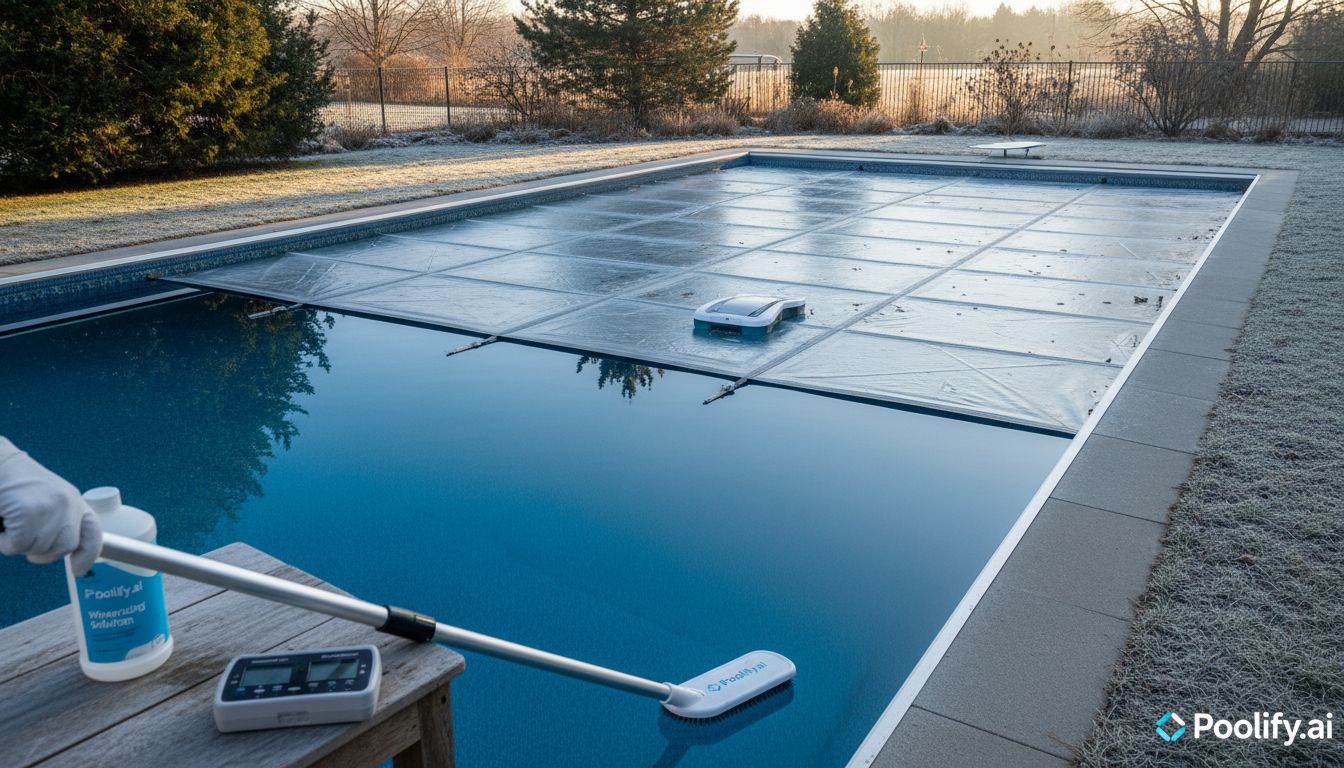
Winter pool care doesn’t end with winterization. Regular monitoring throughout winter prevents problems that develop during extended closure periods. Even closed pools require periodic attention to maintain protective measures and catch developing issues early.
Check your pool cover every two to three weeks as part of your winter pool care routine. Remove standing water, snow accumulation, and debris that add weight and stress cover materials. Inspect cover anchors and fastenings, tightening or replacing damaged components immediately. For more detailed maintenance strategies, review our comprehensive pool cleaning tips.
Water Level Management
Proper water level maintenance is crucial for winter pool care success. In-ground pools should maintain water levels below skimmers but high enough to prevent cover sagging. Above-ground pools typically need water levels reduced to just below return jets. Check water levels monthly, adding or removing water as needed to maintain optimal levels throughout winter.
Winter pool care water level management prevents cover damage from excessive weight while protecting pool walls from pressure imbalances. In regions with significant precipitation, you may need to pump water from solid covers to prevent overflow into the pool, which dilutes chemical protection and raises water levels dangerously.
Winter Pool Care for Above-Ground Pools
Above-ground pools require specialized winter pool care approaches due to their unique construction and vulnerability to winter conditions. These pools face greater risks from freezing, wind damage, and structural stress during winter months.
Winter pool care for above-ground pools starts with the same winterization steps as in-ground pools—balance chemistry, clean thoroughly, and add winterizing chemicals. However, above-ground pool winter care includes additional considerations for wall protection and structural integrity. Install a winter cover specifically designed for above-ground pools with proper securing mechanisms that prevent wind damage.
Consider using an air pillow under the cover as part of your above-ground winter pool care strategy. These inflatable devices create a peak in the cover, allowing water and snow to slide off rather than accumulate. This simple addition to your winter pool care routine significantly reduces cover stress and extends its lifespan.
Frame and Wall Protection
Above-ground pool frames and walls need specific winter pool care attention. Inspect all frame components for rust or damage before winter. Apply rust-resistant coating to vulnerable areas. Some pool owners partially disassemble above-ground pools in extreme winter climates, though this intensive winter pool care approach requires significant effort and storage space.
Protect pool walls from ice expansion by maintaining proper water levels and ensuring complete plumbing drainage. Ice formation exerts tremendous pressure on pool walls, making thorough winter pool care preparation essential for preventing structural damage that could require complete pool replacement.
Common Winter Pool Care Mistakes to Avoid
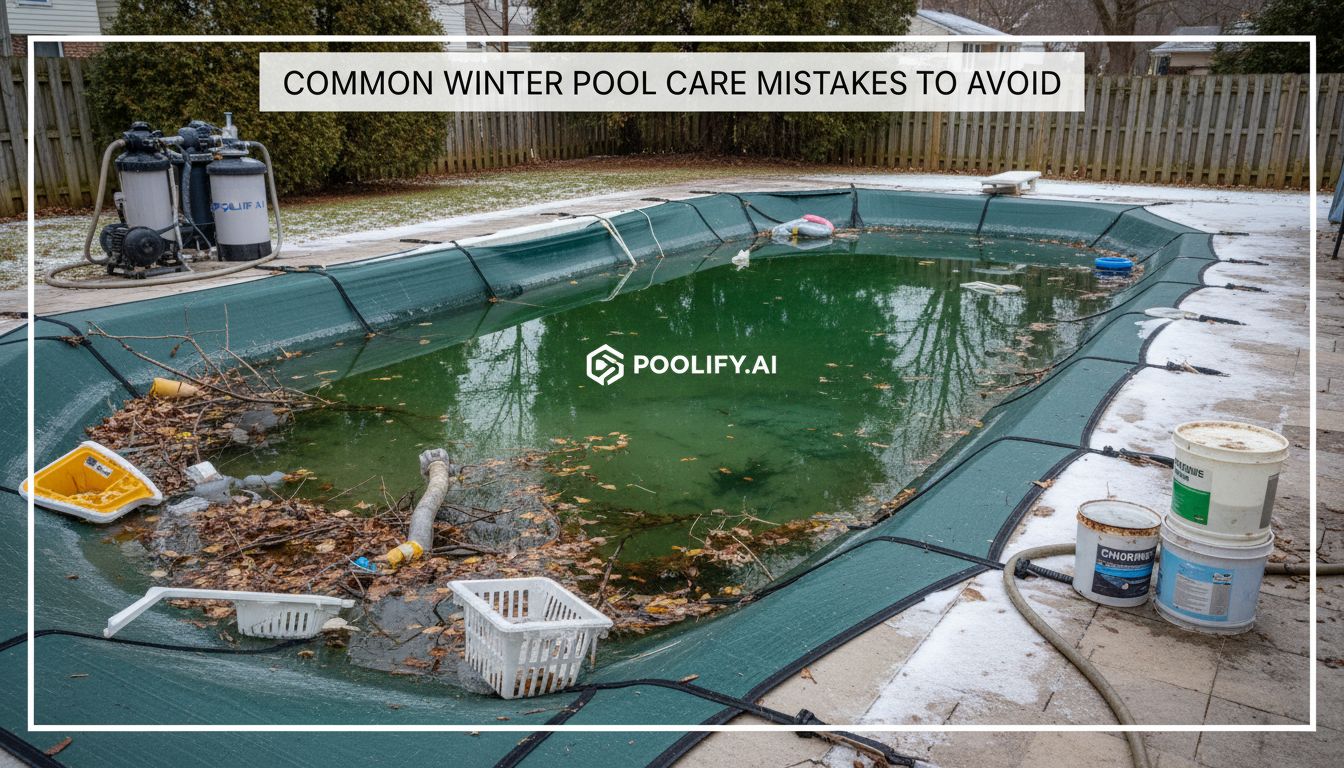
Understanding winter pool care pitfalls helps you avoid expensive mistakes that compromise pool integrity and create extensive spring repair needs. Many pool owners make preventable errors that undermine otherwise solid winter pool care efforts.
The most common winter pool care mistake involves inadequate winterization timing. Waiting until after the first freeze causes equipment damage that proper advance preparation would prevent. Begin your winter pool care process when water temperatures consistently drop below 65°F, well before freezing conditions arrive.
Chemical Balance Errors
Improper chemical balance represents another frequent winter pool care failure. Some pool owners assume winter eliminates the need for chemical treatment, allowing water chemistry to drift into damaging ranges. Effective winter pool care maintains protective chemical levels that prevent algae growth, surface staining, and corrosion throughout winter months.
Over-chlorination during winter pool care preparation causes problems too. Excessive chlorine damages pool surfaces and equipment. Follow manufacturer recommendations for winterizing chemical dosages specific to your pool volume and type. Proper winter pool care balances protection with safety for pool materials.
Spring Pool Opening and Winter Pool Care Assessment
Your winter pool care program’s success becomes evident during spring opening. Properly winterized pools open quickly with minimal effort, while inadequate winter pool care creates extensive spring cleanup and repair needs. Plan your spring opening as the final phase of your comprehensive winter pool care strategy.
Begin spring opening by removing and cleaning your winter cover before storing it properly for next season. Inspect all equipment protected during your winter pool care program, looking for any damage that occurred despite protective measures. Reinstall drain plugs, reconnect equipment, and refill plumbing lines before starting systems.
Test water chemistry immediately upon opening. Your winter pool care chemical treatments should have maintained reasonable balance, but adjustments will likely be necessary. Shock the pool, balance pH and alkalinity, and run filtration continuously for 24 to 48 hours. Assess whether your winter pool care program succeeded by noting water clarity, equipment condition, and the effort required to achieve swim-ready status.
Winter Pool Care Cost Considerations
Investing in proper winter pool care saves money compared to repairing damage from inadequate protection. Professional winterization services typically cost $200 to $400, while DIY winter pool care requires purchasing chemicals, covers, and winterizing equipment totaling $150 to $300 initially.
Compare these winter pool care costs against potential damage expenses: replacing a cracked pump costs $800 to $1,500, repairing freeze-damaged plumbing runs $500 to $2,000, and resurfacing a pool damaged by improper winter pool care chemistry costs $5,000 to $15,000. The mathematics clearly favor comprehensive winter pool care investment.
Energy savings represent another winter pool care financial benefit. Properly covered pools in mild climates reduce heating and filtration costs by 50% to 70% during winter months. These ongoing savings accumulate over years, making quality winter pool care equipment and practices financially prudent long-term investments.
Professional vs. DIY Winter Pool Care
Deciding between professional and DIY winter pool care depends on your mechanical aptitude, available time, and comfort level with pool systems. Professional winter pool care services ensure proper procedures while providing liability protection if equipment damage occurs despite winterization efforts.
DIY winter pool care offers cost savings and deeper understanding of your pool’s systems. Many pool owners successfully handle winter pool care tasks using manufacturer instructions and online resources. Start with professional winter pool care services for your first season, observing procedures carefully. Transition to DIY winter pool care once you understand requirements and feel confident executing necessary steps.
Hybrid approaches combine DIY and professional winter pool care effectively. Handle routine tasks like chemical balancing and cover maintenance yourself while hiring professionals for complex procedures like plumbing line blowouts and equipment winterization. This balanced winter pool care strategy optimizes cost savings while ensuring critical tasks receive expert attention.
Key Takeaways
- Begin winter pool care when water temperatures consistently drop below 65°F, well before freezing conditions arrive, to protect equipment and prevent damage from ice formation.
- Balance water chemistry to protective levels as the foundation of effective winter pool care, maintaining pH between 7.2-7.6 and adding winterizing chemicals to prevent algae and corrosion.
- Drain all water from equipment including pumps, filters, and heaters to prevent freeze damage, and blow out plumbing lines to eliminate water that could expand and crack pipes.
- Invest in quality pool covers that provide debris protection and reduce chemical usage by up to 60%, checking covers monthly to remove accumulated water, snow, and debris.
- Maintain regular winter pool care monitoring even for closed pools, checking water levels, cover condition, and equipment protection every two to three weeks throughout winter months.
Frequently Asked Questions About Winter Pool Care
When should I start my winter pool care preparation?
Start your winter pool care process when water temperatures consistently stay below 65°F, typically 4 to 6 weeks before your region’s first expected freeze. Beginning winter pool care too early wastes chemicals and energy, while waiting too long risks freeze damage to equipment and plumbing. Monitor local weather forecasts and historical freeze dates to time your winter pool care winterization appropriately for your specific climate zone.
Can I skip winter pool care if I live in a mild climate?
No, winter pool care remains essential even in mild climates, though the approach differs from cold-region winterization. Pools in warm areas require reduced maintenance schedules, continued filtration at lower intervals, and ongoing chemical monitoring. Skipping winter pool care in any climate leads to algae growth, equipment deterioration, and water quality problems that create expensive spring remediation needs.
How often should I check my pool during winter?
Check your pool every two to three weeks as part of comprehensive winter pool care. Inspect cover condition, remove debris and standing water, verify water levels remain appropriate, and look for any equipment issues. Pools in harsh winter climates may need weekly checks after significant storms, while mild-climate pools with ongoing filtration require weekly water testing and chemical adjustments throughout winter.
What’s the most important aspect of winter pool care?
Preventing freeze damage represents the most critical winter pool care priority. Water expands approximately 9% when freezing, generating tremendous pressure that cracks equipment, bursts pipes, and damages pool structures. Proper winter pool care water removal from all equipment and plumbing lines prevents this damage. In mild climates, maintaining proper chemical balance becomes the top winter pool care priority.
Should I drain my pool completely for winter?
No, complete drainage is not recommended winter pool care practice for most pools. In-ground pools need water weight to counteract ground pressure that could crack empty shells or cause them to “pop” out of the ground. Proper winter pool care maintains water levels below skimmers but keeps pools substantially full. Only drain pools completely under professional guidance for specific repair or renovation projects, not as routine winter pool care.
Conclusion
Effective winter pool care protects your swimming pool investment throughout 2026’s cold months, preventing damage and simplifying spring opening. Whether you’re implementing full winterization in freezing climates or maintaining reduced operation schedules in milder regions, comprehensive winter pool care strategies save money, preserve equipment, and ensure your pool remains ready for enjoyment when warm weather returns. By following the winter pool care guidelines outlined in this guide, you’ll avoid common mistakes, protect your investment, and develop confidence in managing your pool through every season. Start planning your winter pool care program now to ensure your pool survives winter in excellent condition.