Blog

  • What Pool Design Works Best for Traditional Homes?

    Traditional homes benefit from pool designs that feel balanced, timeless, and well-integrated with the architecture. The best traditional pool designs avoid extremes, focusing instead on proportion, symmetry, and subtle detailing that complements the home rather than competing with it.

    This guide explains what pool design works best for traditional homes, which design choices reinforce a classic aesthetic, and how to avoid elements that feel out of place.


    Emphasize Symmetry and Balance

    Traditional architecture values order and proportion.

    Pool shapes that suit traditional homes

    • Rectangular pools
    • Symmetrical geometric designs
    • Classic L-shaped layouts with clean lines

    Symmetry creates a sense of permanence and visual stability.


    Align the Pool With the Home’s Layout

    Traditional pools should feel intentionally placed.

    Alignment strategies

    • Center the pool on primary sightlines
    • Align edges with major architectural elements
    • Maintain consistent spacing from the house

    This creates a composed, formal feel that complements traditional architecture.


    Choose Timeless Materials and Finishes

    Material selection plays a major role in traditional design.

    Common traditional finish choices

    • Neutral plaster or pebble finishes
    • Natural stone or brick-inspired coping
    • Warm, muted tones

    Avoid overly bold or high-contrast finishes that distract from the overall design.


    Use Features That Feel Classic, Not Trendy

    Traditional pools benefit from familiar, understated features.

    Features that work well

    • Wide, formal steps
    • Simple built-in benches
    • Subtle water features like small scuppers
    • Balanced lighting for evening use

    Features should enhance usability without drawing attention to themselves.


    Integrate the Pool With Landscaping

    Landscaping plays a larger role in traditional pool design.

    Landscaping strategies

    • Framed planting beds
    • Symmetrical tree or shrub placement
    • Clear transitions between pool and garden areas

    The pool should feel like part of a composed outdoor setting.


    Avoid Overly Modern or Organic Elements

    Certain elements can clash with traditional homes.

    Use caution with

    • Irregular freeform shapes
    • Ultra-minimalist detailing
    • Highly contemporary finishes
    • Overly dramatic water features

    Consistency with the home’s style is key.


    Balance Pool Size With Yard Scale

    Traditional homes often emphasize proportion over scale.

    Layout considerations

    • Moderate pool sizes that fit the property
    • Adequate deck and circulation space
    • Clear boundaries between pool and lawn

    An oversized pool can disrupt the balance of a traditional yard.


    Visualize the Pool in Context

    Traditional design relies on subtle relationships between elements.

    Visualization helps you:

    • Confirm symmetry and alignment
    • Evaluate material choices
    • Balance pool and landscaping
    • Avoid design clashes

    Seeing the pool in your actual yard supports better traditional design decisions.


    How AI Pool Design Supports Traditional Planning

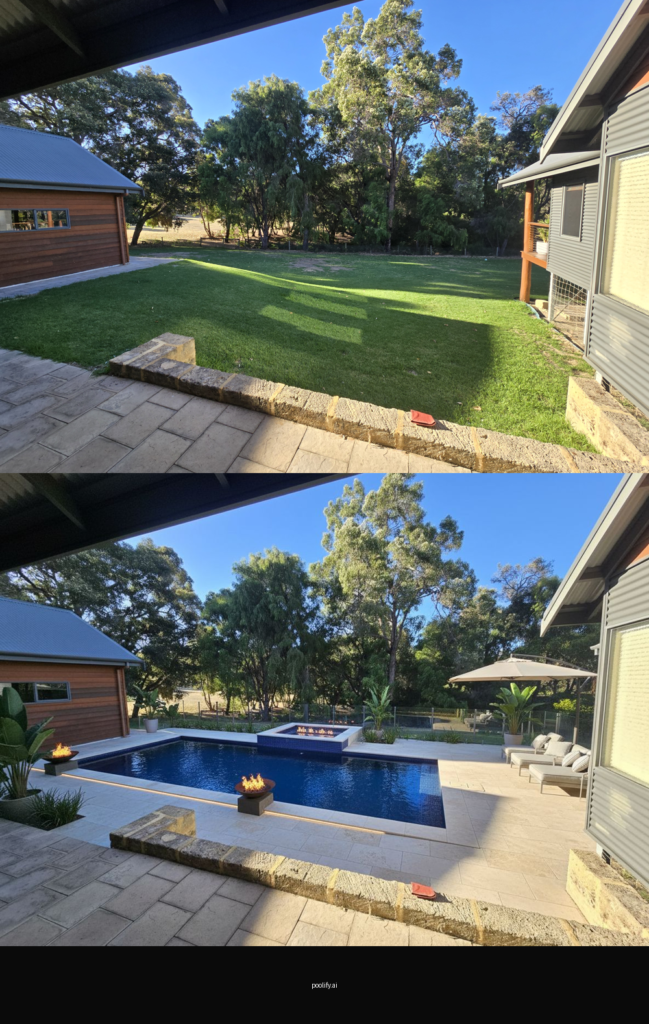
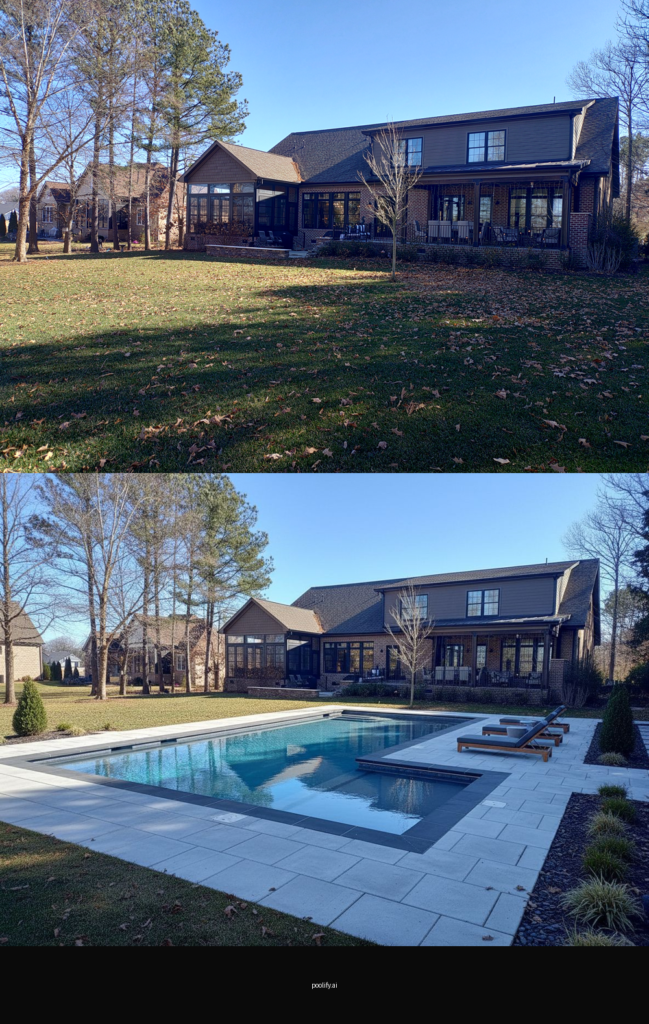
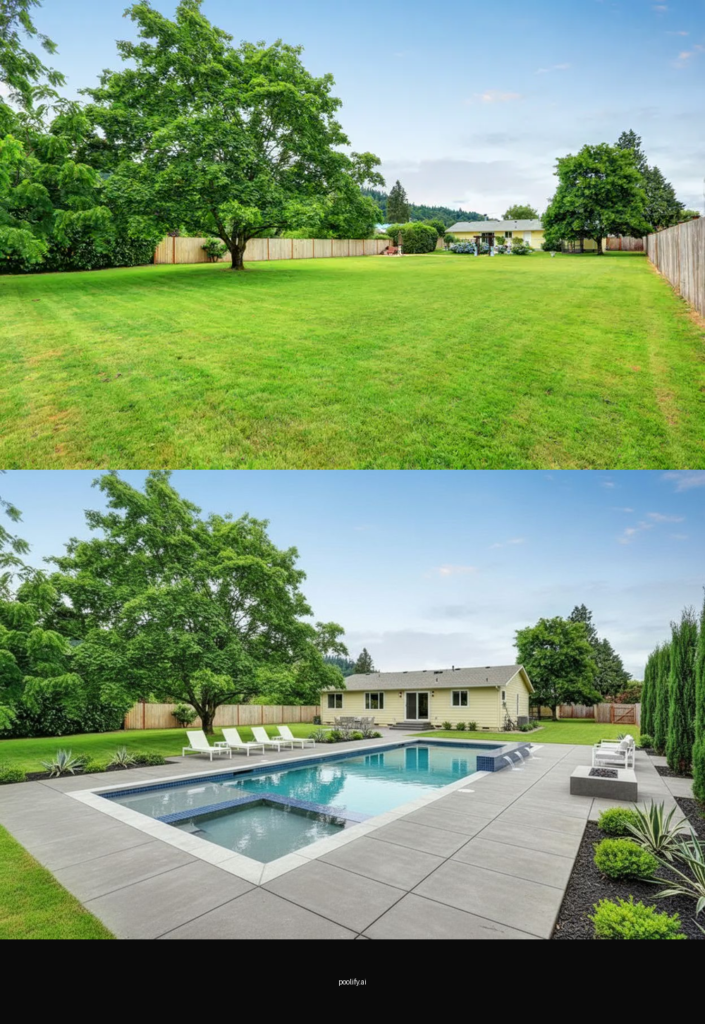
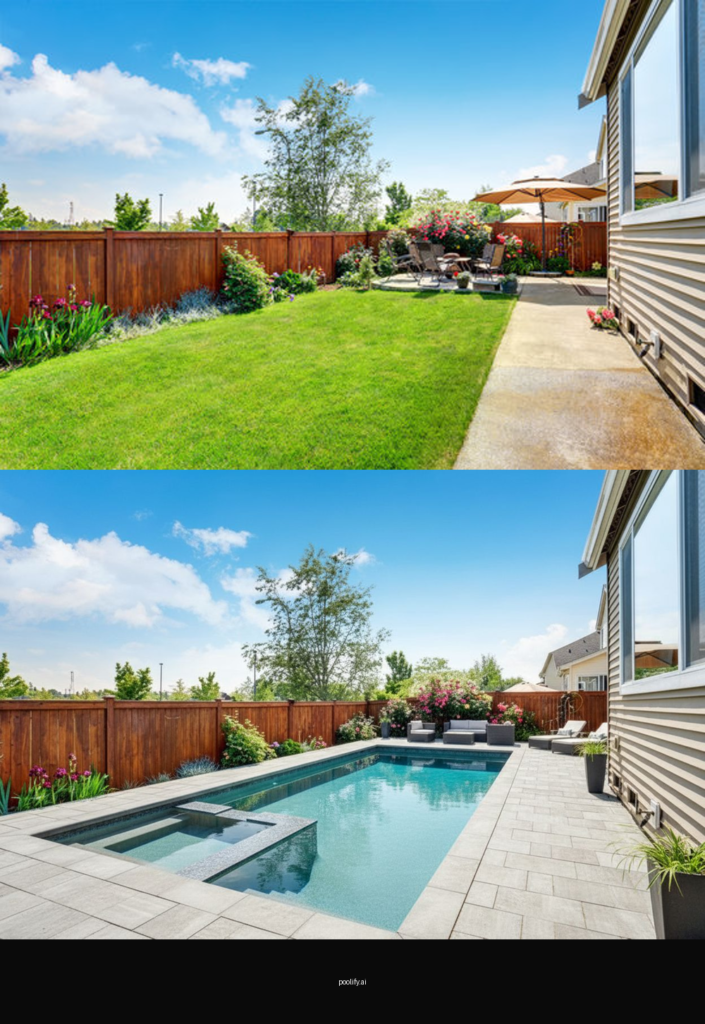
    AI pool design tools allow homeowners to explore classic layouts and visualize how a pool fits within a traditional setting.

    Tools like Poolify focus on early planning, helping users refine proportions, placement, and style before construction begins.


    Common Traditional Pool Design Mistakes

    Over-modernizing

    Design elements that are too contemporary can feel out of place.

    Ignoring landscaping

    Traditional pools rely on strong landscape integration.

    Oversizing the pool

    This disrupts balance and formality.


    Key Takeaways

    • Traditional pool design emphasizes symmetry and balance
    • Rectangular and geometric shapes work best
    • Timeless materials reinforce classic appeal
    • Landscaping integration is critical
    • Visualization helps refine traditional details

    A well-designed traditional pool feels permanent, balanced, and naturally integrated with the home, creating an outdoor space that remains appealing for decades.

  • What Pool Design Works Best for Modern Homes?

    Modern pool design emphasizes clean lines, simplicity, and a strong connection between the home and outdoor space. The best modern pools feel intentional and restrained, using geometry and proportion to create impact rather than decorative excess.

    This guide explains what pool design works best for modern homes, which design choices reinforce a modern aesthetic, and how to avoid elements that clash with contemporary architecture.


    Start With Clean Geometry

    Modern design relies on clarity and structure.

    Pool shapes that suit modern homes

    • Rectangular pools
    • Linear, elongated layouts
    • Simple L-shaped designs with straight edges

    Avoid overly organic or irregular shapes, which tend to conflict with modern architecture.


    Align the Pool With the Architecture

    Modern pools should feel like an extension of the home.

    Alignment strategies

    • Match pool edges with the home’s lines
    • Square the pool to the house rather than the property line
    • Create visual continuity from interior to exterior

    This alignment reinforces a cohesive, modern look.


    Keep the Design Minimal

    Modern pool design favors restraint.

    Minimalist design principles

    • Fewer features, executed precisely
    • Clean steps and integrated seating
    • Hidden or subtle equipment and returns

    Every element should feel intentional and uncluttered.


    Use Neutral, Consistent Materials

    Material choice plays a major role in modern aesthetics.

    Common modern material choices

    • Light gray or white pool finishes
    • Large-format pavers
    • Concrete, porcelain, or stone-look materials
    • Minimal grout lines and visual breaks

    Consistency across materials helps maintain a clean visual flow.


    Prioritize Sharp Edges and Crisp Details

    Detail execution matters in modern design.

    Design details that elevate modern pools

    • Straight, uniform coping
    • Flush or cantilevered edges
    • Simple, wide entry steps
    • Integrated benches instead of add-on furniture

    Small inconsistencies stand out more in minimalist designs.


    Use Water Features Sparingly

    Water features should support, not dominate, the design.

    Modern-friendly water features

    • Sheer descents
    • Subtle scuppers
    • Narrow spillways integrated into walls

    Avoid large rock waterfalls or heavily themed elements.


    Thoughtful Lighting Is Essential

    Lighting should enhance form without drawing attention to itself.

    Modern lighting principles

    • Even, understated illumination
    • Minimal fixture visibility
    • Lighting that emphasizes geometry

    Good lighting supports nighttime use while preserving simplicity.


    Balance Pool Size With Outdoor Space

    Modern backyards often emphasize openness.

    Layout considerations

    • Leave negative space around the pool
    • Avoid filling the yard edge-to-edge
    • Maintain clear circulation paths

    Negative space is a key element of modern design.


    Visualize the Design Before Building

    Modern pools rely on proportion and alignment, which are difficult to judge without seeing the design in context.

    Visualization helps you:

    • Fine-tune placement
    • Confirm scale
    • Align with architectural elements
    • Avoid subtle but costly mistakes

    Seeing the pool in your actual backyard supports better modern design decisions.


    How AI Pool Design Supports Modern Planning

    AI pool design tools allow homeowners to explore clean, modern layouts quickly and compare subtle variations in proportion and alignment.

    Tools like Poolify focus on early planning, helping users visualize modern pool designs and refine details before construction begins.


    Common Modern Pool Design Mistakes

    Adding too many features

    This breaks the minimalist aesthetic.

    Mixing styles

    Organic elements can clash with modern architecture.

    Ignoring alignment

    Even slight misalignment is noticeable in modern design.


    Key Takeaways

    • Modern pool design emphasizes clean geometry
    • Alignment with the home is critical
    • Minimal features create stronger impact
    • Neutral materials reinforce modern aesthetics
    • Visualization helps refine proportion and placement

    A well-designed modern pool feels calm, intentional, and seamlessly connected to the home, enhancing the architecture rather than competing with it.

  • What Pool Design Works Best for Luxury Backyards?

    Luxury pool design is less about size and more about proportion, restraint, and integration. The most successful luxury pools feel intentional, calm, and seamlessly connected to the home and outdoor living space rather than oversized or overly complex.

    This guide explains what pool design works best for luxury backyards, which elements create an upscale feel, and how to avoid choices that look expensive but feel chaotic.


    Luxury Starts With Proportion, Not Size

    One of the biggest misconceptions about luxury pools is that bigger automatically means better.

    Hallmarks of proportional luxury design

    • Pool size that complements the home
    • Balanced relationship between water, deck, and landscaping
    • Clear negative space instead of crowding

    A well-proportioned pool often feels more luxurious than a much larger one.


    Simple, Intentional Pool Shapes

    Luxury design favors clarity and restraint.

    Common luxury pool shapes

    • Rectangular and linear pools
    • Clean geometric layouts
    • Subtle L-shaped designs for zoning

    Simple shapes provide a timeless look and integrate easily with architecture.


    Seamless Integration With the Home

    Luxury pools feel like an extension of the home rather than a separate feature.

    Integration strategies

    • Align pool edges with architectural lines
    • Continue materials from interior to exterior
    • Minimize visual barriers between pool and living spaces
    • Maintain clear sightlines from key rooms

    This approach creates a cohesive, high-end experience.


    Fewer Features, Executed Well

    Luxury pools avoid feature overload.

    Features that enhance luxury

    • Shallow lounging ledges with clean detailing
    • Subtle water features like sheer descents
    • Thoughtful lighting that highlights form
    • Integrated seating instead of loose furniture

    Quality execution matters more than quantity.


    High-End Materials With Neutral Palettes

    Luxury design favors materials that age well.

    Popular luxury finish choices

    • Natural stone or stone-look materials
    • Soft grays, whites, and neutral tones
    • Matte or lightly textured surfaces

    These choices feel refined and avoid trend-driven regret.


    Privacy and Spatial Calm

    Luxury backyards prioritize comfort and privacy.

    Design considerations

    • Strategic landscaping for screening
    • Pool placement away from noise sources
    • Defined zones for relaxation and entertaining
    • Avoidance of visual clutter

    Luxury pools should feel calm, not busy.


    Thoughtful Lighting Design

    Lighting plays a major role in luxury perception.

    Effective luxury lighting

    • Even, understated illumination
    • Emphasis on safety and ambiance
    • Avoidance of harsh or overly bright fixtures

    Good lighting extends usability without drawing attention to itself.


    Visualizing Luxury Before Building

    Luxury design decisions are subtle and benefit from visualization.

    Seeing the pool in context helps you:

    • Fine-tune proportions
    • Evaluate material choices
    • Balance simplicity and impact
    • Avoid overdesigning

    Visualization supports refinement rather than experimentation at this stage.


    How AI Pool Design Supports Luxury Planning

    AI pool design tools allow homeowners to explore luxury layouts quickly and compare subtle variations. This helps refine proportions and integration before committing to expensive materials or construction decisions.

    Tools like Poolify focus on early-stage planning, making it easier to visualize high-end designs and make confident luxury-oriented choices.


    Common Luxury Pool Design Mistakes

    Oversized pools

    They overwhelm the yard and reduce elegance.

    Too many statement features

    Luxury comes from restraint, not excess.

    Ignoring architectural alignment

    Pools that clash with the home feel disconnected.


    Key Takeaways

    • Luxury pool design prioritizes proportion over size
    • Simple, intentional shapes feel more refined
    • Integration with the home elevates the design
    • Fewer, well-executed features create impact
    • Visualization helps refine luxury details

    Luxury pool design is about clarity, balance, and thoughtful execution. When done right, the pool enhances the entire property without competing for attention.

  • How Do I Avoid Regretting My Pool Design?

    Pool design regret usually comes from decisions made too quickly or without seeing how everything fits together. Once a pool is built, changing the size, shape, or placement is difficult and expensive. Avoiding regret is about slowing down the right parts of the process and making informed choices early.

    This guide explains how to avoid regretting your pool design, which mistakes lead to disappointment, and how to make confident decisions before construction begins.


    Most Pool Regret Starts With Early Decisions

    Very few homeowners regret having a pool. They regret specific design choices.

    Common sources of regret

    • Pool feels too large or too small
    • Awkward placement in the yard
    • Not enough deck or seating space
    • Features that are rarely used
    • Poor visibility or flow

    These issues almost always trace back to early planning.


    Design Around How You Will Actually Use the Pool

    Design regret often comes from designing for an ideal scenario instead of real life.

    Questions to be honest about

    • How often will I use the pool?
    • Will this be mostly social or functional?
    • Who will use it most?
    • What will I realistically maintain?

    Designing for actual behavior leads to better long-term satisfaction.


    Avoid Locking in a Design Too Early

    Choosing the first design you see limits perspective.

    Why early commitment causes regret

    • Better layouts are never explored
    • Tradeoffs are not fully understood
    • Assumptions go unchallenged

    Comparing multiple options reduces second-guessing later.


    Keep Pool Size in Proportion to the Yard

    Oversized pools are one of the most common regrets.

    Signs of poor proportion

    • Limited walking or seating space
    • Yard feels dominated by water
    • Landscaping options are reduced

    A balanced layout usually feels more comfortable and upscale.


    Be Selective With Features

    Features add complexity and cost. Not all features add enjoyment.

    Feature-related regrets often involve

    • Rarely used upgrades
    • Maintenance-heavy elements
    • Features that reduce swim space

    Choosing fewer, high-use features leads to better experiences.


    Think About the Space Around the Pool

    Regret often comes from focusing only on the pool shell.

    Surrounding space matters

    • Decking and patios
    • Seating and shade
    • Pathways and circulation
    • Views from the house

    A pool should enhance the entire backyard, not just the water area.


    Visualize the Pool Before Construction

    It is difficult to judge scale and flow without seeing the design in context.

    Visualization helps you:

    • Identify awkward placement
    • Spot overcrowding early
    • Compare layouts objectively
    • Make confident decisions

    Seeing the pool in your actual backyard often changes priorities.


    Avoid Designing Without Budget Awareness

    Budget-related regret happens when expectations and reality collide.

    How to prevent it

    • Set a realistic budget range early
    • Understand which design choices drive cost
    • Remove unnecessary complexity before construction

    Designing with cost in mind reduces disappointment.


    Get Feedback Before Finalizing the Design

    Fresh perspectives help catch issues.

    Useful sources of feedback

    • Family members who will use the pool
    • Professionals familiar with pool layouts
    • Visual comparison of alternatives

    Feedback is most valuable before plans are finalized.


    How AI Pool Design Helps Reduce Regret

    AI pool design tools allow homeowners to explore multiple layouts quickly and visualize designs in context. By comparing options early, it becomes easier to identify what truly works and avoid decisions that lead to regret.

    Tools like Poolify focus on this early planning stage, helping users refine designs and commit with confidence.


    Key Takeaways

    • Most pool regret comes from early design choices
    • Designing for real use prevents disappointment
    • Comparing multiple options reduces second-guessing
    • Proportion and surrounding space matter
    • Visualization before building is critical

    Avoiding pool design regret is about clarity. The more clearly you understand how the pool will fit, function, and feel before construction, the more likely you are to enjoy it for years to come.

  • What Questions Should I Ask Before Building a Pool?

    Asking the right questions before building a pool can save time, money, and frustration. Many problems arise not from construction quality, but from decisions that were never fully thought through during the planning phase.

    This guide outlines the most important questions to ask before building a pool, helping you clarify priorities, avoid common mistakes, and move into construction with confidence.


    Questions About Your Backyard and Space

    Understanding your yard is the foundation of good pool design.

    Key questions to ask

    • How much usable space do I actually have?
    • Are there setbacks, easements, or utilities to consider?
    • Is the yard flat or sloped?
    • How will the pool affect existing patios or landscaping?

    These answers shape what is realistically possible.


    Questions About How You Will Use the Pool

    Pool design should match real use, not assumptions.

    Usage questions

    • Will this pool be used mostly for relaxing, entertaining, or exercise?
    • Who will use the pool most often?
    • Do I want shallow lounging areas, deep swimming areas, or both?
    • Will my needs change over time?

    Clear answers prevent over- or under-designing the pool.


    Questions About Size and Layout

    Size and placement affect everything from comfort to cost.

    Layout questions

    • How big should the pool be relative to the yard?
    • How much deck and circulation space do I need?
    • Does the pool placement block views or pathways?
    • Will the pool feel balanced in the space?

    Visualizing layouts makes these questions easier to answer.


    Questions About Features

    Features should be intentional.

    Feature questions

    • Which features will I actually use?
    • Which features add cost without adding value?
    • Do features reduce swim space?
    • How do features affect maintenance?

    Choosing fewer, well-placed features often leads to better outcomes.


    Questions About Budget and Cost

    Budget clarity avoids disappointment later.

    Cost-related questions

    • What is my realistic budget range?
    • How do design choices affect cost?
    • What features drive the biggest cost increases?
    • What ongoing maintenance costs should I expect?

    Designing with budget awareness helps prevent late changes.


    Questions About Timing and Process

    Understanding the process helps set expectations.

    Process questions

    • How long does design typically take?
    • When should I involve a builder?
    • What decisions must be made before permitting?
    • What changes are expensive once construction starts?

    Knowing the sequence reduces surprises.


    Questions About Professionals and Tools

    Knowing who does what matters.

    Professional questions

    • Do I need a pool architect or designer?
    • What does the builder handle versus the homeowner?
    • What tools will be used for design and visualization?

    Clarity here improves collaboration.


    Why Visualization Helps Answer These Questions

    Many of these questions are hard to answer abstractly.

    Visualization helps you:

    • Test size and placement
    • Compare features and layouts
    • Identify conflicts early
    • Make confident decisions

    Seeing the pool in context often answers multiple questions at once.


    How AI Pool Design Supports Early Questioning

    AI pool design tools help homeowners explore options visually and answer planning questions before committing to construction.

    Tools like Poolify focus on this early phase, allowing users to generate designs, compare layouts, and clarify decisions before talking to builders.


    Key Takeaways

    • Asking the right questions early prevents costly mistakes
    • Space, usage, and layout should guide design
    • Features and budget should be aligned
    • Process clarity reduces delays
    • Visualization makes planning questions easier to answer

    Taking time to ask the right questions before building a pool leads to better decisions and a smoother construction process overall.

  • How Long Does Pool Design Take?

    Pool design does not have to be a long, drawn-out process, but the timeline depends heavily on how the design is approached. Some homeowners move from idea to construction-ready plans in weeks, while others spend months revising layouts after construction has already started.

    This guide explains how long pool design typically takes, what affects the timeline, and how early visualization can significantly speed up the process.


    The Typical Pool Design Timeline

    Pool design usually happens in stages. Understanding these stages helps set realistic expectations.

    Conceptual design phase

    This is where ideas are explored and decisions are flexible.

    • Defining pool size and shape
    • Choosing placement in the yard
    • Exploring features and layouts

    Typical timeframe: a few days to a few weeks


    Design development phase

    The chosen concept is refined and prepared for construction planning.

    • Adjusting layout details
    • Aligning features with budget
    • Coordinating with builders or designers

    Typical timeframe: one to several weeks


    Construction-ready planning

    This phase focuses on engineering, permits, and technical drawings.

    • Structural and systems planning
    • Permit documentation
    • Final approvals

    Typical timeframe: several weeks, depending on location and complexity

    Most delays happen when early stages are rushed or skipped.


    What Causes Pool Design to Take Longer

    Certain factors commonly extend the design timeline.

    Common causes of delays

    • Designing without clear priorities
    • Changing decisions late in the process
    • Lack of visualization early on
    • Unclear budget expectations
    • Starting construction planning before design is settled

    Time spent redesigning later is far more costly than time spent planning early.


    How Early Design Choices Speed Things Up

    Clear early decisions reduce revisions and backtracking.

    Designing early allows you to:

    • Narrow options before professional plans are created
    • Align layout with budget expectations
    • Reduce builder revisions
    • Move into permitting faster

    Well-defined concepts streamline every later phase.


    How Visualization Shortens the Design Process

    Visualization removes uncertainty quickly.

    Seeing the pool in your backyard helps you:

    • Confirm size and placement immediately
    • Compare layouts without redrawing plans
    • Identify issues early
    • Make confident decisions faster

    Visual clarity often reduces weeks of back-and-forth.


    Pool Design Timelines for Different Project Types

    Simple residential pools

    Straightforward yards and simple layouts move fastest.

    Typical design time: a few days to two weeks


    Custom or complex projects

    Irregular sites, slopes, or high-end designs take longer.

    Typical design time: several weeks


    Renovations and redesigns

    Existing conditions add complexity.

    Typical design time: one to several weeks, depending on scope


    How AI Pool Design Accelerates Early Planning

    AI-based pool design tools dramatically reduce early design time by generating multiple layout options quickly.

    Instead of starting from scratch, homeowners can:

    • Explore designs immediately
    • Compare options side by side
    • Narrow decisions before involving professionals

    Tools like Poolify focus on this early phase, helping homeowners move from idea to clear direction in a fraction of the traditional time.


    When Taking More Time Is Worth It

    Speed is valuable, but rushing decisions can backfire.

    It is worth slowing down when:

    • The yard is complex
    • The pool is a major investment
    • Multiple features are involved
    • Long-term use is a priority

    Time spent clarifying the design early almost always saves time later.


    Key Takeaways

    • Pool design timelines vary by project complexity
    • Conceptual design is usually the fastest phase
    • Most delays come from late changes
    • Visualization shortens decision-making
    • Early planning speeds up construction later

    Pool design does not need to be slow, but it does need to be thoughtful. Clear early decisions lead to faster timelines and better outcomes.

  • What Pool Design Trends Are Popular Right Now?

    Pool design trends evolve as homeowners place more emphasis on usability, simplicity, and integration with outdoor living. While trends should never override what works for your yard, understanding what is popular right now can help you make choices that feel current without becoming dated too quickly.

    This guide covers today’s most popular pool design trends, why they are resonating with homeowners, and how to use trends thoughtfully in your own pool design.


    Trend Toward Simpler, More Intentional Designs

    One of the strongest shifts in pool design is a move away from overly complex layouts.

    Why simplicity is trending

    • Cleaner visual appearance
    • Easier maintenance
    • Better long-term appeal
    • Improved usability

    Simple designs tend to age better than highly stylized or novelty-driven pools.


    Rectangular and Geometric Pools

    Clean, straight-edged pools continue to dominate modern pool design.

    Why geometric pools are popular

    • Work well in many yard sizes
    • Integrate cleanly with patios and homes
    • Feel modern without being trendy
    • Use space efficiently

    Rectangular pools are especially common in contemporary and transitional homes.


    Shallow Lounging Areas as Standard Features

    Tanning ledges and shallow shelves have moved from luxury upgrades to near-standard features.

    Why they’re trending

    • Support social use
    • Improve family friendliness
    • Increase usability without increasing size
    • Provide visual interest

    These features add function more than decoration, which helps them stay relevant.


    Integrated Pool and Outdoor Living Spaces

    Pools are no longer designed in isolation.

    Popular integration trends

    • Pools aligned with patios and outdoor kitchens
    • Continuous materials between pool deck and living areas
    • Minimal barriers between water and seating

    This approach makes the backyard feel like one cohesive space.


    Neutral, Timeless Finishes

    Bold colors are giving way to more natural, understated palettes.

    Common finish trends

    • Light neutrals and soft grays
    • Natural stone textures
    • Subtle contrast rather than bold patterns

    Neutral finishes appeal to a wider range of tastes and age more gracefully.


    Smaller Pools With Better Proportions

    Homeowners are choosing smarter layouts over maximum size.

    Why smaller pools are trending

    • Lower construction and maintenance costs
    • More room for deck and landscaping
    • Better balance in the yard
    • Easier long-term ownership

    Well-proportioned pools often feel more luxurious than oversized ones.


    Minimalist Water Features

    Large, dramatic waterfalls are being replaced by subtle accents.

    Popular choices

    • Sheer descents
    • Simple scuppers
    • Bubblers in shallow areas

    These features add sound and movement without dominating the design.


    Thoughtful Lighting Design

    Lighting is being treated as a design element rather than an afterthought.

    Current lighting trends

    • Soft, even illumination
    • Emphasis on safety and ambiance
    • Lighting that supports evening use

    Good lighting extends usability without adding visual clutter.


    Trends to Be Careful With

    Some trends look appealing now but may not age well.

    Use caution with

    • Highly themed designs
    • Unusual shapes without functional benefits
    • Overly decorative finishes
    • Trend-driven features that add complexity

    Trends should enhance usability, not dictate it.


    How to Use Trends Without Regret

    The best approach is to adopt trends that align with how you plan to use the pool.

    Smart trend strategy

    • Prioritize layout and proportion first
    • Choose trends that improve function
    • Avoid over-customization
    • Focus on timeless elements

    This balances modern appeal with longevity.


    Visualizing Trends in Your Backyard

    Trends look different in different spaces. Visualizing design options helps determine whether a trend works in your specific yard.

    Seeing layouts and finishes in context prevents trend-driven mistakes and helps refine choices.


    How AI Pool Design Helps Explore Trends

    AI pool design tools allow homeowners to explore modern layouts and features quickly. By comparing multiple designs, it becomes easier to see which trends enhance the yard and which ones feel out of place.

    Tools like Poolify help users test current design ideas visually before committing to construction.


    Key Takeaways

    • Pool design trends favor simplicity and usability
    • Rectangular pools and shallow lounging areas remain popular
    • Integration with outdoor living spaces is key
    • Neutral finishes age better than bold styles
    • Visualizing trends prevents costly mistakes

    Understanding current pool design trends helps you make informed decisions that feel modern today and still work years from now.

  • Can I Redesign or Renovate an Existing Pool?

    Yes, an existing pool can often be redesigned or renovated, and many homeowners choose this route to improve usability, appearance, or efficiency without starting from scratch. The key is understanding what can be changed, what typically cannot, and how early planning helps avoid unnecessary expense.

    This guide explains when pool redesign makes sense, common renovation options, and how to plan changes before committing to construction.


    Redesign vs Renovation: What’s the Difference?

    The terms are often used interchangeably, but they mean different things.

    Pool redesign

    • Focuses on layout, features, and how the pool is used
    • May change steps, benches, ledges, or shape perception
    • Often involves visual and functional improvements

    Pool renovation

    • Focuses on repairing or upgrading existing elements
    • Includes resurfacing, tile replacement, equipment upgrades
    • May or may not change layout

    Many projects include elements of both.


    What Parts of a Pool Can Usually Be Changed

    Most existing pools offer flexibility for meaningful improvements.

    Common redesign and renovation options

    • Adding or modifying steps and entry points
    • Installing tanning ledges or benches (when structure allows)
    • Updating finishes and tile
    • Improving lighting
    • Reworking surrounding decking and hardscape
    • Updating water features

    These changes can dramatically improve how the pool looks and feels.


    What Is Harder or More Expensive to Change

    Some elements are difficult or costly to modify.

    Changes that increase complexity

    • Expanding the pool footprint
    • Changing the structural shell shape
    • Altering major depth profiles
    • Relocating the pool entirely

    Understanding these limits early helps set realistic expectations.


    When Redesigning an Existing Pool Makes Sense

    Redesign is often a good option when:

    • The pool structure is sound
    • The layout works but feels outdated
    • Features are underutilized
    • The surrounding space needs improvement
    • You want better functionality without full replacement

    In these cases, redesign can deliver high impact at lower cost than new construction.


    Start With How You Use the Pool Today

    The best redesigns are driven by current use, not original intent.

    Questions to ask

    • Which areas are rarely used?
    • Where do people naturally gather?
    • Are entries comfortable and safe?
    • Is there enough shallow or seating space?

    Answering these questions guides smart changes.


    How Redesign Affects Cost

    Redesign costs vary widely based on scope.

    Cost factors include

    • Structural changes vs surface upgrades
    • Plumbing and electrical modifications
    • Finish and material choices
    • Access and construction complexity

    Clear design direction early helps control renovation budgets.


    Visualize Redesign Options Before Building

    Redesigning an existing pool without visualization can lead to disappointment.

    Visualization helps you:

    • See how new features fit the existing shell
    • Compare options side by side
    • Balance pool space with deck and landscaping
    • Avoid changes that reduce usability

    This step often reveals better solutions than initial ideas.


    How AI Pool Design Helps With Redesign Planning

    AI pool design tools can be used to explore redesign concepts before committing to construction. By visualizing new layouts and features in context, homeowners can test ideas without costly trial and error.

    Tools like Poolify help users explore redesign options during the planning phase, making it easier to decide what changes are worth pursuing.


    Common Pool Redesign Mistakes

    Making changes without a clear goal

    This leads to scattered upgrades without real improvement.

    Over-customizing

    Highly specific changes may reduce long-term flexibility.

    Ignoring surrounding space

    Decking and circulation matter just as much as the pool.

    Skipping professional input when needed

    Structural changes should always involve experienced professionals.


    When to Talk to a Professional

    Professional input is important when:

    • Structural changes are planned
    • Plumbing or electrical systems are modified
    • Permits are required
    • Safety or code compliance is involved

    Early visualization helps make those conversations more productive.


    Key Takeaways

    • Existing pools can often be redesigned or renovated
    • Many impactful changes do not require full replacement
    • Structural changes increase cost and complexity
    • Visualization helps guide better redesign decisions
    • Early planning prevents wasted renovation expense

    Redesigning an existing pool can breathe new life into your backyard when decisions are made thoughtfully and with clear goals from the start.

  • What Pool Design Works Best for Exercise?

    If swimming is a primary goal, pool design should prioritize movement, efficiency, and consistency rather than decorative features. Exercise-focused pools are about function first, with layouts that support laps, low-impact workouts, and regular use.

    This guide explains what pool design works best for exercise, which layouts support fitness goals, and how to avoid designs that look good but limit usability.


    Define the Type of Exercise You Want

    Exercise pools are not one-size-fits-all. The right design depends on how you plan to use the pool.

    Common exercise uses

    • Lap swimming
    • Water aerobics
    • Resistance training
    • Low-impact rehabilitation
    • General fitness and movement

    Clarifying the primary use helps determine size, shape, and depth.


    Lap Pool Designs

    Lap pools are the most common choice for fitness-focused swimming.

    Key characteristics

    • Long, straight swim lanes
    • Minimal curves or obstacles
    • Consistent depth where possible

    Why lap pools work well

    • Efficient use of space
    • Predictable swimming rhythm
    • Easier pacing and training

    Lap pools can be narrow and still highly functional, making them ideal for smaller yards.


    Rectangular Pools for Exercise

    Rectangular pools offer flexibility beyond strict lap swimming.

    Benefits

    • Support laps and casual swimming
    • Easier to measure distance
    • Clear visibility end to end

    These pools balance fitness use with family or social needs.


    Pool Length Matters More Than Width

    For exercise, length is usually more important than overall size.

    Practical guidelines

    • Longer pools support uninterrupted laps
    • Narrow widths are acceptable for solo swimming
    • Consistent wall alignment improves efficiency

    Even modest increases in length can significantly improve usability.


    Depth Considerations for Exercise Pools

    Depth affects comfort and safety.

    Exercise-friendly depth choices

    • Shallow-to-mid depth for water aerobics
    • Consistent depth for lap swimming
    • Avoid unnecessary deep ends unless diving is planned

    Excessively deep pools reduce usability for many fitness activities.


    Minimize Features That Disrupt Movement

    Exercise pools benefit from simplicity.

    Features to limit

    • Large tanning ledges that interrupt swim lanes
    • Excessive steps or benches
    • Complex curves that break flow

    Features should support, not interrupt, movement.


    Surrounding Space Still Matters

    Even exercise-focused pools need space around them.

    Layout considerations

    • Safe entry and exit points
    • Room for stretching or equipment
    • Clear circulation paths

    A functional pool should feel easy to access and use regularly.


    Visualize the Pool in Use

    Exercise pools must feel comfortable in practice, not just on paper.

    Visualization helps you:

    • Confirm lap length
    • Test placement in the yard
    • Ensure clear swim paths
    • Balance fitness and other uses

    Seeing the pool in context often reveals improvements.


    How AI Pool Design Helps With Exercise Planning

    AI pool design tools allow homeowners to explore different exercise-focused layouts quickly. By comparing designs, it becomes easier to see which layouts support fitness goals without compromising the yard.

    Tools like Poolify focus on early planning, helping users visualize lap pools and exercise-friendly designs before construction begins.


    Common Exercise Pool Design Mistakes

    Prioritizing looks over function

    Decorative features can interfere with workouts.

    Choosing too short a pool

    Short lengths limit lap swimming effectiveness.

    Overcomplicating the layout

    Simple designs support consistent use.


    Key Takeaways

    • Exercise pools should prioritize length and simplicity
    • Lap and rectangular designs work best
    • Depth should match intended activities
    • Features should not interrupt swim paths
    • Visualization helps confirm fitness usability

    A well-designed exercise pool supports consistent use and long-term fitness by focusing on function, efficiency, and clarity from the start.

  • What Pool Design Works Best for Families?

    A family-friendly pool design focuses on safety, versatility, and long-term usability. The best designs accommodate different ages and activities while remaining easy to supervise and enjoyable as children grow.

    This guide explains what pool design works best for families, which features provide everyday value, and how to avoid layouts that create safety or usability issues.


    Prioritize Safety in the Layout

    Safety starts with design, not accessories.

    Layout choices that improve safety

    • Clear sightlines from the house and patio
    • Gradual depth transitions
    • Defined shallow and deep areas
    • Wide, slip-resistant entry points

    Designs that allow easy supervision reduce risk and stress.


    Include Generous Shallow Areas

    Shallow water is essential for families.

    Tanning ledges and shallow shelves

    These areas provide safe play space for young children and comfortable lounging for adults.

    Why they work

    • Versatile for all ages
    • Encourage social interaction
    • Reduce crowding in deeper areas

    Choose Pool Shapes That Support Supervision

    Simple shapes make it easier to monitor activity.

    Best shapes for families

    • Rectangular or geometric pools for clear visibility
    • L-shaped pools to separate play and relaxation zones

    Avoid shapes with hidden corners that obstruct views.


    Balance Pool Size With Yard Usability

    Families need space beyond the pool.

    Design considerations

    • Leave room for play and seating
    • Maintain clear walking paths
    • Avoid oversized pools that dominate the yard

    A balanced layout supports multiple activities at once.


    Add Built-In Seating and Rest Areas

    Built-in benches and steps provide safe places to rest.

    Benefits

    • Reduce fatigue for younger swimmers
    • Provide supervision spots for adults
    • Limit the need for extra furniture

    These elements improve comfort and usability.


    Plan for How Needs Will Change

    A family pool should evolve with time.

    Forward-thinking choices

    • Moderate depths that remain useful as kids grow
    • Flexible layouts that support different activities
    • Timeless shapes that age well

    Avoid designs that only work for one life stage.


    Consider Maintenance and Upkeep

    Families benefit from designs that are easy to maintain.

    Low-maintenance design choices

    • Simple shapes
    • Durable finishes
    • Minimal complex features

    Lower maintenance keeps the pool enjoyable rather than burdensome.


    Visualize Family Use Before Building

    Imagining daily use is easier when designs are visual.

    Visualization helps you:

    • Confirm safe zones
    • Identify supervision issues
    • Adjust layout before construction
    • Balance play and relaxation spaces

    Seeing the pool in context often leads to better family-focused decisions.


    How AI Pool Design Helps Family Planning

    AI pool design tools allow families to explore multiple layouts and see how each supports different activities and age groups.

    Tools like Poolify focus on early planning, helping homeowners visualize family-friendly designs and choose layouts that work today and in the future.


    Common Family Pool Design Mistakes

    Too much deep water

    This limits use for younger swimmers.

    Poor visibility

    Hidden corners make supervision harder.

    Overcomplicated features

    Complex layouts increase risk and reduce usability.


    Key Takeaways

    • Family pools should prioritize safety and visibility
    • Shallow areas add versatility for all ages
    • Simple shapes support supervision
    • Balanced layouts leave room for play and seating
    • Visualization helps identify safety issues early

    A well-designed family pool creates a space that feels safe, flexible, and enjoyable for everyone, from young children to adults, for years to come.