Author: admin

  • Pool Design Styles : Choosing the Right Look for Your Backyard Pool

    Pool design styles help homeowners narrow down what kind of pool actually fits their space, home architecture, and lifestyle. When people search for pool design styles, they’re usually trying to understand the differences between popular looks and decide which direction feels right before getting into layouts, features, or construction details.

    This guide breaks down the most common pool design styles, explains what defines each one, and helps you choose a style that works in real backyards — not just in curated inspiration photos.

    Why Pool Design Styles Matter

    Pool design styles provide structure during the planning process. Without a clear style direction, pool designs often become a mix of ideas that don’t fully work together.

    Choosing a pool design style early helps:

    • Maintain visual consistency
    • Guide material and feature choices
    • Simplify layout decisions
    • Prevent overdesign
    • Improve long-term satisfaction

    A clear style acts as a filter for every design decision that follows.

    Modern Pool Design Style

    The modern pool design style is one of the most popular choices for contemporary homes and minimalist backyards.

    This style is defined by:

    • Clean geometric shapes
    • Straight lines and sharp edges
    • Neutral color palettes
    • Minimal ornamentation
    • Strong alignment with the home

    Modern pool design styles work especially well in small or narrow yards where simplicity improves flow and usability.

    Contemporary Pool Design Style

    While often grouped with modern pools, contemporary pool design styles are slightly more flexible and trend-aware.

    Key characteristics include:

    • Clean lines with softer edges
    • Mixed materials used intentionally
    • Subtle design contrast
    • Integration with modern outdoor living spaces

    Contemporary pool design styles adapt well to evolving trends while still maintaining a refined look.

    Resort-Style Pool Design

    Resort-style pool design styles focus on relaxation and comfort, often inspired by hotels and vacation destinations.

    Common elements include:

    • Baja shelves or tanning ledges
    • Integrated seating
    • Emphasis on lounging areas
    • Smooth transitions between pool and patio

    Resort-style pool design styles are popular for homeowners who prioritize entertaining and leisure over formal aesthetics.

    Natural Pool Design Style

    Natural pool design styles aim to blend the pool into the surrounding landscape rather than making it a focal point.

    This style often includes:

    • Organic or freeform shapes
    • Stone or textured finishes
    • Soft landscaping around pool edges
    • Subtle water features

    Natural pool design styles work best in larger yards or properties with existing landscaping.

    Traditional Pool Design Style

    Traditional pool design styles focus on familiarity, balance, and classic appeal.

    Key traits include:

    • Symmetrical layouts
    • Simple rectangular or oval shapes
    • Neutral, timeless finishes
    • Clear separation between pool and surrounding spaces

    Traditional pool design styles appeal to homeowners who prefer a classic look that doesn’t follow trends.

    Minimalist Pool Design Style

    Minimalist pool design styles take modern design a step further by emphasizing restraint and simplicity above all else.

    This style typically features:

    • Very limited feature sets
    • Few materials used consistently
    • Clean, uninterrupted surfaces
    • Focus on proportion and spacing

    Minimalist pool design styles are ideal for homeowners who value calm, uncluttered environments.

    Luxury Pool Design Style

    Luxury pool design styles focus on detail, material quality, and cohesion rather than scale alone.

    Common characteristics include:

    • High-end finishes
    • Custom layouts
    • Subtle but impactful features
    • Strong integration with outdoor living areas

    Luxury pool design styles can be applied to both large and small backyards when executed with discipline.

    Family-Friendly Pool Design Style

    Family-focused pool design styles prioritize safety, accessibility, and flexibility.

    These styles often include:

    • Wide steps and shallow areas
    • Clear visibility across the pool
    • Simple, durable finishes
    • Open swim areas without excessive features

    Family-friendly pool design styles balance function with visual appeal.

    Choosing the Right Pool Design Style for Your Backyard

    Not every pool design style works in every yard. Choosing the right style requires evaluating your space, home architecture, and how you plan to use the pool.

    When selecting a pool design style, consider:

    • Backyard size and shape
    • Home style and materials
    • Maintenance preferences
    • Budget range
    • Long-term use and ownership

    The best pool design styles feel natural in their environment rather than forced.

    Mixing Pool Design Styles Carefully

    While it’s possible to blend elements from multiple pool design styles, this should be done carefully.

    Successful style blending:

    • Uses one dominant style
    • Incorporates secondary elements sparingly
    • Maintains consistency in materials and layout
    • Avoids visual clutter

    Without restraint, mixing pool design styles can lead to disjointed results.

    Visualizing Pool Design Styles in Your Own Backyard

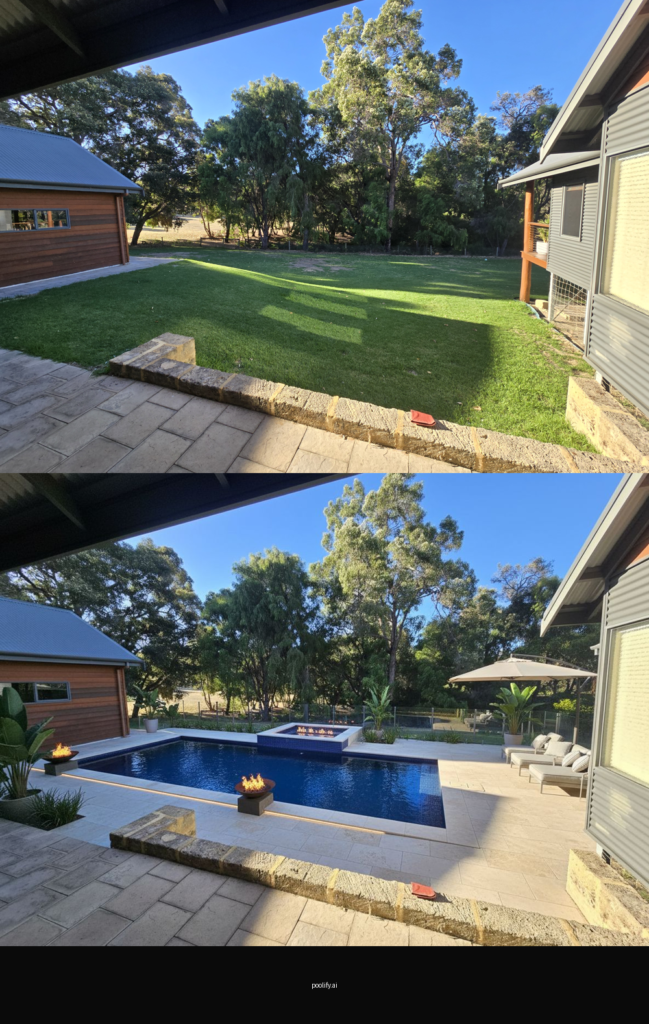
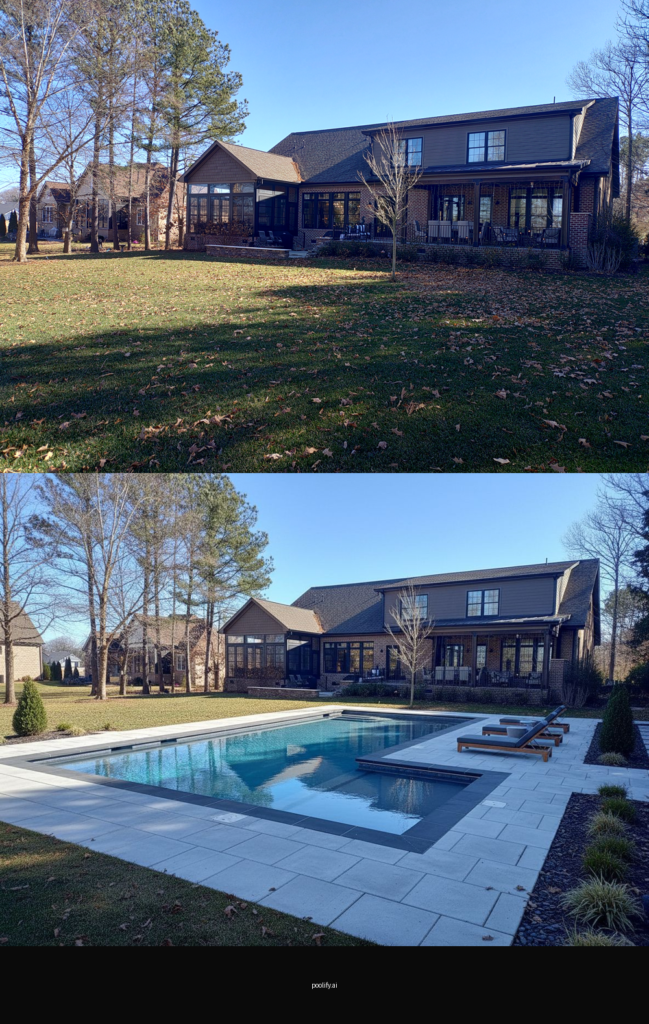
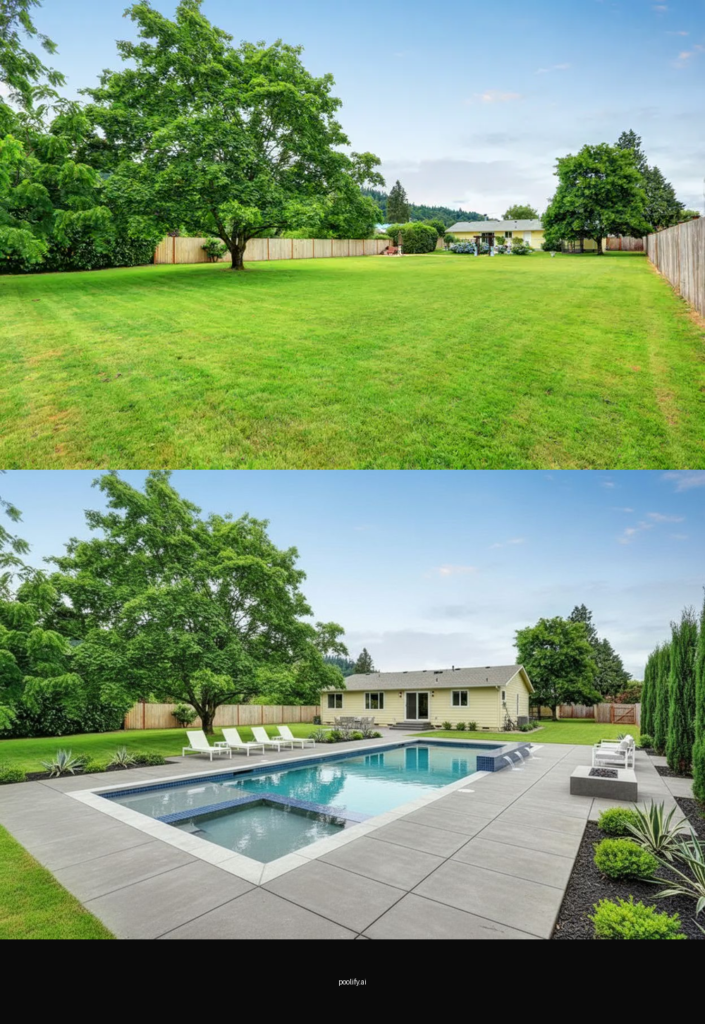
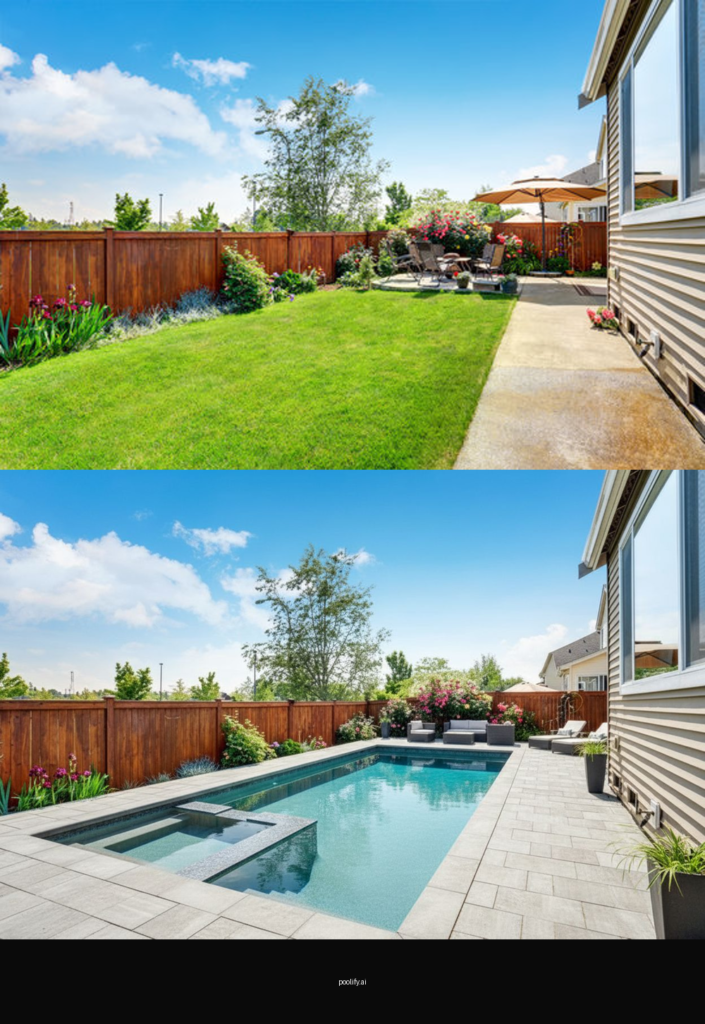
    One challenge homeowners face when comparing pool design styles is imagining how each style would look in their own space.

    Visualizing pool design styles using real backyard images helps:

    • Compare styles side by side
    • Eliminate styles that don’t fit the space
    • Refine preferences quickly
    • Make confident decisions early

    Visualization turns abstract style categories into clear, realistic options.

    How AI Tools Help Explore Pool Design Styles

    AI-based design tools make it easier to explore pool design styles without committing to a single direction.

    By applying different styles to the same backyard image, homeowners can:

    • See how modern, natural, or resort styles compare
    • Evaluate scale and proportion
    • Test features and finishes visually
    • Narrow down the strongest style direction

    This speeds up the early planning process significantly.

    When to Lock In a Pool Design Style

    Pool design styles should be finalized before detailed layouts and feature selection begin.

    Locking in a style early:

    • Simplifies design decisions
    • Improves communication with builders
    • Reduces costly revisions
    • Creates a more cohesive final result

    Style clarity leads to smoother execution.

    Final Thoughts on Pool Design Styles

    Pool design styles provide a framework for turning inspiration into a cohesive plan. By understanding the defining characteristics of each style and evaluating how they fit your backyard, you can move forward with clarity and confidence.

    Whether you prefer modern simplicity, resort-style relaxation, or timeless traditional layouts, choosing the right pool design style sets the foundation for a successful and satisfying pool project.

  • Luxury Pool Design: High-End Features, Layouts, and Backyard Concepts

    Luxury pool design focuses on creating a backyard pool that feels elevated, intentional, and custom-built rather than standard or mass-produced. Homeowners searching for luxury pool design are typically looking for inspiration that goes beyond basic layouts and explores how materials, features, and spatial planning combine to create a premium outdoor experience.

    This guide breaks down what defines luxury pool design, how it differs from standard pool planning, and how to approach high-end pool concepts in a way that is both visually striking and practical.

    What Defines Luxury Pool Design

    Luxury pool design is not defined by size alone. Instead, it is characterized by detail, cohesion, and thoughtful execution.

    Key elements of luxury pool design include:

    • Clean, intentional layouts
    • High-quality materials and finishes
    • Seamless integration with the home and landscape
    • Purposeful feature selection
    • Strong visual balance across the backyard

    A luxury pool design should feel curated rather than crowded, with every element serving a clear role.

    Why Homeowners Choose Luxury Pool Design

    Many homeowners pursue luxury pool design because they want their pool to function as a centerpiece of outdoor living, not just a recreational feature.

    Luxury pool design often appeals to homeowners who value:

    • A refined, resort-like atmosphere
    • Entertaining and hosting
    • Long-term aesthetic appeal
    • Customization over standard templates

    When done correctly, luxury pool design enhances both daily enjoyment and long-term property value.

    Layout Principles in Luxury Pool Design

    Layout is one of the most important components of luxury pool design. High-end pools rely on proportion and spacing to create a sense of calm and balance.

    Luxury pool design layouts often feature:

    • Clear visual axes aligned with the home
    • Defined zones for swimming, lounging, and socializing
    • Generous spacing between pool edges and structures
    • Strong symmetry or deliberate asymmetry

    A well-planned layout gives luxury pool design its composed, effortless feel.

    Pool Shapes Common in Luxury Pool Design

    While luxury pool design allows for creativity, certain shapes consistently perform well in high-end settings.

    Popular shapes include:

    • Long rectangular pools
    • Geometric pools with crisp edges
    • L-shaped or courtyard-style pools
    • Linear lap pools integrated into outdoor living spaces

    These shapes emphasize structure and sophistication rather than novelty.

    Materials That Elevate Luxury Pool Design

    Material selection plays a defining role in luxury pool design. Premium finishes create texture, contrast, and visual depth without overwhelming the space.

    Common luxury pool design materials include:

    • Natural stone or large-format porcelain decking
    • Dark or muted pool interiors
    • Seamless coping and edge details
    • Minimal grout lines and transitions

    Consistency across materials is essential to maintaining a high-end aesthetic.

    Color Palettes in Luxury Pool Design

    Luxury pool design typically relies on restrained color palettes that feel timeless rather than trendy.

    Popular luxury pool design color approaches include:

    • Neutral stone tones
    • Charcoal or deep gray pool interiors
    • Soft, natural earth tones
    • Subtle contrast between water and decking

    These palettes allow reflections, lighting, and surrounding landscaping to enhance the design naturally.

    High-End Features Used in Luxury Pool Design

    Features are where luxury pool design truly differentiates itself. Rather than adding many elements, high-end designs focus on fewer features executed at a higher level.

    Common luxury pool design features include:

    • Infinity or vanishing edges
    • Baja shelves with integrated seating
    • Subtle water spillways or sheer descents
    • Integrated spas that share design language with the pool
    • Architectural fire features used sparingly

    Each feature should feel intentional and integrated, not decorative.

    Lighting Strategies in Luxury Pool Design

    Lighting is a critical but understated component of luxury pool design. Proper lighting enhances the pool after dark without drawing attention to fixtures.

    Luxury pool design lighting often includes:

    • Concealed or flush lighting
    • Warm or neutral tones
    • Accent lighting for steps and edges
    • Subtle illumination for surrounding landscaping

    The goal is atmosphere rather than brightness.

    Integrating Luxury Pool Design With Outdoor Living

    Luxury pool design rarely exists in isolation. High-end pools are usually part of a broader outdoor living environment.

    Integration often includes:

    • Adjacent patios or terraces
    • Outdoor kitchens or bars
    • Lounge and dining zones
    • Seamless transitions between indoor and outdoor spaces

    This integration reinforces the pool’s role as a central gathering feature.

    Luxury Pool Design for Different Yard Sizes

    Luxury pool design is not limited to large properties. While expansive yards offer more flexibility, smaller spaces can still support luxury concepts with careful planning.

    In smaller yards, luxury pool design often emphasizes:

    • Precision in layout
    • Minimalism over scale
    • High-quality finishes
    • Strong alignment with the home

    Luxury is conveyed through detail, not square footage.

    Avoiding Excess in Luxury Pool Design

    One common mistake in luxury pool design is overdesign. Adding too many features, materials, or visual elements can dilute the sense of refinement.

    Successful luxury pool design maintains discipline by:

    • Limiting feature count
    • Sticking to a cohesive material palette
    • Prioritizing proportion and spacing
    • Avoiding unnecessary ornamentation

    Restraint is a defining characteristic of true luxury.

    Visualizing Luxury Pool Design Before Construction

    Visualization is especially important in luxury pool design because small changes can have a large visual impact.

    Seeing a luxury pool design in your actual backyard helps:

    • Confirm proportions and alignment
    • Evaluate material combinations
    • Identify unnecessary elements
    • Refine details before construction begins

    Visualization reduces risk and increases confidence in high-end projects.

    How AI Tools Support Luxury Pool Design

    AI-powered design tools are increasingly used in luxury pool design to explore concepts quickly and accurately.

    By applying designs directly to real backyard photos, AI tools allow homeowners to:

    • Compare multiple luxury layouts
    • Test materials and features visually
    • Refine ideas before engaging builders
    • Communicate expectations more clearly

    This approach streamlines the early stages of luxury pool planning.

    When Luxury Pool Design Is the Right Fit

    Luxury pool design is ideal if:

    • You value refined aesthetics
    • Outdoor entertaining is a priority
    • Long-term visual appeal matters
    • Customization is more important than speed

    High-end design rewards careful planning and clarity.

    Final Thoughts on Luxury Pool Design

    Luxury pool design is about intention, balance, and execution. By focusing on layout, materials, and integration rather than excess, homeowners can create pools that feel timeless and elevated.

    Whether you’re designing a resort-inspired retreat or a minimalist modern pool, thoughtful luxury pool design transforms a backyard into a refined outdoor living space.

  • Pool Design Ideas

    Inspiration and Practical Concepts for Any Backyard

    Pool design ideas help homeowners move from vague inspiration to clear direction. When people search for pool design ideas, they’re usually not looking for technical construction details yet — they want to explore what’s possible, see how different designs look in real spaces, and start forming preferences before committing to a specific plan.

    This guide breaks down pool design ideas by layout, style, and use case, helping you identify concepts that actually work in real backyards rather than just in curated photos.

    What Pool Design Ideas Should Help You Decide

    Good pool design ideas do more than look attractive. They help you answer practical questions about your own project.

    Effective pool design ideas clarify:

    • What pool shapes work best in your yard
    • How much space a pool really takes up
    • How the pool connects to patios and outdoor living
    • Which features add value versus visual noise
    • What styles align with your home and lifestyle

    The best ideas balance inspiration with realism.

    Pool Design Ideas Based on Backyard Size

    One of the most important ways to filter pool design ideas is by backyard size. Ideas that work in large properties often fail in compact spaces.

    Pool Design Ideas for Small Backyards

    In smaller yards, strong pool design ideas focus on efficiency and simplicity.

    Common small-space pool design ideas include:

    • Plunge pools with clean geometry
    • Narrow rectangular pools
    • Pools positioned parallel to the house
    • Minimal decking with shared circulation areas

    These ideas prioritize usability while preserving open space.

    Pool Design Ideas for Larger Backyards

    Larger yards allow more flexibility, but they still benefit from structure.

    Effective pool design ideas for larger spaces often include:

    • Defined zones for swimming, lounging, and dining
    • Pools framed by landscaping or hardscapes
    • Integrated patios that anchor the pool visually
    • Balanced spacing to avoid empty or disconnected areas

    Zoning helps large yards feel intentional rather than scattered.

    Pool Design Ideas by Style

    Style is one of the most common starting points when exploring pool design ideas. Choosing a general style direction early helps narrow options and maintain consistency.

    Modern Pool Design Ideas

    Modern pool design ideas emphasize:

    • Clean lines and geometric shapes
    • Minimal material palettes
    • Strong alignment with the home
    • Subtle, integrated features

    These ideas work well for contemporary homes and smaller yards.

    Natural Pool Design Ideas

    Natural pool design ideas focus on blending the pool into the landscape.

    They often include:

    • Organic shapes
    • Stone or textured finishes
    • Landscaping that softens edges
    • Water features that feel subtle and integrated

    These ideas suit larger or heavily landscaped yards.

    Resort-Style Pool Design Ideas

    Resort-inspired pool design ideas aim to create a vacation feel at home.

    Common elements include:

    • Baja shelves or tanning ledges
    • Built-in seating
    • Smooth transitions between pool and patio
    • Emphasis on relaxation and comfort

    These ideas are popular for entertaining-focused backyards.

    Pool Design Ideas Based on How You’ll Use the Pool

    Usage plays a major role in determining which pool design ideas make sense.

    If relaxation is the priority, pool design ideas may emphasize shallow areas, seating, and calm layouts. For families, ideas often include open swim areas, steps, and visibility. For exercise, linear shapes and lap-style layouts perform best.

    Matching ideas to usage prevents overdesign and disappointment later.

    Pool Design Ideas for Integrating Outdoor Living

    Some of the most effective pool design ideas focus on integration rather than the pool alone.

    These ideas connect the pool to:

    • Patios and decks
    • Outdoor kitchens
    • Lounge and seating areas
    • Walkways and gathering zones

    When the pool is designed as part of a larger outdoor system, the entire backyard feels more functional.

    Feature-Driven Pool Design Ideas

    Features can elevate pool design ideas when used intentionally.

    Popular feature-driven pool design ideas include:

    • Baja shelves that double as social spaces
    • Built-in seating that reduces furniture needs
    • Lighting that enhances nighttime usability
    • Simple water features that add movement without clutter

    The key is choosing features that support the overall layout rather than compete with it.

    Pool Design Ideas That Maximize Visual Impact

    Some pool design ideas rely on visual techniques rather than size or complexity.

    These include:

    • Strong symmetry or alignment
    • Clean transitions between materials
    • Consistent color palettes
    • Framed views from inside the home

    Visual clarity often creates more impact than added features.

    Avoiding Pool Design Ideas That Don’t Translate Well

    Not all pool design ideas work in every backyard. Ideas pulled from magazines or luxury properties may ignore constraints like setbacks, access, or budget.

    Before committing to an idea, ask:

    • Does this fit my yard size and shape?
    • Does it leave room for movement and furniture?
    • Does it align with how I’ll use the pool?
    • Is it realistic to maintain long term?

    Filtering ideas early saves time and money.

    Visualizing Pool Design Ideas in Your Own Backyard

    One challenge with pool design ideas is understanding how they translate into your actual space. Inspiration photos rarely reflect your yard’s dimensions or surroundings.

    Visualizing pool design ideas using real backyard images helps:

    • Test scale and placement
    • Compare multiple ideas side by side
    • Eliminate designs that don’t fit
    • Refine the strongest concepts

    Visualization turns abstract inspiration into actionable plans.

    How AI Tools Expand Pool Design Ideas

    AI-based design tools are increasingly used to explore pool design ideas quickly and realistically.

    By working from a photo of your backyard, AI tools can:

    • Apply different pool design ideas to the same space
    • Adjust layouts and proportions
    • Test styles and features
    • Speed up early decision-making

    This makes exploring pool design ideas more efficient and less overwhelming.

    Choosing the Right Pool Design Ideas to Move Forward

    The best pool design ideas are the ones that align with your space, goals, and budget. Instead of chasing trends, focus on ideas that improve usability, flow, and long-term satisfaction.

    Narrowing your options to a few strong concepts creates clarity and momentum.

    Final Thoughts on Pool Design Ideas

    Pool design ideas are most valuable when they inspire realistic, informed decisions. By filtering ideas through your backyard’s constraints and visualizing them early, you can move from inspiration to confidence.

    Whether you’re gathering ideas or refining a specific direction, thoughtful pool design ideas lay the groundwork for a successful backyard pool project.

  • Small Backyard Pool Design: Smart Ideas That Maximize Limited Space

    Small backyard pool design is all about making the most of what you have. Homeowners searching for small backyard pool design are usually asking the same question: Can a pool really work in my space? The answer is yes — but only with thoughtful planning, efficient layouts, and realistic expectations.

    This guide breaks down how small backyard pool design works, what layouts perform best in tight spaces, and how to create a pool that feels intentional rather than crowded.

    What Makes Small Backyard Pool Design Different

    Small backyard pool design requires a different mindset than designing for large or open yards. Every design decision carries more weight because space is limited.

    Effective small backyard pool design focuses on:

    • Proportion and scale
    • Clear circulation paths
    • Multi-purpose features
    • Minimal visual clutter
    • Strong integration with the home

    Rather than trying to do everything, small backyard pool design succeeds by doing a few things exceptionally well.

    Start With Accurate Measurements

    The foundation of any successful small backyard pool design is understanding the exact dimensions of the yard. Even small measurement errors can lead to layouts that feel cramped or unrealistic.

    When planning small backyard pool design, evaluate:

    • Total usable yard area
    • Required setbacks from property lines
    • Space needed for walkways and seating
    • Clearance between the pool and the house

    Knowing your limits early helps avoid designs that look good on paper but fail in practice.

    Best Pool Types for Small Backyard Pool Design

    Certain pool types consistently perform better in small backyard pool design due to their compact footprints and flexibility.

    Popular options include:

    • Plunge pools
    • Narrow rectangular pools
    • Lap-style pools
    • Compact geometric pools

    These pool types emphasize efficiency and usability rather than size, making them ideal for smaller spaces.

    Pool Placement in Small Backyard Pool Design

    Placement is one of the most important decisions in small backyard pool design. The wrong placement can make the yard feel unusable, while the right one can improve flow and openness.

    Common placement strategies include:

    • Positioning the pool parallel to the house
    • Running the pool along one edge of the yard
    • Aligning the pool with existing patios or decks
    • Keeping one side of the yard more open for movement

    Smart placement helps the pool feel like part of the yard rather than an obstacle.

    Pool Shape Choices That Work in Small Yards

    In small backyard pool design, simple shapes usually outperform complex ones. Clean geometry helps preserve space and maintain visual order.

    Rectangular and linear shapes are especially effective because they:

    • Fit neatly against property lines
    • Allow for consistent walkways
    • Feel less bulky than curved designs

    While freeform pools can work in some cases, they require careful planning to avoid wasting space.

    Minimizing Decking Without Sacrificing Function

    Decking is necessary, but too much can overwhelm a small yard. Small backyard pool design benefits from minimal, purposeful decking.

    Strategies include:

    • Narrow walkways around the pool
    • Shared surfaces for seating and circulation
    • Using built-in pool features to reduce furniture needs

    Reducing excess hardscape keeps the yard feeling open and usable.

    Features That Enhance Small Backyard Pool Design

    Features in small backyard pool design should serve more than one purpose whenever possible.

    Effective feature choices include:

    • Built-in seating
    • Compact steps
    • Baja shelves that double as lounging areas
    • Subtle lighting for nighttime use

    Avoid oversized water features or decorative elements that consume valuable space without adding function.

    Creating the Illusion of Space

    Good small backyard pool design often relies on visual tricks to make the yard feel larger.

    Design techniques that help include:

    • Light-colored decking and pool interiors
    • Clean, uninterrupted lines
    • Minimal changes in elevation
    • Simple landscaping with defined edges

    Reducing visual clutter helps the space feel calmer and more expansive.

    Integrating the Pool With the Home

    Small backyard pool design works best when the pool feels closely connected to the house.

    Placing the pool near doors, windows, or patios:

    • Improves accessibility
    • Enhances views from inside
    • Makes the pool feel like an extension of living space

    This connection is especially important when yard size is limited.

    Circulation and Safety in Small Backyard Pool Design

    Movement around the pool is critical in small backyard pool design. Tight spaces require careful planning to maintain safety and usability.

    Key considerations include:

    • Clear walking paths
    • Non-slip surfaces
    • Visible pool edges
    • Safe entry and exit points

    Well-planned circulation keeps the space comfortable despite its size.

    Visualizing Small Backyard Pool Design Before Building

    Visualization is especially valuable in small backyard pool design because scale is hard to judge without context.

    Seeing a pool placed in your actual yard helps:

    • Confirm proportions
    • Identify tight areas
    • Adjust placement before construction
    • Avoid costly design mistakes

    Visualization turns assumptions into clarity.

    How AI Tools Support Small Backyard Pool Design

    AI-powered design tools are increasingly useful for small backyard pool design. By generating designs from real backyard photos, these tools allow homeowners to test layouts realistically.

    With AI-based small backyard pool design, homeowners can:

    • Compare multiple pool sizes
    • Experiment with placement options
    • Evaluate feature choices
    • Make confident decisions early

    This approach reduces uncertainty and improves design outcomes.

    Common Mistakes in Small Backyard Pool Design

    Some mistakes appear frequently in small backyard pool design projects.

    These include:

    • Oversizing the pool
    • Ignoring circulation space
    • Adding too many features
    • Failing to plan for furniture or access

    Avoiding these pitfalls leads to cleaner, more functional designs.

    When Small Backyard Pool Design Makes Sense

    Small backyard pool design is ideal if:

    • Yard space is limited
    • You value efficient use of space
    • You prefer clean, simple layouts
    • The pool is meant for relaxation or light recreation

    A smaller pool can still deliver a high-quality experience when designed correctly.

    Final Thoughts on Small Backyard Pool Design

    Small backyard pool design proves that limited space does not limit possibilities. With careful planning, efficient layouts, and realistic visualization, even compact yards can support beautiful, functional pools.

    By focusing on proportion, placement, and simplicity, homeowners can create small backyard pool designs that feel intentional, comfortable, and rewarding.

  • Modern Pool Design: Clean Lines, Smart Layouts, and Timeless Style

    Modern pool design focuses on simplicity, intention, and balance. Homeowners searching for modern pool design are usually drawn to clean lines, uncluttered layouts, and pools that feel integrated with the home rather than decorative add-ons. A well-executed modern pool design looks refined today and remains visually relevant for years to come.

    This guide explains what defines modern pool design, how to apply it to different backyard types, and how to plan a modern pool that is both functional and visually striking.

    What Defines Modern Pool Design

    Modern pool design is not about trends or excess features. At its core, it emphasizes clarity and restraint.

    Most modern pool design concepts share these characteristics:

    • Simple geometric shapes
    • Clean, straight edges
    • Limited material palettes
    • Intentional feature selection
    • Strong alignment with the home’s architecture

    Rather than relying on ornamentation, modern pool design creates impact through proportion, layout, and contrast.

    Why Modern Pool Design Is So Popular

    Modern pool design has gained popularity because it works well across a wide range of properties and lifestyles.

    For homeowners, modern pool design offers:

    • A timeless aesthetic that doesn’t age quickly
    • Easier maintenance due to simpler layouts
    • Better integration with contemporary homes
    • Strong resale appeal

    Because modern pool design avoids unnecessary complexity, it often results in cleaner builds and more predictable outcomes.

    Common Shapes Used in Modern Pool Design

    Shape is one of the most defining elements of modern pool design. Clean geometry helps establish the minimalist look.

    Popular shapes in modern pool design include:

    • Rectangular pools
    • Long, narrow lap pools
    • Square or L-shaped pools
    • Linear plunge pools

    These shapes emphasize order and symmetry, which are hallmarks of modern design.

    Pool Placement in Modern Pool Design

    Placement plays a critical role in modern pool design. The pool should feel like an extension of the home’s structure, not a separate feature.

    Modern pool design often places the pool:

    • Parallel to the house
    • Centered along key sightlines
    • Aligned with patios or sliding doors
    • Positioned to emphasize clean visual axes

    Strong alignment reinforces the structured feel that defines modern pool design.

    Material Choices in Modern Pool Design

    Material selection is intentionally limited in modern pool design. Too many textures or finishes can dilute the effect.

    Common material choices include:

    • Smooth concrete or porcelain decking
    • Neutral stone finishes
    • Dark or muted pool interiors
    • Minimal grout lines and transitions

    Consistency across materials helps modern pool design feel cohesive rather than busy.

    Color Palettes in Modern Pool Design

    Color plays a subtle but important role in modern pool design. Neutral palettes dominate because they support long-term appeal.

    Popular color schemes include:

    • White, gray, and charcoal
    • Black or dark gray pool interiors
    • Soft beige or light stone tones
    • Minimal accent colors

    These palettes allow water reflections and natural light to become part of the design rather than competing elements.

    Features That Complement Modern Pool Design

    Modern pool design benefits from carefully chosen features that enhance functionality without disrupting visual simplicity.

    Effective modern pool design features include:

    • Flush or hidden pool lighting
    • Integrated steps or seating
    • Subtle water spillways
    • Automated systems with concealed hardware

    Each feature should serve a clear purpose and blend seamlessly into the design.

    Modern Pool Design for Small Backyards

    Modern pool design works especially well in small backyards because simplicity maximizes usable space.

    In compact yards, modern pool design often focuses on:

    • Narrow rectangular pools
    • Minimal decking
    • Pools positioned close to the house
    • Clean transitions between surfaces

    By reducing visual clutter, modern pool design can make small spaces feel larger and more intentional.

    Modern Pool Design for Larger Yards

    In larger spaces, modern pool design relies on proportion and zoning to avoid feeling empty or disconnected.

    Strategies for larger yards include:

    • Anchoring the pool with patios or hardscapes
    • Using landscaping as a framing element
    • Creating defined activity zones
    • Maintaining strong alignment across the yard

    These techniques keep modern pool design structured even in expansive spaces.

    Lighting in Modern Pool Design

    Lighting is often understated in modern pool design but has a major impact on how the pool looks after dark.

    Modern pool design lighting typically:

    • Highlights pool edges or steps
    • Uses warm or neutral tones
    • Avoids harsh spotlights
    • Enhances depth without drawing attention to fixtures

    Good lighting reinforces the clean aesthetic rather than becoming a focal point itself.

    Avoiding Common Mistakes in Modern Pool Design

    One common mistake in modern pool design is adding too many features. Overloading a modern pool with waterfalls, textures, or decorative elements undermines its simplicity.

    Another issue is poor alignment. Even small misalignments between the pool, house, and patio can disrupt the clean lines modern pool design depends on.

    Staying disciplined is key to achieving a successful modern pool design.

    Visualizing Modern Pool Design Before Building

    Visualization is especially important in modern pool design because small changes can have a big visual impact.

    Seeing a modern pool design in your actual backyard helps:

    • Confirm alignment and scale
    • Test material combinations
    • Identify unnecessary elements
    • Refine the layout before construction

    Visualization reduces trial-and-error during the build phase.

    How AI Tools Support Modern Pool Design

    AI-based visualization tools are increasingly used in modern pool design to generate realistic concepts based on real backyard photos.

    These tools allow homeowners to:

    • Preview modern layouts in their own space
    • Compare different pool proportions
    • Experiment with materials and placement
    • Make confident design decisions earlier

    Technology helps modern pool design remain precise rather than subjective.

    When Modern Pool Design Is the Right Choice

    Modern pool design is ideal if:

    • Your home has contemporary or minimalist architecture
    • You prefer clean, uncluttered spaces
    • Long-term visual appeal matters
    • You value functionality over ornamentation

    Modern pool design prioritizes intention and clarity over trends.

    Final Thoughts on Modern Pool Design

    Modern pool design delivers impact through simplicity. By focusing on clean lines, balanced layouts, and thoughtful material choices, homeowners can create pools that feel refined and enduring.

    Whether you’re planning a compact backyard pool or a large outdoor living space, modern pool design offers a versatile framework that emphasizes clarity, usability, and timeless style.

  • Backyard Pool Design: Ideas and Layout Tips for Any Yard Size

    Backyard pool design is one of the most important stages of planning a pool project. A well-designed backyard pool feels intentional, balanced, and integrated with the rest of the outdoor space, while a poorly planned one can feel cramped or disconnected. Homeowners researching backyard pool design are usually trying to figure out what will actually work in their yard—not just what looks good in photos.

    This guide breaks down backyard pool design from a practical, space-first perspective so you can plan a pool that fits your property, lifestyle, and long-term goals.

    What Backyard Pool Design Really Involves

    Backyard pool design goes far beyond choosing a pool shape. It involves understanding how the pool fits within the entire yard and how people will move through and use the space.

    Effective backyard pool design considers:

    • Yard dimensions and layout
    • Pool placement relative to the home
    • Flow between the pool and outdoor living areas
    • Privacy, safety, and usability
    • Visual balance across the yard

    When these elements work together, the pool feels like a natural extension of the home rather than an afterthought.

    Start With Your Backyard, Not the Pool

    One of the most common mistakes in backyard pool design is starting with the pool instead of the yard. Every backyard has physical constraints that should guide design decisions.

    Key backyard factors to evaluate include:

    • Overall size and shape of the yard
    • Distance from property lines
    • Slopes or elevation changes
    • Existing patios, decks, or landscaping
    • Access points for construction

    Understanding these factors early leads to a backyard pool design that is realistic and buildable.

    Backyard Pool Design for Small Yards

    Small yards require a more intentional approach to backyard pool design, but limited space does not mean limited options.

    In compact yards, successful backyard pool design often focuses on:

    • Rectangular or plunge-style pools
    • Pools placed parallel to the house
    • Minimal decking to preserve open space
    • Clean, simple layouts without excess features

    The goal is to maintain balance so the pool enhances the yard instead of overwhelming it.

    Backyard Pool Design for Large or Open Yards

    Larger yards offer more flexibility, but they also introduce different challenges. In large spaces, backyard pool design must avoid feeling disconnected or lost within the yard.

    Design strategies for larger backyards include:

    • Creating defined zones for swimming, lounging, and dining
    • Using landscaping to frame the pool area
    • Incorporating patios or hardscapes to anchor the design
    • Aligning the pool with key sightlines from the house

    Thoughtful zoning helps large backyard pool designs feel cohesive rather than scattered.

    Pool Placement in Backyard Pool Design

    Pool placement is one of the most critical decisions in backyard pool design. The pool should feel accessible, visible, and connected to daily outdoor use.

    When choosing placement, consider:

    • How close the pool is to the house
    • Views from interior living spaces
    • Sun exposure throughout the day
    • Privacy from neighboring properties
    • Walking paths and circulation around the pool

    Strong backyard pool design places the pool where it naturally fits into how the yard is used.

    Integrating the Pool With Outdoor Living Spaces

    Backyard pool design works best when the pool is integrated with patios, seating areas, and outdoor features rather than isolated in the yard.

    Common integration elements include:

    • Pool-adjacent patios or decks
    • Outdoor kitchens or grilling areas
    • Lounge seating near shallow areas
    • Clear transitions between surfaces

    These connections make the pool a central gathering space instead of a standalone feature.

    Choosing the Right Pool Shape for Your Backyard

    Pool shape has a major impact on backyard pool design. The shape should complement the yard’s geometry and the home’s architecture.

    Rectangular pools suit modern homes and narrow yards, while freeform shapes often work well in organic or landscaped spaces. The best backyard pool design aligns shape with surroundings rather than forcing contrast.

    Features That Enhance Backyard Pool Design

    Features can elevate backyard pool design when they’re chosen with intention. Too many features can clutter the space, while well-placed features add function and visual interest.

    Popular backyard pool design features include:

    • Baja shelves for lounging
    • Built-in steps and seating
    • Subtle water features
    • Thoughtful pool lighting

    Features should support how the pool will be used, not distract from the layout.

    Circulation and Safety in Backyard Pool Design

    Good backyard pool design accounts for how people move around the space. Walkways, access points, and clearances are just as important as the pool itself.

    Design considerations include:

    • Adequate space for walking around the pool
    • Safe entry and exit points
    • Visibility for supervising children
    • Clear paths between pool and house

    These details improve daily usability and long-term safety.

    Visualizing Backyard Pool Design Before Construction

    One of the biggest challenges homeowners face with backyard pool design is visualization. It can be difficult to imagine scale, spacing, and flow from drawings alone.

    Visualizing backyard pool design using real photos of your yard helps:

    • Confirm pool size and placement
    • Identify tight or awkward areas
    • Compare multiple layout options
    • Refine design choices before construction

    Seeing the design in context reduces uncertainty and improves confidence.

    How AI Tools Support Backyard Pool Design

    AI-powered design tools are increasingly used in backyard pool design to generate realistic concepts based on actual backyard images.

    These tools allow homeowners to:

    • Test different pool layouts in the same space
    • Experiment with features and styles
    • Make informed design decisions faster

    AI-assisted visualization makes backyard pool design more accessible and less dependent on guesswork.

    Common Backyard Pool Design Mistakes to Avoid

    Several mistakes appear repeatedly in backyard pool design projects.

    These include:

    • Oversizing the pool for the yard
    • Ignoring circulation and walkways
    • Overloading the design with features
    • Failing to consider long-term maintenance

    Avoiding these issues leads to cleaner, more functional designs.

    Final Thoughts on Backyard Pool Design

    Backyard pool design is about balance—between space and function, style and usability, creativity and practicality. By starting with your yard, prioritizing layout, and visualizing ideas early, you can design a pool that enhances your outdoor space rather than competing with it.

    Whether you’re planning a small backyard upgrade or a full outdoor transformation, thoughtful backyard pool design sets the foundation for a successful and enjoyable pool project.

  • How to Design a Pool: A Step-by-Step Guide for Homeowners

    How to design a pool is one of the most common questions homeowners ask when considering a backyard upgrade. Designing a pool involves more than choosing a shape or browsing inspiration photos. It requires understanding your space, clarifying how the pool will be used, and making decisions that balance style, function, and budget.

    This guide breaks down how to design a pool step by step, helping you move from early ideas to a clear, build-ready concept.

    Step 1: Define How You Want to Use the Pool

    Before focusing on layout or features, the first step in how to design a pool is defining its primary purpose. Pools are used differently depending on household needs.

    Common use cases include:

    • Relaxation and lounging
    • Family recreation
    • Entertaining guests
    • Exercise or lap swimming

    Knowing how you plan to use the pool guides nearly every design decision that follows.

    Step 2: Evaluate Your Backyard Space

    Understanding your backyard is critical when learning how to design a pool. Yard size, shape, and surroundings directly affect what’s realistic.

    Key factors to evaluate include:

    • Overall yard dimensions
    • Distance from the house
    • Slope or elevation changes
    • Existing patios, decks, or landscaping
    • Privacy from neighbors

    Accurate measurements and photos provide a strong foundation for pool design.

    Step 3: Choose a Pool Shape That Fits the Space

    One of the most visible steps in how to design a pool is selecting a shape that works with your yard layout.

    Rectangular pools work well in modern or narrow spaces, while freeform designs often suit larger or more natural settings. Plunge pools are popular for compact yards, and lap pools are ideal for exercise-focused use.

    The right shape complements the yard rather than competing with it.

    Step 4: Decide on Pool Placement

    Pool placement plays a major role in usability and visual balance. When considering how to design a pool, placement should feel intentional and convenient.

    Important placement considerations include:

    • Access from the house
    • Views from indoor living spaces
    • Sun exposure throughout the day
    • Clearance for walkways and furniture

    Good placement improves both daily use and long-term satisfaction.

    Step 5: Select Features That Support the Design

    Features should enhance the pool design rather than complicate it. In the process of how to design a pool, features are best added after the layout is established.

    Common pool features include:

    • Steps and entry points
    • Baja shelves
    • Built-in seating
    • Lighting
    • Water features

    Choosing features with purpose keeps the design clean and functional.

    Step 6: Think About Budget Early

    Budget is an unavoidable part of how to design a pool. Design decisions directly affect cost, so it’s important to set realistic expectations early.

    Factors that influence pool cost include:

    • Pool size and depth
    • Shape complexity
    • Materials
    • Features and add-ons
    • Site conditions

    A clear budget helps prioritize design elements and avoid overextending.

    Step 7: Visualize the Pool Design

    One of the biggest challenges in how to design a pool is visualization. Many homeowners struggle to imagine how a pool will actually look in their yard.

    Visualization tools allow you to:

    • See scale and proportion accurately
    • Compare multiple layouts
    • Identify potential design issues early

    Seeing the design in context makes it easier to refine ideas before construction.

    Step 8: Refine and Simplify the Design

    As you continue learning how to design a pool, refinement becomes key. Simplifying the design often leads to better results.

    Look for:

    • Unnecessary features that add complexity
    • Tight spacing that reduces usability
    • Elements that don’t align with the pool’s purpose

    A refined design feels cohesive and intentional.

    Step 9: Prepare to Communicate With Builders

    A well-defined design makes conversations with builders more productive. Understanding how to design a pool allows you to communicate clearly and evaluate proposals confidently.

    Builders can provide better guidance when you bring:

    • A clear layout concept
    • Feature priorities
    • Visual references
    • Budget expectations

    Preparation reduces misalignment and delays.

    Step 10: Use Technology to Improve the Process

    Modern tools are changing how homeowners approach how to design a pool. AI-based design platforms can generate realistic pool concepts using real backyard photos.

    These tools help:

    • Reduce guesswork
    • Speed up planning
    • Improve design confidence

    Technology makes pool design more accessible, even for first-time homeowners.

    Final Thoughts on How to Design a Pool

    Learning how to design a pool empowers homeowners to make informed, confident decisions. By understanding your space, clarifying goals, and visualizing ideas early, you can move through the design process with clarity.

    Whether you’re exploring options or preparing for construction, knowing how to design a pool is the foundation of a successful backyard pool project.

  • Cool Pool Designs: Creative Backyard Pool Ideas That Actually Work

    Cool pool designs aren’t just about visual flair — they’re about creating a backyard pool that feels modern, intentional, and tailored to how you actually use your outdoor space. Homeowners searching for cool pool designs are usually looking for inspiration that goes beyond basic shapes and standard layouts, while still being realistic enough to build.

    This guide explores what makes a pool design truly cool, how to apply those ideas to different backyard types, and how to move from inspiration to a workable pool plan.

    What Makes a Pool Design “Cool”?

    Cool pool designs share a few defining characteristics. They feel fresh without being impractical, visually striking without overwhelming the space, and customized rather than generic.

    In most cases, cool pool designs focus on:

    • Clean, intentional layouts
    • Strong integration with the surrounding backyard
    • Modern materials or unique features
    • Smart use of space rather than sheer size

    A cool pool design doesn’t need to be large or expensive — it needs to feel thoughtfully designed.

    Popular Styles Behind Cool Pool Designs

    While trends change over time, several design styles consistently influence cool pool designs.

    Modern and Minimalist Pool Designs

    Modern cool pool designs often feature:

    • Rectangular or geometric shapes
    • Neutral color palettes
    • Minimal visual clutter
    • Sharp edges and clean lines

    These designs work especially well in urban or contemporary homes and smaller backyards where simplicity enhances the overall look.

    Resort-Inspired Pool Designs

    Resort-style cool pool designs aim to recreate a vacation feel at home. These often include:

    • Baja shelves or tanning ledges
    • Integrated seating
    • Water features that add movement and sound
    • Seamless transitions between pool and patio areas

    The goal is relaxation, not formality.

    Natural and Organic Pool Designs

    Some of the most visually appealing cool pool designs lean into natural elements. These designs may incorporate:

    • Freeform shapes
    • Stone textures
    • Soft landscaping around the pool
    • Subtle curves instead of rigid geometry

    Natural designs tend to blend more easily into larger or heavily landscaped yards.

    Cool Pool Designs for Small Backyards

    One of the biggest misconceptions about cool pool designs is that they require a lot of space. In reality, some of the most effective designs are built for small or narrow yards.

    In compact spaces, cool pool designs often rely on:

    • Narrow lap-style pools
    • Plunge pools
    • Pools that run parallel to the home
    • Minimal decking to preserve open space

    Smart placement and proportion matter more than size when designing a cool pool in a limited area.

    Unique Features That Elevate Cool Pool Designs

    Features play a major role in defining cool pool designs. Even simple pools can feel elevated with the right enhancements.

    Pool Lighting

    Lighting dramatically changes how cool pool designs look after sunset. Well-placed lighting:

    • Highlights pool edges
    • Adds depth and contrast
    • Improves safety without harsh brightness

    Underwater LEDs and perimeter lighting are common choices in modern cool pool designs.

    Baja Shelves and Built-In Seating

    Baja shelves have become a defining element of many cool pool designs. They:

    • Add functionality for lounging
    • Create visual layering in the pool
    • Make the pool more social and family-friendly

    Built-in seating serves a similar purpose while maintaining a clean design aesthetic.

    Water and Fire Features

    Used sparingly, water and fire features can make cool pool designs feel dynamic without becoming overwhelming. Subtle waterfalls, spillways, or fire bowls can act as focal points that draw the eye.

    How Layout Impacts Cool Pool Designs

    Cool pool designs succeed when layout is treated as a core design decision, not an afterthought.

    Key layout considerations include:

    • Clear walking paths around the pool
    • Logical transitions to patios or seating areas
    • Balanced spacing between pool edges and property lines
    • Views from inside the house

    A well-designed layout ensures the pool feels integrated into the backyard rather than dropped into it.

    Avoiding Trends That Don’t Age Well

    While cool pool designs often draw inspiration from trends, it’s important to avoid choices that may feel dated quickly.

    Overly complex shapes, excessive features, or highly specific design motifs can limit long-term appeal. The best cool pool designs balance current style with timeless elements, allowing the pool to remain visually appealing for years.

    Visualizing Cool Pool Designs in Your Own Backyard

    One challenge homeowners face when exploring cool pool designs is translating inspiration photos into their own space. What looks great in a magazine may not work in a different yard layout.

    Visualizing cool pool designs directly in your backyard helps answer critical questions:

    • Does the design fit the available space?
    • Does it align with the home’s architecture?
    • Is there enough room for surrounding features?

    Seeing designs in context makes it easier to filter out ideas that won’t work and refine the ones that will.

    Using AI to Explore Cool Pool Designs

    AI-based design tools are increasingly used to explore cool pool designs quickly and efficiently. By working from a photo of your backyard, AI can generate pool design concepts that feel realistic rather than abstract.

    This approach allows homeowners to:

    • Test multiple cool pool designs in the same space
    • Compare layouts side by side
    • Experiment with features before committing

    AI-driven visualization removes much of the guesswork from early-stage pool planning.

    When Cool Pool Designs Make the Biggest Impact

    Cool pool designs are especially impactful when:

    • The backyard has clear spatial constraints
    • You want a visually distinctive result
    • The pool is a central feature of outdoor living
    • Design cohesion matters more than size

    Focusing on thoughtful design rather than scale often leads to better outcomes.

    Final Thoughts on Cool Pool Designs

    Cool pool designs combine creativity with practicality. They reflect personal style, enhance outdoor living, and make better use of available space. By focusing on layout, features, and visualization early, homeowners can create pool designs that feel intentional and enduring.

    Whether you’re gathering inspiration or refining a specific idea, exploring cool pool designs is an essential step toward building a backyard pool that truly stands out.

  • DIY Pool Design: How to Plan and Visualize Your Own Backyard Pool

    DIY pool design is becoming increasingly popular as homeowners look for ways to plan a backyard pool before talking to builders or committing to expensive designs. Whether you’re exploring ideas, comparing layouts, or trying to understand what’s possible in your space, DIY pool design allows you to take control of the early planning process and make smarter decisions from the start.

    This guide walks through how DIY pool design works, what you should think about before construction, and how to visualize your ideas clearly enough to move forward with confidence.

    What DIY Pool Design Actually Means

    DIY pool design doesn’t mean building a pool yourself from scratch. Instead, DIY pool design refers to the process of planning, conceptualizing, and visualizing a pool layout on your own before involving contractors or designers.

    With DIY pool design, homeowners focus on:

    • Pool size and shape
    • Placement within the backyard
    • How the pool connects to patios and outdoor spaces
    • Feature ideas like steps, tanning ledges, or water features
    • Overall style and aesthetic direction

    This approach helps you arrive at conversations with builders prepared, informed, and aligned on your goals.

    Why Homeowners Are Choosing DIY Pool Design

    There are several reasons DIY pool design has gained traction in recent years.

    First, pool construction is a major investment. DIY pool design helps homeowners avoid rushed decisions by allowing them to explore options visually before money is on the line.

    Second, many homeowners struggle to imagine how a pool will look in their actual backyard. DIY pool design bridges that gap by turning abstract ideas into concrete visuals.

    Finally, DIY pool design gives you flexibility. You can experiment with layouts, adjust ideas, and refine preferences without the pressure of timelines or sales conversations.

    Key Factors to Consider in DIY Pool Design

    Before jumping into layouts or styles, it’s important to understand the foundational elements that shape any successful DIY pool design.

    Backyard Size and Shape

    Every DIY pool design starts with the physical boundaries of the yard. The size, shape, and orientation of your backyard directly influence what kind of pool design is realistic.

    Small or narrow yards often benefit from:

    • Rectangular or plunge-style pools
    • Minimal decking
    • Clean, efficient layouts

    Larger yards allow more flexibility with curves, features, and surrounding outdoor living areas.

    Pool Placement

    DIY pool design isn’t just about the pool itself — it’s about where it sits in relation to your home.

    Consider:

    • Sightlines from windows and doors
    • Proximity to patios or outdoor kitchens
    • Sun exposure throughout the day
    • Privacy from neighboring properties

    Good DIY pool design places the pool where it feels intentional, not squeezed in as an afterthought.

    Pool Shape and Style

    DIY pool design works best when you choose a clear style direction early. This helps avoid mismatched features later.

    Common DIY pool design styles include:

    • Modern and minimalist
    • Resort-style
    • Natural or lagoon-inspired
    • Family-focused recreational designs

    Your chosen style should complement your home’s architecture and the way you plan to use the pool.

    How to Design a Pool Yourself Without Guesswork

    One of the biggest challenges in DIY pool design is visualization. Sketches and imagination can only go so far, especially if you’re not a designer.

    This is where modern DIY pool design tools make a major difference.

    Instead of relying on generic inspiration photos, homeowners can now visualize pool designs directly in their own backyard using real images. Seeing a pool placed in your actual space helps answer critical questions quickly:

    • Is the pool too large or too small?
    • Does the layout feel balanced?
    • How much room is left for seating and walking space?

    DIY pool design becomes far more effective when ideas are grounded in your real environment.

    Common DIY Pool Design Mistakes to Avoid

    While DIY pool design offers flexibility, there are a few common pitfalls homeowners should avoid.

    One mistake is designing a pool that’s too large for the space. Oversized pools can limit movement, reduce usability, and increase costs unnecessarily.

    Another issue is ignoring how the pool connects to the rest of the yard. DIY pool design should account for circulation, furniture placement, and access points.

    Finally, many homeowners overlook future maintenance and ownership. Design choices made during DIY pool design can affect cleaning, energy use, and long-term upkeep.

    Using DIY Pool Design to Communicate With Builders

    One of the biggest advantages of DIY pool design is how it improves communication with professionals.

    When you arrive with a clear design concept, builders can:

    • Provide more accurate estimates
    • Identify feasibility issues early
    • Suggest improvements instead of starting from scratch

    DIY pool design doesn’t replace professional expertise — it enhances it by aligning everyone around a shared vision.

    How AI Is Changing DIY Pool Design

    AI-powered tools are transforming DIY pool design by making visualization faster and more accessible. Instead of weeks of back-and-forth, homeowners can generate multiple pool design concepts in minutes.

    By uploading a photo of your backyard, AI-based DIY pool design tools can:

    • Place realistic pool layouts into your space
    • Adjust size, shape, and positioning
    • Experiment with different design styles

    This makes DIY pool design more intuitive and less intimidating, even for first-time pool owners.

    When DIY Pool Design Makes the Most Sense

    DIY pool design is especially useful if:

    • You’re early in the planning phase
    • You want to explore ideas before contacting builders
    • You’re comparing multiple layouts or styles
    • You want clearer visuals to guide decisions

    Even homeowners who plan to hire designers benefit from DIY pool design as a starting point.

    Final Thoughts on DIY Pool Design

    DIY pool design empowers homeowners to take an active role in planning one of the most significant upgrades to their property. By understanding your space, clarifying your goals, and visualizing ideas early, you reduce uncertainty and improve outcomes.

    Whether you’re experimenting with layouts, refining a concept, or preparing to talk with builders, DIY pool design helps turn inspiration into actionable plans.

  • Do I Need a Pool Architect?

    Do I need a pool architect is a common question for homeowners, contractors, and developers planning anything beyond a basic pool. The answer depends on project complexity, site conditions, design expectations, and risk tolerance. In many cases, a pool architect is not required — but in others, their involvement can prevent costly mistakes and elevate the final result.

    This article explains when you need a pool architect, when you likely do not, how pool architects differ from builders and designers, and how to decide what level of professional support makes sense for your project.


    What a Pool Architect Actually Does

    A pool architect focuses on design intent, spatial planning, and integration rather than construction alone.

    Typical responsibilities of a pool architect

    • Developing overall pool concept and layout
    • Aligning pool design with home architecture
    • Solving complex site conditions
    • Coordinating pool, landscape, and hardscape design
    • Producing design-forward drawings for builders and engineers
    • Managing aesthetics, proportion, and long-term usability

    They are typically involved earlier and at a higher conceptual level than builders.


    Pool Architect vs Pool Builder vs Pool Designer

    Understanding the differences helps clarify when an architect is needed.


    Pool Builder

    Pool builders focus on construction and delivery.

    Strengths

    • Construction knowledge
    • Cost estimation
    • Permits and execution
    • Equipment and systems

    Limitations

    • Designs may prioritize build efficiency
    • Fewer concept alternatives
    • Less focus on architectural integration

    Builders often provide basic design as part of the build contract.


    Pool Designer

    Pool designers sit between builders and architects.

    Strengths

    • Custom layout planning
    • Feature placement
    • Better aesthetics than standard builder plans
    • More flexibility than builder templates

    Limitations

    • Not always licensed
    • Limited authority for complex engineering
    • May still defer heavily to builder constraints

    Pool Architect

    Pool architects operate at the highest design level.

    Strengths

    • Deep focus on proportion, form, and integration
    • Ability to solve complex sites
    • Coordination across disciplines
    • Strong conceptual vision

    Limitations

    • Higher upfront cost
    • Not always necessary for simple projects
    • Still require builders and engineers for execution

    When You Likely Do NOT Need a Pool Architect

    Many pool projects succeed without architectural involvement.

    Situations where a pool architect is usually unnecessary

    • Flat, rectangular lots
    • Simple rectangular or geometric pools
    • Standard residential neighborhoods
    • Budget-driven projects
    • Builder-led installations with minimal customization

    In these cases, a good builder or pool designer is often sufficient.


    When Hiring a Pool Architect Makes Sense

    A pool architect becomes valuable as complexity increases.


    Complex Site Conditions

    Pool architects are especially helpful when:

    • The yard is sloped
    • Retaining walls are required
    • Drainage is challenging
    • Space is constrained or irregular

    These conditions benefit from early spatial problem-solving.


    High-End or Luxury Projects

    Luxury pools demand restraint and proportion.

    Architects help:

    • Avoid oversized or awkward layouts
    • Align pool geometry with the home
    • Integrate materials and finishes
    • Maintain long-term design relevance

    Their value is often in what they remove, not what they add.


    Architectural Integration Is Critical

    If the pool must align precisely with:

    • Modern architecture
    • Traditional symmetry
    • Indoor-outdoor transitions
    • View corridors or sightlines

    An architect’s training becomes an advantage.


    Multi-Discipline Projects

    When pools interact with:

    • Landscaping
    • Outdoor kitchens
    • Structures or pavilions
    • Elevation changes

    An architect can coordinate design intent across elements.


    Cost Considerations When Hiring a Pool Architect

    Pool architects add upfront cost but can reduce downstream expense.

    Typical pool architect cost range

    • $3,000–$10,000+
    • Higher for complex or custom projects

    What that cost often prevents

    • Late-stage redesigns
    • Poor site utilization
    • Oversized or inefficient pools
    • Construction change orders

    For complex projects, architectural fees are often a form of risk management.


    The Biggest Misconception About Pool Architects

    The most common misconception is that architects always make projects more expensive.

    In reality:

    • Poor design is expensive
    • Redesign during construction is extremely expensive
    • Overbuilt pools cost more to operate long-term

    Architectural input early often leads to simpler, more efficient solutions.


    How Pool Architects Typically Work With Builders

    Pool architects do not replace builders.

    Typical workflow

    1. Architect develops concept and layout
    2. Builder reviews constructability
    3. Engineer handles structure and systems
    4. Builder executes construction

    When collaboration is healthy, outcomes improve for everyone.


    The Role of Visualization in Deciding Whether You Need an Architect

    Many homeowners hire architects because they cannot visualize alternatives.

    Visualization allows you to:

    • Explore layouts before hiring
    • Identify whether complexity truly exists
    • Clarify design priorities
    • Reduce paid concept revisions

    Seeing options often reveals whether architectural-level input is truly required.


    How AI Pool Design Fits Into This Decision

    AI pool design tools help bridge the gap between DIY planning and professional services.

    With AI-generated designs, users can:

    • Explore multiple layouts quickly
    • Test proportions and placement
    • Identify complexity early
    • Enter architect or builder discussions prepared

    Tools like Poolify focus on this early-stage clarity, helping homeowners and contractors decide whether a pool architect is necessary before committing to higher design fees.


    Pool Architects From a Contractor’s Perspective

    Contractors often benefit from architectural clarity.

    Benefits for contractors

    • Clear scope before bidding
    • Fewer client revisions
    • Reduced liability
    • Cleaner construction documents

    Architectural input can streamline construction rather than slow it down.


    Pool Architects and Permitting

    In some jurisdictions, architectural involvement is required.

    This may occur when:

    • Pools are part of larger additions
    • Structural walls exceed certain heights
    • Zoning or historic districts are involved

    Local requirements vary, so verification is essential.

    A general overview of how professional design roles differ in construction projects is outlined by the American Institute of Architects, which explains when architectural services add value in residential projects:
    https://www.aia.org/resources/6263781-working-with-an-architect


    How to Decide if You Need a Pool Architect

    Ask yourself these questions:

    • Is my site simple or complex?
    • Does design quality matter as much as function?
    • Will the pool interact with other structures?
    • Am I confident in the layout choices?
    • Am I trying to avoid expensive revisions later?

    If several answers raise uncertainty, architectural input may be worthwhile.


    Common Mistakes When Deciding on Design Support

    Hiring too early

    Paying for full architectural services before understanding the layout wastes money.

    Hiring too late

    Bringing in an architect after construction decisions are made limits their impact.

    Assuming builders and architects do the same thing

    They solve different problems.


    Key Takeaways

    • Not every pool project requires a pool architect
    • Simple sites often work well with builders or designers
    • Complex, luxury, or integrated projects benefit most from architects
    • Architectural fees often reduce total project risk
    • Early visualization helps determine the right level of support

    Whether you need a pool architect depends on complexity, expectations, and risk tolerance. The right decision is the one that gives you clarity early — before construction decisions become expensive to undo.